Molly Smith, Arena Stage’s artistic director, was drinking coffee and reading the newspaper at home in early May, taking in stories about life during the pandemic.
Coronavirus had shut down much of D.C. nearly two months before, and Smith was thinking about creative ways to move the theater’s programming online. That day, while reading, an idea struck her.
“Newspapers do a really good job of this, where they just will crystalize a moment in time,” says Smith. She decided to attempt to do the same thing through film.
“I wanted to stamp the time,” she says. “This is what we were thinking in this moment.” After consulting deputy artistic director Seema Sueko, they decided to go for it.
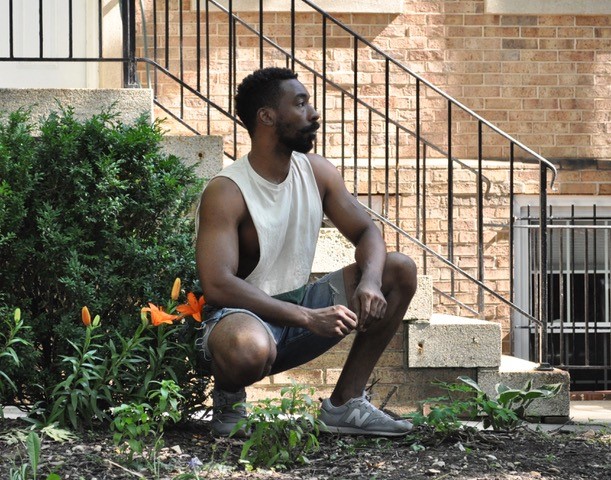
This weekend, Arena Stage will release its first film, titled May 22, 2020, which documents ten stories from locals about life during the crisis. The film will first premiere as part of the company’s new Supper Club on Friday, June 12, which allows participants at home to enjoy meals delivered from local restaurants while they watch, before its world premiere at 12 p.m. on Saturday.
The 55-minute film will be available for free via Arena Stage’s website and YouTube channel.
The movie is one of two films Arena Stage will release at part of its spring/summer 2020 season, with a slate of virtual programming including master classes, the company’s weekly in-conversation series called “Molly’s Salon,” and an upcoming artists marketplace, which expected to launch this month and will allow patrons to commission or buy goods—including paintings, special live performances, and more—from artists and artisans who have worked with Arena Stage.
A second movie, Inside Voices: a film by Arena Stage’s Voices of Now ensembles, features more than 120 student artists in Arena Stage’s drama program, Voices of Now, and will premiere on June 19.
For May 22, Smith enlisted the help of 10 playwrights, including Randy Baker, the co-artistic director of H Street NE’s Rorschach Theater, local dramatist Karen Zacarías, Aaron Posner, and others, who interviewed 10 Washingtonians between the ages of 18 and 89 on that same date in late May and asked them about life during the pandemic.
Given the short turnaround, Smith asked the playwrights to seek out people they knew who are good storytellers and might be willing to participate, but then had one of the other playwrights to conduct the interviews to maintain what Smith calls a “journalistic coolness” between the writer and subject.
Those interviewees included a bee keeper, an emergency room nurse on front lines of the health crisis, a young climate-change activist, and others.
The playwrights had one week to write monologues, a form Smith says she chose because she couldn’t put two actors in a scene together because of social distancing concerns. Smith and her team then passed those to the actors, including Guadalupe Campos and JaBen Early, who have both appeared in past Arena Stage productions. The actors had a week to rehearse over Zoom.
They shot film outside in Southwest D.C., featuring single-shots on the characters, all while wearing masks and maintaining six feet of distance from one another during the 14-hour shoot.
Smith and her partner, Suzanne Blue Star Boy, also shot a series of photos around the city, and put out a call for images on Facebook, incorporating various pictures of life during lockdown into the movie.
“[The film] is a love letter to the city,” says Smith. “It’s catching a fleeting moment in time through human stories about our city, about our area.”
Arena Stage is among a number of local theaters still grappling with how to move forward in the wake of the COVID-19 crisis. Some organizations, like Bethesda’s Round House Theatre, have canceled their live performances for the rest of the year and moved some programming online.
Others, like D.C. opera and theater company IN Series, are rolling out entirely virtual seasons.
Smith says Arena Stage is still deciding whether or not it will stage live productions later this year, but will make the decision within the month.
For now, though, she’s looking forward to keeping patrons entertained virtually, as the organization finds different ways to connect. It seems to be working: Arena Stage’s online engagement is up 945 percent, she says.
“We’re compulsive storytellers,” she says. “We need to tell stories, and we need to tell stories for our audiences, so what’s the way to do it?”