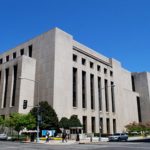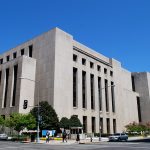
When the D.C. Superior Court fully reopens for trials once the coronavirus crisis has subsided, the court will have a broader pool of jurors to call on than in the past, thanks to new changes to its jury policies.
On Monday, Chief Judge Robert Morin announced that residents who have felony records will now be eligible to serve on petit, or trial, juries in criminal and civil cases just one year after they’ve completed their sentences, the minimum period allowed under District law. Previously, people who were convicted of felonies weren’t able to serve on D.C. juries for 10 years after they completed their sentences, barring many returning citizens from participating in the administration of the courts.
“Jury service is a fundamental civic duty and an opportunity for all citizen[s], regardless of their background, to participate in our civil and criminal justice systems,” Morin said in a statement. “This change will make juries more representative, advance due process and allow returning citizens to more fully participate.”
A 10-year restriction remains for grand-jury service for residents with felony convictions, according to the Superior Court’s updated jury policies. (Unlike petit juries, grand juries determine “probable cause” to believe whether a defendant committed a crime, and, if there’s enough evidence, return indictments.)
The new regulations state that those who have felony records “may be deemed qualified by the Clerk to serve as a grand or petit juror based on the juror’s certification [that the required period has passed] and, if necessary, other competent evidence.” The regulations allow for the court clerk to request “additional [qualifying] evidence” from such potential jurors.
Criminal justice advocates, including the D.C.-based Council for Court Excellence, had pushed for the change for years. And in a tweet after the change was announced, Ward 6 Councilmember Charles Allen, who chairs the local legislature’s judiciary committee, said this was “a great step forward enfranchising returning citizens.”
The court isn’t summoning any jurors at the moment as a result of the COVID-19 pandemic. But certain proceedings, such as hearings on temporary restraining orders, arraignments of adults, and family court affairs, are still happening in remote settings, with 19 courtrooms operating as of May 18. Court officials have said they expect to add more case types, and that “non-emergency matters scheduled through June 19 will be rescheduled.”