 Jordan Pascale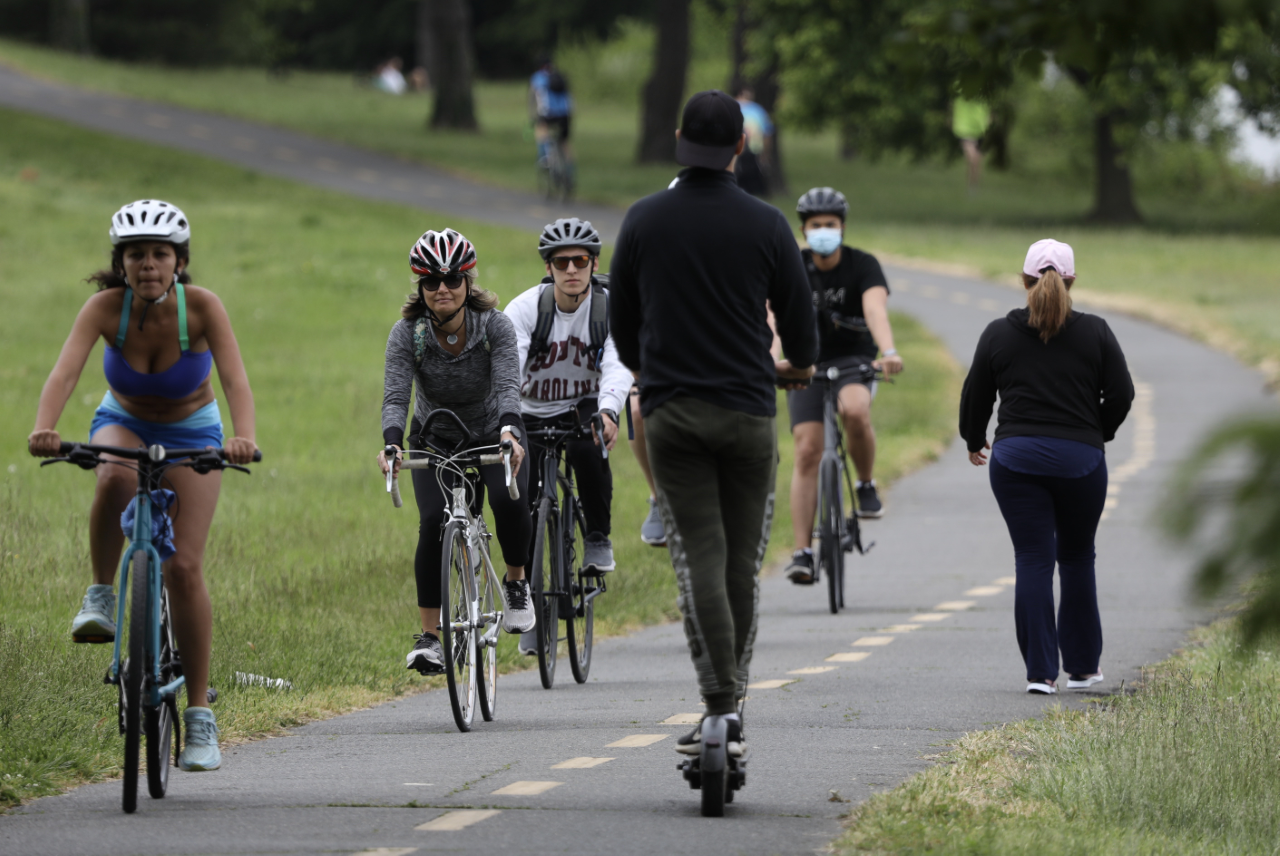
A sweeping plan to nearly double the miles of trails in the region was approved by the Transportation Planning Board Wednesday, though those trails won’t likely be built out for years or decades.
The TPB is a regional, long-term planning body and it works with local, state, regional, and federal partners to coordinate future plans among its 23-member jurisdictions.
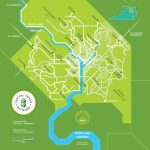
The National Capital Trail Network plan outlines the 645 miles of trails that currently exist, and lays out the ambitious goal of 1,400 miles in total. It opens streams for funding through the region’s Transportation Alternatives Plan, though it’s unclear exactly how much will be available. And the actual build-out will be up to individual jurisdictions, which already have the trails in their individual master plans.
The multi-use, paved trail system can be used for walking, running and biking and for recreation or commuting.
“This is a relatively low-cost way we connect the different and distant parts of the region,” TPB Chair Kelly Russell of Frederick said last month. “These are the type of transportation investments that provide not just commute options, but improves the quality of life and advance sustained means of travel for work and non-work purposes.”
Virginia appears to have more of the built-out trails, while Prince George’s County in Maryland has the most planned trails.
The effort started in 2014 as a “bicycle beltway,” with the aim of creating a ring around the District. That idea expanded in 2016 when the Washington Area Bicyclists Association and the Capital Trails Coalition sought to create a plan for the larger region.
In 2018, the TPB adopted the idea to create a plan for all of its member jurisdictions, stretching from Frederick to Charles counties in Maryland and from Loudoun to Prince William counties in Virginia. A draft map was released in January, and it will be updated annually.
Michael Farrell, a planner with the TPB, says the full wish-list would give regional trail access to four million residents in the region.
“Once we get those connections made… having a complete, interconnected network where you can get on to low-stress facilities within a relatively short distance of your home and go to almost anywhere else in the region is going to be really transformative, really valuable in terms of reliable, accessible, low cost, healthy transportation,” Farrell said.
The trails already mapped are long-distance trails and don’t include many local or on-street bike lanes. To be included, existing trails must be at least eight-feet wide. New construction must be at least 10-feet wide, and they also must have connectivity to the overall regional network.
“This is meant to be accessible for all ages and abilities, designed for non-motorized use and suitable for both transportation and recreation,” Farrell said at June’s meeting.
This story was updated to correct the spelling of Michael Farrell’s last name.