This story was updated at 6:05 p.m. on August 7.
In just over a week’s time, five D.C. universities scaled back their reopening plans for the fall semester.
Four schools — American, Howard, Georgetown and George Washington Universities — announced they would shift all classes online, while the Catholic University of America plans to slash the number of students who can live on campus and take their classes in-person.
“Nationally, we continue to see COVID-19 cases rise, with an increasing infection rate among young people,” Howard president Dr. Wayne Frederick wrote in a letter to the university community on Friday. “We have also grown more painfully aware of the disparate impact of COVID-19 infections, hospitalizations and deaths among people of color, with particular devastation on the Black community.”
The requirement that people arriving to the District from coronavirus hotspots quarantine for 14 days was also a factor in the decision, according to the letter.
“More than 40% of our undergraduate students come from a state that is currently listed as a hot spot state, thus requiring 14 days of quarantine upon arrival to campus,” Frederick wrote. “This is already a difficult challenge to manage, but is additionally complicated as the list of hot spot states is updated frequently.”
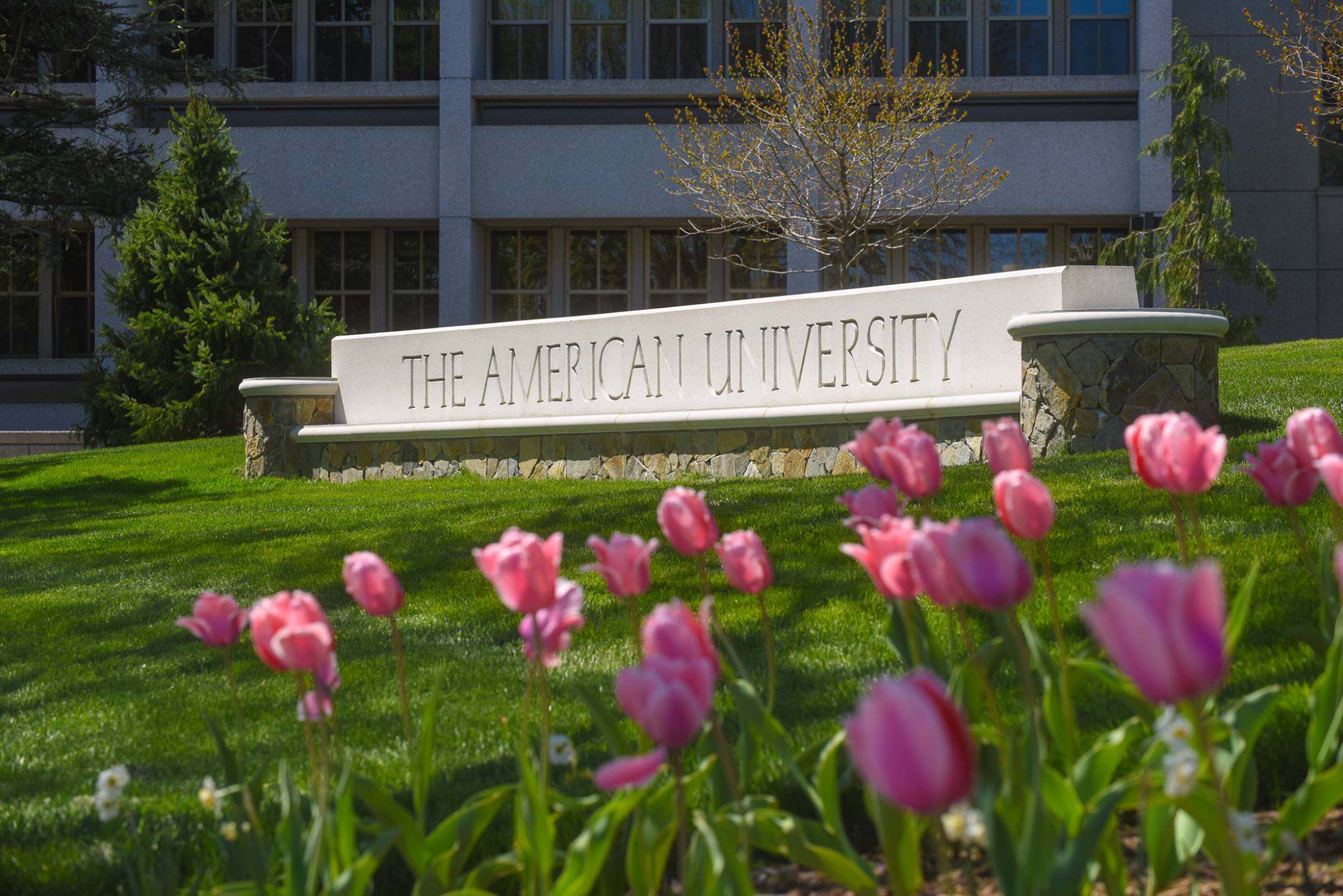
American University announced on July 30 it was retreating from plans to offer a “blended combination” of in-person and remote courses. Instead, all classes will be taught online and only students “who face extraordinary circumstances” will be offered campus housing.
In an email to the university, President Sylvia Burwell wrote that case numbers are rising and said the strained testing system was an obstacle to managing the public health crisis. (American University holds the license to WAMU.)
Burwell also cited the impact of D.C.’s new 14-day quarantine order that applies to people from 27 states. Area K-12 schools going online for the fall term is also affecting faculty and staff, she said.
“These evolving health conditions and government requirements now compel us to adjust our plan and offer fall semester undergraduate and graduate courses online with no residential experience,” Burwell wrote. “This difficult decision is not what any of us hoped for, and we know you are as disappointed as we are.”
American University will also discount undergraduate and graduate tuition by 10%, waive certain fees and cancel housing contracts, in light of the changes to fall plans. The school had previously added $13 million in financial aid, Burwell’s email says.
Local universities began releasing reopening plans in late spring and early summer when infections were dropping in D.C. and the rest of the country seemed to be turning a corner. Since then, infections have spiked, with more than 50,000 new cases a day most days in July. D.C. has not seen the same huge uptick that states in the West and South have experienced, but college students, of course, come from all over the country.
Mayor Muriel Bowser imposed an order on Monday requiring people traveling to D.C. from states deemed “high risk” to self-quarantine for 14 days, including students. Universities that choose to open campuses must inform D.C. health officials about students who are in quarantine, Bowser said Wednesday.
Burwell said she had to consider the impact that bringing thousands of people back to AU’s campus would have on the D.C. region and its hospitals.
“Younger people comprise an increasingly large number of new cases and we have seen outbreaks at universities across the country as students return to campuses,” she wrote, “While our safety preparations can effectively manage a significant number of confirmed cases within our campus, the external health environment will affect our community regardless of our precautions.”
American University previously announced the potential for $100 million in lost revenue and increased costs, and that number will likely grow with online-only classes, Burwell wrote.
Georgetown University announced similar plans Wednesday to hold all classes online. President John J. DeGioia said the school will offer in-person instruction “as soon as health conditions permit.”
“Due to the acceleration of the spread of the virus and increasing restrictions on interstate travel we cannot proceed with our original plans for returning to campus this fall,” DeGioia said in a letter to the community on Wednesday.
He said the District’s travel restrictions “reflect a growing awareness and concern about the accelerating spread of the virus in the United States and the speed at which COVID-19 test results can be delivered.”
Georgetown planned to have 2,000 undergraduate students live on campus, including members of the freshman class. It also planned to offer a mix of in-person and virtual instruction when the academic year starts on August 26.
Earlier in the week, George Washington University officials announced it would hold virtually all fall semester undergraduate courses online, with “limited exceptions.”
“Many in our community have worked tirelessly to prepare plans for the fall,” GW administrators wrote at the time. “Most recently, we have been reviewing these plans in the context of some very important considerations: the latest data on the resurgence of COVID-19 cases in many areas of the country, guidance from our public health experts, and impact on our residential experience.” The statement also cites “growing unease among our faculty about in-person instruction and among our students about living on campus.”
George Washington will allow some students with extenuating circumstances to live on campus but they will attend classes online, President Thomas J. LeBlanc and other administrators said in a letter to students.
“We know just how much many of you were looking forward to being on campus this fall, and we understand that this news is disappointing,” the letter said. “However, we must always make the decisions that best support the health, safety and care of our community while fulfilling our core academic mission.”
Both Georgetown and GW have announced 10% tuition reductions for undergraduates who cannot return to campus.
Catholic University on Friday became the latest university to scale back its reopening plan, though the school still plans to let a “smaller cohort” of freshmen and some transfer students live on campus and take classes in-person.
Most upperclassmen will take their courses online, according to a letter from university president John Garvey. He said a small number of resident assistants, international students and students with extenuating personal circumstances may also be allowed to return.
New student orientation and the first two weeks of classes will take place online, so that students from high-risk states can complete the District’s required 14-day quarantine.
In May, Catholic University became one of the first local schools to announce it planned to reopen for the fall semester, but Garvey said the trajectory of the virus has forced the school to change course.
“I understand this is disappointing news, because it is disappointing to us,” Garvey said, “We remain confident that we can attend property to a small cohort, while providing our freshmen with the best possible transition to college.”
University of the District of Columbia and Gallaudet University have planned on offering virtual classes only since June.
How D.C. Universities Are Planning To Hold Class This Fall:
American University: Originally, the plan called for reopening campus on August 21, with “a blended combination of face-to-face or online instruction and purely online instruction.” On campus housing is available to 2,300 first-year and sophomore students, all in single rooms. But that changed on July 30, when the university announced it would go online-only.
Catholic University of America: CUA announced in May it would reopen in the fall with in-person classes. On July 31, the university announced it will limit the number of students who can live on campus and take in-person classes to freshmen and some transfer students. Classes will start a week early — on August 24 — and in-person classes will end at Thanksgiving break to minimize student travel.
Gallaudet University: The university president announced in early June that the fall semester will begin with remote learning. Gallaudet has a plan with three phases of reopening, but with no timeline. The next phase will introduce “a mix of remote and face-to-face elements.”
Georgetown University: The university originally planned for classes to begin with “a hybrid and flexible format,” with students participating both online and in-person. It has backtracked from those plans for the fall.
George Washington University: GW originally planned to reopen with some in-person learning, in an announcement on June 2. That plan was changed to all-online learning in a July 27 announcement.
Howard University: Howard considered bringing students back to campus, but changed course on August 7. The university will offer its fall semester classes online. Residence halls, with the exception of apartments in The Axis building, will be closed.
Trinity Washington University: The small Catholic university plans to hold 62% of courses online, 22% hybrid, and 9% in-person.
University of the District of Columbia: UDC plans to start the semester on Sept. 8, two weeks later that initially scheduled, with all instruction conducted online.