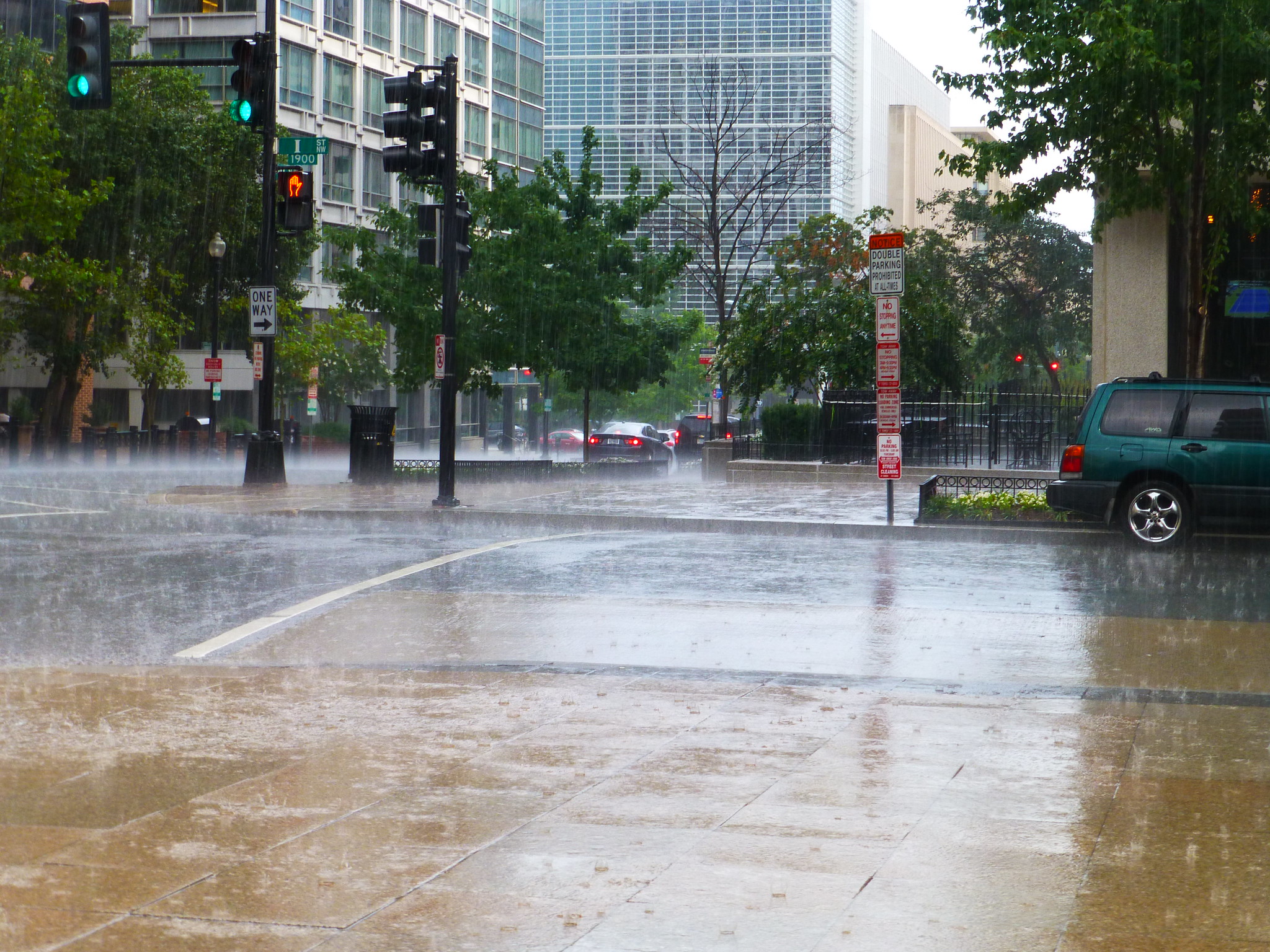
Tropical Storm Isaias is expected to bring life-threatening flooding and high winds to the D.C. region as soon as Monday night. The storm would be cause for concern under normal circumstances, but during a pandemic, it calls for unique emergency preparedness measures.
D.C. Homeland Security and Emergency Management Agency Director Christopher Rodriguez says the agency has been planning for a “COVID-influenced hurricane season,” meaning that shelter and mass care plans take Mayor Muriel Bowser’s mask requirements and social distancing into account. (The city has already implemented these changes in its cooling centers during recent heat emergencies.)
“We have been very adamant about making sure that resources go where we can protect life, property, and public safety,” Rodriguez told DCist/WAMU, noting that the region may experience a historically active hurricane season.
The National Weather Service has issued a tropical storm warning for D.C. and the region, warning that the city could see minor wind damage, with gusts of 45 miles per hour, possible winds as high as 57 MPH, and scattered power outages.
The region could also see between 3-6 inches of widespread rainfall, according to an NWS advisory.
The storm has already impacted coronavirus testing in D.C. Bowser tweeted on Monday that, because of the inclement weather, the city’s firehouse COVID-19 testing sites would be closed on Monday, while other sites would close early, and that all testing sites will be closed on Tuesday.
While the city’s hospitals and emergency resources and have been strained by the pandemic, Rodriguez says public safety and emergency response remain “paramount,” and HSEMA has incorporated new health protocols into its hurricane guidance for residents.
Before the start of expected inclement weather, the city recommends packing emergency kits with enough supplies to last at least three days, including water and food, a first aid kit, important documents like social security cards and emergency contacts, and other items. During the pandemic, Rodgriguez urges Washingtonians to include face masks, hand sanitizer, soap, and disinfectant wipes in their emergency kits. The agency has also added COVID-specific tips to its website.
He advises locals to still take typical steps to prepare, like bringing objects inside that could blow away, and charging electronic devices before going to bed Monday night in case of power outages.
After hitting parts of Puerto Rico and the Dominican Republic, Hurricane Isaias battered the Bahamas on Saturday, leaving the country with flooding and downed trees and power lines, according to the New York Times. Isaias was downgraded to a tropical storm later that day before it made its way to Florida, where it scraped the coast.
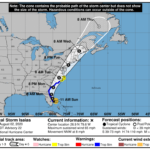
The National Hurricane Center forecasts that the storm will strengthen into a hurricane and hit the Carolinas late Monday, weakening as it moves across the mid-Atlantic region.
Rodriguez says over the next couple of days, “we’re asking residents [to] stay inside, make sure that you’re taking care of yourself,” in more ways than one.