Matt Blitz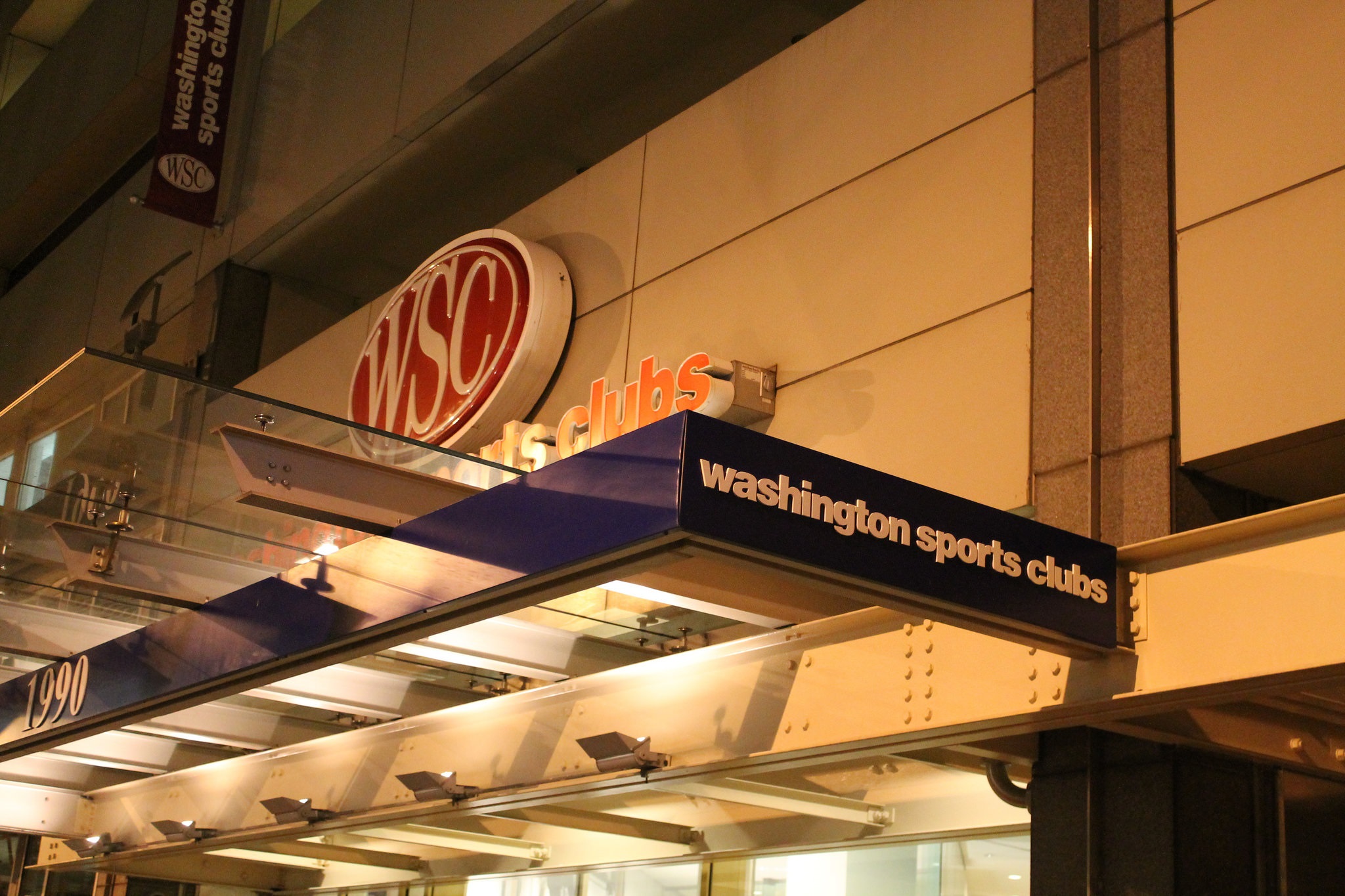
The D.C. Superior Court has granted a temporary restraining order preventing Washington Sports Club from collecting fees on September 1 from customers that canceled their membership between March 17 and June 22.
Customers should have also received a confirmation email of the cancellation. The gym, operated by Town Sports International, currently has four D.C. locations.
“The Court is satisfied that the District has shown a [temporary restraining order] is warranted to prevent ongoing unlawful trade practices,” reads Judge Yvonne Williams’s order, which was published Friday.
At a preliminary injunction hearing on September 23, the company must address how it will credit consumers who were charged during the three-month period that the gyms were closed, a spokesperson for the D.C. Office of the Attorney General tells DCist.
Stuart Steinberg, general counsel for Town Sports International, says this is something the company has already done for those that canceled their membership during those three months gyms were forced to close in accordance with D.C. Mayor Muriel Bowser’s March executive order.
“All those members have already been terminated and we have not been taking their money with the possible exception of one or two that may have fallen through the cracks,” Steinberg said.
The D.C. Attorney’s General Office contests this claim. A spokesperson from the office says that, while submitting the motion for a temporary restraining order, D.C. also provided evidence that showed TSI failed to process customer cancellations even when the customer did receive a confirmation email.
In addition, the office is also claiming that TSI improperly charged many of the customers on August 1, necessitating the temporary restraining order to prevent this from happening again on September 1.
This ruling comes on the heels of a lawsuit filed earlier this month by D.C. Attorney General Karl Racine alleging the gym has not processed membership cancellations or credited fees paid back to members as promised. This was due to WSC allegedly not fulfilling a promise they made in April. The company said it would credit fees back to customers and allow members to cancel without penalty.
This promise came after Racine and attorneys general from New York and Pennsylvania sent a letter on April 4 telling the company to stop charging customers for memberships they were unable to use due to the coronavirus shutdown.
Racine told DCist/WAMU that his office received more than 50 complaints.
“Unfortunately, we’ve got a raft of complaints that Washington Sports Club once again has broken its promise. The job is to do what we’ve done the last time, which is bring suit and have a court make Washington Sports Club honor their promises to their consumers, ” D.C. Attorney General Karl A. Racine said in April.
Steinberg disputes this. He says they’ve made it very clear to members in correspondence how they could cancel, by either going through the website or by sending a letter to the club.
He said “99 percent – if not 100 percent – of the people that canceled, we were not drafting their monies.”
Steinberg says the temporary restraining order is not a victory for either side.
“The judge basically ordered what we have already agreed to do and have been doing,” he says.
The confusion, he says, may come from the fact that a member may not have canceled correctly, which means they wouldn’t have gotten an email confirmation. He encourages anyone who thought they canceled but didn’t get a confirmation to approach the company directly.
This legal fight between D.C. and the gym didn’t just begin this year.
In January 2019, the Attorney’s General Office filed a lawsuit alleging that WSC employees told prospective members that they could cancel at any time by simply telling a gym employee their request. But that allegedly wasn’t true, with the contract requiring cancellations to be done in writing with 30 days notice. Members ended up being charged fees while thinking they had canceled.
In late 2016, WSC cancellation and membership issues also resulted in the OAG’s involvement.
It appears similar practices have continued to happen years later, in 2020, and during a pandemic with D.C. members reporting they’ve had to go on a “wild-ass goose chase” to cancel their memberships.
“If [D.C. OAG] knows of anybody… that we may have missed, we are happy to cancel,” says Steinberg. “Member satisfaction is the most important thing to us.”
This story has been updated with comments from the D.C.’s Office of the Attorney General.