Colleen Grablick
Updated on Sept. 2 at 7:50 a.m.
A new D.C. committee recommended renaming, removing, or contextualizing more than 50 different government-owned spaces in the city, after studying the history of racism and oppression behind the namesakes.
The working group, known as DCFACES (District of Columbia Facilities and Commemorative Expressions), was commissioned by Mayor Muriel Bowser and began meeting in July. It identified figures like Thomas Jefferson, Francis Scott Key, Ben Franklin, and George Washington as problematic candidates for public-works dedications.
Following harsh criticism from various conservative figures and the White House, on Tuesday evening the Bowser administration removed recommendations related to eight federal sites from the end of the report linked on the city’s website, shrinking it from 24 pages to 23.
“Mayor Bowser has asked the [committee] to clarify and refine their recommendations to focus on local DC,” mayoral spokesperson LaToya Foster said in an email to the Washington Post, adding that Bowser wanted to avoid confusion over the recommendation for federal monuments, which was “contextualizing, not removing.”
DCFACES looked at more than 1,300 D.C. government-owned assets, basing their review of the historical figures on five key factors: “participation in slavery, involvement in systemic racism, support for oppression, involvement in supremacist agenda, and violation of D.C. human rights laws.”
Three different committees within DCFACES— engagement, policy, and research — were dedicated respectively to seeking out public opinion from residents and stakeholders, reviewing policies for renaming or removal, and gathering information on the individuals. More than 2,300 D.C. residents filled out an online survey on renaming.
According to the group’s executive summary of its finding, a public survey named 65 different public spaces and commemorative works for consideration.
“We started this process by listening to residents. A vast majority of the people we heard from agreed that the District should take action on public namesakes that are inconsistent with our DC values,” reads a statement from DC Public Library Executive Director Richard Reyes-Gavilan, who was co-chair of the committee. “But we didn’t just hear from residents about what they don’t like; we also heard from residents about people they would like to see honored in our city. And one thing was clear: DC residents consider being the namesake of a public asset a high honor that should be reserved for esteemed persons with legacies that make DC proud.”
The places under consideration were divided into three categories: learning, living, and leisure environments (schools, residential buildings, and libraries); public spaces (parks, government buildings, and streets); and commemorative works (statues and memorials).
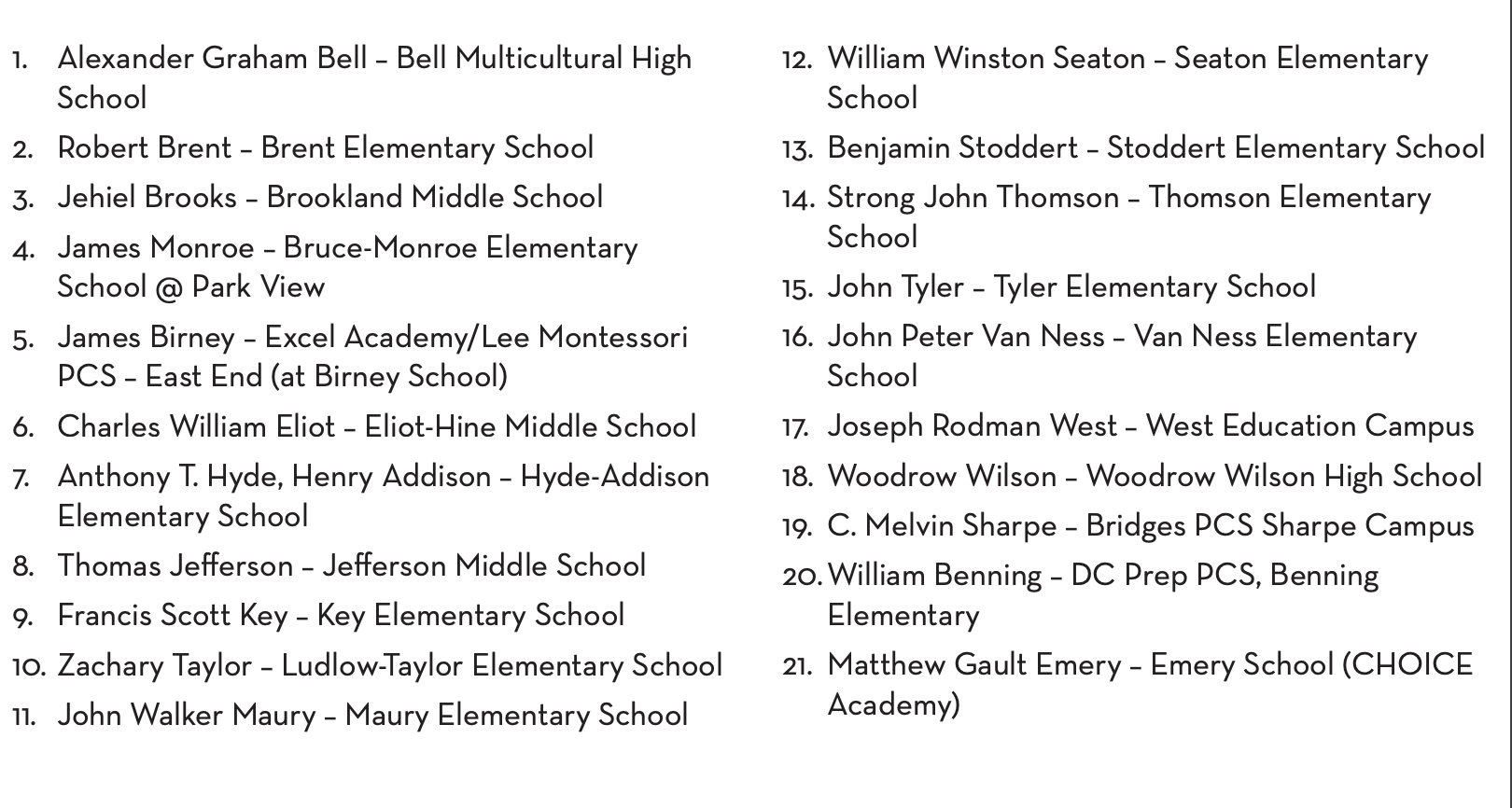
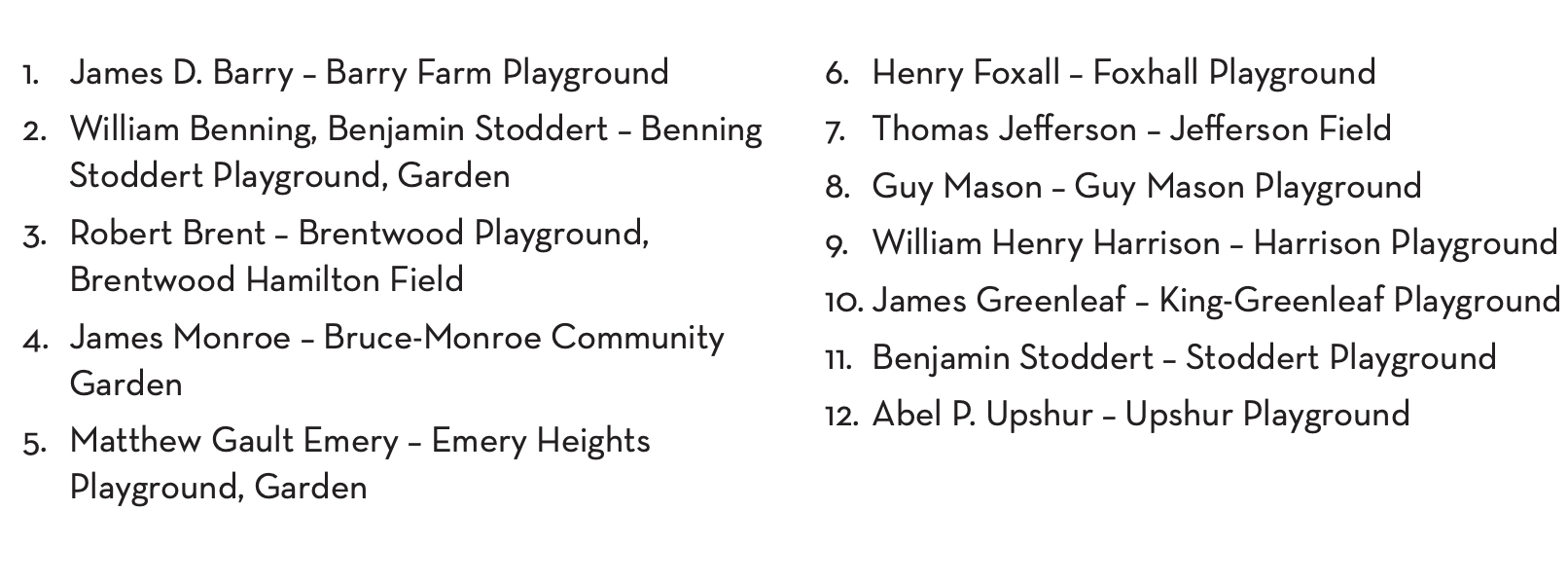
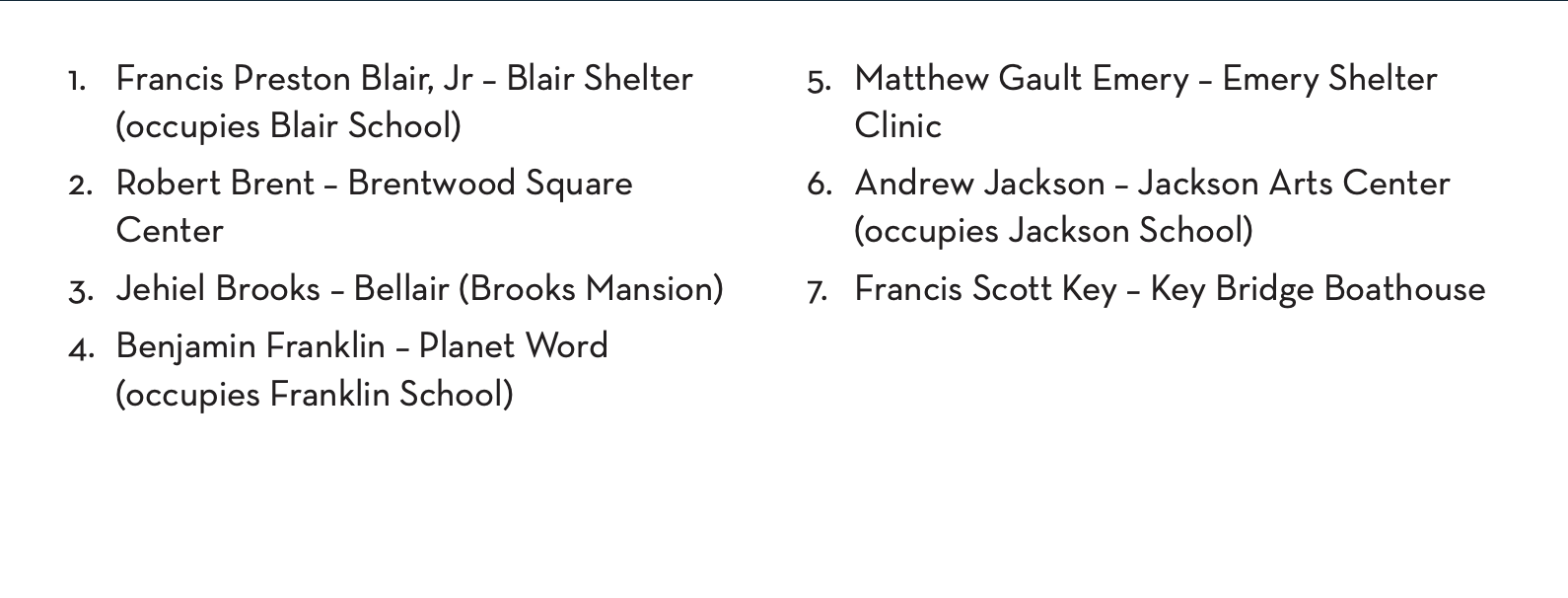
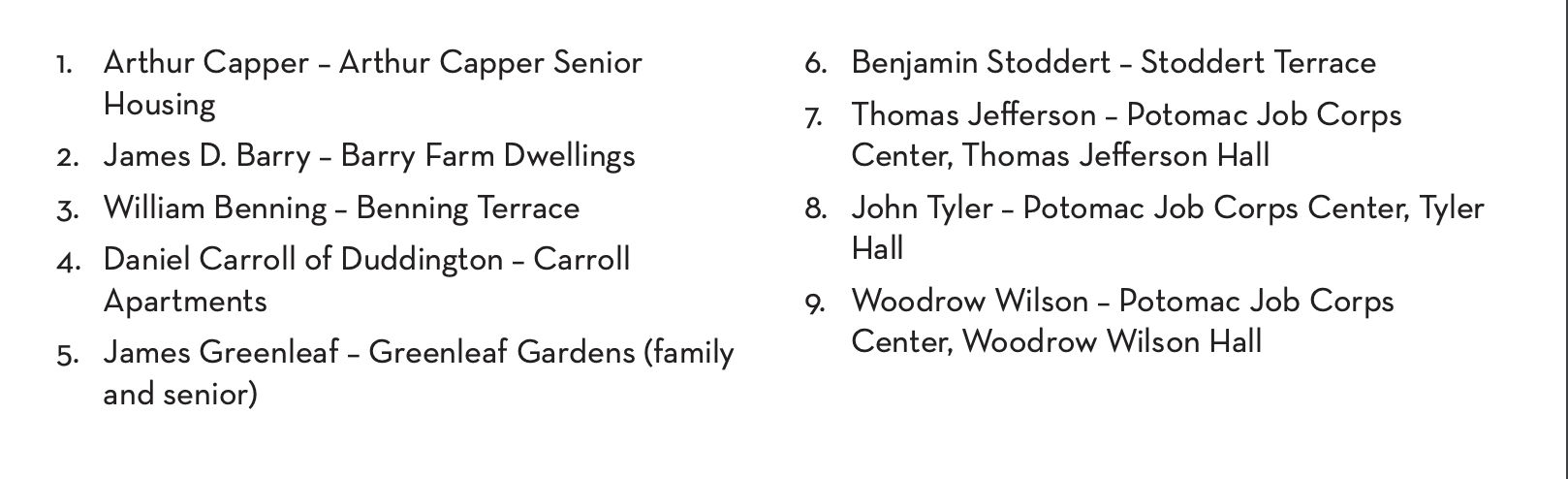
Twenty-one different public and charter schools in D.C. were identified for renaming, including Woodrow Wilson High, a school that’s been at the center of a renaming discussion. Nine residential buildings, 12 parks, and playgrounds, and seven government buildings were also flagged. The working group lists eight different statues and memorials for relocation, removal, or contextualization — including the Albert Pike statue that was recently torn down by protesters, and the Jefferson Memorial.
On Twitter, some right-leaning voices opposed the recommendation, and in some cases mischaracterized the news and suggested Bowser wants to remove sites like the Washington Monument.
According to the Washington Post, in a statement the White House called Bowser “the radically liberal mayor of Washington, D.C.,” and said “President Donald J. Trump believes these places should be preserved, not torn down; respected, not hated; and passed on for generations to come.”
Arkansas Sen. Tom Cotton, who has been an outspoken critic of Bowser and the overall response to protests this summer, said the monuments are not for the city to remove but belong to America. Others said the move could result in the erasure of history and characterized it as “insanity.”
https://twitter.com/TomCottonAR/status/1300875612178051072
Renaming or removing the assets (unsurprisingly) comes with bureaucratic red tape, and in some cases, would cost the city thousands of dollars. The report states that it typically costs between $5,000-$15,000 to rename a recreation center and between $500,000 to $1 million to rename middle or high schools. Renaming federal property would require a bill in Congress, and hearings from House and Senate committees.
In addition to its renaming and contextualizing recommendations, the group outlined ways to “fortify DC values” when dedicating public works going forward. Its research showed that 70% of the city’s assets are named for white men, many of whom did not live in D.C.
When looking to rename, the report states that “priority should be placed on ensuring future assets, especially and including those recommended for renaming, include more women, people of color, and LGBTQ Washingtonians.”
To move the initiatives along, the committee wants to appoint a D.C. state historian, work with the city’s commemorative works committee, and “streamline” approval processes through a mayoral order.
Christian Zapata and Julie Strupp contributed reporting
This story has been updated to include reactions to the report, and to note that recommendations for federal monuments have been removed.