Matt Blitz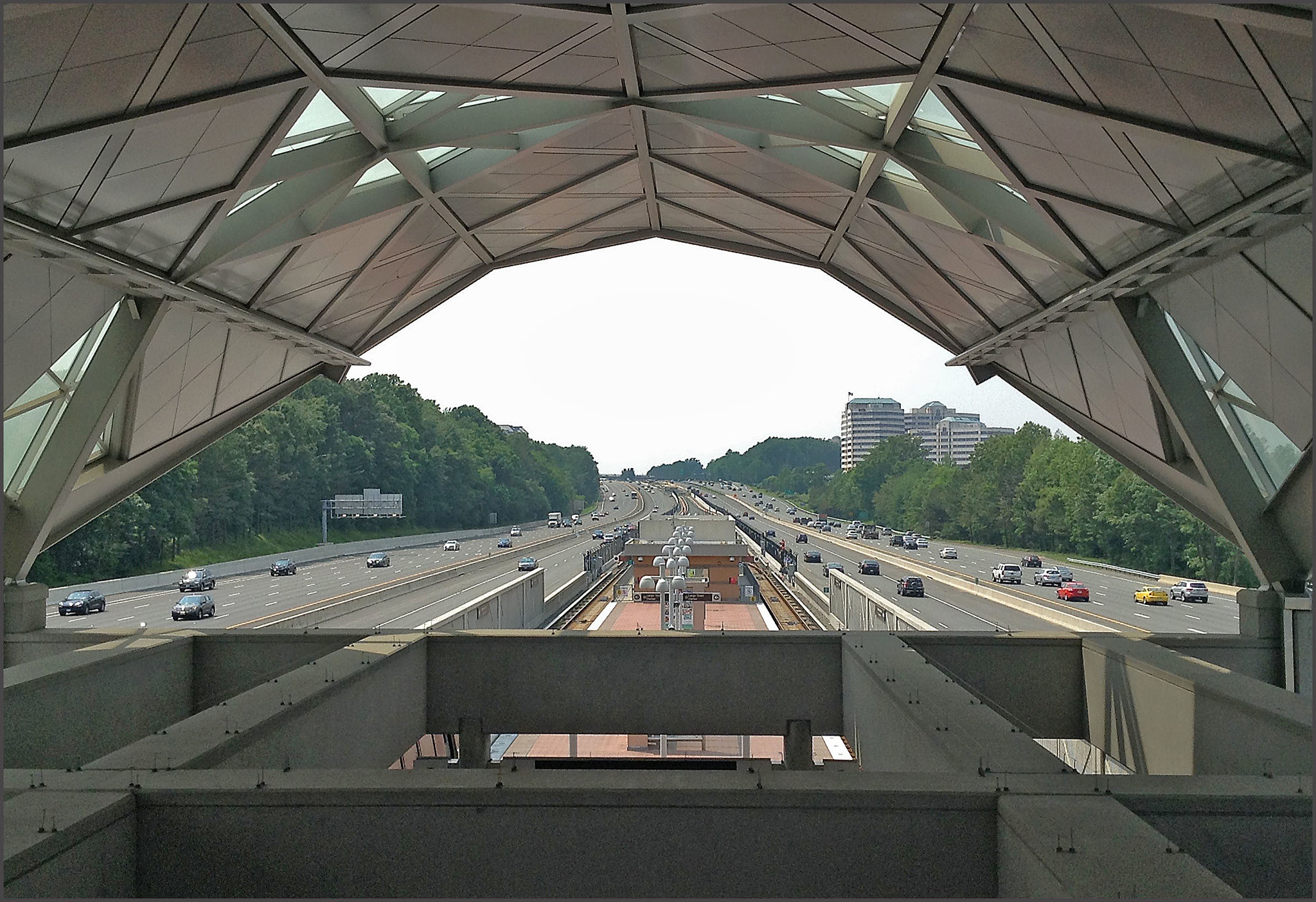
A report from Metro’s Office of Inspector General has found that there are 342 cracks in concrete panels at a number of stations that are part of Silver Line’s Phase 2. The cracks are likely due to the use of faulty materials, the report says.
The report recommends applying a saline solution coating to the cracks every 5 to 7 years, as opposed to 10 as originally thought. This is “not a perfect solution,” the report says, but “sufficient.”
The report also says the amount of money in escrow from the contractor for the repairs is “flawed” because it didn’t take in account the need for future repairs and more coatings for these broken concrete panels.
Overall, 184 panels are impacted, or about 11.5% of the total of panels at four Silver Line Phase 2 stations. The stations impacted are Ashburn, Loudoun Gateway, Innovation, Herndon, and Reston Town Center.
Keith Couch of Capital Rail Constructors, which is the group building the Silver Line project, wrote in a statement in response to the report that the issues are “mostly aesthetic,” easily fixed, and common throughout the Metro system.
“The project does not pose any safety concerns, nor does it pose any long-term maintenance issues outside of the ordinary for the Metro system. We have already completed repair of many of the issues that are identified. Any additional remedies required will be completed without schedule delays.”
The evaluation by OIG began two years ago in September 2018. All cracks equal or greater than 0.005 inches must be repaired and inspection of the panels will occur a year after the repairs.
Issues with concrete panels used in the construction of Metro’s Silver Line Phase 2 date back years. In 2016, a whistleblower filed a lawsuit claiming that concrete being used in construction did not meet safety or reliability standards. What’s more, the suit alleges the company that made them doctored testing records and used unapproved materials to cover up the flaws.
That company, Universal Concrete Products, made more than 1,500 panels that were used to build exterior walls at most of the new Silver Line stations.
The lawsuit alleged that the issues could lead to “a significant safety hazard” to riders and negatively impact the walls’ structural integrity due to water erosion and cracking. In early 2019, the contractor paid $1 million to settle the civil case plus the cost of repairs. Universal Concrete Products continued to deny any wrongdoing.
Years later, Silver Line Phase 2 is delayed until at least 2021 and the issues with concrete panels is one of the reasons.
This report was more bad news in a week full of it for the region’s transit system.
On Tuesday, an audit was released by the Washington Metrorail Safety Commission that found Metro’s Rail Operations Control Center to be a “toxic workplace,” filled with “racial and sexual comments, harassment, and other unprofessional behavior” that endangers riders.
In response, a Metro Board board member said that Metro should shut down their control center until staffing, safety, and cultural issues are addressed. If this were to happen, this would effectively shut down the entire system.
Earlier this week, Metro said that a budget shortfall due to the ongoing pandemic will force the system to continue to operate with reduced service while furloughing employees with the possibility of lay-offs if the federal government doesn’t help out with more funds.
Jordan Pascale has contributed reporting to this story and has been updated with a statement from Capital Rail Constructors.