Elliot C. Williams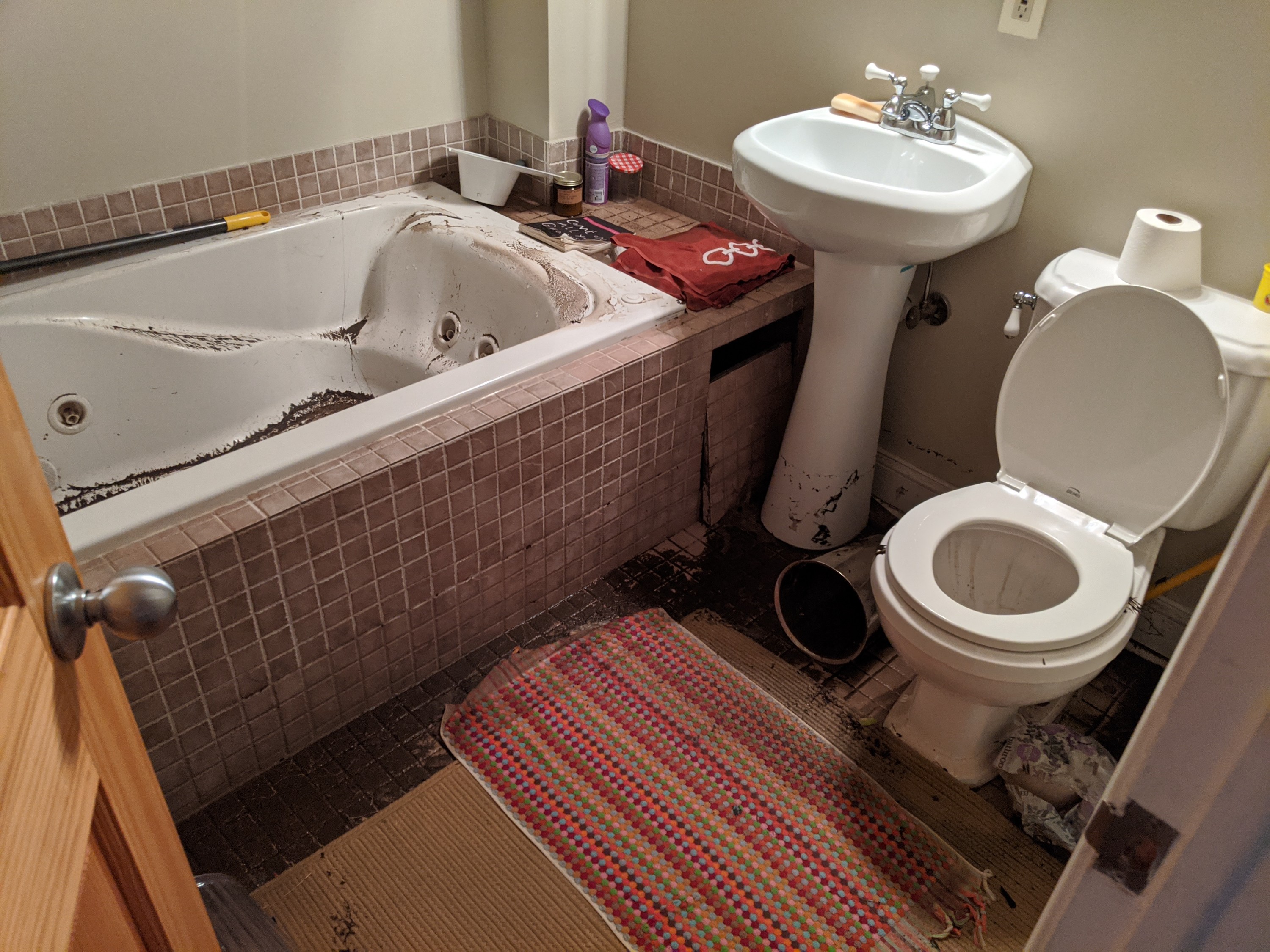
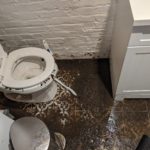
The D.C. Water and Sewage Authority is offering funds to help residents in the Riggs Park and Edgewood neighborhoods who experienced sewage overflow in their homes, as record-setting rainfall and flash floods hit the region last week.
In the aftermath of the flooding, Mayor Muriel Bowser, DC Water general manager David Gadis, and other local officials came out to speak to the Edgewood community, where locals expressed frustration at the city’s overwhelmed sewage system.
At a virtual town hall DC Water held Wednesday night, the agency pledged $1.5 million for clean-up relief — that money is going toward District residents who still need dewatering, cleaning, and sanitizing, up to $5,000 per household. Gadis also announced that the city would expand its program that reimburses residents up to $6,000 who qualify for a backwater valve that prevents sewage backups.
Still, some Edgewood residents say it’s too little too late, especially for those who already shelled out thousands of dollars to gut their homes and handle the water damage in the immediate days following the emergency. Neighbors say at least 30 homes in total were damaged by flooding and sewage backups after last week’s storms.
“Since the hour after it happened, we’ve been calling on the city to help us not only clean up, but rebuild, and nothing in that presentation yesterday said that they were going to help us rebuild,” says Edgewood resident Jessica Sarstedt. “Many of us took it upon ourselves to mitigate our homes, and it’s not clear that we’ll get reimbursed at all. It’s disappointing because seniors have had to wait over a week to get this service, and it’s not even clear how fast they’re going to get help.”
DC Water has pointed residents to its claims process, which points out that it “generally does not pay for cleanup costs or damages that result from sewer backups.”
During the town hall presentation, the agency pointed out that the District’s sewers date back to the late 19th century and that it is making notable progress in its Clean Rivers initiative to modernize it. The agency says the ongoing project, which includes the Northeast Boundary Tunnel, will largely prevent such dramatic backups from happening, once completed.
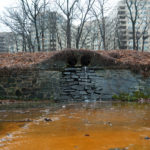
Gadis added that the severity of the Sept. 10 flooding was unprecedented and the damage was not related to construction errors on the agency’s part — the department says that its systems worked as they should, pumping 9 million gallons of flood water to the Blue Plains Advanced Wastewater Treatment Plant. The tunnels filled to capacity and then overflowed to the rivers as designed, per the presentation.
Vincent Morris, a D.C. Water spokesperson, tells DCist in an email that the assistance is intended to “help our most needy population,” namely, seniors and low income residents who couldn’t afford to hire a firm to clean their homes.
“So at this point, the program will help those customers and is not intended to provide retroactive reimbursement to individuals who have already been able to remediate their flood waters,” Morris says.
Some residents say they’ve struggled to get their insurance companies to cover the damage. Sarstedt says that she and other Edgewood residents are calling on Bowser and the D.C. Council to help them find relief funds elsewhere.
“The worst part about it is that we’ve said from the beginning that we need money to rebuild,” says Sarstedt. “Anything less will be considered a failure.”
Previously:
After Sewage Overflows In Edgewood Homes, Neighbors Look For Answers From D.C. Leaders
Flash Flooding In D.C. Area Leads To Stranded Cars, Water Rescues Throughout Region