Before the pandemic, Sam Fitz, co-founder of local cidery Anxo, took note of apple trees he saw around D.C. during his work day, which typically took him all over the city this time of year.
He’d relay that information to his colleagues and staff, who would then help harvest apples for Anxo’s foraged cider, made in smaller volumes than their commercial releases, for “the pure love of cider-making.”
Due to the coronavirus crisis, though, this year is different. “I’ve hardly left Brightwood Park in 12 weeks,” he says.
Since most other folks are homebound, too, they decided to outsource. Anxo is asking Washingtonians to help by foraging apples from trees around the the region for its D.C. Estate cider, a natural cider made by letting the yeast from the skins of the apples perform the fermentation. It’s slated to arrive in the spring.
“Instead of us driving through Capitol Hill and seeing a tree that interests us, maybe the person that has that tree is stuck at home this year and might be interested in working with us,” he says.
To contribute, participants must find an apple tree, snap a photo of it, and email it to info@anxodc.com, along with any other information they have. The cidery will walk people through getting consent from the property owner if need be, and give you other directions (Fitz says ladders or step stools and buckets are helpful to have on hand).
Once people gather the apples, they can bring them to either of Anxo’s locations in Truxton Circle or Brightwood Park during business hours, where the loot gets traded in for cider or other goods. One pound of apples is worth $0.25 in credit.
Fitz says there are a large number of apples that grow in the District. To spot them, he says to use your instincts and look closely at trees. “If there’s hanging fruit in a tree right now, it is very likely an apple,” he says.
To check, he suggests looking for the star-shaped pattern of five seeds that is clearly visible when you cut an apple open, or you can ask Anxo for help with verification. Apples that are “bursting in red color” are likely close to being ripe, but given that a lot of local apples are green, you can tell they are ripe when trees start to drop the fruit.
Fitz notes that there is a period in the summer when trees shed apples they don’t want before it’s time to harvest, and that squirrels can also make it look like trees are dropping apples when they are not. He recommends keeping an eye on the frequency of the drops. “Once you’re getting more than a couple a day, you’re probably getting pretty close to harvest time,” he says.
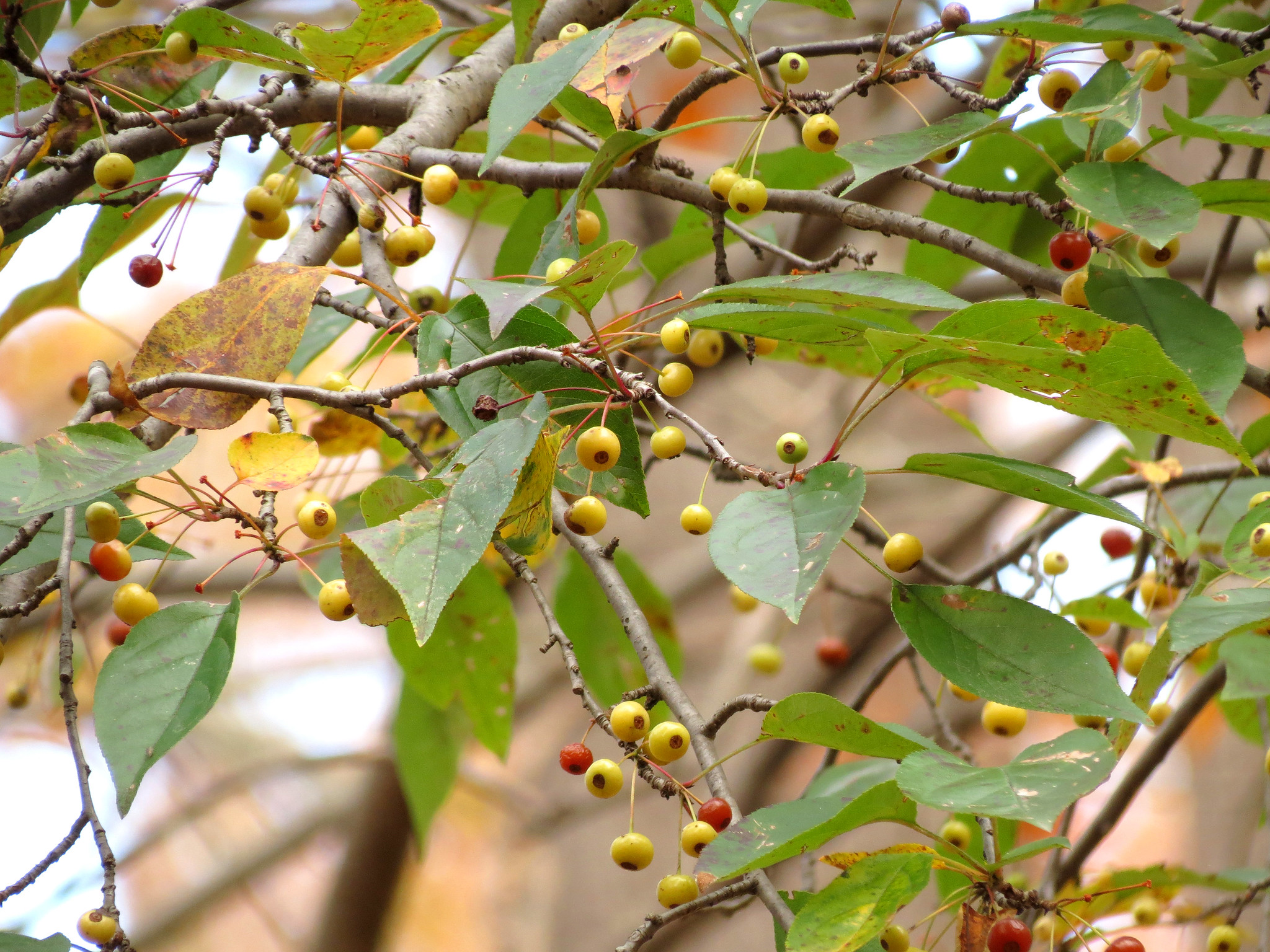
Anxo will accept any usable apples people bring in, but Fitz says crabapples, or apples that are a quarter-inch in diameter or less, are particularly great for making cider, though not all are created equal. He says the crabapples they “really prize” are the ones that are close to a quarter in size, or the size of a cherry.
“Those have the flavor and character of a crabapple that we want but they have enough substance and size to them that they’re easily harvested and easily pressed,” he says.
Fitz says Anxo will be collecting apples primarily in September and October, with the ones they are most excited about dropping during the second or third week of October. People can contribute as many times as they want, but Fitz offers one caveat: “If you bring us terrible apples, we’ll give you the credit and then ask you not to bring us more of them,” he says, laughing.
Those who bring apples will also be added to the cidery’s list of members who will get first dibs on the foraged cider when it’s ready. Fitz also intends to donate a portion of the proceeds from D.C. Estate to statehood initiatives, with more details to come.
He is aiming for an April release, though in the end, the size of the batch and the rollout will be determined by how many apples they get and how they are operating within any remaining COVID-19 protocols.
“Ultimately, we would love to make as much D.C. Estate as we possibly can,” Fitz says. “So if there are people that are energetic and legally going about it, yeah, bring us as many pounds as you want.”