Matt Blitz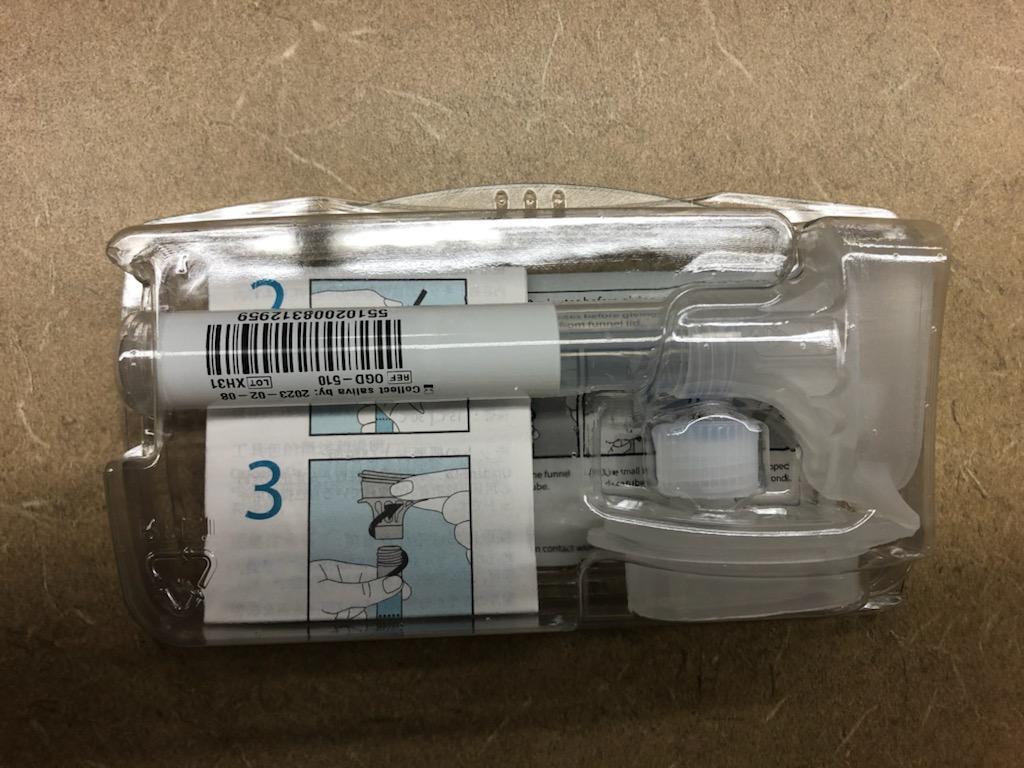
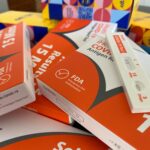
One hundred D.C.-area Safeway pharmacies are now offering at-home COVID-19 tests.
They’re made by New Jersey-based genetics company Phosphorus Diagnostics, which received an FDA emergency authorization for their tests. They are polymerase chain reaction (PCR) tests, which are generally considered more accurate than rapid antigen tests, and are conducted using a saliva sample.
Though some online pre-screening questions are required before purchase, Safeway officials stress that they’re available to all, whether or nor customers are experiencing symptoms.
“Maybe they’re traveling somewhere … or coming back from a hotspot. In some cases, it’s college students [who are going to] schools that are asking for negative tests before going on campus,” says Olamide Banjo, patient care services manager for Safeway. “Those are the majority of patients that we are seeing.”
Individual tests cost $139.99 — a bit steeper than other at-home tests priced between $109-$119 — and are available for pick-up or delivery for an extra $10. Customers mail the tests in a pre-paid package, and results come back in 48-72 hours.
It’s not clear whether a saliva test or the more common nasal swab test is more accurate. An August blog from Harvard Medical School claimed that nasal swabs see fewer false positives, but a recent Yale study revealed that saliva tests may be a “preferable” indicator of infection.
“There isn’t any sort of degradation in performance analytically that is significant between [our] saliva tests and nasal swabs,” says Alexander Bisignano, CEO and co-founder of Phosphorus Diagnostics.
He says the tests have a sensitivity — a metric that refers to the ability to detect the virus — of 97.1% and a specificity — the ability to detect when the virus isn’t present — of 98.2%. PCR tests generally have between 95% to 99% sensitivity and specificity rates.
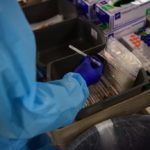
Phosphorus says it’s processing a few hundred tests a day for Safeway (which is owned by Albertsons) and is hoping to double that capacity as the region enters flu season. Safeway officials say they don’t anticipate any supply issues.
“We just launched this program this week,” says Banjo. “It’s anyone’s guess how much of a demand this is going to be.”
In recent weeks, D.C. public testing sites have struggled to meet the demand for testing particularly for those who are asymptomatic. Rapid tests also remain very hard to come by regionally.