 Jordan Pascale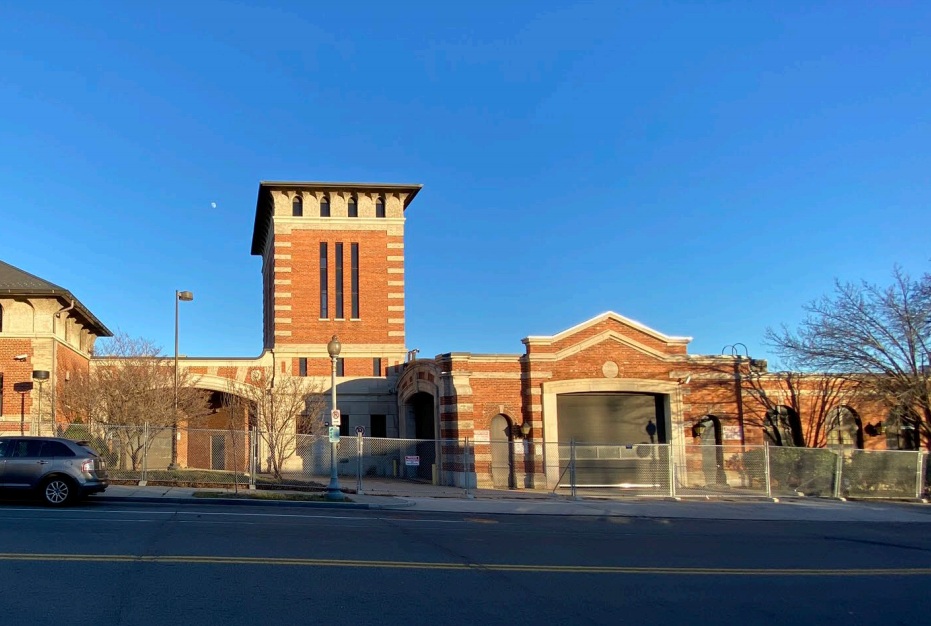
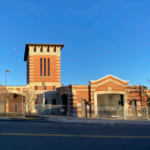
Metro is in the process of reconstructing its Northern Bus Garage in D.C. to once again house 150 buses.
But nearly 100 people, many from the 16th Street Heights neighborhood, told WMATA they don’t want the buses back if they aren’t converted to electric. They say the exhaust fumes and noise is unhealthy for the residential area.
Neighbors say they want to see electric buses when the garage reopens in four years, but that’s far ahead of Metro’s timeline.
Metro board chair Paul Smedberg says he’s not surprised by the outpouring of messages but said the request likely can’t be met. He cited infrastructure issues, jurisdictional cooperation, and cost.WMATA and many smaller transit agencies are testing out the electric bus technology with the help of federal grants.
“It’s a good goal to reduce emissions and improve customer experience,” he said. “(Electric buses) are quieter and better for the neighborhood.”
The Sierra Club recently released a report saying Metro lagged behind other major transit agencies in making a plan to go full-electric. A coalition of groups wants a fully electric fleet by 2045 or sooner.
Smedberg says Metro needs more information before going all in this quickly. He mentioned a pilot that WMATA is undergoing soon.
“We’ll see how it goes so staff can move forward in a more thoughtful way,” he said. “It’s a great first step and a very encouraging sign as (Metro) moves towards an overarching goal of zero emissions.”
Some transit advocates say the technology isn’t ready for primetime and wide adoption yet and that money would be better spent on increasing service now to get more people out of their cars, which would reduce emissions overall. Most everyone agrees eventual electrification is an ideal goal.
Metro staff did not return a request for comment.
The garage at 14th and Decatur Streets NW has been there for more than 100 years. It started as an electric streetcar garage before it was converted to a bus garage in 1959. In recent years, Metro has sought to redesign the aging facility.
And neighbors and businesses, organized as Northern Bus Barn Neighbors, have been putting up a fight at public meetings and with “No Bus Diesel Fumes” yard signs for years. They want the garage out of the neighborhood or electrification.
“You are hurting us and you need to know you are hurting this community,” Esther Williams Yarborough said in a recorded message to the Metro board on Thursday.
She was one of the 95 people who sent messages to the board. Metro did not have time to read all the messages during its meeting.
Russell Clark of D.C. wrote, “It is past time for WMATA to release a transparent plan with concrete timelines for phasing in electric buses for the benefits of the residents of the region as well as the health and eventual recovery of our quickly-ailing planet.”
The group has focused on the diesel particulate matter, which they say is “an invisible soot, carried by fumes emitted by diesel-fueled exhaust.” OSHA says prolonged exposure can increase the risk of cardiovascular, cardiopulmonary and respiratory disease, and lung cancer.
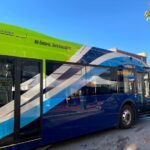
Metro runs a mix of diesel, compressed natural gas, and hybrid buses.
The transit agency says it wants to keep the garage there because it’s near high ridership corridors, which means it lowers the “deadhead” time it takes buses to get to their route. Metro already controls the site and getting approval to build a garage on a new site is extremely difficult, the transit agency said in a presentation.
The plan calls for demolishing the structure behind the historic 14th Street façade and rebuilding a new modern garage behind it. It will also have street-facing retail.
Metro wants a LEED-certified garage that can hold 150 “clean diesel” and hybrid-electric buses and will include infrastructure to house a future electric bus fleet. The transit agency is installing infrastructure to make the garage compatible with electric buses, but it will not have 150 electric buses by the time it opens.
The garage is set for demolition and construction starting in 2022.
An online meeting on the environmental aspects of the project is set for Nov. 10th. Metro’s board is having a general meeting about sustainability on Nov. 19th.