 Mikaela Lefrak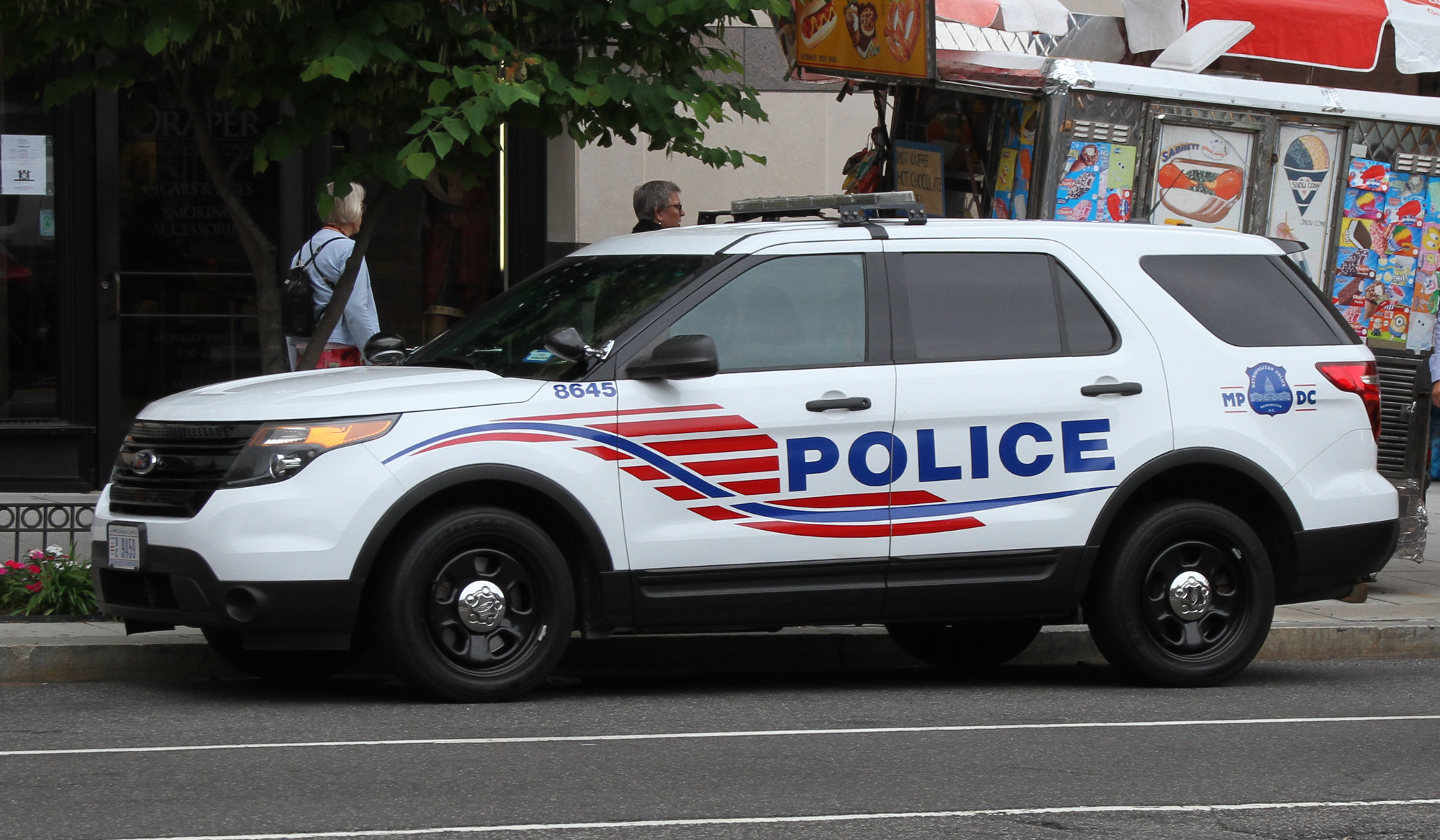
Members of the D.C. Council are pushing back against Mayor Muriel Bowser’s request to redirect $43 million in city funds to the Metropolitan Police Department.
The money would be used to cover the costs of police overtime expenses during the wave of racial justice protests that began in the spring.
Nine councilmembers wrote a letter to interim city administrator Kevin Donahue with questions about how the redirection of funds could affect other city services. They also expressed concern over shifting such a substantial amount of money to MPD while the department is under scrutiny for its policing tactics during the protests.
The bulk of the money — $28.3 million — would come from unspent money within the Department of Health Care Finance. The councilmembers argue the money could instead use be used to modernize the city’s Healthcare Alliance program, which provides medical assistance for residents who aren’t eligible for Medicaid, including undocumented immigrants.
Ward 1 Councilmember Brianne Nadeau tweeted that she believes the money should remain dedicated to healthcare programming. “Assuming we have to pay, we look forward to discussing ways to ensure critical health and human services programs are funded optimally,” she tweeted.
The money would also come from unspent funds from the Workforce Investment Fund ($12.7 million) and the Child and Family Services Agency ($2 million), according to a letter from the District’s Chief Financial Officer.
The councilmembers wrote that the money from the Workforce Investment Fund could have been used earlier in the year to make cost-of-living adjustments for employees. They say the council was previously told that funding didn’t exist to cover these adjustments.
They also claim the council wasn’t aware of extra funds in the Child and Family Services Agency. “Had council known that these funds would be left at the end of the fiscal year, it would have reallocated a portion of them to the Grandparent Caregiver Program, thus avoiding a waitlist for critical financial assistance in the midst of a public health and economic crisis.” Around 35 families are currently on that program’s waitlist.
Reallocating unspent funds is a regular budgetary action that happens following the end of the fiscal year on September 30. “You can certainly reprogram throughout the year [to use unspent funds within your agency’s budget], but not after the fiscal year is over,” Jenny Reed, the city’s budget director, tells DCist/WAMU.
Reed also noted that the $43 million budget gap is due to Congress refusing to reimburse D.C. for the cost of policing “First Amendment demonstrations with a federal nexus,” which it typically does. “We were allocated $18 million [by Congress], but we incurred $61 million in costs,” she says. “And that was driven by the increase in First Amendment demonstrations following the death of George Floyd.”
The Bowser administration and D.C.’s delegate to Congress, Eleanor Holmes Norton, have been unsuccessfully pushing Congress for months for additional reimbursement.
Bowser’s request comes after a summer of massive citywide protests, during which police officers used chemical irritants, flash bangs, and rubber bullets to break up demonstrations. Amid widespread calls to “defund the police,” the D.C. Council in July approved a new budget that represents a $32 million cut from MPD for the next fiscal year.
Nine of the 13 councilmembers signed the letter: Nadeau, Ward 6 Councilmember Charles Allen, Ward 3 Councilmember Mary Cheh, Ward 7 Councilmember Vincent Gray, Ward 5 Councilmember Kenyan McDuffie, Ward 2 Councilmember Brooke Pinto, and At-Large Councilmembers David Grosso, Elissa Silverman, and Robert White.
The councilmembers requested a detailed explanation of the costs incurred by MPD and other public safety and justice agencies.
Reed says her office will be responding to the councilmembers’ concerns.
Previously:
D.C. Mayor Bowser Wants To Move $43 Million To Cover Police Overtime During Racial Justice Protests