Update: D.C. Council Chairman Phil Mendelson said Monday that he is withdrawing a provision originally on this week’s legislative meeting agenda that would end the utility disconnection moratorium.
“We’re actually gonna pull that provision … and work with some folks to refine this so that we really are targeting relief to those who need it, cause that’s what we want to do — we’re all in agreement on that,” Mendelson said during a press briefing. He also said that he wanted to reduce anxiety that the change would hurt locals.
The moratorium, which is currently set to expire 15 days after the end of the public health emergency, will not change for the time being.
Original
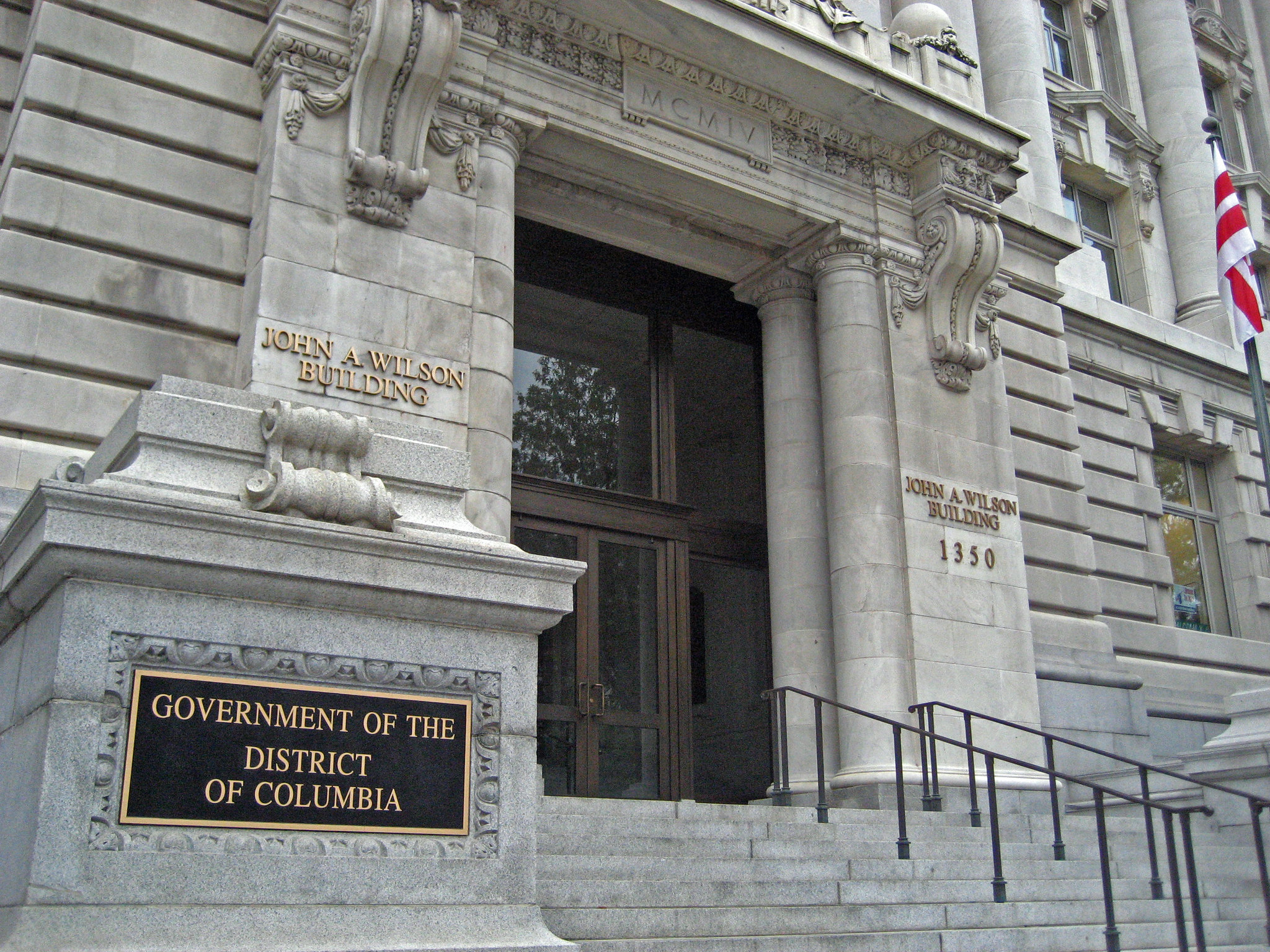
The D.C. Council next week will consider granting Mayor Muriel Bowser authority to extend D.C.’s public health emergency through March of next year.
Amid a surge in COVID-19 cases in the region, the council may extend Bowser’s authority to continue the public health emergency through March 31, 2021 in order to “continue to limit the spread of COVID-19.” That’s according to a request from Chairman Phil Mendelson to add it to the agenda for discussion at the December 15 legislative meeting. Currrently, the public health emergency is set to end December 31.
Among various changes to the Coronavirus Support Temporary Amendment Act of 2020 and associated legislation, is one that would end the current utility disconnection moratorium in the District.
“Utility customers entering into authorized payment plans are currently not subject to service disconnection,” the draft measure reads. “However, some customers have chosen to not enter into payment plans because, under current law, there is a blanket disconnection moratorium. Existing law also already prohibits disconnection of service for non-competitive utilities during periods of extreme temperatures.”
The draft measure proposes ending that moratorium on January 31, to “ensure that utility providers are paid for service, especially providers in the competitive marketplace,” with customers not currently making payments transitioning to a payment plan. Mendelson was unavailable for comment by publishing time.
In an interview with Washington City Paper on Friday, Mendelson said the move was prompted by a realization that they offered duplicate forms of relief for utility customers: the moratorium and the payment plan option. He called the moratorium a “very blunt” approach, that may allow for those who can pay their bills to choose not to, something he said he’d heard secondhand reports of.
“What is becoming increasingly evident, both with utilities and in the rental housing sphere is that we need to try to narrowly focus the protection on those who actually need the protection,” Mendelson told the outlet.
Virginia’s utility disconnection ban expired in October, but Gov. Ralph Northam signed a revised budget last month that included a new moratorium on disconnections, including water and electricity, until he determines economic and health conditions have improved or at least 60 days after the state of emergency ends. A similar moratorium in Maryland ended last month.
The news comes as coronavirus cases continue to rise locally, with jurisdictions implementing a host of new restrictions in recent days and the D.C. area reaching grim milestones. Earlier this week, the region surpassed 500,000 known COVID-19 cases since the beginning of the pandemic, and has now recorded more than 10,000 deaths.
The changes are currently on the agenda for next Tuesday’s meeting.
This story has been updated to add an interview with Chairman Phil Mendelson in Washington City Paper.