Elliot C. Williams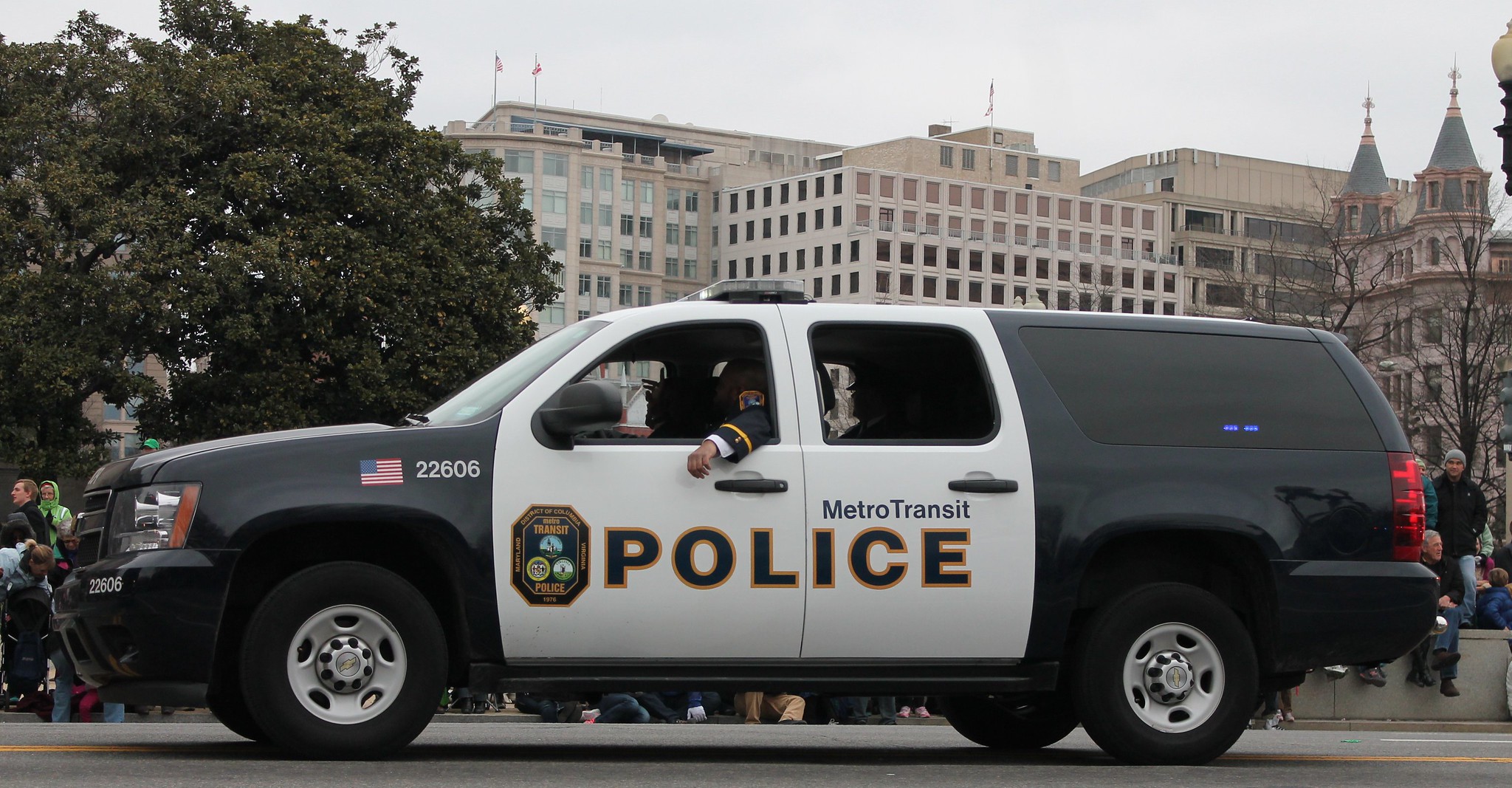
The D.C. Council has approved legislation that will create a civilian complaint board for the Metro Transit Police Department, once identical legislation is approved in Maryland and Virginia.
Called the “Washington Metropolitan Area Transit Authority Police Accountability Amendment Act of 2020,” the bill approves the appointment of a multi-jurisdictional civilian board to review complaints against the 490-member department. The board would have the authority to recommend an investigation into a complaint, refer complaints to mediation, resolve complaints with written agreements, or dismiss them.
“This is a big step in responding to severe uses of force against people of color, and a necessary tool for all police departments,” tweeted At-Large Councilmember Robert White, who co-introduced the bill in September with Ward 6 Councilmember Charles Allen and Chairman Phil Mendelson.
The Council unanimously passed an updated version of the bill during a legislative hearing on Tuesday, part of its rush to pass a slew of bills before the end of the 2020 legislative period. To be fully implemented, identical legislation needs to be passed in Maryland and Virginia, as it would change the interstate WMATA compact between the three jurisdictions.
“I plan to work with our counterparts in Maryland and Virginia to get this broader language adopted by all three jurisdictions as quickly as possible, and I plan to work with Congresswoman [Eleanor Holmes] Norton to advance the compact through Congress,” Mendelson wrote in a memo Monday.
A controversial finding reported by The Washington Post in February showed that Metro Transit Police held weekly contests for arrests and citations in summer 2018. As part of its response, the Metro board established a seven-member oversight panel to review the department’s investigations.
But White said earlier this year that the board-appointed Investigations Review Panel, which only meets once quarterly and has little by way of enforcement capabilities, wasn’t enough. The bill that passed Tuesday prohibits the Transit Police from using enforcement quotas — as in, setting a specific number of arrests or citations — to evaluate, incentivize, or discipline members.
The bill has received little, if any, pushback, and few gave feedback during public hearings this year.
One community member who did testify during a September hearing was Salim Adofo, an Advisory Neighborhood Commissioner who represents the Congress Heights neighborhood in Ward 8. In a phone interview after the bill passed, he told DCist this was a step in the right direction.
“Oversight is always good,” Adofo said. “We’re not going to fix all of the problems that law enforcement has with the way they perform their jobs. But I do think that having the opportunity to have non-law enforcement people — which I would recommend — be a part of the process gives people a different understanding of what it takes to do actually the job of law enforcement.”
In fact, the complaints board will be made of eight civilian members — two members appointed by each jurisdiction, and two members appointed by the federal government.
Adofo said that Black and Brown Washingtonians are generally dissatisfied with how the police treat their communities, and many students in his neighborhood don’t feel safe when they take Metro to school.
“Ultimately, I don’t look at the individuals who are doing some of the acts, I think it’s the institutions and the mindset of how law enforcement is administered to begin with,” Adofo said. “We have a sketchy history with law enforcement, to say the least, and any opportunity we got to actually put some policies in place to move our community forward, I’m all for it.”
Adofo continued, “There’s no way to legislate what’s in somebody’s heart. But you can put some policies in place to try to protect people and to minimize some of the things that will happen.”