Colleen Grablick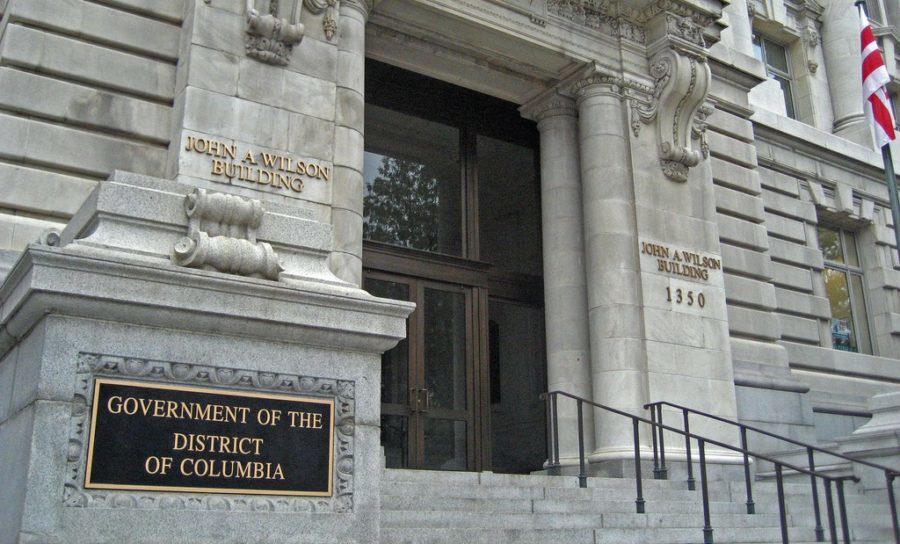
The D.C. Council voted unanimously on Tuesday to grant Mayor Muriel Bowser the authority to extend the city’s public health emergency to March 31.
Should Bowser move to extend, at the end of March the city will have been in a state of emergency for more than a year.
Declaring a state of emergency activates a broad range of powers that enable the mayor to mobilize people and resources more quickly to prevent the spread of COVID-19.
The council’s emergency measure also includes an extension of a moratorium on both evictions and disconnection of utility services until March 31. Chairman Phil Mendelson did not originally plan to extend utility disconnections past January.
Last week Mendelson introduced the extension legislation with a provision that would end the moratorium on utility shut-offs on Jan. 31. In a press conference on Monday, Mendelson said he withdrew that provision, but repeated his claims that individuals who had the ability to pay their utility bills had been taking advantage of the moratorium.
He cited numbers from Washington Gas, stating that 24,000 people were behind on payments, yet only 3,600 of those residents were considered low-income.
“What we’re seeing is that there’s people who have the ability to pay rent or pay their utilities and aren’t because of this moratorium on shut-offs or evictions, and that’s not the intent,” Mendelson said Monday. “The intent isn’t to help people who don’t need help.”
Mendelson also noted that many are not taking advantage of a payment plan option for those behind on bills, a duplicate relief measure. Eventually, in what he said was an effort to relieve residents’ anxieties about possible shut-offs, Mendelson withdrew his proposal for an early end to the moratorium ahead of the council’s vote. But he said he plans to refine relief efforts for residents struggling to make payments.
The vote to extend the public health emergency comes as the city reports more than 300 new COVID-19 cases on Tuesday, and for the first time in the pandemic, more than 10% of the city’s hospital beds filled with COVID-19 patients. For several consecutive days, the city has recorded a positivity rate above 5%, the expert-recommended benchmark for reopening, and on Monday, new restrictions on indoor dining capacity went into effect.