 Dominique Maria Bonessi
Maryland experienced many political firsts in 2020. First time dealing with a pandemic. First time voting predominantly by mail. And, the first new crop of legislative leaders in the General Assembly in a generation.
But much of the state’s politics was dominated by Republican Gov. Larry Hogan, who drew national attention as the COVID-19 pandemic swept the nation in the spring. He squared off against President Trump, engineered a made-for-TV delivery of tests from South Korea (with a made-for-TV plot twist months later), and started laying the groundwork for his future political ambitions.
Later in the year, though, things went off the rails — literally — as contractors abandoned the Purple Line, one of Hogan’s self-proclaimed transportation achievements and an important local link.
Hogan’s response to the pandemic
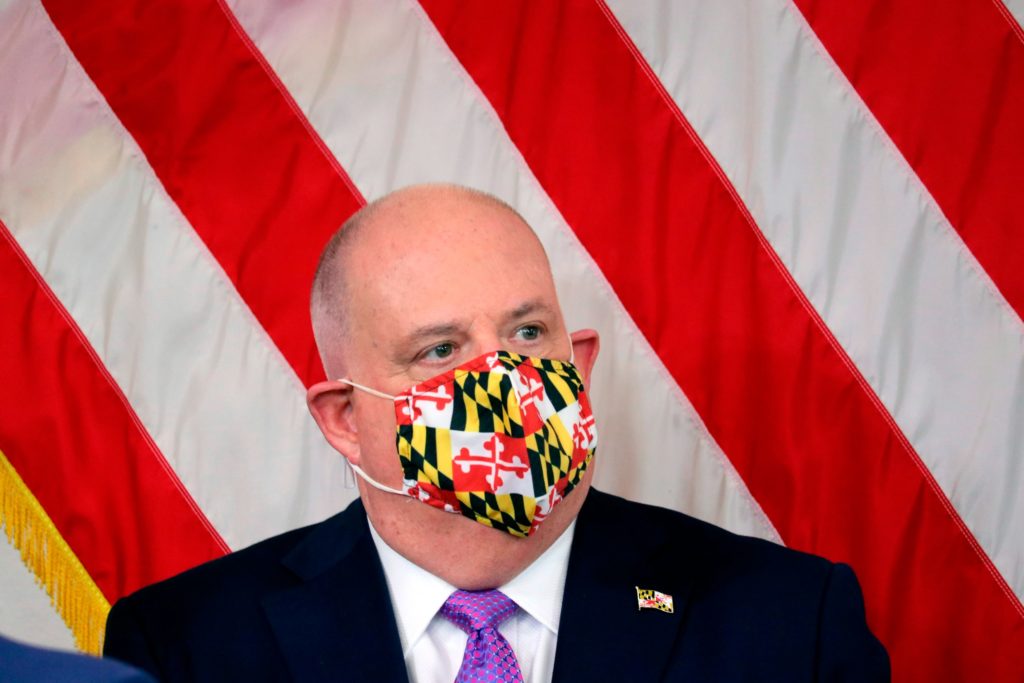
To flatten the curve and combat the spread of COVID-19, Hogan, the former chair of the National Governors Association, gradually began imposing restrictions on businesses and restaurants in early March. At the end of that month, he issued a stay-at-home order which lasted two and a half months. As the stay-at-home orders were ending, Hogan announced a three-phase plan to reopen the state’s economy. However, D.C.-area counties’ executives chose to reopen on a different timeline. This has led to a patchwork of counties’ departments of health imposing and loosening different restrictions as the curve was flattened in May, saw an uptick in the summer months, and then spiked in November due to holiday travel.
The saga of the South Korean test kits
Nationwide shortages of personal protective equipment, ventilators, and test kits early in the pandemic prompted many states to turn inward and figure out how and where to acquire these critical materials. In April, Hogan drew national acclaim after securing 500,000 COVID-19 test kits for $9.46 million from South Korea with the help of Yumi Hogan, his Korean-American wife. On CNN, Hogan went on to criticize President Trump for his lack of leadership during the pandemic, but Trump shot back saying at a press conference that Hogan didn’t understand what was going on and that the kits were a waste of money. And Trump may have been right. While Hogan touted his purchase of the test kits in his memoir, “Still Standing: Surviving Cancer, Riots, a Global Pandemic, and the Toxic Politics that Divide America,” he later came under fire when The Washington Post uncovered that the kits were incomplete and ultimately never used.
Hogan 2024?
Lots of national TV appearances? Check. A new political memoir? Check. You could know nothing about Maryland politics and know that Hogan was following a well-worn path towards some type of run for higher office — potentially a push for the presidency in 2024. As he did during his two successful runs for governor, Hogan spent the year selling himself as a middle of the road candidate and distancing himself from what he derided as Washington’s toxic partisanship. In November, he (again) cast a protest vote, writing in Ronald Reagan instead of opting for Trump, his party’s official candidate.
And some of it seems to be working: Throughout his tenure and the pandemic, Hogan has maintained a job approval rating of 71%, according to Goucher College Polls. However, local Republican politicians have criticized Hogan in 2020 for not reopening the state’s economy fast enough implementing a mask mandate. (They have also derided him as a RINO, a “Republican In Name Only.”) And state political analysts question whether Hogan would be able to run on a national platform, while his party has moved more in Trump’s direction. In 2019, Hogan weighed the possibility of running for president in 2020, even making trips to popular presidential candidate events like St. Anselm College’s Politics and Eggs in New Hampshire. Hogan says he hasn’t ruled out running for president in 2024, but adds that he is focused on being governor right now.
A new day in Annapolis

The legislature adjourned 19 days earlier than usual due to the pandemic, but not without passing a $4 billion school reform package — which Hogan subsequently vetoed, saying it was unwise to commit the state to spend more money during a recession. In 2021, the legislature will be tasked with overriding the veto and finding new sources of revenue to fund the massive package — all while the state digs itself out of a recession. A legislative committee worked for three years to create the education reform package that includes everything from increasing teacher pay to expanding Pre-K to creating new grants for schools with high concentrations of poverty. After almost a year of most Maryland students doing virtual learning at home, the legislature will have to change some of their initial education reform priorities. Senator Paul Pinsky (D-Prince George’s County), chair of the Senate’s education committee, says the legislature will have to figure out how to close students’ performance and achievement gaps and invest more in broadband access.
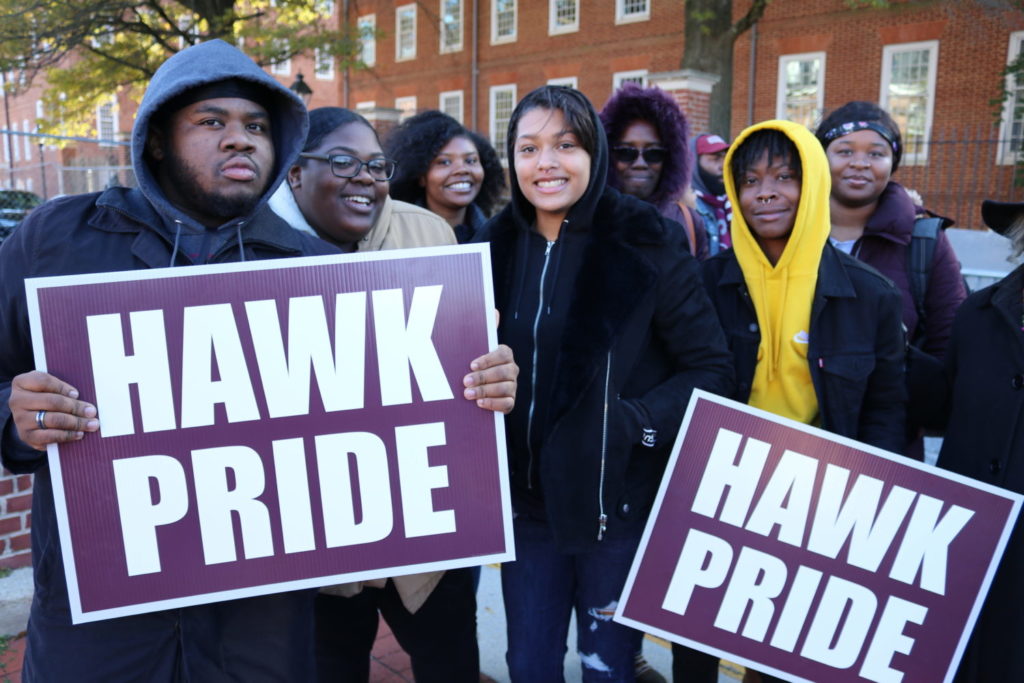
The legislature also overwhelmingly passed a bill that would have created a fund of $577 million to be paid over 10 years to the state’s four HBCUs: Morgan State University, Coppin State University, Bowie State University, and the University of Maryland Eastern Shore. The fund would have ended a long-standing lawsuit in which a federal judge ruled that Maryland had maintained a dual and segregated education system and had underfunded HBCUs for decades. After Hogan vetoed the legislation, Speaker Jones said she would reintroduce the bill in 2021 since the Hogan administration has still not agreed to the settlement amount for the lawsuit.
Later in September, some progressive members of the House called for a special session to override the governor’s vetoes and address police reform legislation following the death of George Floyd at the hands of police in Minneapolis earlier in the summer. Ferguson and Jones decided against it because they were concerned about the spread of the virus among lawmakers; instead, they’ve made plans to have a traditional 2021 with strict COVID-19 regulations in place.
Wanna vote? Just mail it in
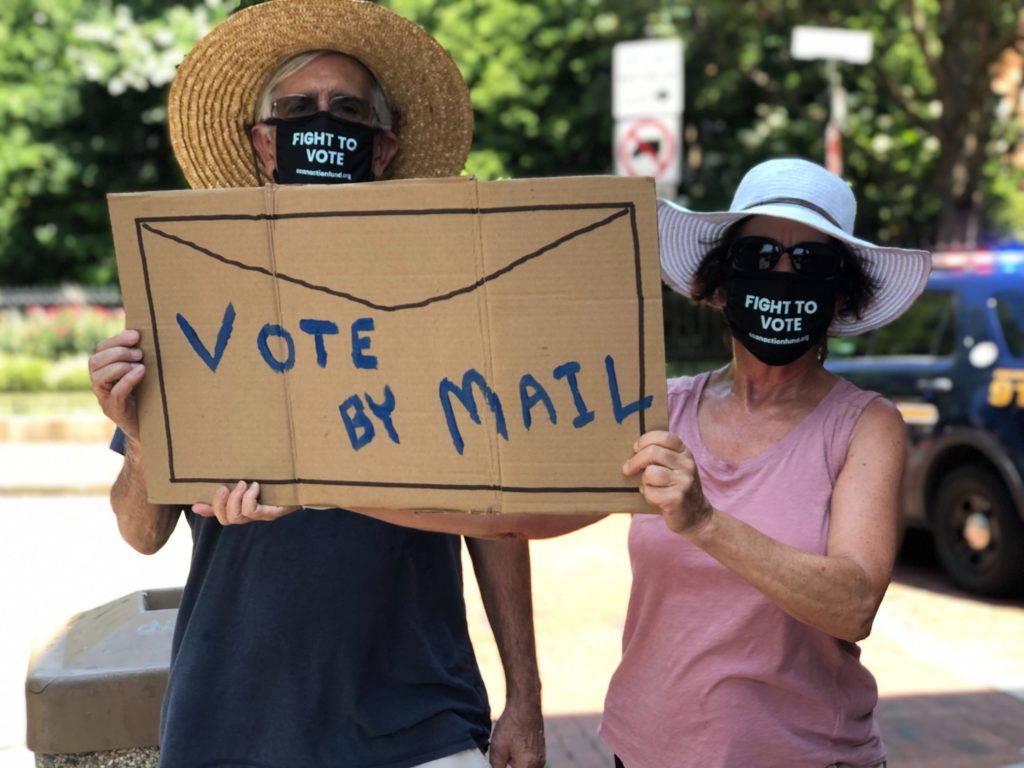
During Maryland’s primary election in June, voters had to get used to a new way of voting. For the first time — and as a means to prevent the spread of COVID-19 — all voters received mail-in ballots to cast their votes. However, after multiple issues surfaced during the election — including long-lines at polling sites and election night results in Baltimore City being temporarily removed from the state website — state leaders called for the state board of elections administrator’s resignation.
Hogan then reversed course for the November general election and required all eligible voters who wanted t a mail ballot to apply for one. Democratic lawmakers and critics said the move amounted to “voter suppression.” After some issues mailing ballots to voters, the election was ultimately a success with almost half of the state’s voters casting ballots via mail.
As a result of the election, Marylanders approved the legalization of sports betting and increasing lawmakers’ authority over the state’s budget starting in 2024. The election results could have larger implications for the future of the state’s politics, including which party controls the governor’s mansion in 2022.
A scandal-ridden environment
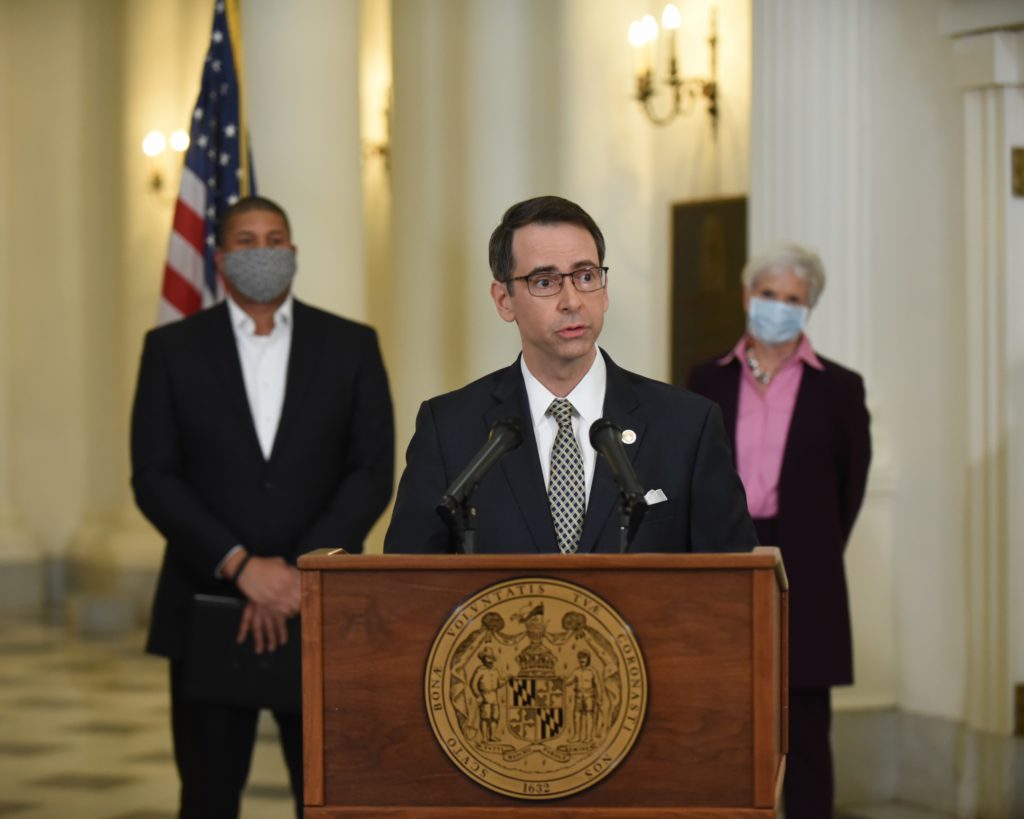
One of the more notable resignations this year was of Hogan’s former chief of staff Roy McGrath following questions related to the $230,000 severance he received upon departing the Maryland Environmental Service (MES), an independent state agency. The significant payout prompted lawmakers to start investigating the agency’s policies and procedures. McGrath has maintained that the payout was a usual business practice and used no taxpayer dollars, while the Hogan administration says it had no knowledge of the hefty severance package. After multiple requests for McGrath to testify were denied, the committee agreed to subpoena him in September. This isn’t the first time a quasi-state agency has come under investigation. In 2019, three members of the University of Maryland Medical System’s Board of Directors — including former Baltimore City Mayor Catherine Pugh — resigned over undisclosed conflicts of interest. Investigations into UMMS and MES have prompted lawmakers to increase oversight of other independent state agencies for waste, fraud and abuse.
A police chief departs
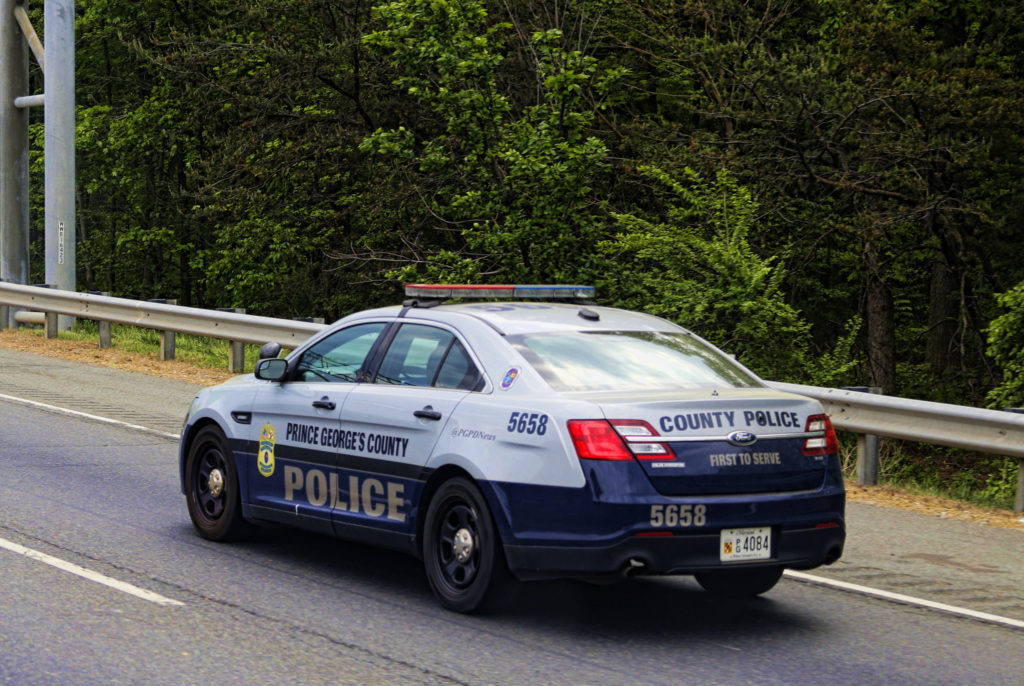
As protests over police violence and racial justice flared up over the summer, Prince George’s County Police Chief Hank Stawinski resigned. His resignation came just hours after a new report was released claiming that an environment of racism and retaliation persists in the police department and has not been adequately addressed by its leadership. County Executive Angela Alsobrooks said his resignation had nothing to do with the report. Alsobrooks appointed Hector Velez, the former assistant police chief, as interim chief while a nationwide search continued for a new chief. Alsobrooks has yet to appoint a new chief. To address calls from protesters to defund police after multiple incidents of police brutality and misconduct in the county in 2020, Alsobrooks created a police reform task force to provide recommendations to the county about what needs to be done to reform the department, its culture and its relations with the community. Earlier this month, the task force released a detailed list of about 50 recommendations for the department. The District, Arlington County, and Montgomery County have similar groups looking into police reform in their jurisdictions.
Purple Line goes off track
The first tracks of the Purple Line, a 16-mile light rail that will connect the suburbs of Montgomery County to Prince George’s County, went into the ground in late 2019, but persistent delays on the project surfaced new tensions in 2020. In May, Purple Line Transit Partners said they wanted to leave the $5.6 billion public-private partnership — the largest in the country — because of the delays, cost overruns and unforeseen additions. By September, construction actually stopped. In November, a lawsuit between the state of Maryland and the Purple Line’s private contractor partners was settled out of court, paving the way for a smoother future for the beleaguered light rail line. Hogan said the state would settle the lawsuit for $250 million and look for other partners for the project, hoping to restart construction in the new year.
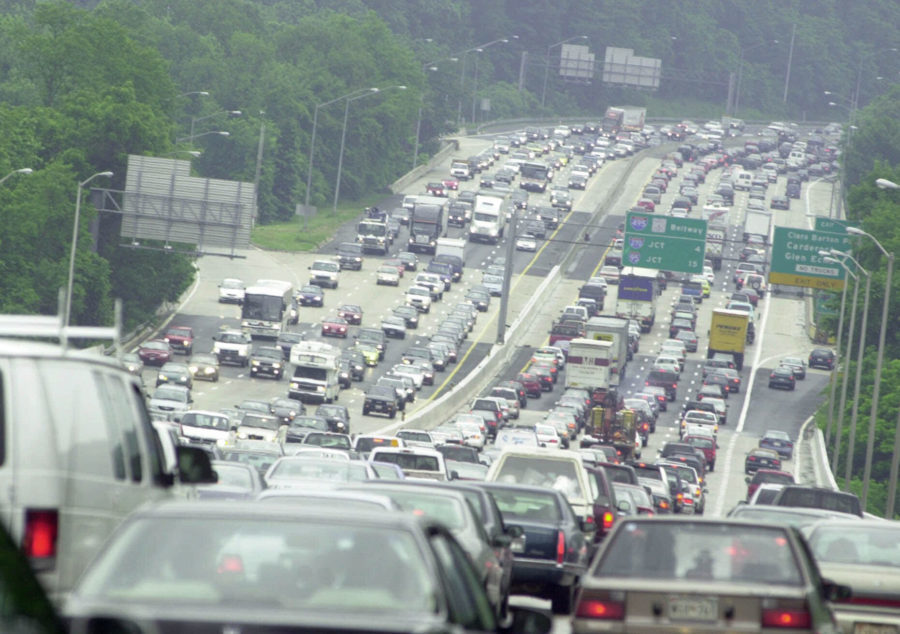
In another attempt to commit the state to a massive public-private partnership, Hogan received pushback this year over his project to expand the Beltway and I-270. After State Comptroller Peter Franchot and Hogan couldn’t agree with the scope of the project or its associated community engagement efforts in 2019, in January the state’s Board of Public Works approved a revised plan for project, 2-1. Hogan called it a “historic” vote, while state Treasurer Nancy Kopp, the sole dissenting vote, said it lacked data on financial and environmental impacts.
In July, an 18,000-page environmental impact assessment of the plan was released. The assessment examined the effects a range of possible design options for widening parts of 495 and 270 in Montgomery and Prince George’s counties would have on air quality, water quality, wetlands, wildlife, environmental justice, parks and historical sites, and more. Amid less traffic congestion during the pandemic, many environmental groups said the costs of the project on the environment and state’s finances outweighed the benefits. The state’s department of transportation also acknowledged the uncertainties resulting from the pandemic. In November, the U.S. Navy strongly objected to the project, saying it would not give up military property around Walter Reed National Medical Center to make room for the additional lanes of traffic. After the Purple Line debacle, many local leaders in Montgomery and Prince George’s counties are concerned that the Beltway project could lead the state down a similar path — and end up costing more in the end.