Martin Austermuhle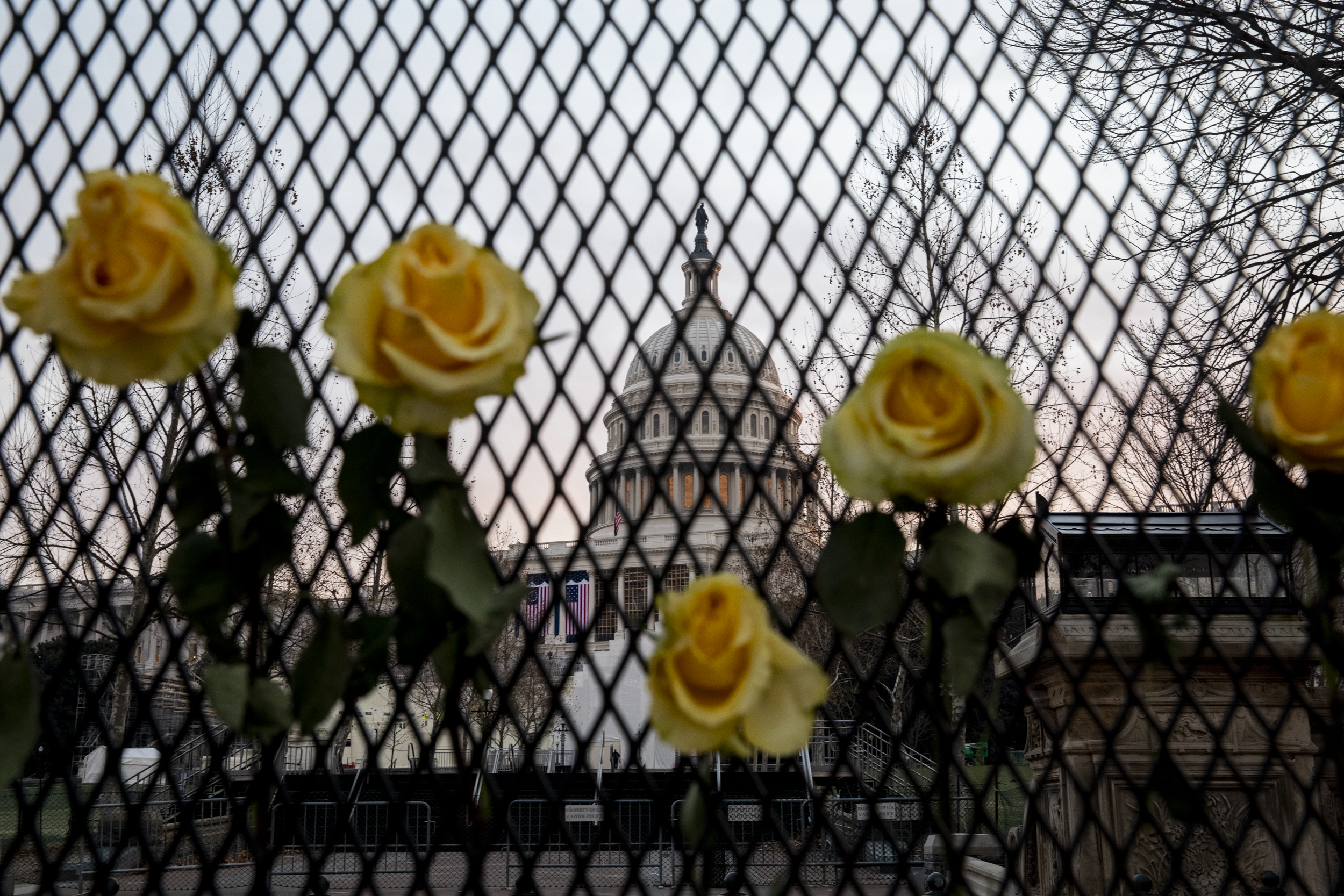
Acting D.C. Police Chief Robert J. Contee, III told members of Congress on Tuesday that more than 850 of the department’s officers responded to the insurrection at the U.S. Capitol on Jan. 6, costing city taxpayers at least $8.8 million — though a final price tag is likely to be higher.
The issue of cost is a sensitive one for many D.C. officials, who say that policing inaugural festivities and protests against the federal government drains city coffers — and that federal reimbursement even for the 2017 inauguration remains outstanding.
Contee also disclosed for the first time that one of the officers who responded to the Capitol, Jeffrey Smith, died by suicide in the days following the incident. Smith had served in MPD for almost 12 years. U.S. Capitol Police Officer Howard Liebengood also died after pro-Trump mobs stormed the building, and another — Brian Sicknick — was injured during the rampage and later passed away.
“The costs for this insurrection — both human and monetary — will be steep,” he said in testimony that was delivered to one of the House committees investigating the response to the insurrection. The acting chief of the Capitol Police, Yogananda Pittman, also testified at the hearing, where she admitted the department knew of the attack in advance and wasn’t properly prepared to handle it.
Contee’s testimony was as wide-ranging as it was critical, especially as it related to the city’s request for D.C. National Guard assistance to protect and clear the Capitol once it had been breached. Contee told the committee that he was “stunned at the tepid response” from the Department of the Army when the help was requested by D.C. officials and leaders of the Capitol Police.
“While I certainly understand the importance of both planning and public perception — the factors cited by the staff on the call — these issues become secondary when you are watching your employees, vastly outnumbered by a mob, being physically assaulted,” said Contee. “I was able to quickly deploy my force and issue directives to them while they were in the field, and I was honestly shocked that the National Guard could not — or would not — do the same.”
Federal officials have denied there was a delay in offering National Guard support to fight the mobs at the Capitol, but this week Maj. Gen. William Walker, the commander of the D.C. National Guard told the Washington Post that the Pentagon restricted his authority ahead of the attack.
Contee also detailed what he saw from his perch on the west side of the Capitol as officers fought to keep more Trump supporters out of the building, saying that many “were engaged in a literal battle for hours” against people engaged in an “assault on our democracy.” He said 65 D.C. police officers sustained documented injuries, while many more were hurt but did not report it. Speaking to DCist earlier this month, three officers described being physically assaulted, crushed by violent crowds and sprayed with bear mace.
On top of physical injuries, Contee said officers could suffer from trauma that “will be widely felt but possibly unacknowledged.”
“Law enforcement training neither anticipates nor prepares for hours of hand-to-hand combat,” he said. “Even brief physical fights are physically and emotionally draining. MPD is working to support the emotional well-being of our officers who experienced this.”
Looking forward, Contee addressed possible repercussions from the insurrection, including new security measures that could be imposed around the Capitol and other federal buildings. He expressed concerns that as federal buildings are more tightly secured, “other buildings in the city under MPD jurisdiction may become more likely targets.”
In a letter on Tuesday, D.C. Councilmember Charles Allen (D-Ward 6) urged Pittman not to allow the existing fencing and barriers in place around the building to become a permanent fixture.
“Temporary security measures have a way of becoming permanent in this town, and it would be unnecessary as well as a tragic loss of access, openness, and public space if current temporary barriers remain in place,” wrote Allen.
But Pittman told the House committee that security changes were likely.
“I believe the multiple reviews, after actions, and investigations currently underway will conclude that the Capitol’s security infrastructure must change and that the Department needs access to additional resources — both manpower and physical assets,” she said.
The National Suicide Prevention Lifeline is a hotline for individuals in crisis or for those looking to help someone else. To speak with a certified listener, call 1-800-273-8255.