Dee Dwyer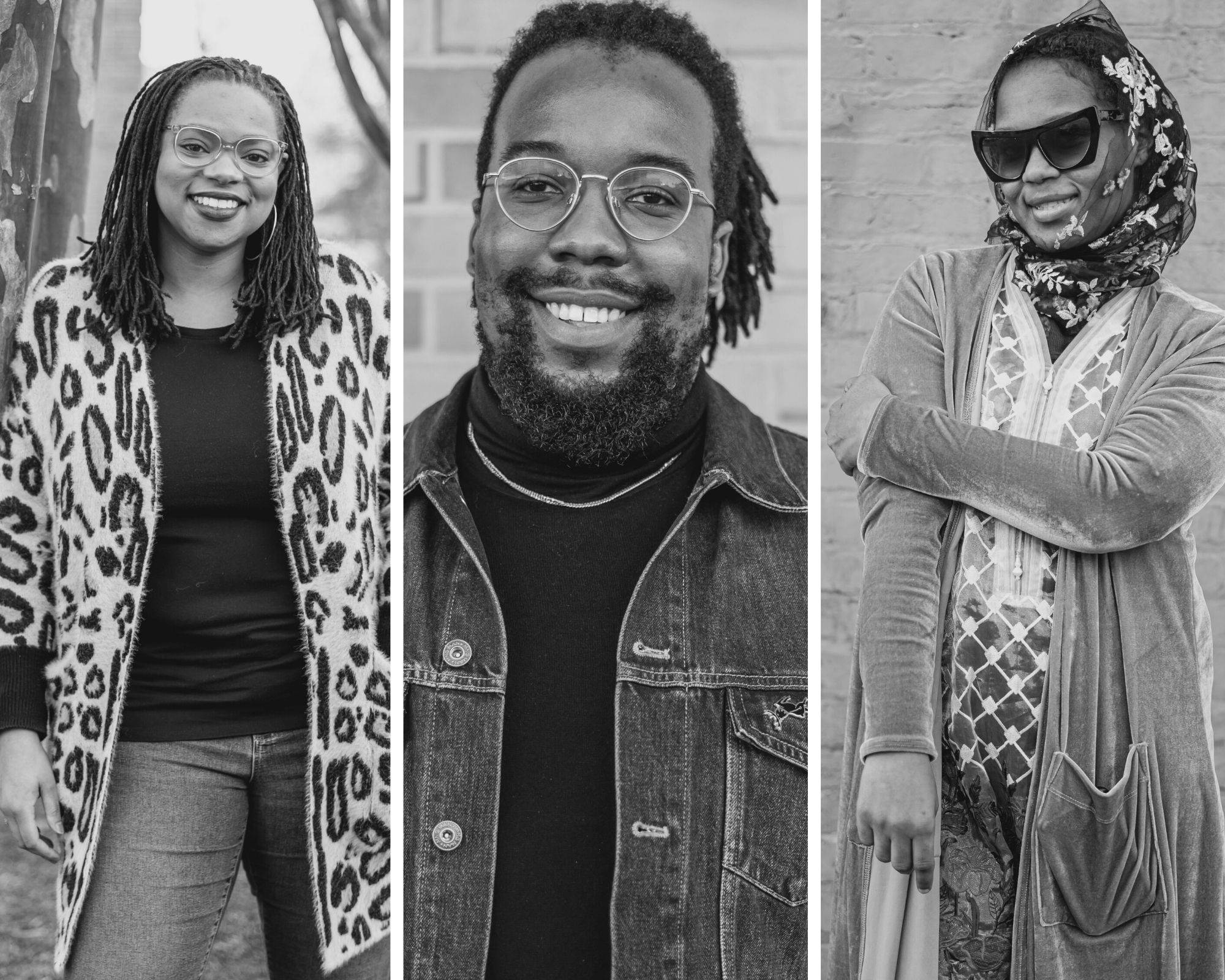
From the 1950s through the late 1990s, D.C. was known as Chocolate City, because it was the first majority-Black major city in the United States. The city was home to prominent Black people who owned their own businesses. Influential Black leaders including Duke Ellington, Frederick Douglass, Mary McLeod Bethune, Chuck Brown, Marvin Gaye, Langston Hughes and Mary Church Terrell have all resided in the District
Starting in the early 2000s gentrification crept through the cracks of the city. In 2019, a study from the National Community Reinvestment Coalition found that D.C. had the most gentrifying neighborhoods of any city in the country. (The District dropped to No. 13 on the list last year.) D.C. went from having over a population that was more than 70% Black in 1970, to roughly 46% as of 2019.
In Wards 7 and 8, gentrification is making its way east of the river. Barry Farms, a historic public housing development in Ward 8 that has been home to Black residents since the end of the Civil War, has been slated for redevelopment for years, but has been tied up in litigation over the residents that have been displaced. MLK Gateway, a development that will include retail and office space at the corner of Good Hope Road and MLK Jr. Ave. SE, is on its second phase of construction. And Skyland Town Center, a mixed-use development in Ward 7, is in the works.
Local government has taken steps to manage growth in communities east of the river. In 2019, Mayor Muriel Bowser signed an order requiring D.C. government agencies looking to lease new office space to give priority to locations in wards 7 and 8. The city has also distributed grants to microbusinesses owned or majority-owned by residents of Wards 7 and 8.
Meanwhile the mayor’s latest marijuana sales legislation, introduced last month, includes several measures targeted at providing relief to wards 7 and 8 and Black residents, in order to benefit those who have been disproportionately harmed by the criminalization of cannabis. The bill calls for reinvesting cannabis sales tax revenue into businesses east of the river; expunging records for certain cannabis convictions; and allowing returning citizens to own a cannabis business.
Still, with increased property taxes and the destruction of public housing caused by gentrification, many Black residents there aren’t able to afford to own or keep their family homes. In Wards 7 and 8 the average Black median household income is $38,767 in Ward 7 and $37,335 in Ward 8; for whites it’s $120,308 in Ward 7 and $108,199 in Ward 8. The owner-occupied housing units median value is $406,806 in Ward 7 and $395,161 in Ward 8.
We went over to Wards 7 and 8 to hear from the people for their perspective on the ongoing changes. Here’s what they had to say. Responses have been edited for length and clarity.
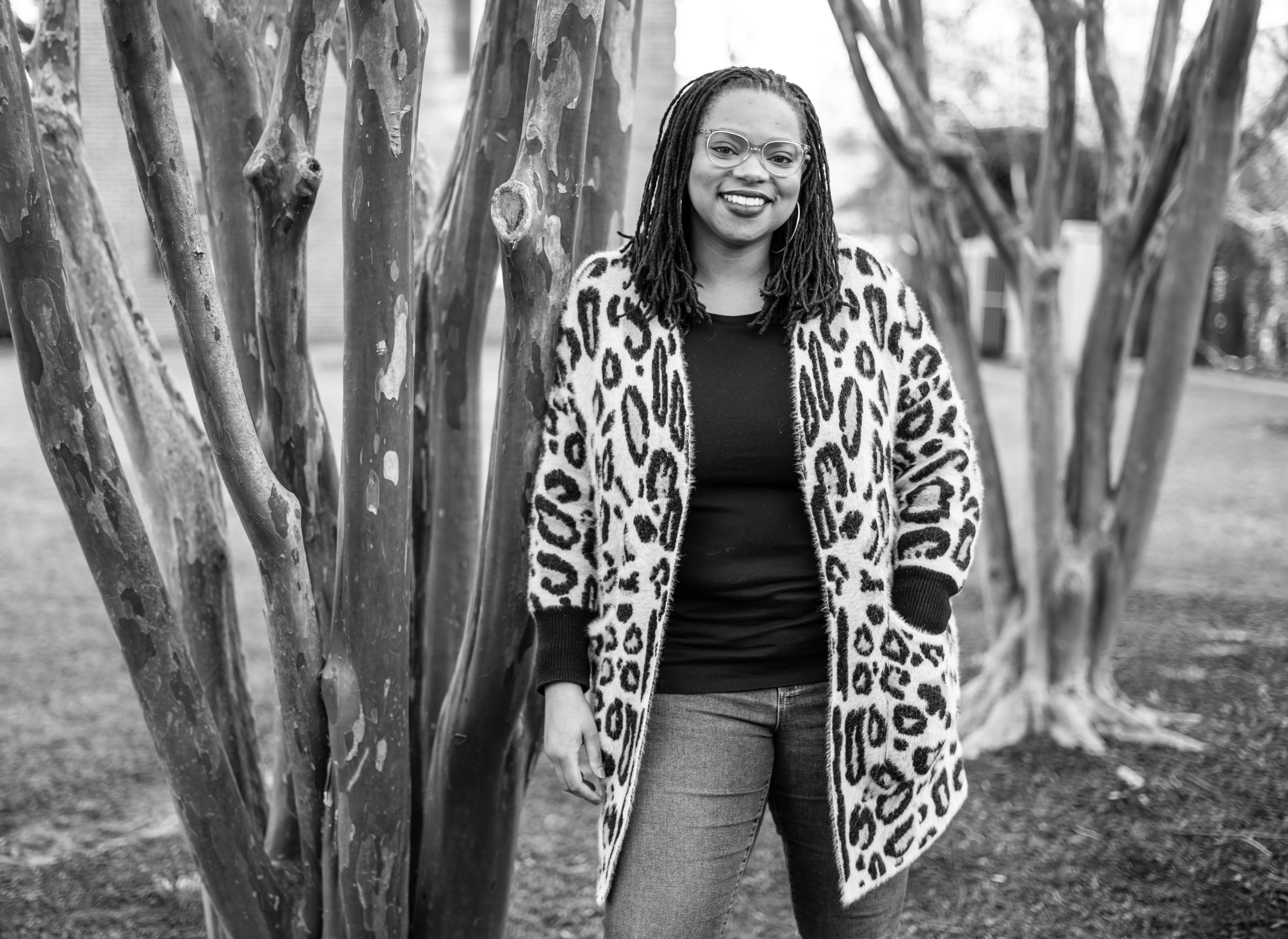
Courtney Coffey, Ward 8, Hillcrest Area
I’m a transplant. I came to the D.C. area in 2009. So I’ve been here almost 12 years now. When I moved into the city, I definitely was very mindful of just the fact that I’m technically a gentrifier, and I’m not from the area, you know, moving into the city. I think I’m sensitive about that because I’m from New Orleans. I’m in an area that also experienced gentrification. I grew up in New Orleans where we saw white flight in the 1990s, which is one of the reasons why my parents were able to get a house there in a predominantly working middle class area. I always wanted to be respectful.
I work in the public health field. One of the things that we think about when we work with community is respectful entry, always making sure that I am sensitive to my viewpoints and how that would impact native Washingtonians. I’ve always been the type that’s been civically active. Going to ANC meetings and things like that. But my default is I always listen to, let’s say, my elders, those that have been in the city, you know, fifth generation Washingtonians. I always wanted to hear their voices before people asked about my opinion on things like that. Washingtonians can benefit from gentrification. I think it would require viewing city planning, development of transportation, things like that with an equity lens.
By that meaning, who benefits from whatever policy or program that is enacted versus who bears the burden. And I think if the city really thought about it in that way, shape or form, I think we would have a more equitable way of planning and building out our neighborhoods, ones that there are walkable and safe and have access to all of the city services. It’s unfortunate that Washingtonians that have put so much sweat equity into the buildings and the creation of this city and not reap the benefits.
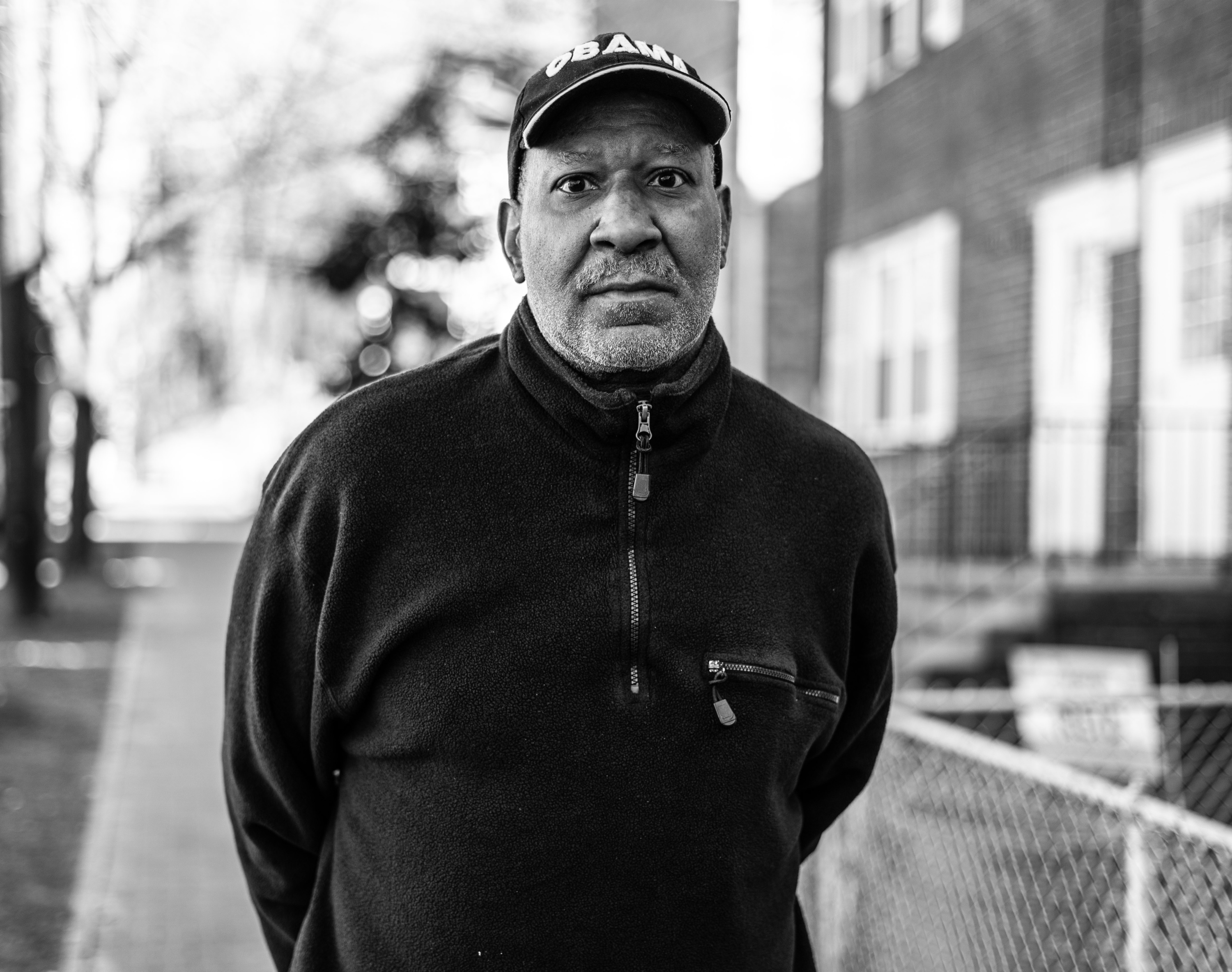
Bruce Holmes, Ward 8, Anacostia
I see gentrification happening throughout this country. What I do want as a Black man, I want the best that the best have to offer. I don’t want to see my community still look like it did 20 years ago. How can I grow from that? You change managers, you change presidents, you change. You have to evolve around that. You know, I don’t see it as a racist problem. I see it as, well, if you have the income, you can go anywhere you want. I choose to stay here as opposed going to Georgetown.
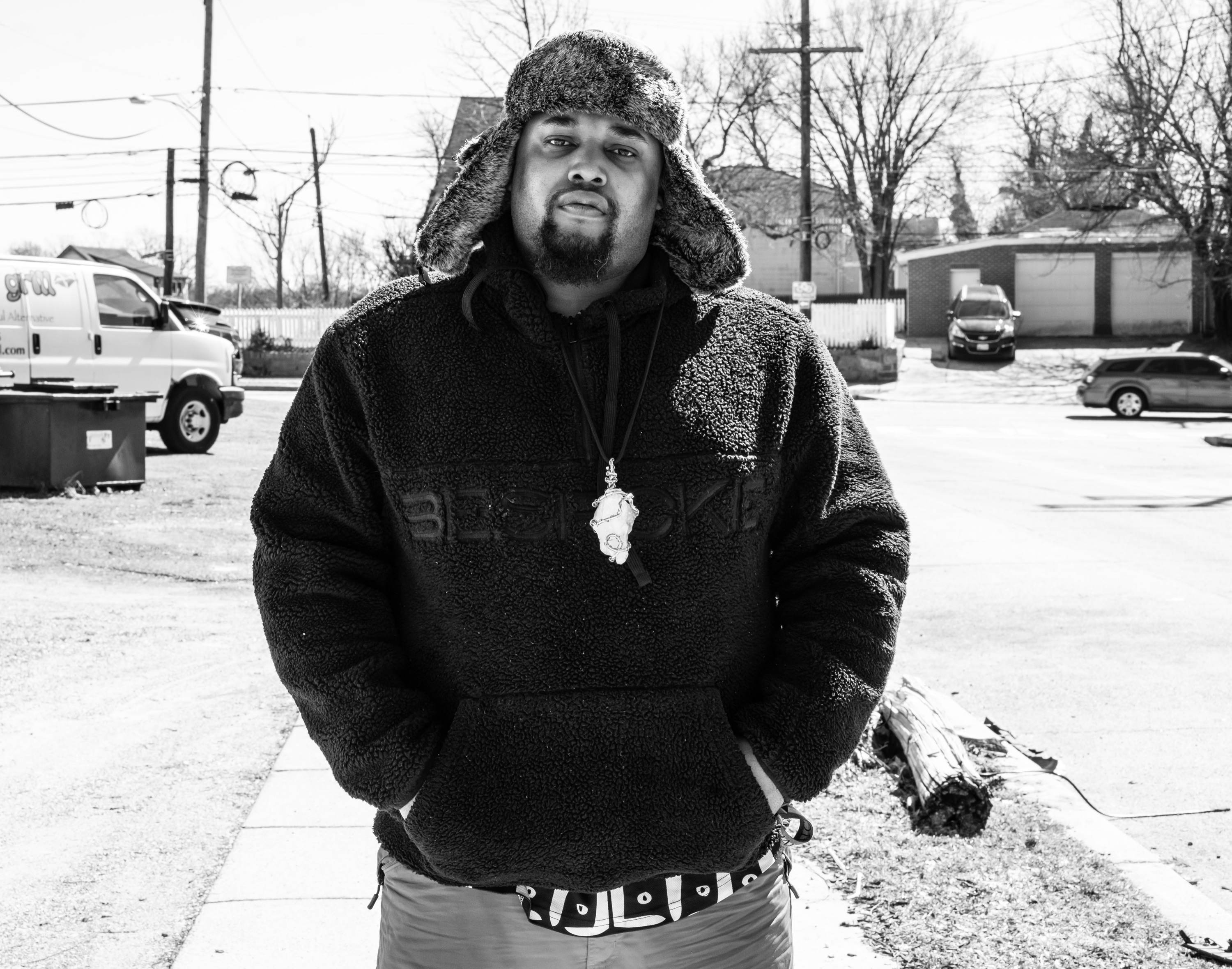
Kyle Williams, Ward 7
Well, I’ve been living in wards 7 and 8 my entire life. I’ve seen a lot of things change. I know when I used to work in Ward 8, we used to refer to it as the last frontier. Living in Ward 7 and working in Ward 8 I see the difference. Ward 8 businesses and property have been snatched up in a mass scale. Rundown neighborhoods are getting turned into million dollar neighborhoods overnight and in the last six to 10 years, things have definitely changed. They’re definitely capitalizing off the land that we’ve been on for years.
The same community that five, six years ago was overpoliced, like locking up Black men and boys for selling things that are now legal. Now it’s on sale and now they can’t even sell in in their community because they can’t even afford to live there. That’s extortion to the highest rate. It’s crazy how much gentrification happens now.
Gentrification definitely is plaguing our community east of the river on both fronts, Ward 7 and Ward 8. I think the business boom is going to travel to Ward 7 soon in the next five to 10 years because Ward 8 is all bought up by local businesses on MLK, Good Hope Road, there’s no way to get in. People have those on lock.
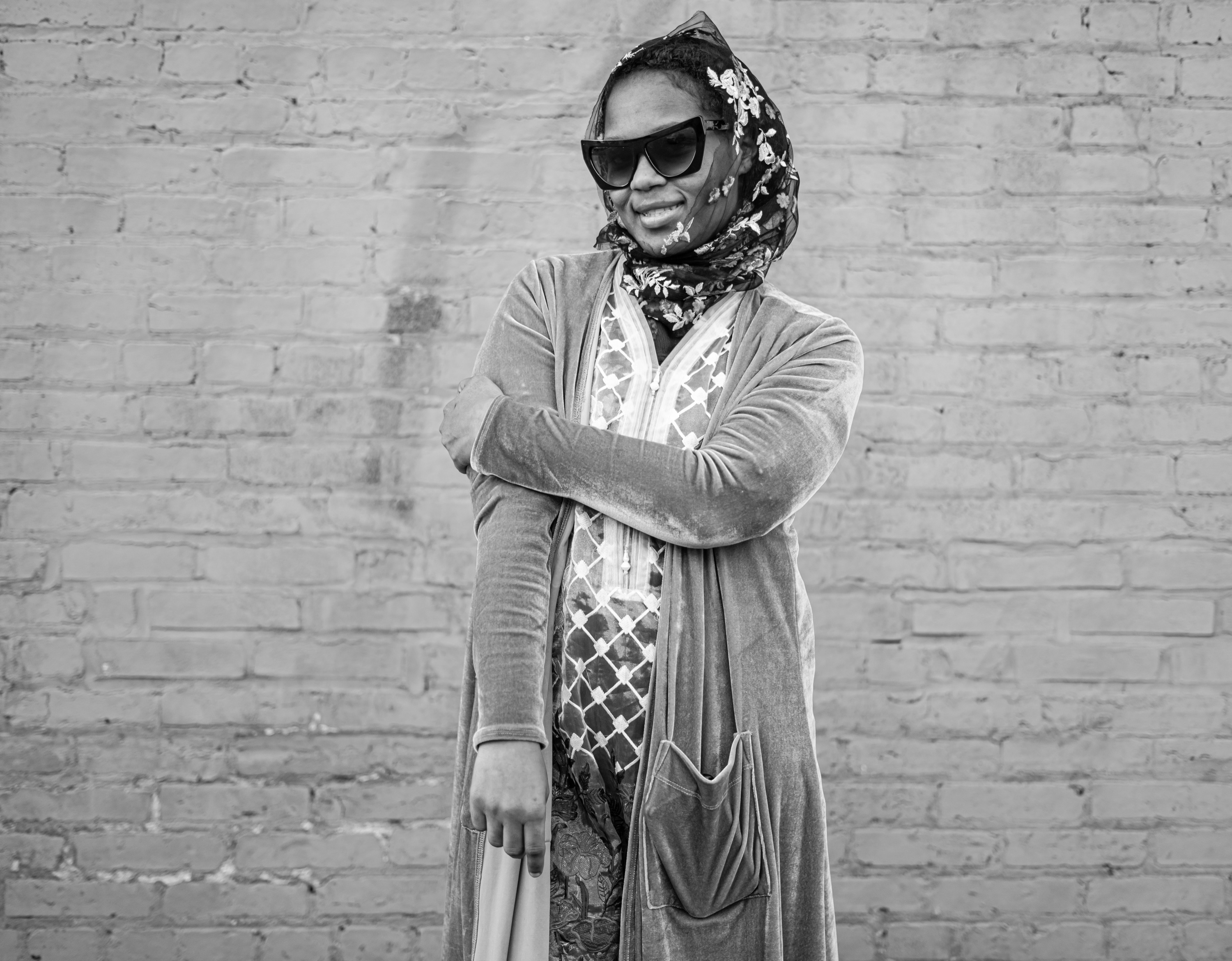
Aziyrah The Poet, previously lived in Ward 8, Martin Luther King Jr. Ave.
I feel it’s very heartbreaking to see, especially when my great grandmother is a born Washingtonian in this area, to see that the city is being changed, to not benefit or assist or cater to the people that helped build it is very heartbreaking. But I know that there is still hope. So I’m going to keep striving and make sure that we buy the property so that we can buy back the block. I feel that the only way that we can really stop gentrification is investing in the land. And so by us doing that, we’re able to keep our land. But other than that, there’s nothing we can really do. So educating our youth and educating our peers on real estate and things like that is the solution. I really focus on a solution.
I’m a mentor and activist for my community. I do try to uplift and inspire those around me through my art, which is poetry. I do a lot of community engagement to keep the community safe and and vibrant and alive, because we in wards 7 and 8, we like to have fun. It’s not always about violence, but a lot of the times people don’t know because they only are subjected to what they hear and see.
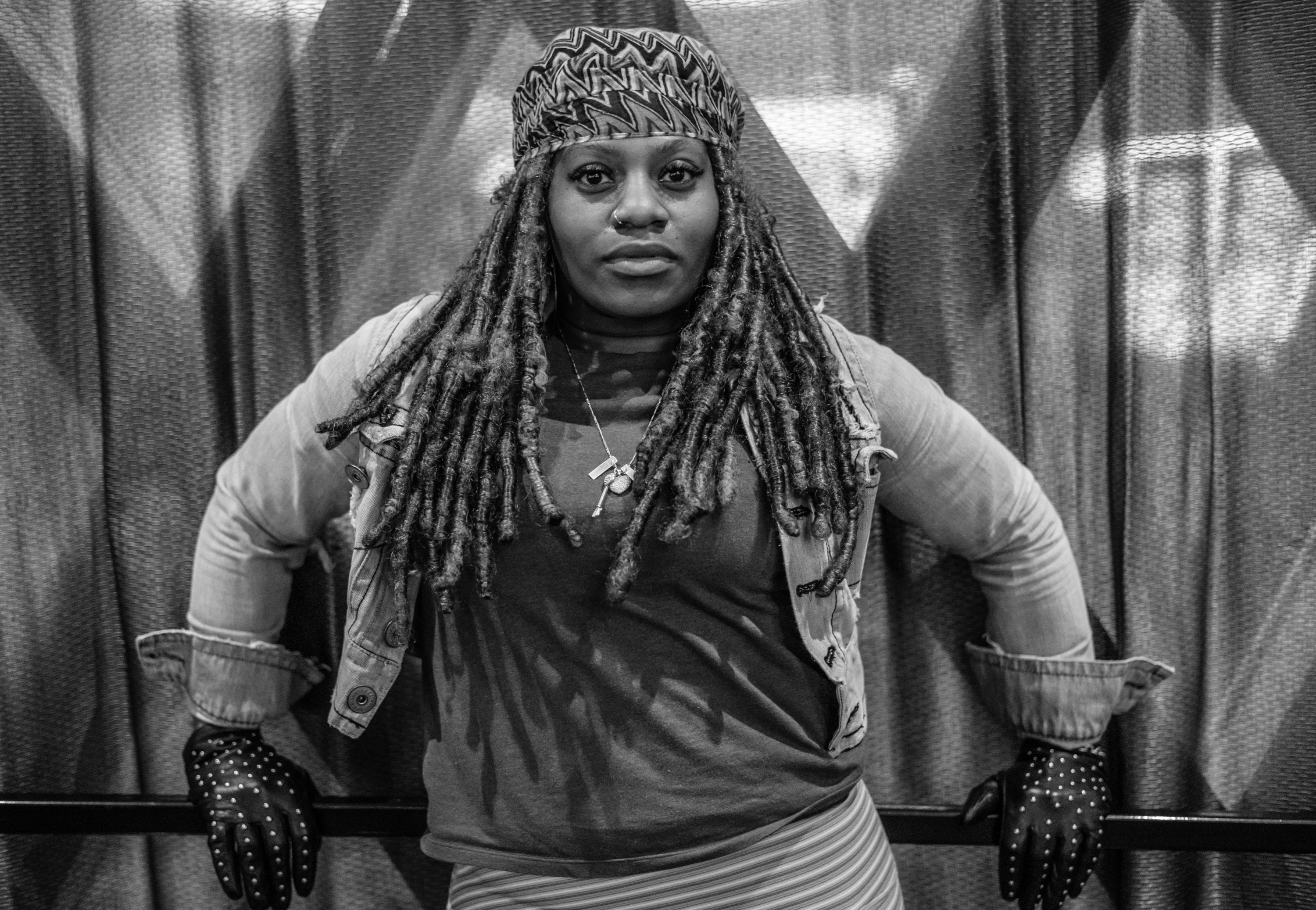
Shavon McLeod, Ward 7, Glenn Crest
I was born in Washington D.C. I think that we as a people need to be educated. And once we are educated, we can actually reap the benefits of those that are paid, you know, over us. Some parents never really knew the advantages of credit and how to have good credit so that when things like gentrification do come about, [they’re] able to take action.
I think that it starts with a mental health aspect. You have to make sure that individuals have the resources and have the knowledge that they need. You know, you have to know what to do with finances. You have to prepare yourself. You have to be in a better place so that when things come about that you don’t have to get ready, you will always be ready. It’s always a disadvantage because you’re displacing out individuals that don’t have the income and don’t have the resources that they need to survive in that situation. The organizations, the individuals that do have the knowledge, need to band together and educate, you know what I’m saying?
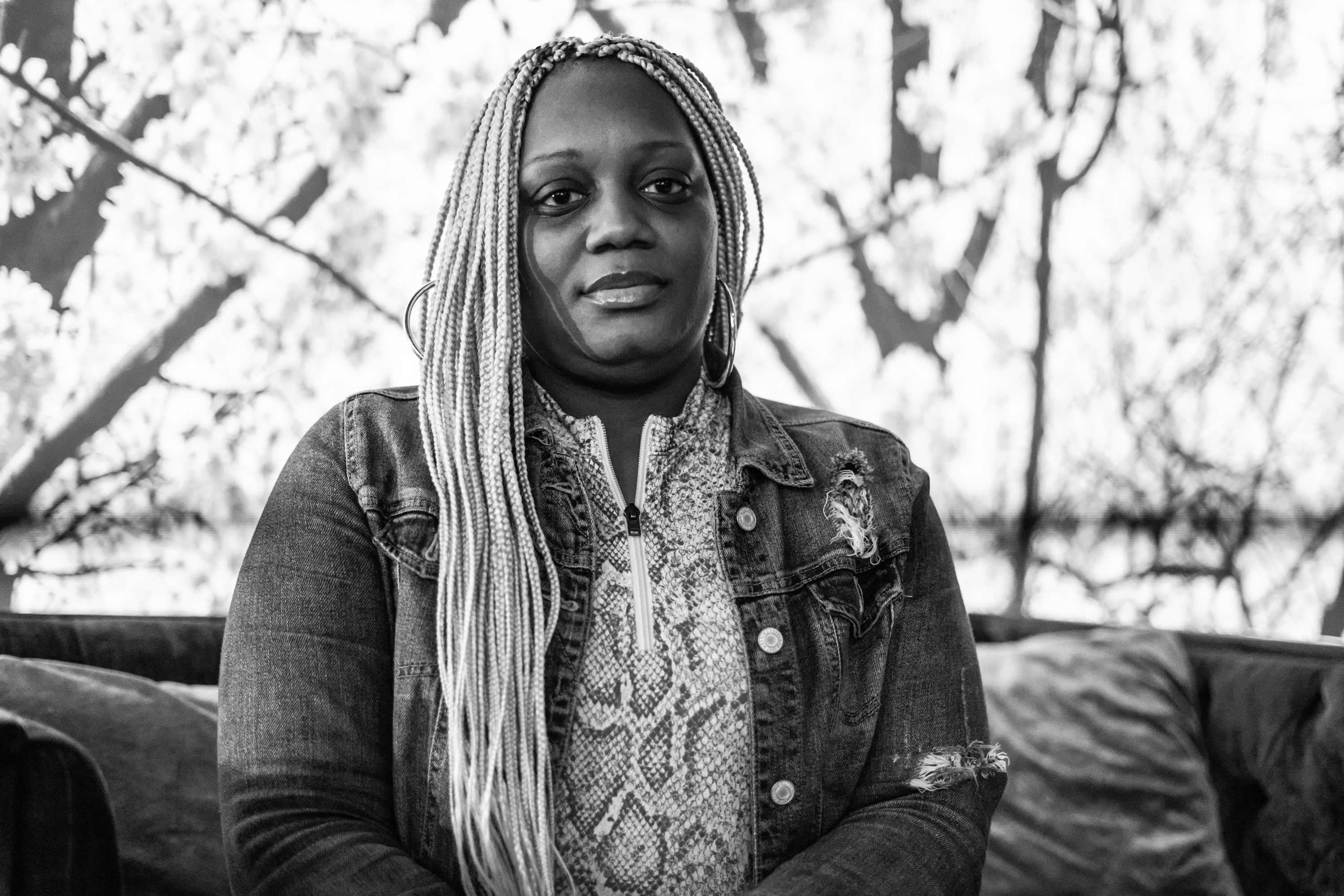
Brenda Black, Ward 7, Marshall Heights
Gentrification could bring possible opportunities and things like that because I feel like as Black people we weren’t taught how to make sure our credit is up to par, making sure that we own something. We don’t hear about that. I’m 36 years old and I just bought my house in March of last year. Growing up, I wasn’t taught that having credit is the best thing you can have versus money. I mean, you have to have that, too. But credit can get you in everything for example; owning something. I just feel like gentrification could be a good thing. It could be a bad thing.
Chocolate City will never be the same. That’s the way I grew up. That’s where I was born and raised, but it’s never the same. You have people that’s been gone, incarcerated, that’s coming home. They’re going to be like, “Wow, this wasn’t here when I left. This wasn’t like this when I left.”
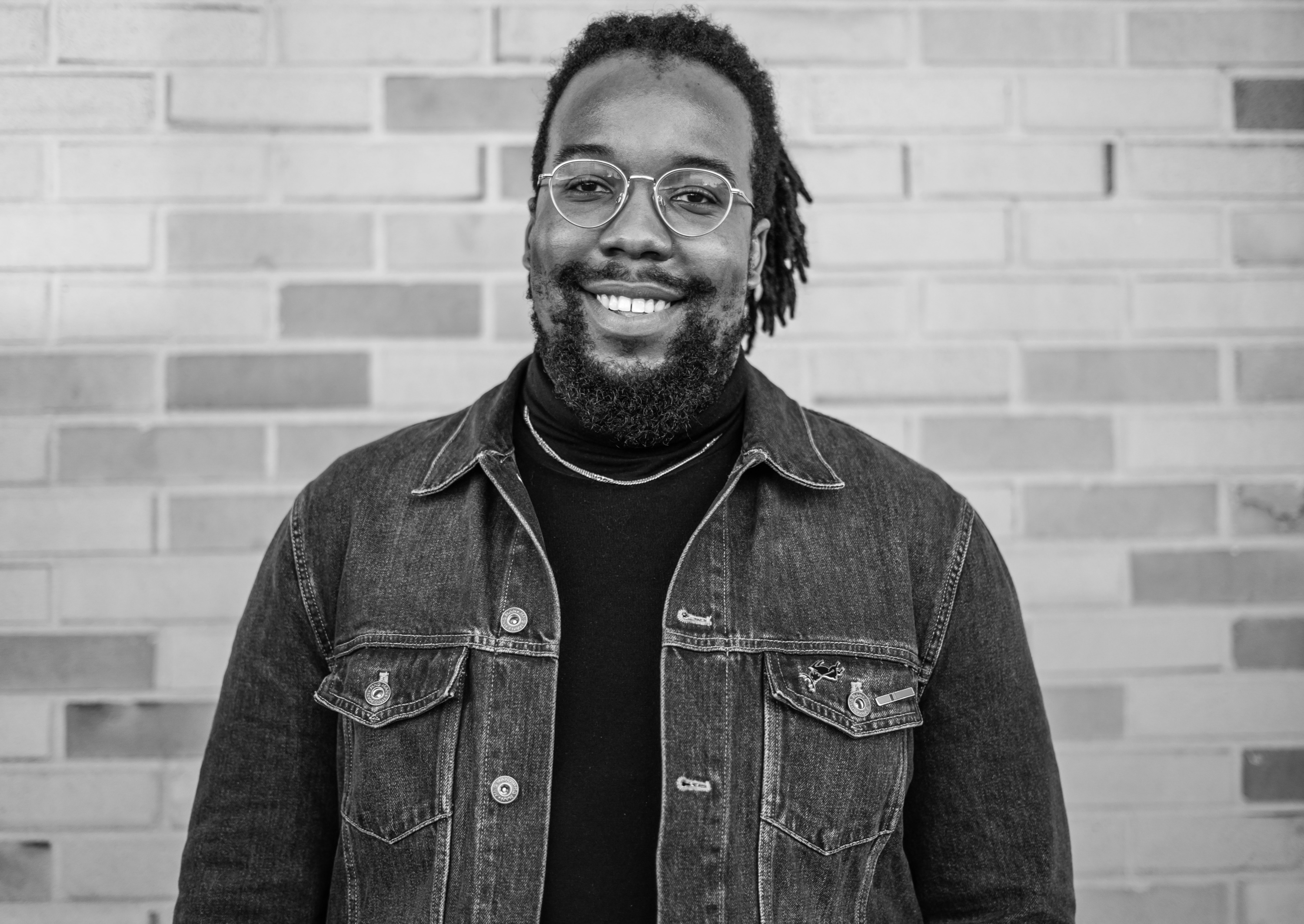
Obiekwe Okolo, Ward 7
It’s frustrating. So I have a background in architecture and I focus on urban planning and settlement and how the nature by which a city, a community “improves” has been rooted in a predominantly capitalist white supremacist model of improvement. That said, it’s not necessary. It doesn’t have to be like that. And I think the reason why it’s frustrating is because I think we’re operating in a world now where developers know it doesn’t have to be that way, and yet they still choose the fast payout over the long term community sustainability.
The true definition of gentrification is simply the improvement of the community. There’s a connotation that has operated in most American cities for the last 30 or 40 years, in which the model of improvement is money comes in — money and race are intimately tied. So white money comes in and money of color gets moved out.
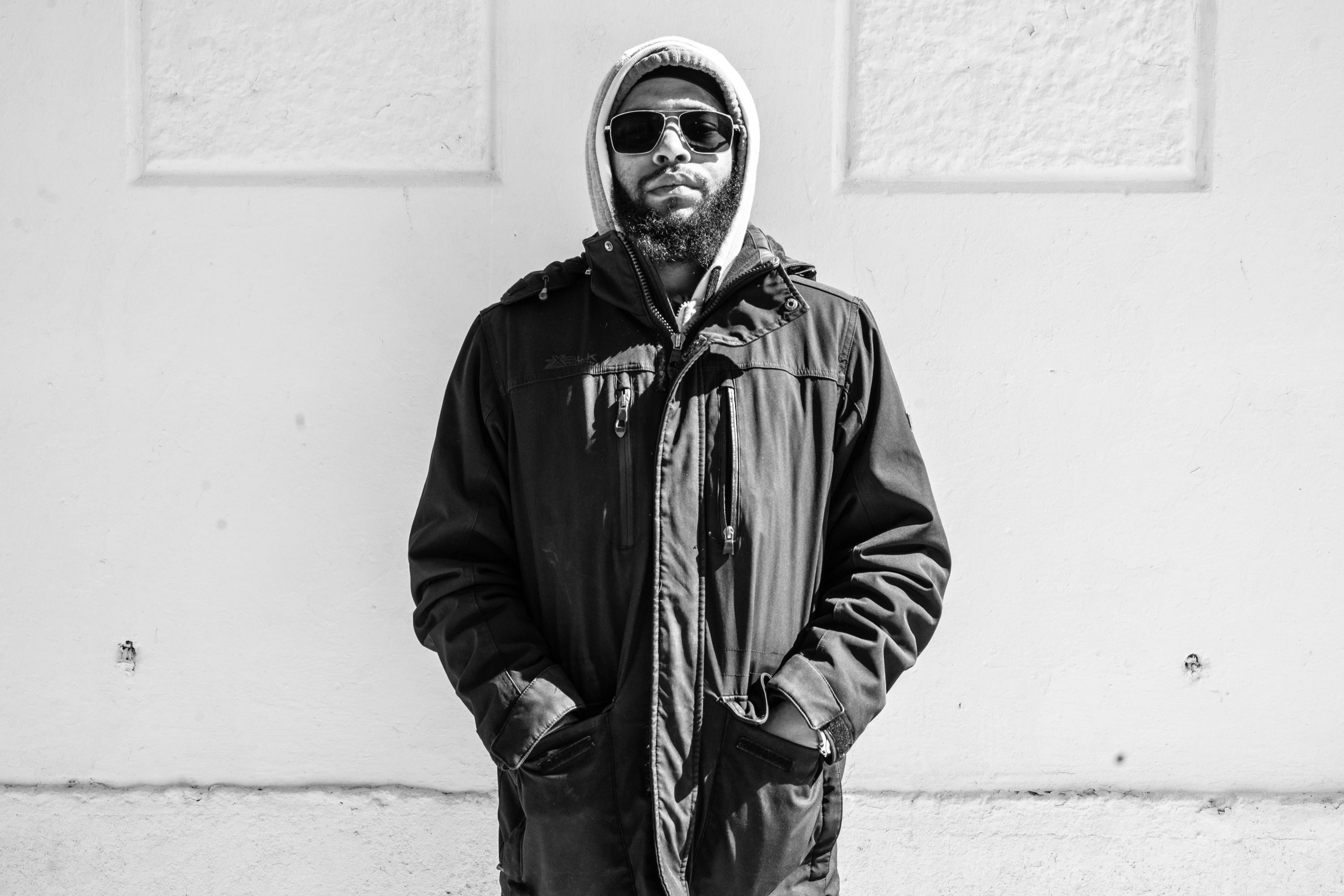
A Quest, Ward 7
Gentrification in wards 7 and 8 specifically, I feel like it has its pros and cons. So just from a legal standpoint, I will say more cons just because I want to see my people flourishing.
Wards 7 and 8, I feel it’s been targeted for a very long time as far as the war on drugs in our community, whether it’s hard drugs or things like cannabis. I feel with gentrification right now in wards 7 and 8, certain things need to happen first before we allow outsiders in. I think that we should be able to have things first before other people come along. I feel like you should have to pay a certain amount of due diligence first before you’re able to get all of the benefits of living in wards 7 or 8 or D.C. in general. If you’re going to be able to get all these new laws, you should have to live here for at least a minimum five years.