Jacob Fenston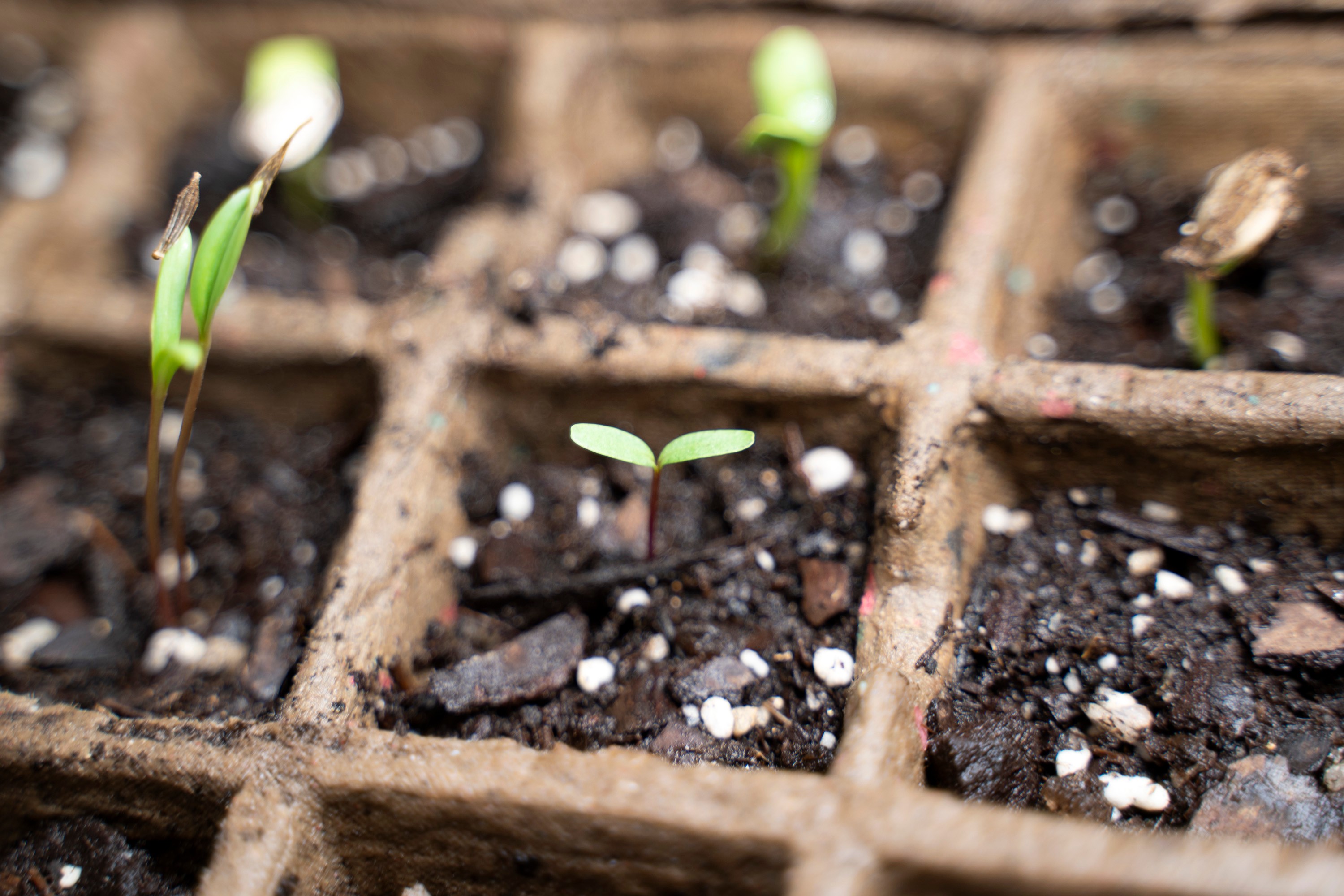
The coronavirus pandemic has inspired many people to try gardening, drawn by the call of the outdoors and the lure of homegrown food. At the same time, there has been a shortage of seeds — some big companies even stopped selling them to retail customers. In 2020, seed companies saw 8 to 10 times more orders than in the previous year.
“People were hoarding toilet paper and hand sanitizer. So no surprise that this pipeline issue extended all the way through to gardening and even seeds,” says Reana Kovalcik.
But a typical packet of seeds, selling for a few dollars, might include enough to grow many more plants than most gardeners need. “You’re likely not planting 100 or 200 heads of Napa cabbage,” Kovalcik notes. “Maybe you’re planting three.”
So Kovalcik founded Share a Seed, an initiative with the local branch of Slow Food USA, that provides an easy way for gardeners to share their extras. There are seed drop-off sites at five farmers markets: Monroe St. NE, Columbia Heights, Dupont Circle, Mount Pleasant, and Arlington. Donations are also being accepted by mail. Five other Slow Food chapters around the country are also participating in the seed sharing program.
In D.C., donated seeds are distributed to mutual aid organizations: Plantita Power, a food justice collective, and Kyanite Kitchen, a community pantry that provides free organic and vegan meals.
Steph Niaupari, founder of Plantita Power, says her group focuses on helping LGBTQ+ people of color grow nutritious food.
“If you’re getting your hours cut, if you are an essential worker or you’ve been laid off, you’re not really thinking about buying fresh produce,” Niaupari says. “You’re looking at what’s going to stay in your pantry the longest, what’s going to be able to fill you up, and not considering the nutritional value that gets harmed in the process.”
Plantita Power distributes not just seeds but also seedlings (“plantitas” in Spanish), and containers so they can be grown anywhere. If someone doesn’t have stable housing and has to relocate, the plants can relocate too.
“If you’re not eating nutritious meals, then you’re also not going to be well prepared to continue the fight that we have going on right now,” Niaupari says. “We don’t look at it as just the food, just growing the food, but actually growing as our own people.”
Kovalcik says sharing seeds and gardening supplies makes growing food more accessible.
“You don’t need a big outdoor space, you can just have a window,” says Kovalcik. “All you need is a little container, a little sunlight and some TLC.”
You don’t even need a fancy store-bought container. “You can grow a seed in an egg carton, you can grow it in a cut in half soda pop bottle,” says Kovalcik.
Kovalcik says there has been a steady stream of donations since launching the program in March. In D.C., she’s collected 500 seed packets already, plus some large donations from farmers.