 Christian Zapata
D.C. will use $350 million in federal funds to offer qualifying tenants help covering overdue rent and utility payments, following activists’ demands that the city give struggling tenants additional assistance as the pandemic enters its second year.
The Stronger Together by Assisting You (STAY DC) program unveiled Monday helps renters and housing providers cover unpaid rental payments as well as utilities like water, gas, and electricity.
“STAY DC will help us prevent housing instability by ensuring District residents can keep a roof over their heads and their utilities on, without sacrificing other basic needs,” said Deputy Mayor for Planning and Economic Development John Falcicchio in a press release.
STAY DC will replace the District’s COVID-19 Housing Assistance Program (CHAP), which provided $6.2 million to renters who were financially impacted by the pandemic. It will also augment the District’s existing Emergency Rental Assistance Program (ERAP) and Low-Income Home Energy Assistance Program (LIHEAP).
Under the program, a family of four must make less than $79,600 to be eligible for assistance. All eligible participants may receive up to 12 months of assistance dating back to April 1, 2020, and 3 months of assistance for future payments, for a total of 18 months.
Renters and housing providers can submit their applications starting today using a new dashboard that includes information in seven languages. Residents without internet access can also work with community-based organizations to submit paper applications.
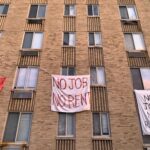
The new package of assistance comes as local activists have been pressing D.C. officials to do more to help embattled tenants. On Saturday, they led a march to Falcicchio’s apartment in Northwest D.C., where they demanded the city release $352 million in rent relief they said was being withheld. Many tenants at the protest also said they have yet to hear back about their initial applications for relief — and some even applied multiple times.
D.C. received $200 million through the COVID-19 stimulus package approved last December, and another $152 million from the American Rescue Plan Act that Congress passed in March. The city says all of this money is available for STAY DC and related efforts.
Before STAY DC, the city offered tenants smaller rent relief grants. CHAP, for instance, set aside $10.2 million funded by the federal Community Development Block Grant program for rent relief. But tenants and activists often said it was not enough and the money didn’t always reach people who needed it most.
STAY DC and other rent relief programs determine who gets assistance based on factors like the number of units in a building and the income levels of tenants. Funding for rental providers through the D.C. Department of Housing and Community Development, for example, offers assistance to providers with 20 or fewer units in their building.
Dean Hunter of the Small Multifamily Owners Association told DCist/WAMU in an emailed statement that the city needs to allow fillings for single-family homes and small apartment buildings. “This will make sure that assistance gets to the tenants and small landlords who need it most,” he says.
A projection by global advisory firm Stout Risius Ross last year estimated that D.C. residents could owe between $80 to $130 million in back rent as of January 2021.
Stephanie Bastek, an organizer with StompOutSlumlords, says the new program is a strong step toward securing rent forgiveness for tenants, but she and other tenants activists are worried about how renters who took our loans and borrowed from family to pay off their back rent will recoup their losses. They are also concerned with what tenants will do in the meantime while the money arrives.
“I really hope the [eviction] moratorium isn’t ending,” she says. “It’s going to take people a while for people to get this assistance.”
Ally Schweitzer contributed reporting