 Aja Beckham
 Tamika Smith
The pandemic has added more stress for pregnant people who need support with housing, health care, and other services. Housing instability creates challenges for the child and parent, according to health experts. And, mothers living without secure housing in D.C. are concerned about what will happen to them and their children when the ban on evictions is lifted.
Jessica Crawford, 30, had her second child last June during the pandemic. While she was homeless, she was sex trafficked, and that’s how her daughter was conceived. When she learned that she was pregnant, she became suicidal and in desperate need of mental health services in addition to housing and prenatal care. The mounting challenges continued to compound after Crawford delivered her child.
“I ended up actually having a postpartum mental health breakdown,” she says.
The pandemic exacerbated already strained health care needs for pregnant people experiencing housing insecurity in D.C. These parents often face challenges such as getting access to family shelters, prenatal care, doulas, and other services, which can increase chances for complications for themselves and their babies. Moms like Crawford say that social services failed them during the pandemic.
Crawford was a part of the city’s Rapid Re-housing program, which significantly subsidizes the rent. But during the pandemic, her housing voucher was unexpectedly cut, she says. Now, she’s $30,000 in debt because she’s expected to pay the full rent amount of $2,895, per month for her two-bedroom apartment. With the housing voucher, the rent was $185 a month.
But Rapid Re-Housing says that’s not the case and no one is being terminated from the program during the pandemic.
“[During] the COVID-19 public health emergency, the District paused program exits [and] terminations from Rapid Rehousing programs to ensure housing stability of program participants,” says Lauren Kinard, public information specialist with the Department of Human Services.
But Crawford, along with others, say they have received notice. “It was a notice on my door … It was a cease and desist letter,” says Crawford. She says that the landlord has allowed her to stay, while she resolves discrepancies with the program.
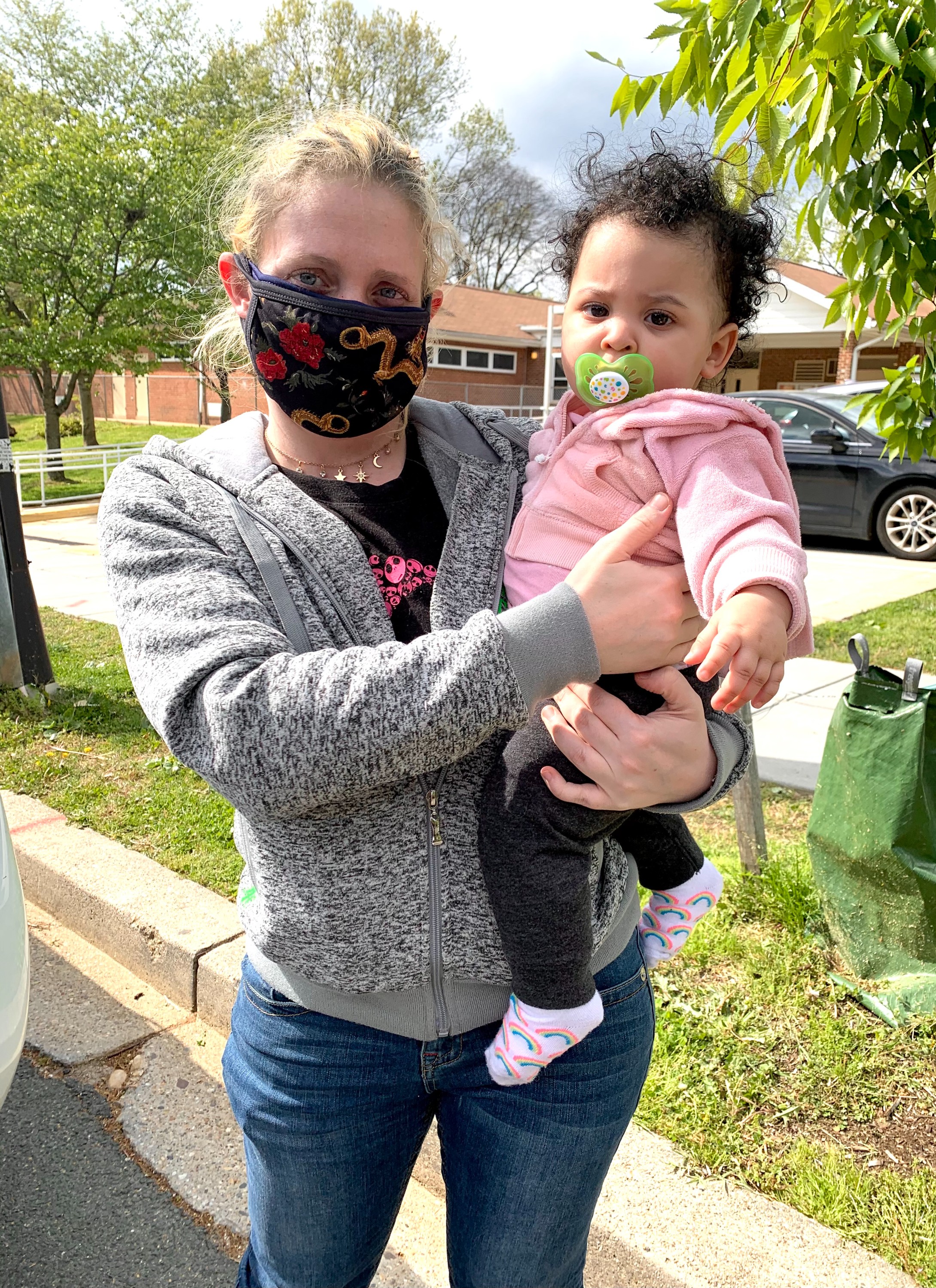
She adds that this isn’t the only part of the program that’s failed her during the pandemic.
In early 2020, right before the pandemic, she says that her Rapid Re-housing case manager helped her set goals and carve out a plan to secure housing and other social services. But since the pandemic, she hasn’t heard from her case manager.
“The main issue is that [phone] mailboxes are full and you can’t walk in, and that’s a serious problem because these people are almost impossible to get in touch with [during the pandemic],” Crawford says. “It’s like an act of Congress to try to get someone to talk to you.”
In Ward 8, one woman is nine months pregnant with her second child. She asked to remain anonymous for fear of backlash. About one month ago, she received a notification that by June she would have to move because she has been a part of the Rapid Re-housing program for nearly two years. The program provides housing services for 12-18 months. Currently, there are 3,100 families and 300 individuals enrolled in the program.
The woman says she will apply for a three-month extension that allows her to stay a little longer. But she doesn’t have a plan for what’s next, and it’s taking a toll on her mental health.
“I don’t have family members that I can live with, with a newborn child and a three-year-old,” she says. “It’s just days that I don’t want to get out of bed because I am overwhelmed because of my living situation with Rapid Re-housing and the new baby.”
For pregnant and new moms, advocates say adequate housing is the first step to starting a family.
“What can you build if you are unhoused?” says Sandra Jackson, executive director of House of Ruth, a housing program and resource for women and families who are experiencing abuse or homelessness.
“I know the mayor is certainly moving forward with affordable housing because it goes beyond getting people into services or programs. What happens when they finish those programs?” says Jackson. “Some people end up back in those situations because they have nowhere else to go.”
In 2019, D.C. Mayor Muriel Bowser set a goal to add 12,000 new affordable homes to the city by 2024. In January, Bowser also asked D.C. Council and city agencies for support as she pushes housing affordability projects. But mothers who are at risk of being unhoused say they need those housing options now. The ban on evictions in D.C. is effective through July 20.
Stress such as housing instability can lead to pregnancy complications, including low birth weight, peripartum anxiety, and depressive symptoms, according to the Center for Disease Control.
“The factors around having a healthy pregnancy are lowering the stress level, having good nutrition, having transportation to attend those doctor appointments, and if you don’t know where you’re going to sleep … that increases stress levels tremendously,” says Susan Gallucci, executive director at The Northwest Center in D.C., a nonprofit that provides temporary housing and services for pregnant women and mothers.
Crawford says she’s considering virtual sex work like OnlyFans so that she can pay down overdue and current living expenses, as well as stay home and watch her daughter until it’s safe to attend daycare during the pandemic.
When the eviction moratorium ends, she worries that she and her daughter will be evicted.
“My mother is currently homeless. If we’re evicted [and] homeless, my daughter will be the third generation to experience homelessness, and I don’t want that to happen,” she says.
This story was updated to reflect a dispute between Jessica Crawford and DHS.