Rachel Kurzius
Kate Monks pushed back her August 2020 wedding by a year “to keep our friends and family and community safe,” she says. But now, even though the region has seen a marked decrease in COVID-19 cases and increase in vaccinations — and entertainment venues are starting to reopen — the D.C. attorney and her spouse-to-be are weighing a venue switch for their August nuptials.
While the mayoral order that ostensibly loosened COVID-19 restrictions on May 1 authorizes residents to host smaller special events at banquet halls and other venues, it includes a curious provision that bans “standing and dance receptions” at these events — including weddings.
The order allows these special events with less than 250 people or 25% of a venue’s capacity, whichever is fewer.
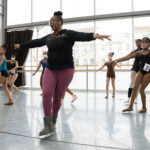
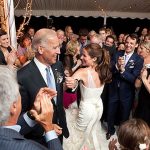
“When I dreamed about my wedding, I’ve dreamed about dancing with my husband, having the first dance with my dad,” says Monks. “We would just love to have the opportunity to have a real celebration after this incredibly difficult year.” She adds that all of her attendees are vaccinated. “The fact that indoor exercise classes can operate right now, but I can’t dance with my husband at my wedding while I’m fully vaccinated, frankly, just doesn’t make any sense to me.”
Monks and her betrothed, meanwhile, have started reaching out to venues in Maryland and Virginia, which don’t have any similar provisions in place. “Do we go with the venue that we’ve wanted for the last two years or do we move everything and move entire hotel blocks, move rehearsal dinners, and the event itself?” she says. “D.C. would lose out on thousands of dollars from our guests and the venue would lose money. We’re trying to wrestle with how we move forward from here.”
But Monks still has a few months. Her wedding planner is currently scrambling to help clients who have events in the coming weeks, she says.
A groom with a wedding less than three weeks away in D.C., who isn’t authorized by his work to speak to media, says he is panicking. “What are we supposed to do from 9 to 11 at night?” The couple, who loves to dance, already reserved a band, and put down thousands of dollars in a deposit, but can’t imagine having a full-fledged band if everyone has to stay in their seats all night.
“We would have never in a million years put down money and booked a venue if the dancing and celebration part were not on the table,” he says.
And it’s not just weddings, says Lyn Stout, the founder and creative director of Bond Events, which plans events and manages some District venues. “It’s graduation season. One of our venues hosts about eight parties a year — all of those had to be moved over to Virginia,” she says. “It’s about two miles over the bridge and they don’t have the same restrictions.” New York and New Jersey used to have dancing bans, which they loosened recently. Michigan and Illinois currently have similar measures in place.
When asked about the measure during a Monday press conference, Mayor Muriel Bowser said that “if you’re asking about being seated at large gatherings, that’s been our posture throughout the response to the pandemic … It’s the public health sentiment that we are still maintaining physical distance and, in venues where there’s other activity that adds risk for the spread of COVID, like alcohol consumption, it’s even more significant that people maintain social distancing.”
A spokesperson for Bowser declined to provide a comment to DCist/WAMU on the record about the guidance or its potential enforcement, despite multiple requests.
On Wednesday, she sought to reframe the issue at a press conference, after the ban was the subject of late night jokes and right-wing news fodder. “You might say that, for 14 months, we haven’t been able to host weddings at our venues, our hotels, and now we can,” she said. “We think it’s very important that we open up our industries, but we do it safely.” When asked why nearby jurisdictions haven’t instituted a similar ban, she said “I’m the mayor of Washington, D.C. so I work with our public health experts to make the decisions that are best for Washington, D.C.”
According to a statement from DC Health emailed to DCist/WAMU after publication, “Consistent with CDC recommendations, face masks and social distancing are required for large gatherings. Dancing at events does not allow for social distancing and increases close contact with multiple people.”
Since last June, when D.C. first entered its second phase of reopening, rules mandated that “all guests must be seated” at restaurants and “no standing at bars is allowed.” Establishments have been responsible for enforcing these rules themselves, though regulatory bodies like the Alcoholic Beverage Regulation Administration will come in to investigate potential violations.
But Stout says that the ban on dancing or standing during special events isn’t a continuation of previous policy — it’s new, and it came as a huge surprise to people in D.C.’s live events industry. When the mayor announced in early April that restrictions would ease in May on large gatherings like weddings, graduations, and conferences, planners got to planning, unaware that the order would also include the prohibition on dancing.
“We were able to have successful events in the fall. I mean, there were many weddings that stuck to the guidelines. They wore masks. They could only eat and drink at their tables. There was no ban on dancing at the time. It was just a restriction on the amount of people,” Stout says. “We even put hula hoops on the floor to keep people apart, to give them space.”
Now, Stout says, venue staffers are feeling the stress, as are the couples. “I mean, these couples have been planning some of these receptions for four years now,” she says. “One of our planners we interviewed with yesterday was telling us that one of their couples has broken up over it.”
This story has been updated with a new statement from DC Health.