 Dominique Maria Bonessi
 Margaret Barthel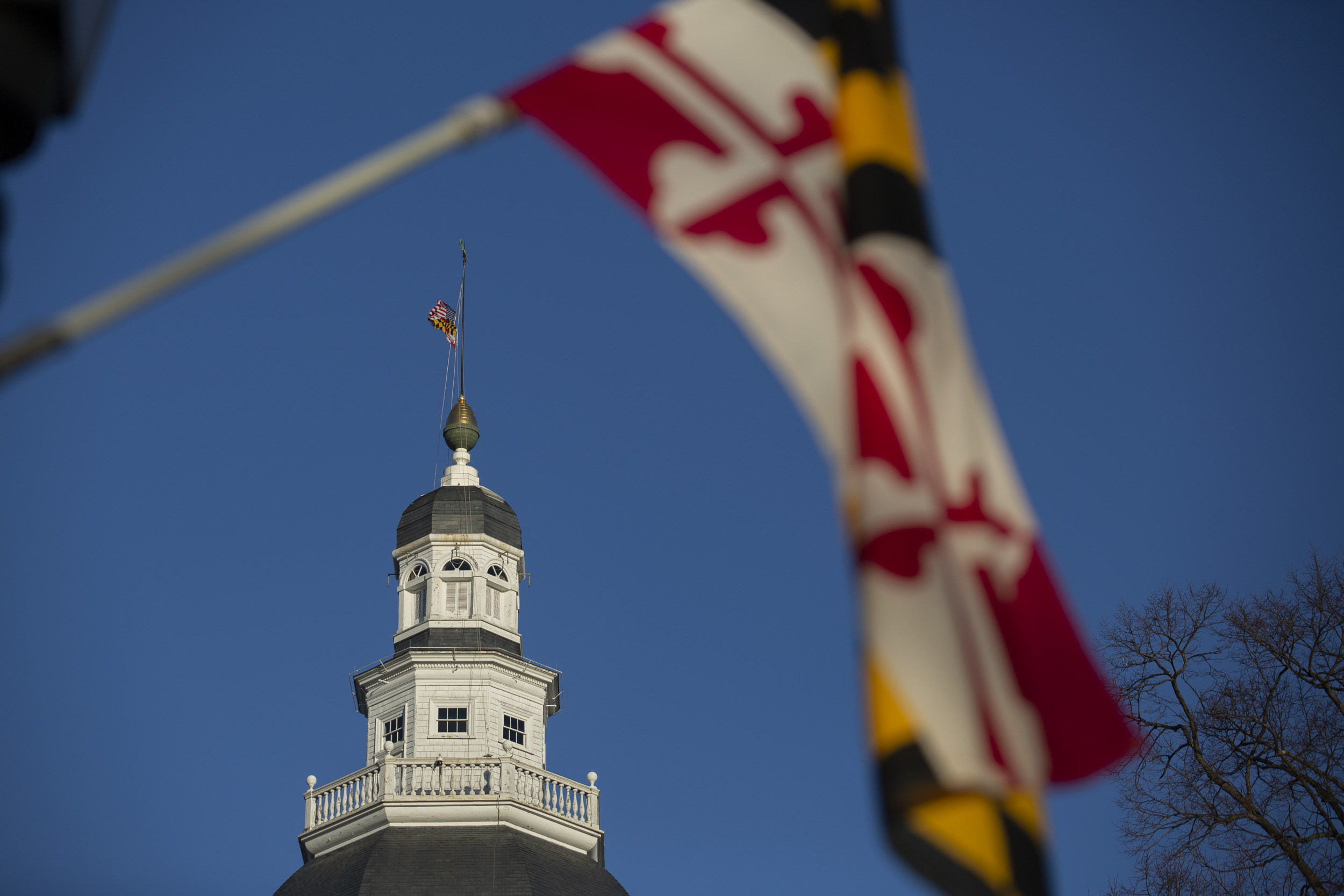
A number of new laws will go into effect around the region on Thursday.
Maryland has more than a dozen pieces of legislation set to take effect July 1. The state dropped a Confederate-sympathizing song as the state’s official anthem. The legislature also created a clearer compensation process for the wrongfully convicted, and expanded access to telehealth.
Meanwhile, in Virginia, several new laws included in a wider voting rights package take effect. Also, simple possession of marijuana will become legal for adults 21 and over. And the General Assembly also approved adding “disability” to the list of characteristics protected under the Virginia Human Rights Act — and the act now explicitly includes home care workers.
In D.C., the main change as of July 1 is the scheduled minimum wage increase, from $15.00 to 15.20 an hour. Legislation passed last year has the minimum wage increasing annually based on the rise in the cost of living in the region over the previous 12 months.
Maryland
In Montgomery County, the minimum wage increases on July 1, with the amount based on the size of the organization. For those employing over 50 people, the wage increases to $15.00 per hour. For medium sized organizations, it’s $14 and $13.50 for small employers (10 or fewer employees).
Repeal of State Song
After years of debate among lawmakers, “Maryland, My Maryland,” the pro-Confederate state song set to the tune of “O Christmas Tree,” will no longer be sung at official events. There are calls from a number of community groups to hold a competition to write a new state song. Last summer, Congressman Jamie Raskin wrote a new version of the song that could become a contender. It was recorded and sung by vocalist London Mevaa.
Walter Lomax Act
In 2019, five men were awarded $9 million in compensation after a long battle with the state over their wrongful convictions and a combined total of 120 years behind bars. This new law is named after one of the exonerated men, Walter Lomax, who died just before he was set to testify at a hearing on the bill last year. The law helps streamline the process for other wrongfully convicted people, including providing a compensation formula based on the state’s average median income over five years.
Telehealth
During the pandemic, telehealth appointments via Zoom or by phone acted as a bridge for patients unable to see their doctors in person. As of July 1, Maryland is permanently extending emergency rules put in place during the pandemic for coverage of telehealth appointments. The new law will expand access to telehealth, including requiring parity in coverage of virtual appointments and allowing for remote monitoring of patients.
Jordan McNair Act
The new law requires college sports teams to adopt guidelines to prevent, assess, and treat sports-related conditions and injuries. The law is named after Jordan McNair, a 19-year-old University of Maryland football player. McNair died from heatstroke after staff failed to properly assess and treat his symptoms after McNair collapsed during practice. The state’s university system will also be required to implement a return-to-play protocol for athletes experiencing a serious sports injury or illness.
Student athletes are also now allowed to enter into sponsorship deals with athletic brands, making Maryland one of the first states in the country to do this. The bill allows a company to use an athlete’s name, image or likeness, so long as they’re not engaged in official team activities and they disclose the contract to the athletic program.
Thomas Bloom Raskin Act
A law establishing a new program in Maryland to support residents suffering from mental health crises takes effect this week. The new law allows those struggling with mental health issues to opt-in to receive calls from counselors with the state’s 2-1-1 system. This proactive approach is part of the Thomas Bloom Raskin Act, named after Congressman Jamie Raskin’s son, who took his own life earlier this year.
Maryland Environmental Service
After a legislative investigation into the hefty $233,000 severance package for the former director of the Maryland Environmental Service, a quasi-governmental agency, the new law restructures the board to limit the power of the executive director. The director remains the head of the MES’s five member board, but does not have voting power. The board will also select a treasurer and a secretary from among its members rather than having those roles be appointed by the director. The new law also sets limits on the amount of money, $500, board members are allowed to expense to the agency before it must be reviewed by the board.
Virginia
Voter Access
While some states are choosing to roll back voting options in the wake of the 2020 presidential election, the Democrat-controlled General Assembly in Richmond moved in the opposite direction, adding to and extending some of the accessibility measures originally meant to help people cast ballots safely during the public health emergency.
Some of those new laws take effect on July 1, in time for this year’s statewide election in November. Those laws include allowing localities to offer in-person early voting on Sundays; creating designated drop boxes and require pre-paid postage on absentee ballots; and permitting voters with a disability or an injury to vote outside of a polling place — a right extended to the general public in the case of a public health emergency. Another new law bans anyone who’s not a law enforcement officer from carrying a gun within 40 feet of a polling place.
The most notable of the new voting laws is probably the Virginia Voting Rights Act, which requires new voting policies to be evaluated for discriminatory effects — but that law doesn’t go into effect until September.
Marijuana Legalization
Virginia became the first Southern state to legalize the use and sale of cannabis. The first part of that very complicated process begins on July 1, when adults 21 and over can legally possess (and even share) up to one ounce of marijuana and grow up to four weed plants. Gifting operations of the type available in D.C. are explicitly banned in the Virginia law, and sale of marijuana won’t become legal in the commonwealth until 2024 at the earliest.
That simple possession will become legal this July is thanks to Gov. Ralph Northam, who pushed the General Assembly to move up the legalization deadline by three years, from 2024 to 2021. Northam pointed to dramatic racial disparities in marijuana-related enforcement towards Black people as one reason for the change.
Disability Rights
Starting on July 1, it will be illegal to discriminate in Virginia on the basis of disability under the Virginia Human Rights Act. Legislation from the General Assembly added “disability” to the Act’s list of protected categories.
The new law also compels employers to make reasonable accommodations for employees’ physical and mental challenges, and blocks employers from retaliating against employees who ask for those accommodations.
Extending Pandemic Tenant Protections
There’s no longer an eviction moratorium in Virginia, and the commonwealth is scrambling to get federal aid to tenants before the federal eviction ban expires at the end of June. But there is one modest step to help tenants: the General Assembly approved a yearlong extension of a number of tenant protections, originally set to expire on July 1.
Those protections require landlords to offer payment plans for tenants behind on their rent; to serve written notice of the tenant’s nonpayment of rent before they begin to terminate the lease; and, in the case of smaller landlords, to wait two weeks before ending a lease agreement after serving notice.
A New Name For Lee Highway
Two years ago, Alexandria changed the name of its portion of Jefferson Davis Highway (US-1) to Richmond Highway, thus getting rid of the Confederate president’s name. Now, following a vote in the General Assembly, Arlington County is poised to do the same thing with Lee Highway (US-29), named after Confederate general Robert E. Lee. The law empowers the County Board to rename the roadway, and says that the commonwealth’s Department of Transportation will work with the county to create new signs, which the county will pay for.
What will be on those new signs? That’s still an open question. The county backed away from naming the road after Mildred and Richard Loving, whose descendants expressed privacy concerns. Another option is naming the road after John M. Langston, Virginia’s first Black congressman and the great-uncle of poet Langston Hughes.
Meanwhile, the General Assembly also voted to rename all of US-1 (formerly Jefferson Davis Highway) “Emancipation Highway,” but that change doesn’t take effect until July 2022.