Colleen Grablick
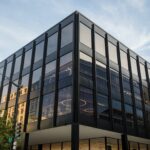
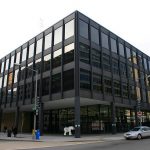
When D.C.’s Martin Luther King Jr. Memorial Library celebrates its grand “re-re-opening” this September, the central library will pay homage not only to its namesake, but the local faces — and voices — that have shaped the District over the decades.
A new permanent exhibit on the fourth floor of the building is “ meant to be a story, a very local story, about activism,” says Linnea Hegarty, the director of events, exhibitions, and development for the library system.
MLK Library reopened its doors after a multi-million dollar, three-year renovation in September 2020, with new additions like a 290 seat auditorium, recording and dance studios, and a even a children’s slide. But the pandemic-era service restrictions muted much of the opening fanfare. Now, the historically landmarked building is prepping to mark the anniversary of it’s massive modernization.
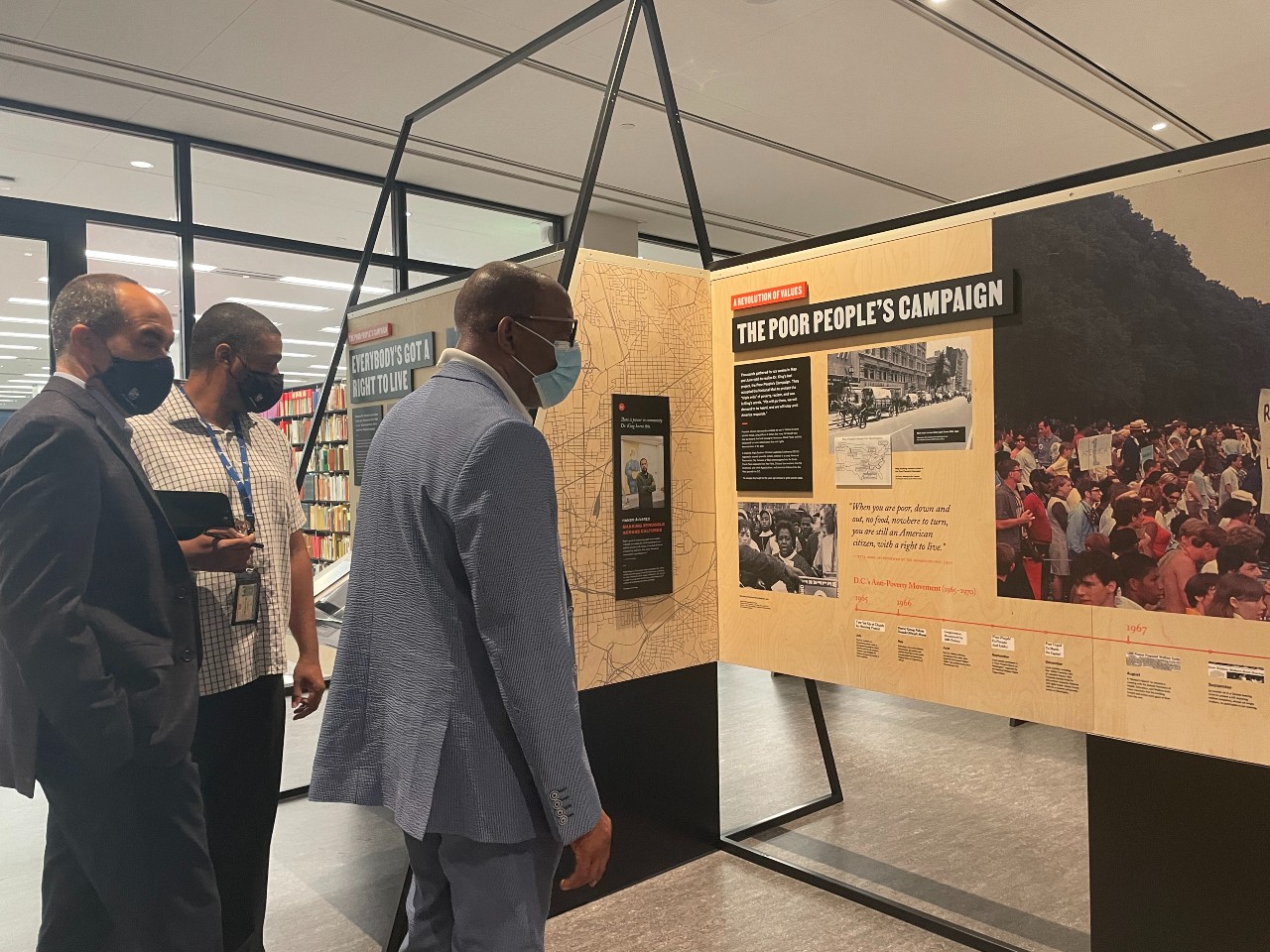

The first two sections of the permanent exhibit — “A Revolution of Values” and “Voices of D.C.” — opened earlier this spring. “D.C. Represented,” the third and final portion, is set to open on September 25.
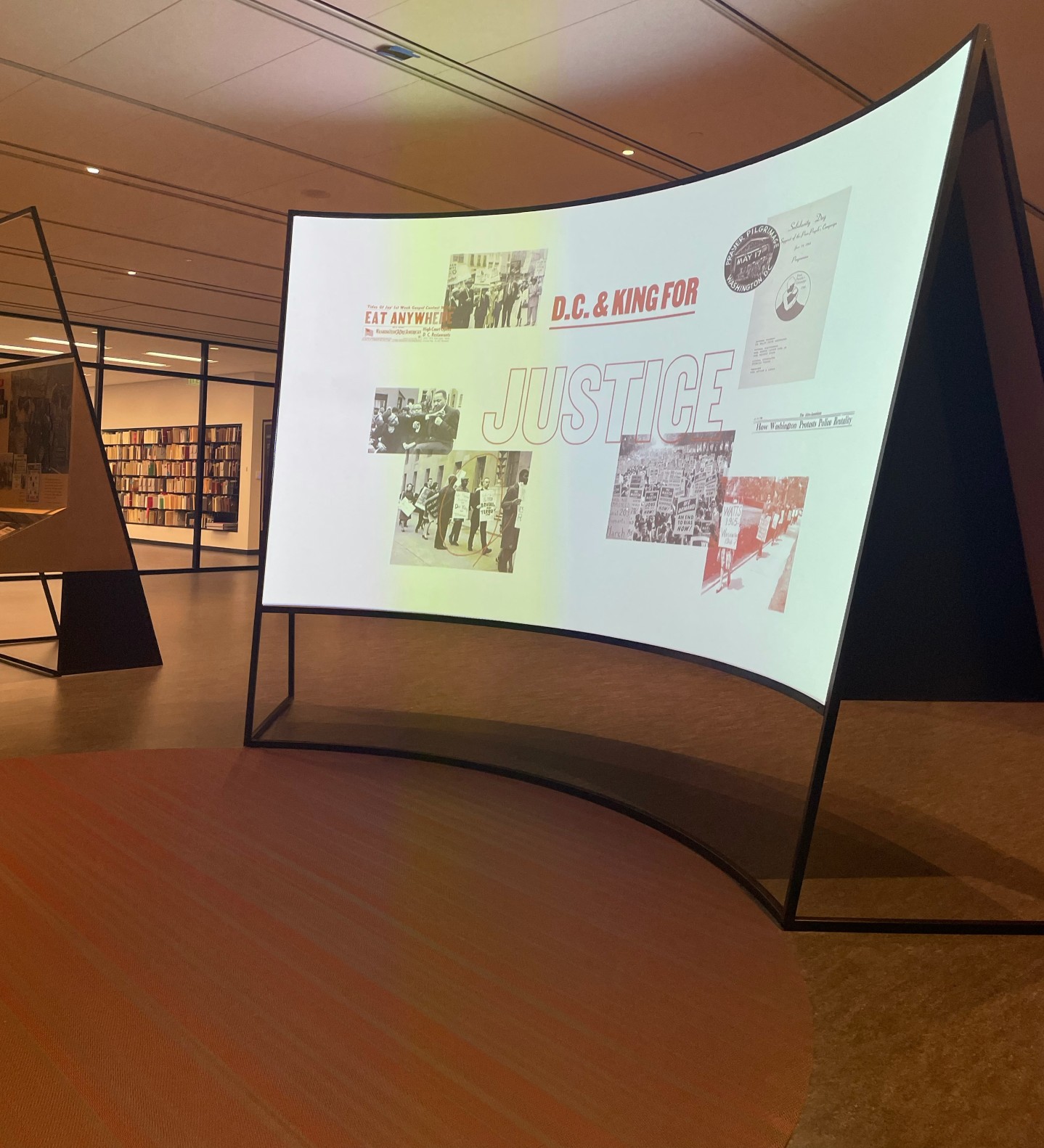
Taking up the west wing of the floor, “Revolution of Values” is focused on Martin Luther King Jr. and the role he played in local activism throughout the 1960s.
“Throughout the whole design process for the library, the one thing we heard over and over again was that [residents] wanted us to do a better job of honoring Dr. King,” says D.C. Public Library executive director Richard Reyes-Gavilan. “One of the things we wanted to do was certainly not just honor Dr. King the national figure…we really wanted to capture Dr. King’s influence on D.C., and D.C.’s influence on Dr. King.”
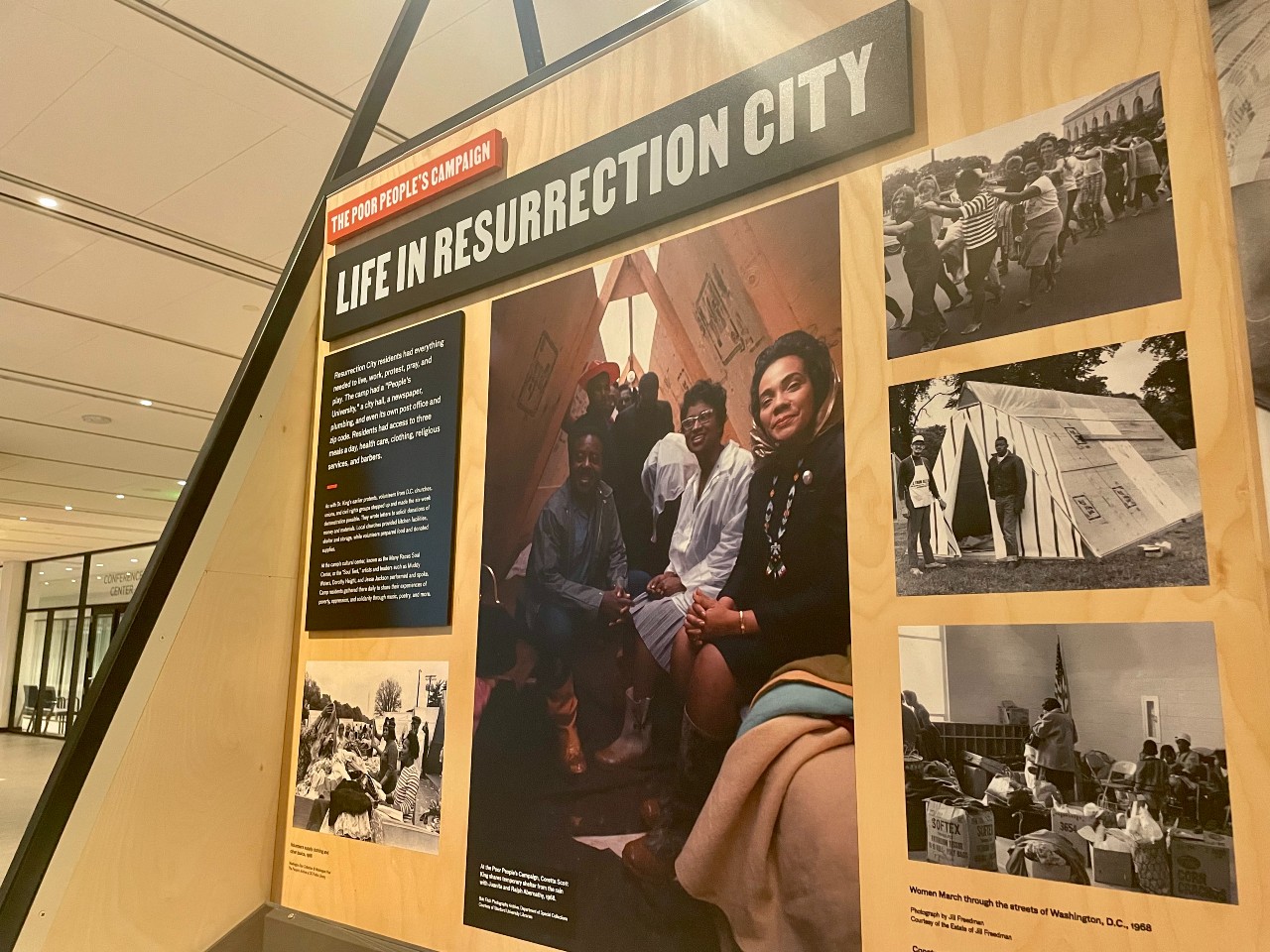
Displays on the Poor People’s Campaign and Resurrection City fill the room, structured in triangular shapes as a nod to the Soul Tent, a hub where residents exchanged poems, songs, and art. In the center of the room, a large projector plays a documentary, narrated in part by a piece of living D.C. history: longtime radio host Kojo Nnamdi (Nnamdi is employed by WAMU, DCist’s parent company, where he hosts the weekly Politics Hour show.)
The roughly five-minute video tells the story of the Home Rule Act, legislation that gave D.C. residents their own governing body, and how King inspired residents to continue fighting for representation. (Nnamdi received a private tour of the fourth floor recently, letting out a slightly surprised “oh!” when greeted unexpectedly by the sound of his own voice.)
“He was the most obvious choice in a way, as the person to do [this narration],” says Hegarty.
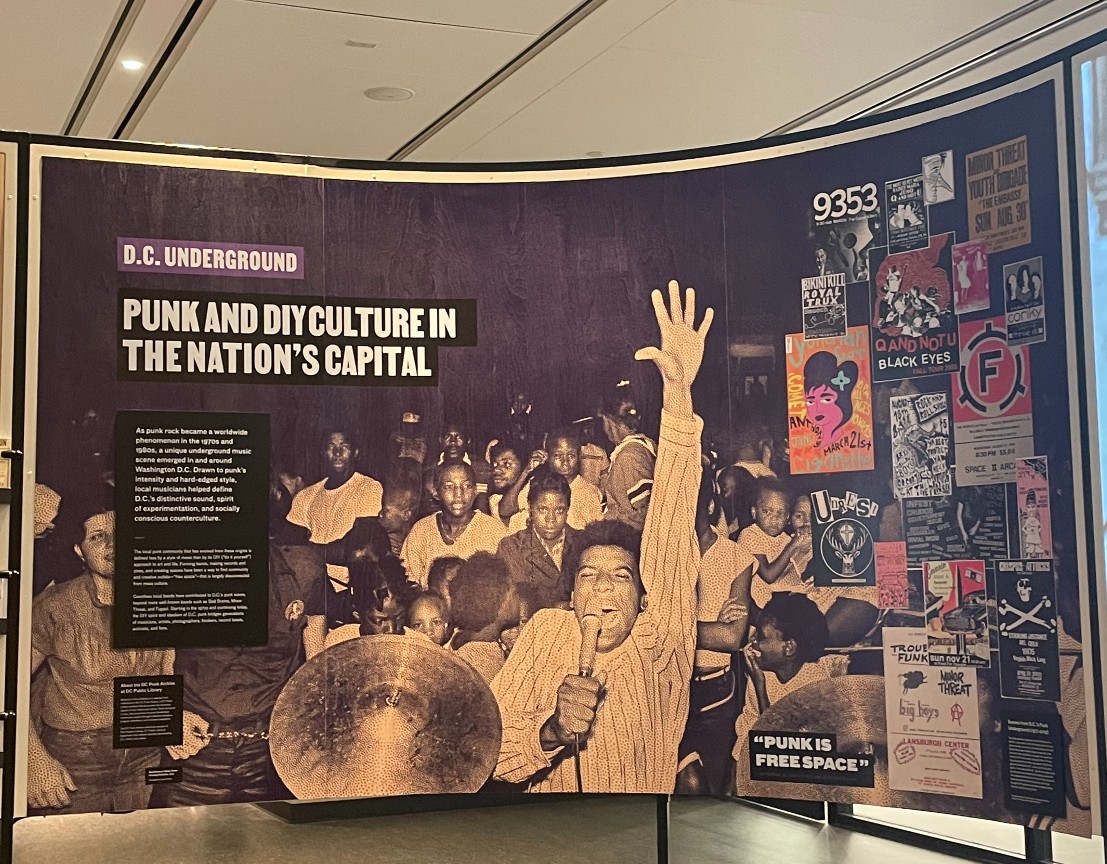
Moving from the west wing to “D.C. Represented” in the east wing, Nnamdi’s voice is replaced with tracks of go-go and funk music. Clips of concerts and interviews with go-go figures like William “Ju Ju” House of E.U. project on one side of the room, while visitors can see old footage of punk shows on the other.
Reyes-Gavilan described “D.C. Represented” as a “more eclectic” mix of information on D.C. ‘s history of culture and activism — featuring “relics” as recent as reprinted tweets to old campaign signs for “Mayor for Life” Marion Barry.
“It’s hard to tell the story of D.C. in the last 50 years without spending a lot of time on Marion Barry,” Gavilan says, but adds that “it’s not a Marion Barry worship site.”
The exhibit takes viewers from the past to the present of D.C. activism, including Don’t Mute DC protest memorabilia from the library system’s go-go archive. (The library added 2,000 new photos to the archive earlier this month, capturing performances and behind-the-scenes moments of both musicians and fans over the decades.)
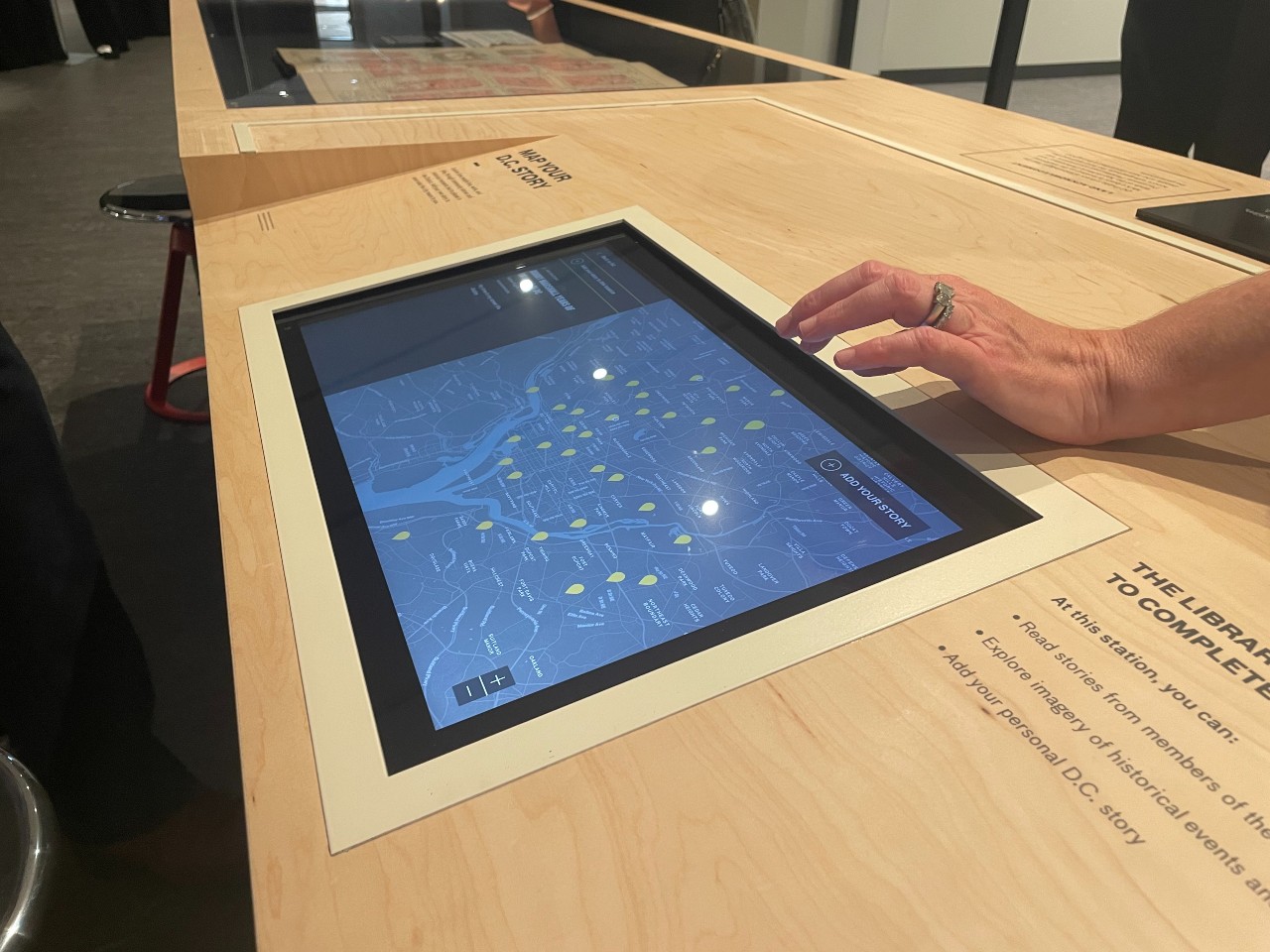
Between the east and west wings of the floor sits “Voices of D.C.,” an interactive exhibit that celebrates the stories of individual D.C. residents. Videos of community leaders play along a wall, and in the middle of the space, a table with a touchscreen map allows visitors to plot their own D.C. landmarks and write short blurbs about their significance.
“The idea is that this is sort of an ever-evolving snapshot of life in D.C. that you can contribute to,” Hegarty says.
The entire exhibit is designed, in-part, to inspire visitors and researchers to take advantage of the library system’s trove of historical D.C. materials, the People’s Archive. The pieces come from both the library’s own archives and borrowed materials, according to Hegarty.
“One of the things that I think we struggled with in the past was, as with any special collection in any library, people quite don’t understand what’s in there,” Reyes-Gavilan says. “And so the exhibition program does a great job at exposing some of this stuff.”
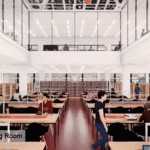
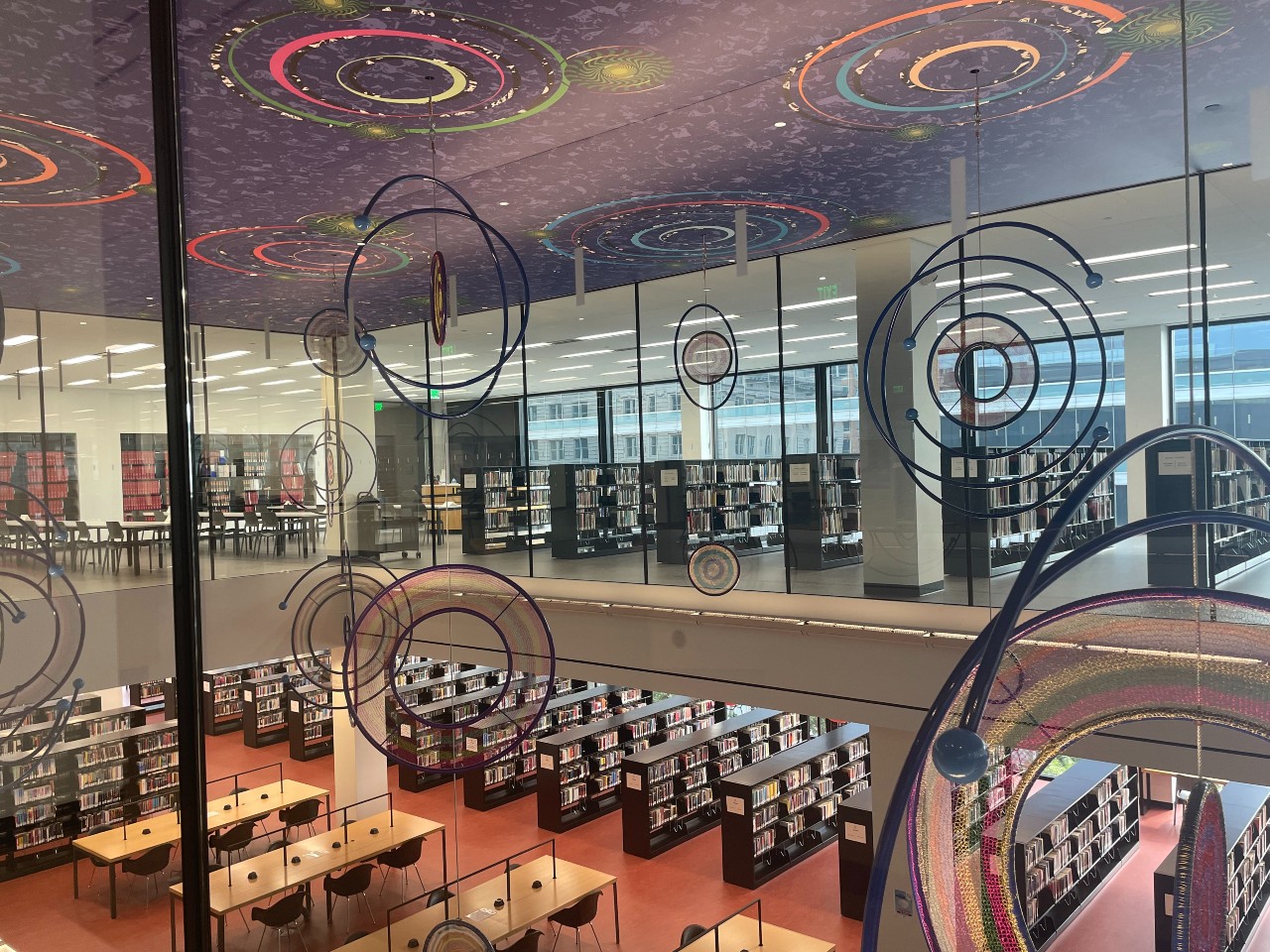
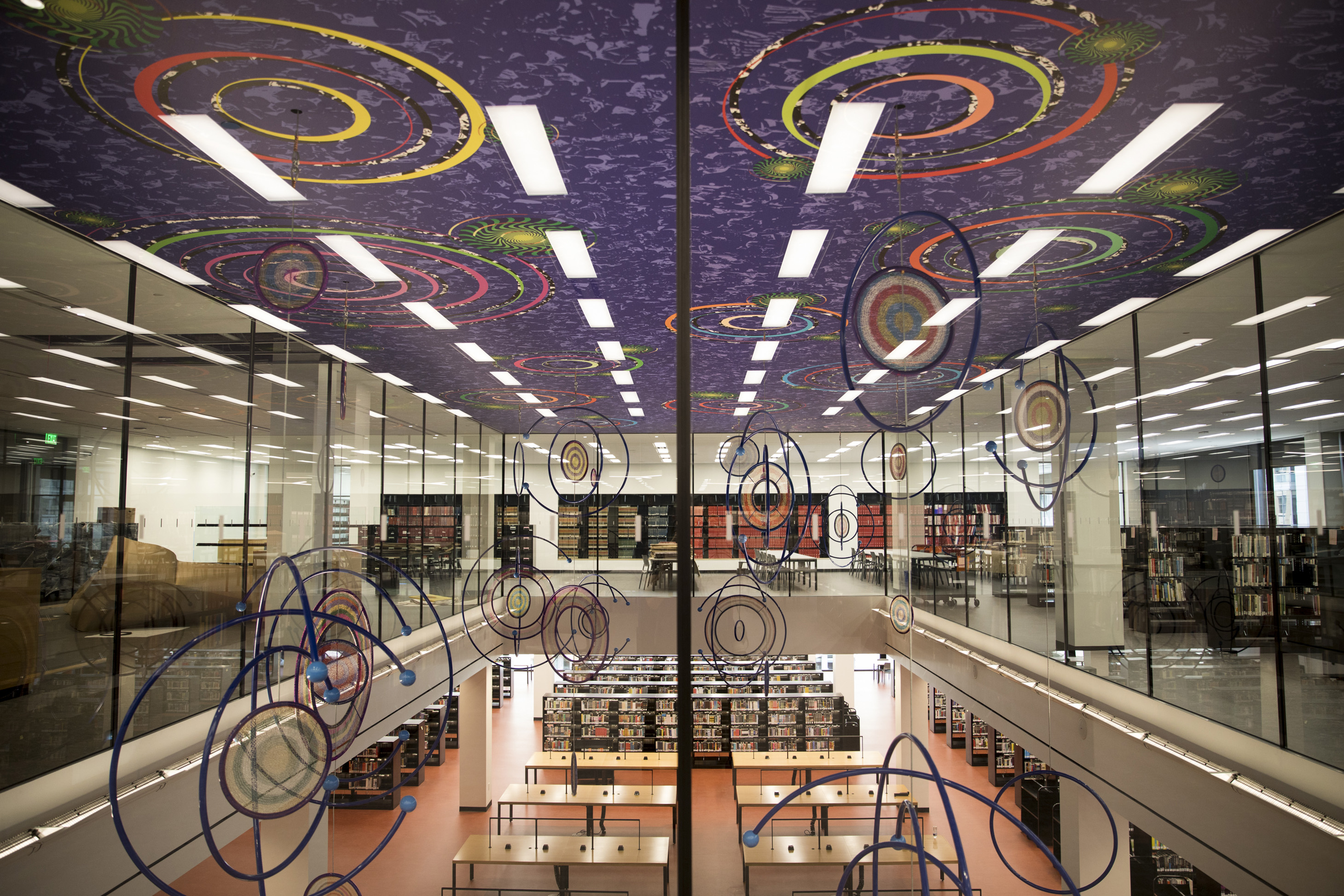
The “D.C. Represented” portion of the floor feeds into a room where visitors and researchers can browse through hundreds of old photographs, newspapers, and maps of the District. (Gloves are even required to hold some documents.) The collection overlooks a two-story, open-air reading room, one of the large architectural accomplishments of the renovation.
“One of the things that we wanted to do with the renovation was greatly expand the amount of space we had for local history stories and collecting,” Reyes-Gavilan says. “We wanted to create a double height space that would give visitors a sense of something sort of monumental.”
Visitors can currently view the “A Revolution of Values” and “Voices of D.C.” during normal library hours. “D.C. Represented” will open to the public on Sept. 25.