Dee Dwyer
 Jenny Gathright
In D.C., as in cities across the country, there is a long history of tense relationships between residents of Black neighborhoods and the police, fueled by instances of police harassment and, in some cases, brutality.
The news of the past month has, for many residents, made existing wounds even deeper. In mid-August, a video of an officer repeatedly punching Southeast D.C. resident Kiman Johnson went viral, and his family spoke out about the need for more accountability for police. Last week, police fatally shot Antwan Gilmore, a 27-year-old Black man, in Northeast D.C. And there was another fatal police shooting on Tuesday night.
“Right now it’s a lot of tension between the people and the police in Wards 7 and 8,” says Ward 7 resident Andre Glosson. “The way that they are currently serving our communities, it will not be able to be sustainable — it will only bring more discontent between communities and police forces. We have to sit in a room together and figure out the best ways to serve, and that’s from the mayor on down.”
These issues of distrust between residents of D.C.’s Black neighborhoods and the officers charged with policing them stretch back generations. D.C.’s Police Chief Robert Contee, who grew up in the District himself, has said that he personally witnessed these dynamics as a young person. He recently announced a new police unit that will patrol neighborhoods on bikes and scooters, which he said was a way to “bring down barriers and allow officers and the community a chance to interact.” Contee has also said that the department is “rethinking” the approach of its gun recovery unit, which has a reputation for aggressive policing — though activists have expressed doubts about whether the shift will lead to real changes for Black D.C. residents who say they face unwarranted police harassment.
Often, government and police leadership point to “community policing” as one solution to easing tensions by establishing genuine relationships between officers and the people they serve.
We asked residents in wards 7 and 8 what the phrase community policing means to them, and what role they think police should play in their communities. Some participants wanted to be identified by a partial name or a nickname. Responses have been edited for length and clarity.
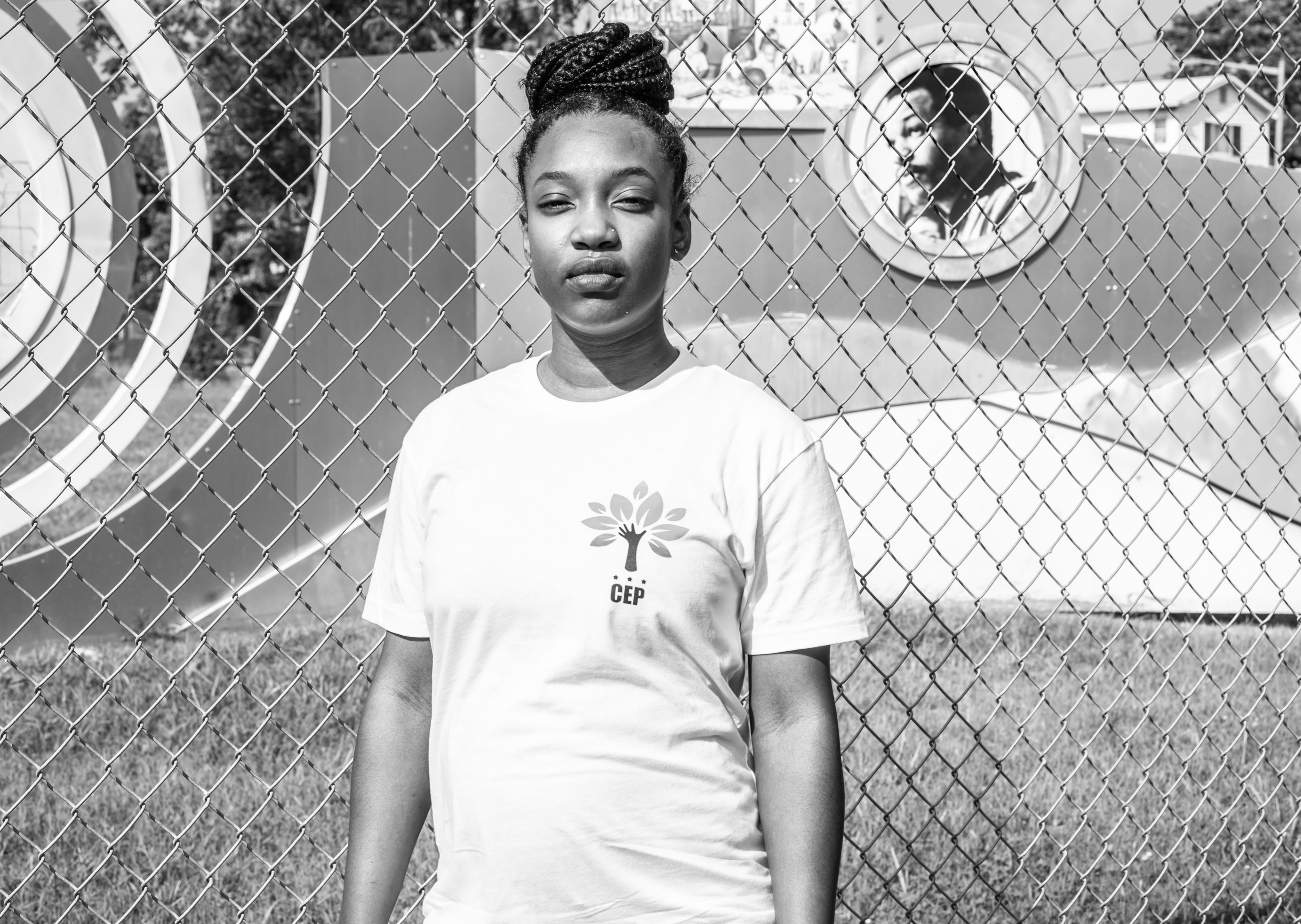
Lauren Grimes
I have a small youth non-profit called the Community Enrichment Project. We focus on working with youth from wards 7 and 8. My background is in political science [and] I teach a class at UDC. When I think of community policing, I think of nature versus nurture. At our core … do [humans] naturally create chaos and is that all that we are capable of doing? Or do we have the natural capabilities to create social order out of what could be a chaotic situation?
There’s this natural assumption that police are here to keep us safe, and not that there aren’t any who do, but I think when you are in positions of power it’s easy to let it take over you. It doesn’t seem like the police are able to create long-lasting, authentic, and genuine relationships across the board in communities because there is still a lack of trust. I don’t get the sense that that will go away. It seems historical and systematic. It’s summer, crime increases, families need extra support. The police are doing some events [to connect with the community], [but] a lot of it seems performative as if they’re just checking off a box. I’m not saying that there aren’t any officers who have a heart for what they’re doing, it’s just collectively it just doesn’t come off that way. I think that the respect is expected to go one way, which is from citizens to law enforcement.
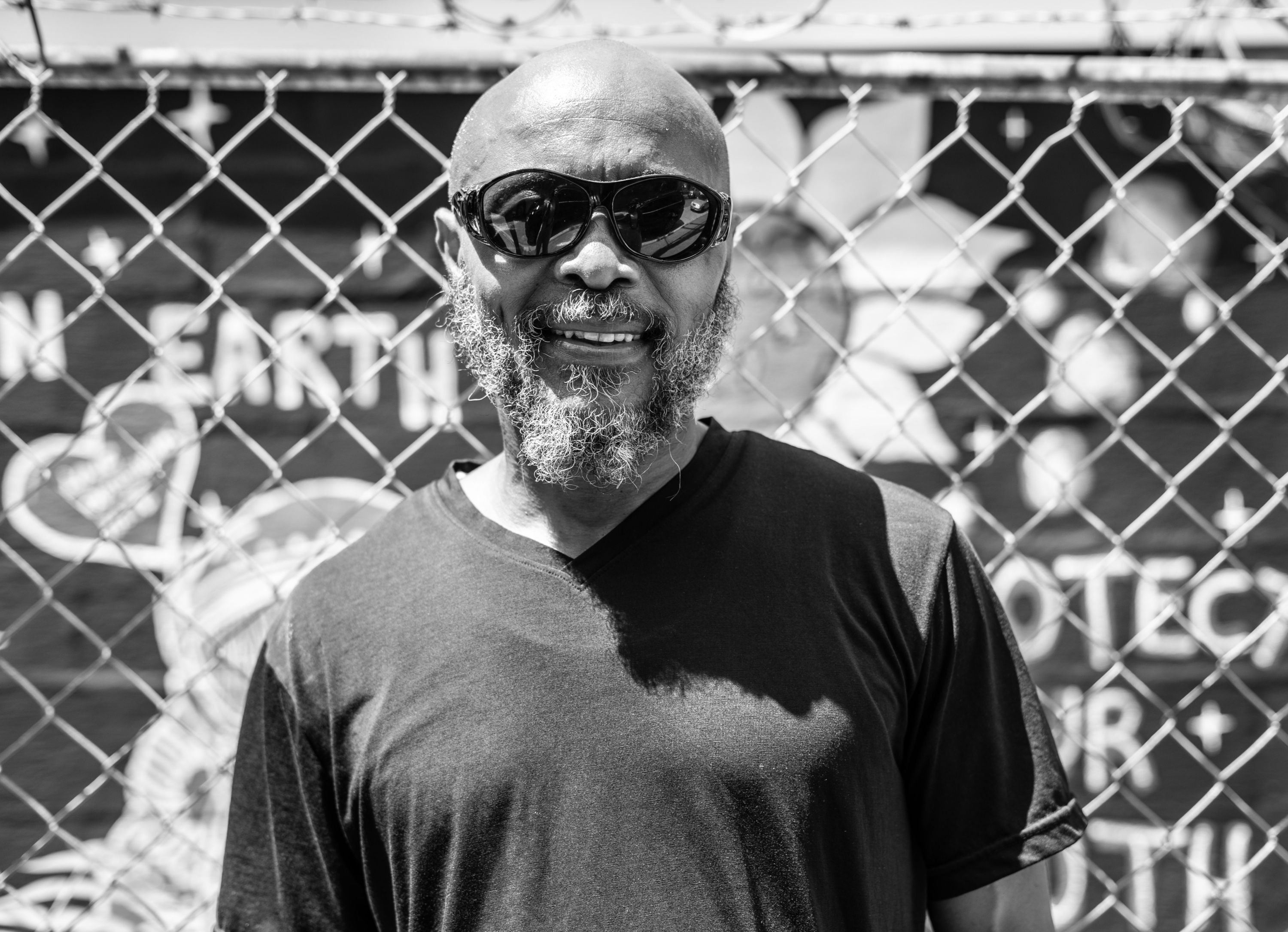
Nazcia R., “Wink”
I really feel like police should be involved in the community in a way that the police know you and you know the police. They enforce the law for a bag of weed or someone drinking outside. One time one locked me up for pissing outside. I’m like ‘Come on man’! I feel we need more Black police. Right now in Southeast it’s a lot of white police. They can get people on the force that grew up in the community. You can’t get someone from Arkansas or somewhere and expect them to understand us. Their community is another way. I know if I was a police, no one would even look at me like I was funny. Even if I became one tomorrow. You’ll have a couple of clowns but everybody know me. They know I ain’t gonna do nothing wrong.
A lot of crime happens because of [unemployment issues]. I think the mayor got a lot to do with that. It’s not enough jobs for these youth. Ain’t nowhere for them to go. There is no swimming pools, no playgrounds, especially since the pandemic hit. Ain’t nothing for the kids to do, what else will they do except glorify the videos they see on Instagram and hang on the corners? I bet you, you can’t go on the internet and find 20 white boys hanging together on the corner, not in the hood or anywhere. Those white boys get high as shit, doing drugs and are killers and all that shit. You’re not going to see them on the corner under a camera, getting locked up by the police jump-out squads. It doesn’t happen on any coast. They care about their community. Nowadays, our youth don’t care about our community. They will beef with the next block up and down. That’s how they beef around here.
It’s crazy! We treat each other that way because we’ve been tricked. There is nothing the government and police is going to do for this community. They are a whole other gang. The police aren’t crime fighters, they just respond to crime. You have to call the police, I’ve seen people fight while [officers are] sitting in their car. I’m like ‘ What are you supposed to be doing right there?’ One of us from the community are the ones that have to interfere and deesclate the situation. What the police do? He didn’t even get out of the car. He wants you to hurt or shoot someone then he’ll get out of his car. That’s how they do, I think that’s how they’re trained.
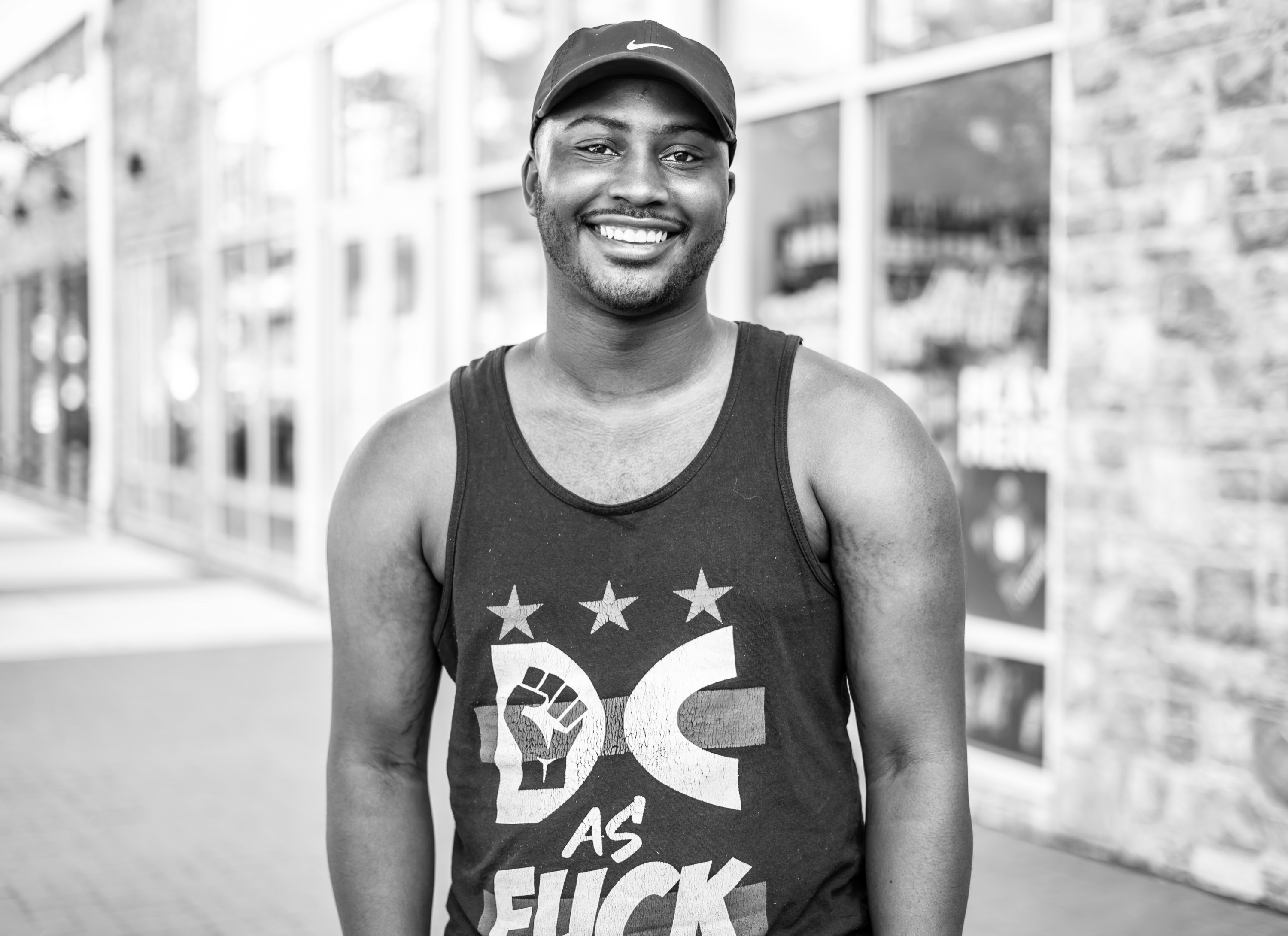
Andre Glosson
Resident community policing to me is first understanding the inherent racism that policing has already brought from its inception, and then revisualizing what that looks like in our communities. Whether that’s more mental health resources, [or] being able to have better relationships with the communities they’re serving. Repurposing the way the the police interacts and serves these neighborhoods. Right now it’s a lot of tension between the people and the police in wards 7 and 8. There was a young man, Antwan Gilmore, that was shot the other day. The police came to him because he was asleep at the wheel.
You have people continuously mourning their loved ones by people who are supposed to protect and serve us. While we are mourning our loved ones, we still want our communities to be safe. We’re in a difficult situation, trying to make sure that our community is served. Some of the solutions to build better relationships between the police and the communities in wards 7 and 8 will be for the police to know a little bit about us when they come. They have to understand that in a lot of neighborhoods they are serving, it’s under-privileged, there isn’t a lot of things going on. The police can bring resources to the community to help out. The community can then learn how to be more receptive by changing how we view the police but then again that goes on their experiences. We are trying to figure out the balance and necessity and need for them in our communities because to say we don’t need them or that they cannot serve a purpose will be futile. The way that they are currently serving our communities it will not be able to be sustainable, it will only bring more discontent between communities and police forces. We have to sit in a room together and figure out the best ways to serve and that’s from the mayor on down.
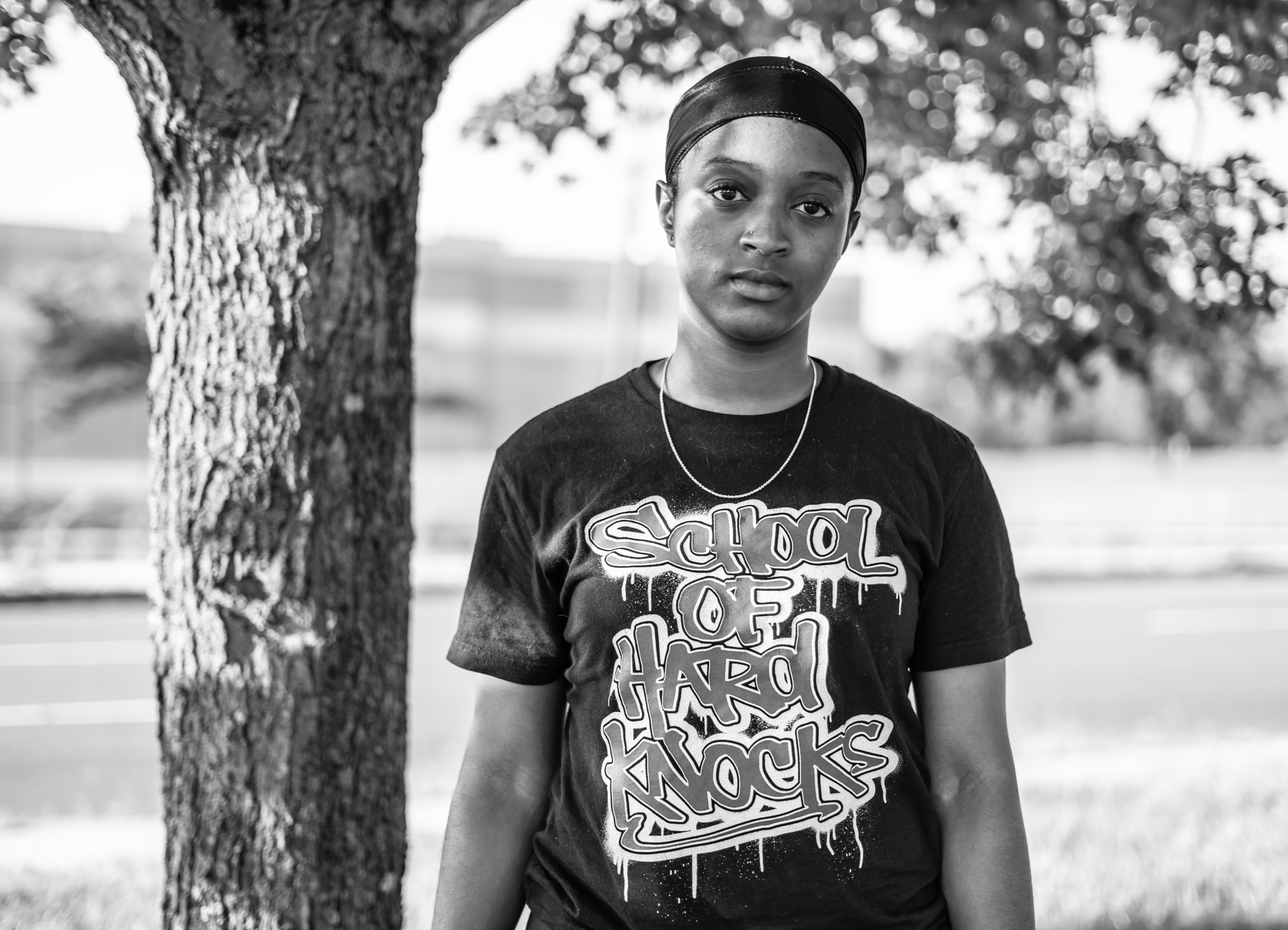
Rozalyn Wingate
When we think of the disparities of our communities, why people are doing what they’re doing, if we can target those things, then we can maneuver and build relationships with people we know, [and we can] have those conversations about what we would like to see in our community. That starts with mutual aid because people don’t want to listen to you if they don’t trust you. When you are willing to take the clothes off of your back or if you have extra toilet paper in your house that you don’t need and you’re willing to distribute those items to the people, it makes a difference.
If you are willing to do things for the community, people don’t have to rob, steal or kill people for those items. They know that they can depend on other people. We can build our way in to the community.
I rarely see the police unless they’re policing. It’s rare that I see officers doing community work just for the sake of it. Oftentimes I may see them blocking off a street or posted up at a gas station, Popeyes, or corner stores. They often don’t speak, they’re not friendly, there is no conversation on where they be in the neighborhoods. They’re not involved, oftentimes, in those communities. This is from what I’ve seen as an educator. The police is non-existent to me unless it’s time for action. Usually it ends up being that they are aggressive rather than trying to be understanding to the people they serve.
The community’s reaction to that is always going to be anger. The police stems from a slavery mindset. Before it was ‘I’m watching you on this plantation to make sure you’re doing what you’re supposed to do.’ Now it’s ‘I’m watching you to make sure you’re doing what you’re supposed to do based on the white laws.’ I think we are always going to be angry because we know that. At this point I feel it is very evident. We saw the young man, Antwan Gilmore, who was killed by the police who approached him for sleeping in his car. These are real problems and issues that they’re not willing to address. A lot of people do want the police in their community. I think it’s because they don’t know any other options to resolve the issues. They have the mindset of, I would rather have police than no protection at all. If we can instill strong relationships with those individuals and our communities to be able to find a different method that abolishes the police and eradicates that system then I think they would want that choice.
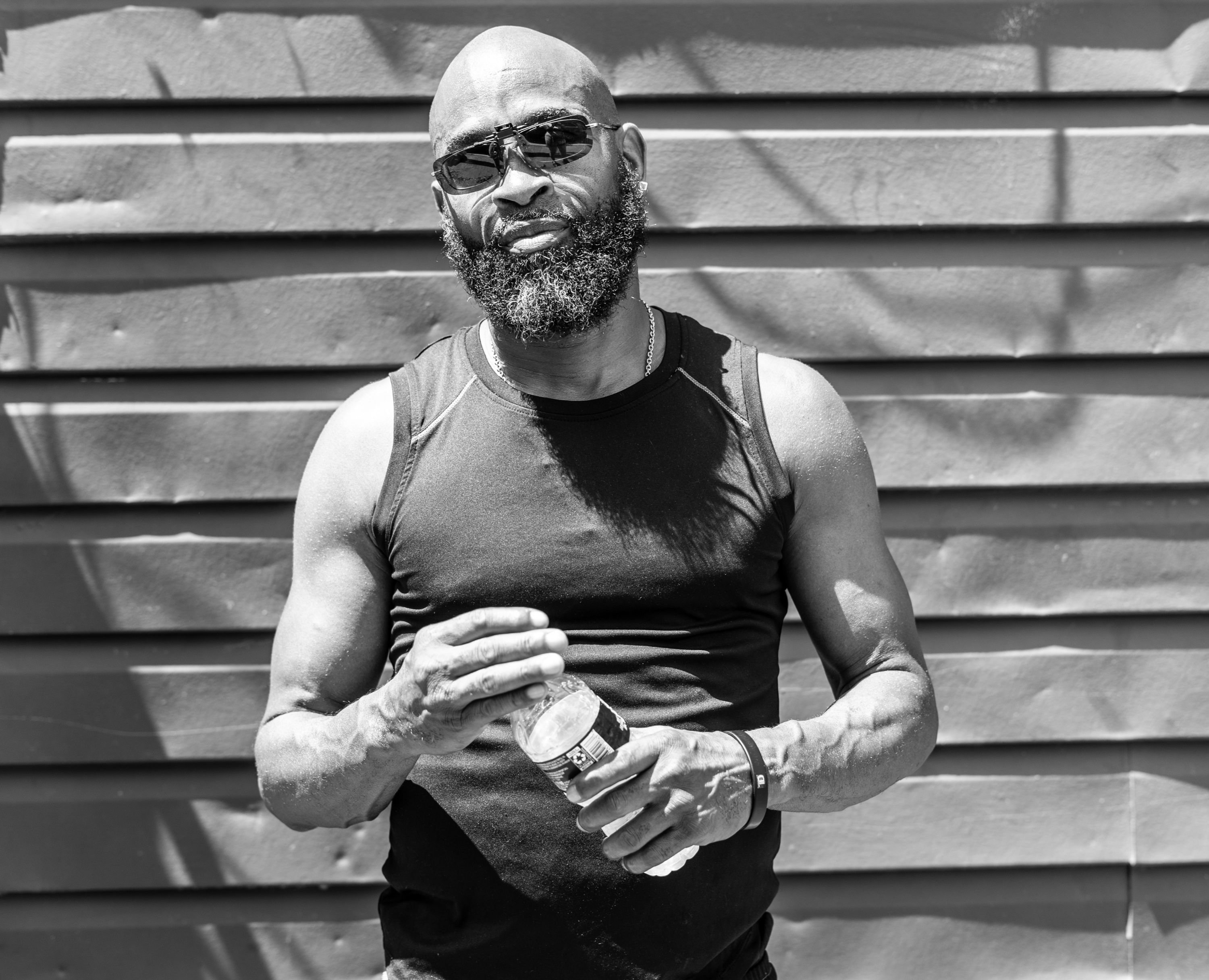
Peanut
Which are you from, Ward 7 or 8? I represent the Black community period. We are all Black, we are all one, so why separate us by neighborhoods and communities? That’s where it all starts, if you want to ask me. Of course the police should interact with us but if they do they should they should do it with respect and protocol.
That’s common sense. Bottom line, everyone isn’t a guilty suspect. My experience with the police is they treat you like an unwanted step child, first of all. It’s not cool at all. On top of that they act like you did something wrong when they approach you, all that shit ain’t cool either. The police don’t respect these neighborhoods that they come to work in. They just come to terrorize the youth because they know they can. It is what it is. They need to stop treating us like clowns and treat us with respect, that’s it and that’s all.
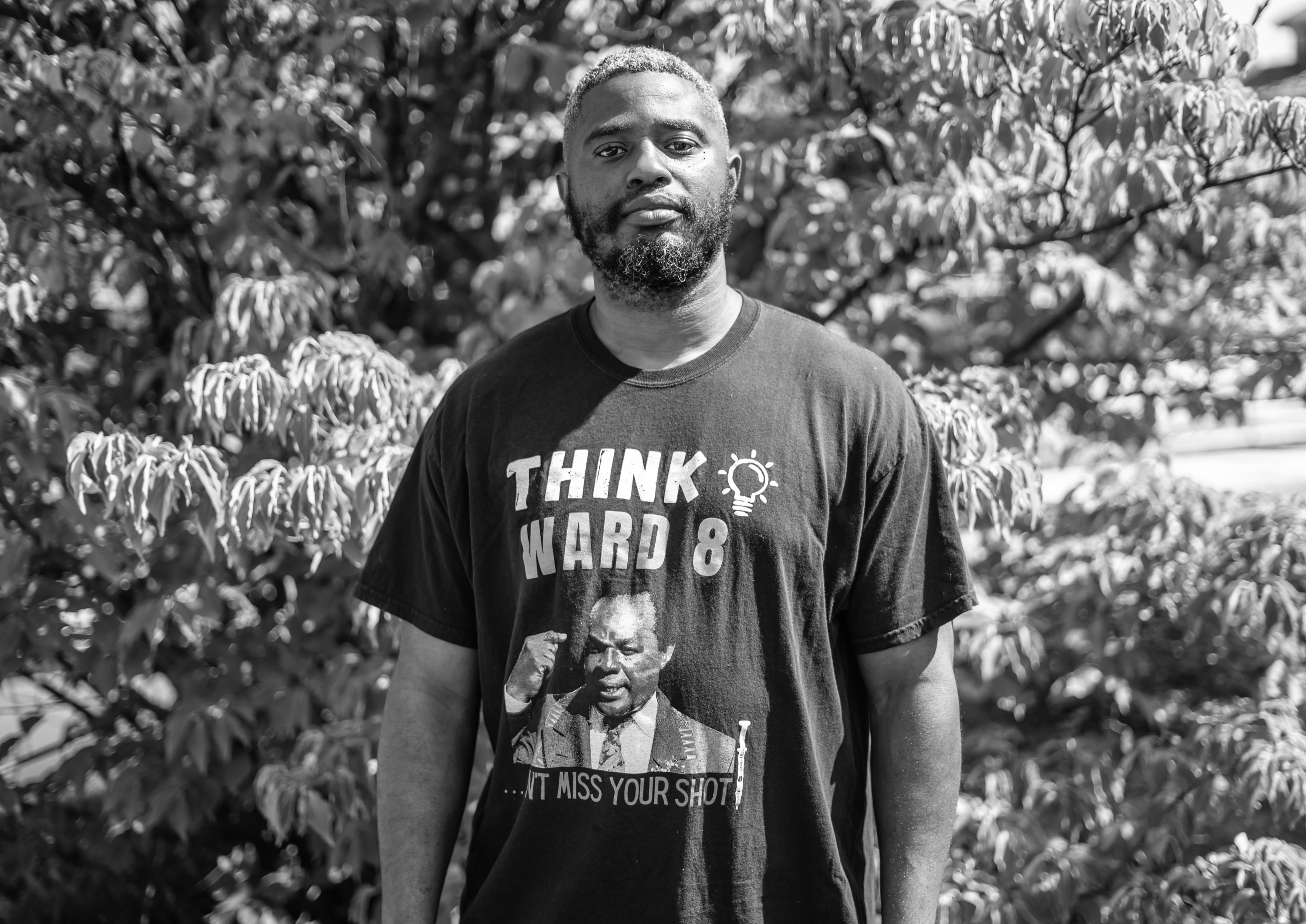
Salim Adofo
Community policing is multifaceted. Obviously the law enforcement known as the Metropolitan Police Department is one component. More so, community policing is the people who live in this neighborhood being responsible for each other. When we think about what that looks like in practice, it’s you [photojournalist Dee Dwyer] earlier today, asking those young ladies “Hey, what’s going on?” to try to see if you can be a mediator in their conflict. It’s making sure that we’re in the space so that the community can see the beauty within themselves, so they don’t have to find themselves in difficult situations that need somebody to be in the middle to mediate something, because they’re already living a life in a good space.
It’s brothers and sisters taking that responsibility when they do see something wrong to help put it back on the right track. It’s tapping into the resources that are available through the government, and making sure that people have access to them. I see that as community policing as a whole.
The relationship between the community and police is complicated too. There are some people who are frustrated with the way the police interact with us, and then there are some who are happy with how they interact with us. Both positions are valid. I talk to some folks who say the police don’t keep us safe, they only respond to incidents. I think at times that is very much true. I don’t believe that there is just a few bad apples, I feel that the system of policing as a whole is not what our community needs.
I do think that there are quite a few good people in our communities who wanted to make a difference, so they became an officer. Unfortunately they’re still stuck in a system that as a whole was not designed for our benefits and capitalizes off of our oppression. [But] I think it’s unfair to blame just the police for all of the things we see based off of white supremacy, because white supremacy is embedded in every system that America has, not just the police department. It’s in health care, education, transportation, public works. So we need to look into all of these agencies.
Ultimately the issue is definitely with some of the police officers, but more so with white supremacy and how it impacts us in our different segments of life. My 3-4 year short term solution will be to have more people from the community join the police department. We’ll have people who can relate to the young brothers and sisters that are often times harassed or misunderstood by current officers. A long-term solution is a revolution, it’s creating a system built upon equity as opposed to trying to capitalize off of the resources of a few. We have to take a certain level of responsibility, not pull yourself up by the bootstraps mentality, but make sure you are responsible for the things that you do.