Elliot C. Williams
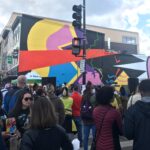
On Tuesday, amid the morning traffic of Metrobuses and a small crowd of bystanders, D.C. officials unveiled a new mural celebrating go-go on a corner in Shaw, where a battle once brewed over D.C.’s music, culture, and treatment of longtime residents.
“This is such a happy day,” Natalie Hopkinson, an author and Howard University professor, said at the unveiling. “We are one step closer to having everybody remember why this corner is a sacred place.”
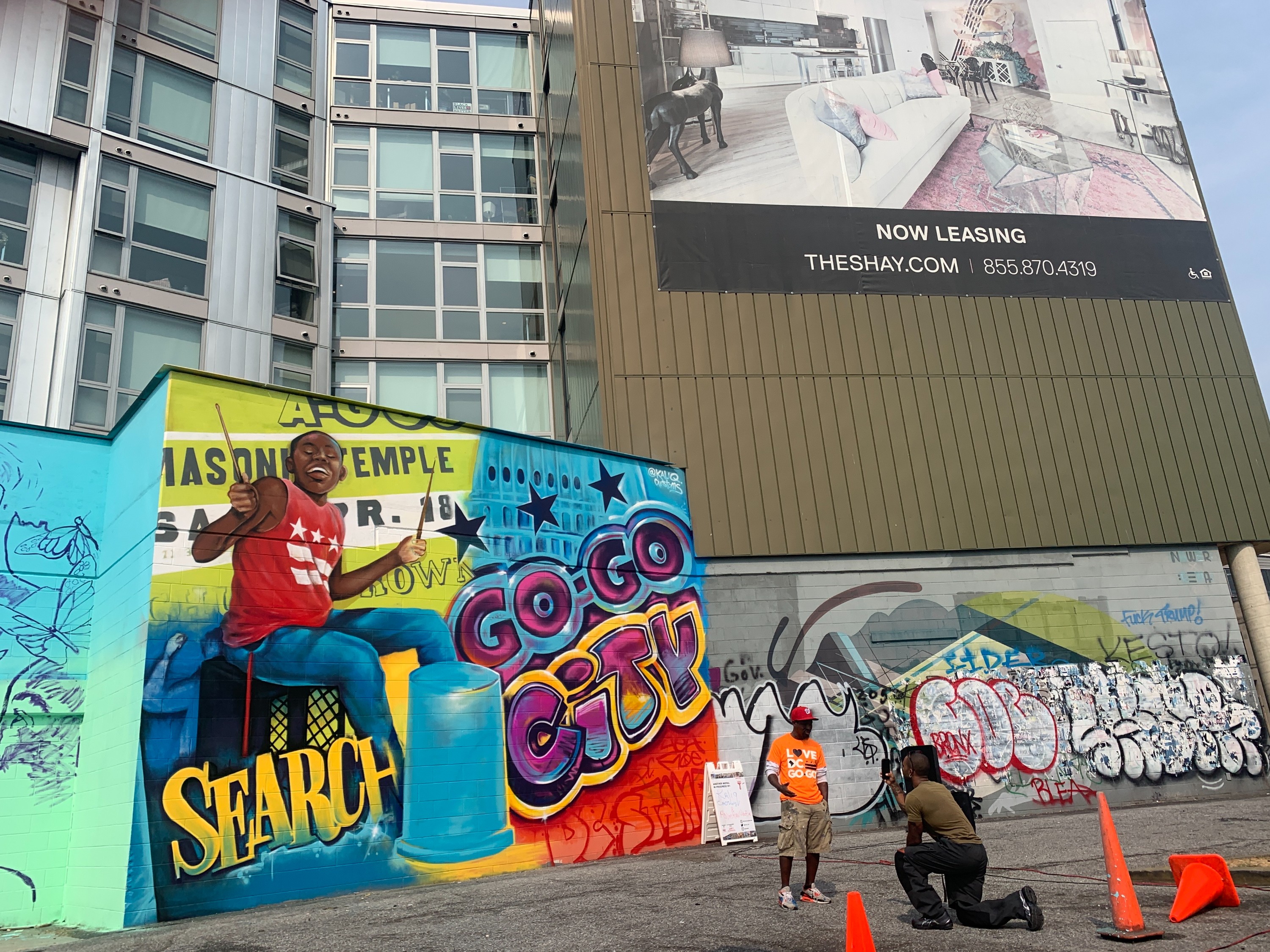
The brilliantly colored mural pays homage to the Junk Yard Band, the Soul Searchers (Chuck Brown’s band), and other legendary groups that helped create go-go music and the culture that surrounds it. The mural — by artist Kaliq Crosby — is spray painted along a wall belonging to The Shay, a pricey mixed-use building across the street from a Metro PCS store known for cranking go-go music. In April 2019, a resident allegedly made a complaint about the go-go music being played across the street, sparking an entire activism movement. A petition to bring the music back got more than 80,000 signatures from all 50 states and 94 countries, according to its organizers. (Many took the complaint as a symbol of newcomers pushing out native Washingtonians and their culture.)
The new art comes from MuralsDC, a project funded by the D.C. Department of Public Works and the Commission on the Arts and Humanities. This year’s commissions include 11 completed or in-progress murals across the city. Crosby’s mural depicts a joyous Black boy drumming on an empty 5-gallon plastic jug, a throwback to go-go’s roots and signature percussive sound. It also features a classic go-go poster, complete with bold font and bright colors.
“Part of the imagery comes from the Junk Yard Band. They were young guys who really got started playing on buckets and found objects,” Crosby says. “I just wanted to create something that pays homage to the city and the sound, which defines us and really sets us apart.”
That specific corner has significance for Crosby. The 35-year-old D.C. native remembers meeting in that parking lot to pose for pictures with friends after a night out on U Street during his teens and 20s.
Local artist and frequent MuralsDC collaborator Aniekan Udofia is currently painting a mural celebrating D.C. culture to the left of Crosby’s, and Crosby plans to paint a third panel to the right in the fall. In total, the murals will span 80 feet. Crosby is known for his mural of Amanda Gorman in Dupont, which he painted following the young poet’s reading of “The Hill We Climb” at the Presidential Inauguration.


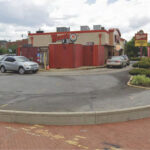
The Don’t Mute DC movement launched in April 2019, directly across the street from the MetroPCS store on the corner of 7th Street and Florida Ave. NW. Longtime owner Donald Campbell has played go-go music from loudspeakers on that corner, also called “Chuck Brown Way,” since 1995. At a nearby apartment building — Campbell said it was The Shay — a resident complained about the music, and Campbell alleged that T-Mobile executives told him to shut it off. At the time, a representative from The Shay told DCist, “We can’t confirm or deny that … There have been complaints about the music being extremely loud, but it’s not just The Shay. It’s people who live all over or are visiting the area. It’s not The Shay that has the issue.”
For multiple nights that spring, locals flooded the corner of 14th and U streets to protest and dance with go-go music cranking in the background. (Eventually, T-Mobile CEO John Legere intervened and said the music could continue.)
While the Don’t Mute DC organizers didn’t have a specific role in creating the mural, activist Ronald Moten says he’s been pushing for city leaders to commission go-go-inspired artwork since the start of the movement.
“Things evolve and people come together, and we continue to try to bring this city together and deal with gentrification in a positive way,” Moten told DCist at the event. “This is where everything started, right here.”
Natalie Hopkinson, author of Go-Go Live: The Musical Life and Death of Chocolate City and a member of the city’s arts commission, spoke about how important art is to the movement.
“One of D.C.’s most powerful politicians in the city had a conversation with one of my colleagues [on the commission] and said that arts are a really a ‘white thing,'” Hopkinson said in her remarks. “I’m looking around, and I’m looking at this mural, I look at this corner, and D.C.’s rich history and culture, and I wonder, how can you possibly say that? … Despite what some very powerful people would have us believe, art is not a white thing. Art is a human thing. Art is part of the fabric of who we are as Washingtonians, as Black people.”
Hopkinson noted that while working on an oral history with Campbell and the Smithsonian, it became clear why so many people signed the Don’t Mute DC petition.
“Go-go is not just music. It is healthcare, it’s housing, it’s education, criminal justice, and all the things that make us human in this city,” she said. “This is really just the beginning of what needs to happen to memorialize the incredible stand that was taken by Don Campbell and the community.”