Debbie Truong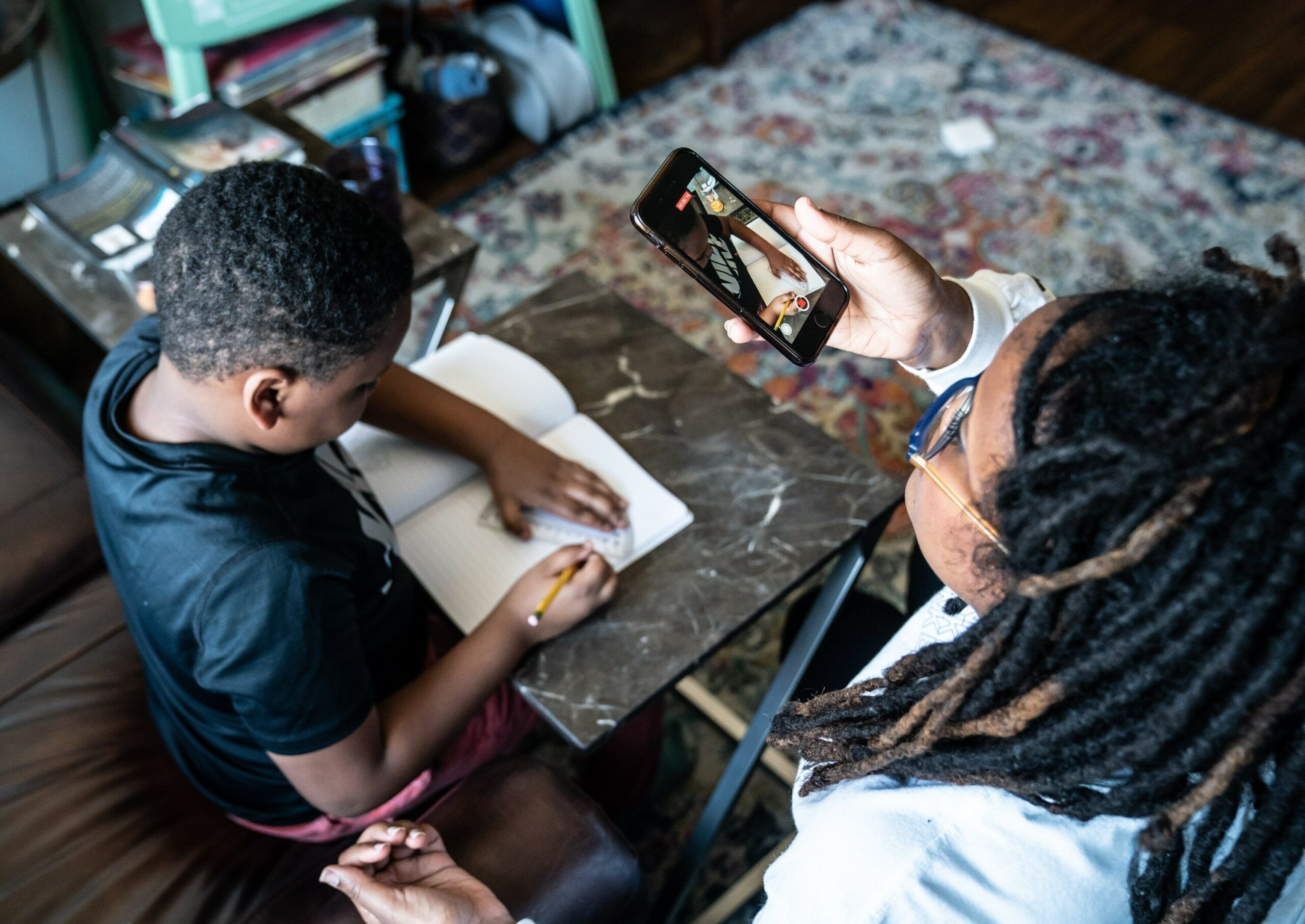
The D.C. Council signed off on a modest expansion to virtual learning for hundreds of students on Tuesday, stopping short of a more expansive plan that had drawn stiff opposition from Mayor Muriel Bowser.
The emergency measure, which passed unanimously, would allow 350 more students to enroll in a virtual academy operated by D.C. Public Schools. Several lawmakers said they wanted to extend access to online instruction to even more schoolchildren but were constrained by a rule that prohibits emergency legislation from costing the city extra money.
An earlier version of the bill did not include a cap on the number of students who could learn online. D.C. Council Chairman Phil Mendelson (D) said he introduced the limit so the legislation could move forward.
“We would go further with regard to relaxing the restrictions on virtual learning,” he said. “We cannot go further.”
The measure, which also expands online seats for students in charter schools, would make it easier for students with health issues to qualify for online instruction. And it allows children who are not eligible for a coronavirus vaccine to participate in online learning if they live with someone who is immunocompromised.
The city is currently only letting D.C. students participate in online learning if a physician signs a form that asserts a child has a health condition that requires it. But some families and the Children’s Law Center, an organization that represents vulnerable children, said the strict language made some physicians reluctant to sign the form.
Fewer than 300 students in D.C. Public Schools are currently enrolled in online instruction. The city is not tracking that figure for charter school students.
Emergency legislation does not require further scrutiny from the D.C. Council or Congress but must still undergo mayoral review.
Deputy Mayor for Education Paul Kihn said the city is still reviewing the bill and trying to understand its implications.
“We spent a long time developing our plan, which anchors off of in-person learning and provides a virtual option for students who have medical needs,” Kihn said. “We think that is the best approach.”
Bowser sent a strongly worded letter to the D.C. Council over the weekend protesting any expansion. She argued the plan would create a serious burden for schools.
“We will not disrupt our existing classrooms and negatively impact the students in them,” she said in the letter. “We know there would be considerable cost to schools that would need to create entirely new systems to serve these students in these new ways.”
Bowser also argued the bill ran counter to recommendations from the Centers for Disease Control and Prevention and the American Academy of Pediatrics, which have advocated for full-time in-person learning.
D.C. Public Schools Chancellor Lewis Ferebee similarly pushed back against an expansion of virtual learning before the meeting. He worried it could lead to thousands more students participating in online instruction, creating a need for the school system to hire extra staff and purchase additional technology.
“I just think it’s going to be potentially very disruptive,” he said on Sunday.
Councilmembers were highly critical of that stance during Tuesday’s meeting, arguing it ignored the wishes of many parents who lobbied for more virtual options during a public hearing on school reopenings last month.
At-large Councilmember Elissa Silverman said she was “disturbed” by Bowser and Ferebee’s response to the bill.
“The letter the mayor sent opposing the bill used very bombastic language,” she said. “What has been disregarded has been student, educator and school staff voices on how reopening has worked so far.”
At-large Councilmember Robert White argued city officials are interfering with the ability for parents to make their own judgement on what is safe for their families.
“There’s just been so much rigidity in the approach to schools,” he said.
Many families have urged the city to relax its position on distance learning even further. A group called DC Families for COVID Safer Schools, which has about 100 members, is urging the city to make virtual learning available to all families that want it, among many other changes.
The emergency legislation also made several other changes to address health and safety concerns on campuses. It mandates that schools provide weekly asymptomatic testing each week to 20% of students by Nov. 15. The city has set a goal of testing at least 10% of students each week but has struggled to reach that threshold.
It also excuses the absences of students who choose to stay home because a family member is identified as a close contact of someone who tests positive for COVID-19; directs the city to provide more detailed data on COVID-19 cases in schools and requires schools to notify parents within 24 hours if a case is identified in their child’s classroom.