Dee Dwyer
 Debbie Truong
About three months into the academic year, Tiffany Cary is still apprehensive about sending her children into school buildings during the pandemic. “I’m not sure if I’m doing the right thing as a parent by allowing them to stay in the school,” said Cary, whose three children attend school in Ward 7. “My child is at risk every day. But then again the in-person learning has really helped them.”
After most students spent all of last school year online, D.C. took a strict approach to reopening campuses. City officials restricted distance learning this year to students with medical needs, stoking frustration from some families who pushed for more expansive virtual options.
The 2021-2022 year is far from normal. Masks are required. Students submit to coronavirus testing, some on a weekly basis. Quarantines are a frequent source of disruption to learning. Getting teachers and students vaccinated against the coronavirus is viewed by public health experts as key to reducing transmission and restoring normalcy on campuses.
D.C. Mayor Muriel Bowser imposed a vaccine requirement for teachers and other staff in D.C. Public Schools, which educates about 50,000 students. Many charter operators are also requiring staff to get vaccinated. But schools have held off on requiring the coronavirus vaccine for students. And many families in large swaths of the city are reluctant to have their children inoculated. In Ward 7, just 26% of 12 to 17-year-olds are fully vaccinated against COVID-19, according to data from D.C. Health. In Ward 8, 23% of 12 to 17-year-olds are fully vaccinated.
Cary said she received the vaccine herself but is cautious when it comes to her children. “I’m not ready for any of my children to have it,” she said. “I need more data and time.”
DCist interviewed Ward 7 and 8 educators, parents and students about in-person learning during the 2021-2022 academic year. Their experiences reveal the challenges of teaching and learning in the middle of a pandemic, and how families are managing their reservations while acknowledging the necessity for in-person instruction. Responses have been edited for length and clarity.
Meleah Campbell, Ward 7 educator
I’ve been an educator for 5 years. I taught in Ward 7 as a pre-k4 and kindergarten teacher for the past year and a half. When we got the clear to do in-person learning in the beginning, we had a max of eight students in our class. I volunteered to go back in person to teach because I missed it so much. It was great because it was only two hours. That was great to interact with that small amount of kids versus twenty four of them during the pandemic.
This year it’s been a big transition for both students and educators because we’ve been out of the classroom for so long. With all the COVID-19 requirements it makes teaching difficult, and teaching was already challenging.
To make sure kids are staying six feet apart, ensuring four to five-year-olds have their masks on is a lot, you have to remind them all day. We’re teaching with a mask, therefore they can’t really see your mouth when you’re doing the foundational skills such as reading. This year I noticed a lot of kids have been absent from school because they’re sick. It impacts their ability to retain and learn information because when they’re gone for a whole week, we aren’t able to interact with them.
Another tricky thing about this year is having the kids take their COVID-19 tests at school.
Last school year they had a nasal swab where kids were able to do their own tests. Now students have saliva testing, and kids sometimes have to sit for ten minutes trying to build enough spit to fill a tube, it’s honestly pretty nasty. It wasn’t what I signed up for as a teacher. I’m having to do things that I’m not comfortable with doing. It made teaching more stressful. If I could recommend better changes it would be to relieve teachers of some of the responsibilities that are being put on them because we’re supposed to focus on the academic, social, and emotional aspect of education.
Because of these added responsibilities due to COVID-19, it makes everything seem stressful. That can cause a negative impact on educators’ mental health. My experience was waking up at five in the morning, working all day, and literally having enough energy to repeat the process.
I also feel that with the [vaccine] mandates, it’s made teachers who probably wouldn’t want to opt in to getting vaccinated do things against their will because their livelihood depends on it. They didn’t have the personal choice to do what they wanted if they didn’t want to get vaccinated. I don’t know if that’s fair because it’s forcing people to make a choice. Leadership should see how that affects a teacher’s mental health.
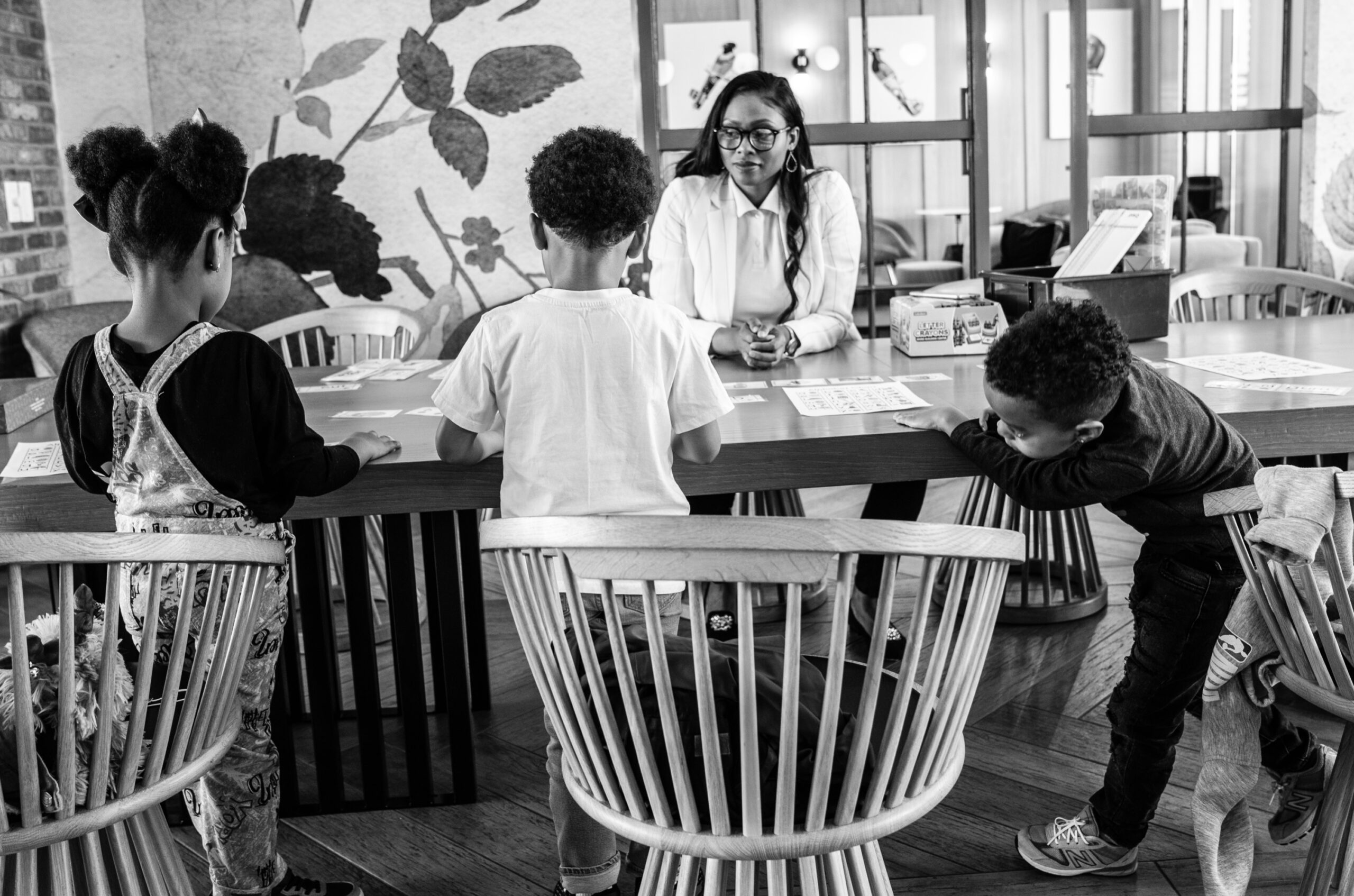
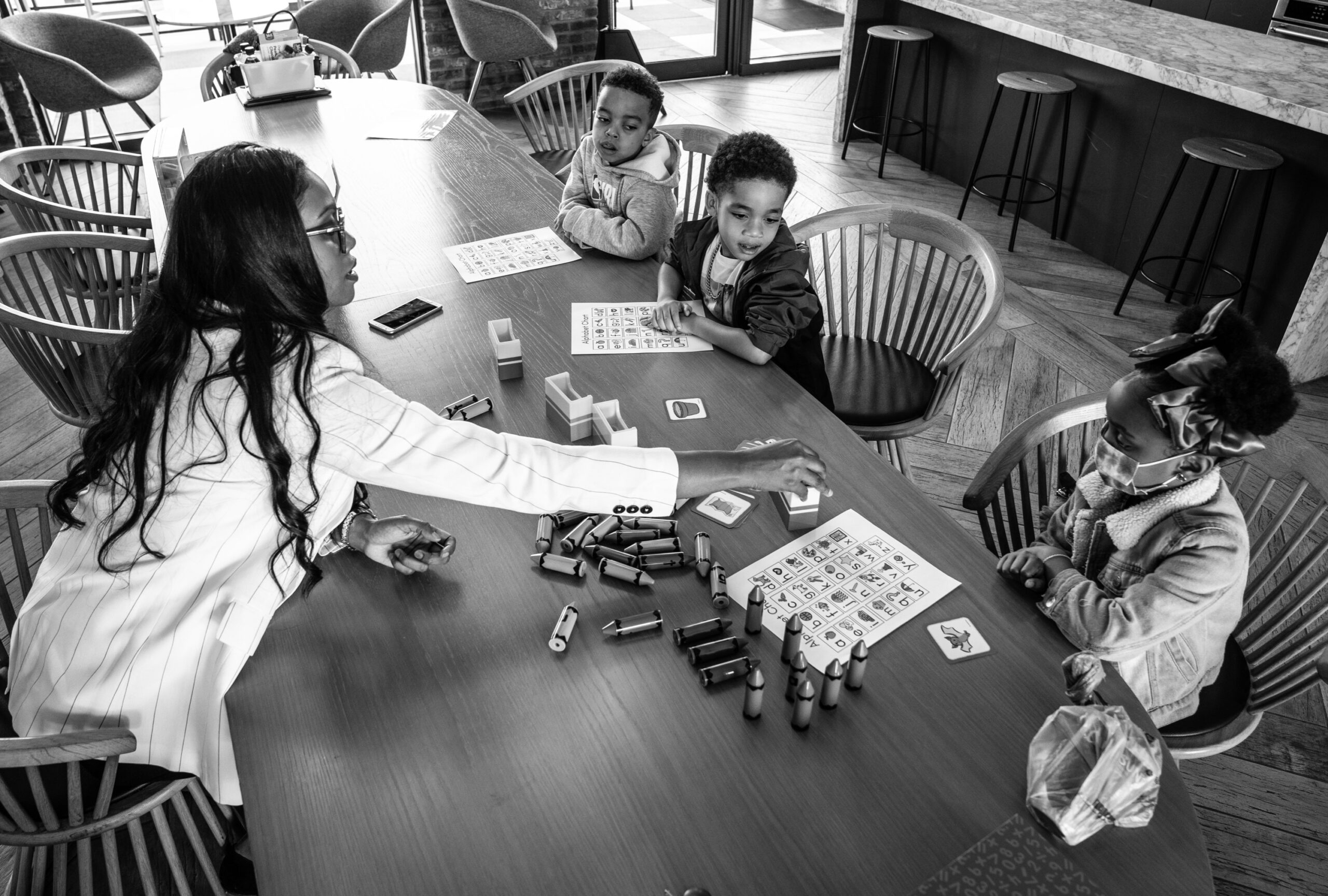
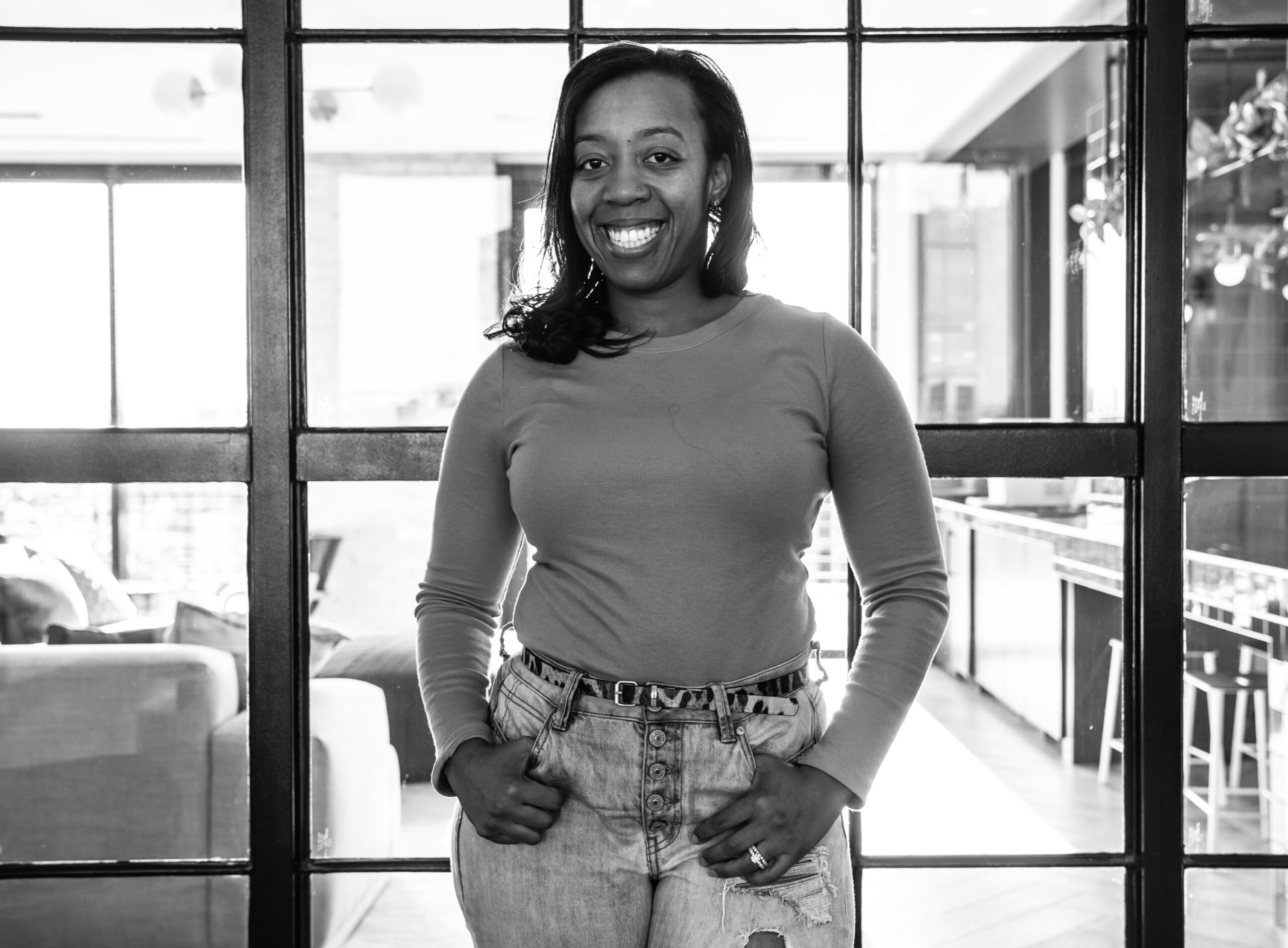
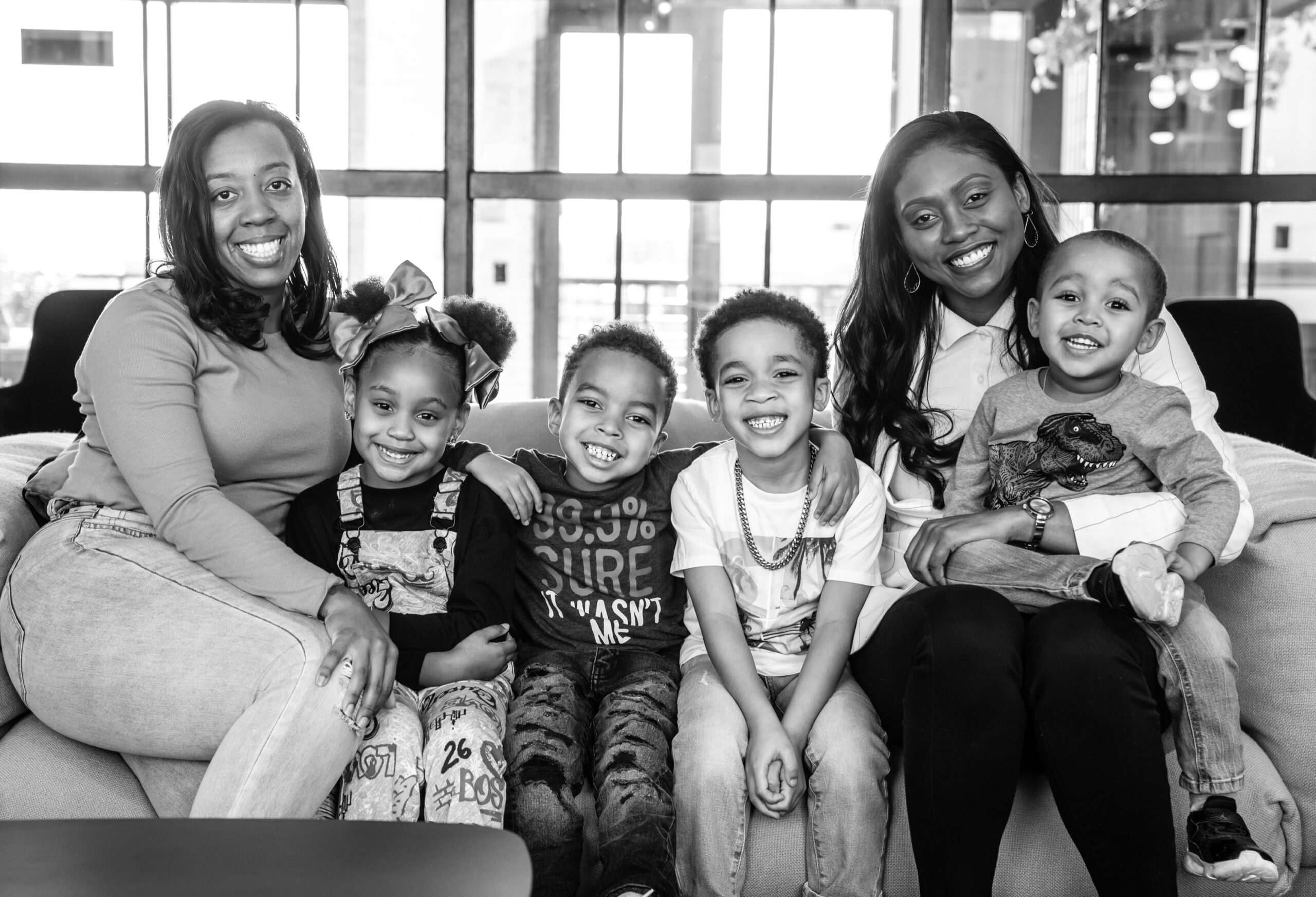
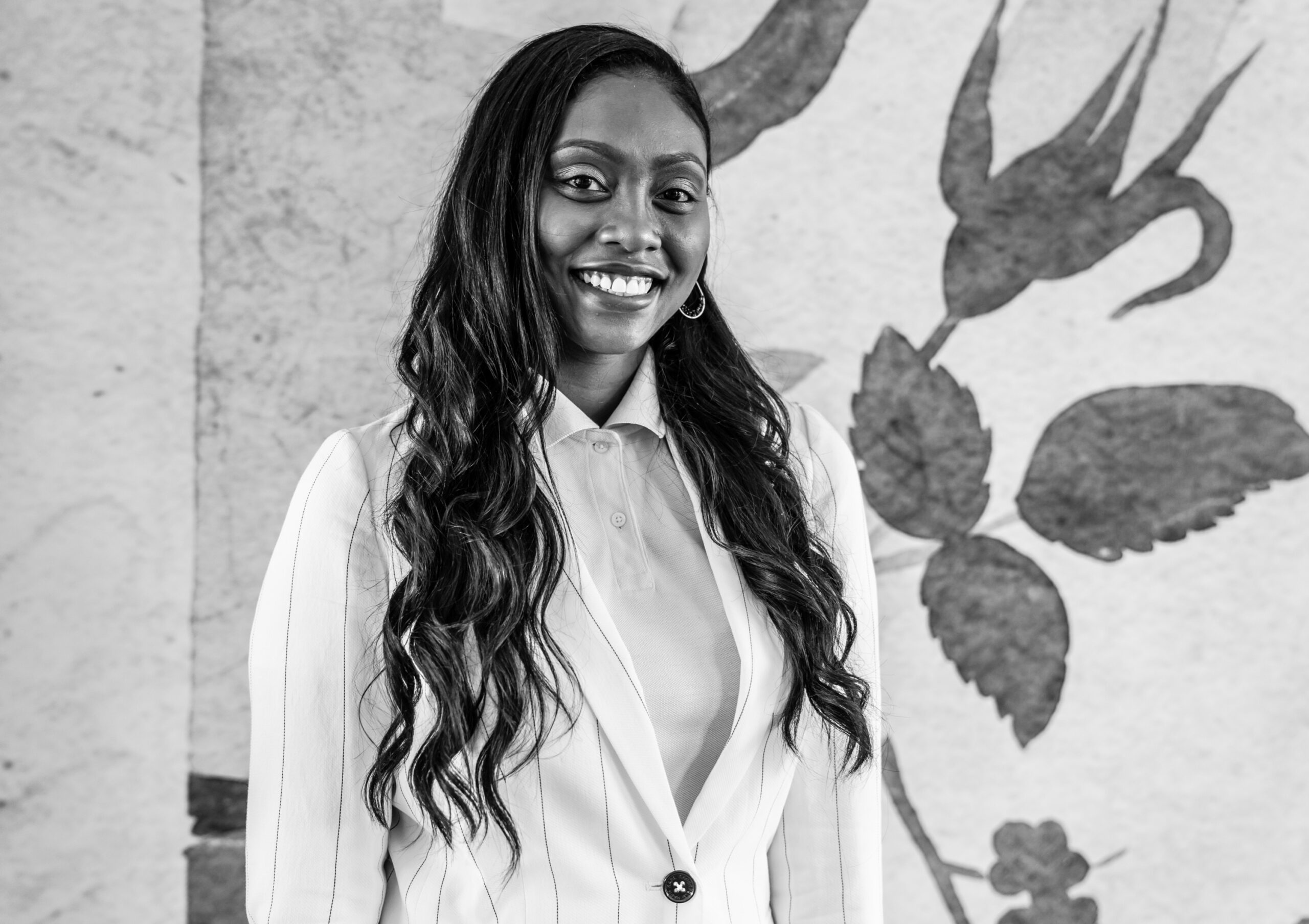
Tiffany Cary, Ward 7 parent
In-person learning has been a roller coaster. This year was my three-year-old son’s first school experience actually in school. That was very scary, being I couldn’t walk him into class, I couldn’t see what the environment looks like and see if they were actually using protocols throughout the building. I just had to take a leap of faith.
We never personally experienced any outbreaks with his class, therefore that gave me a little ease when it was time to transition my other two children to in-person learning. I’ve still been a bit nervous because a couple teachers have left being that their classes have had too many outbreaks.
I’m not sure if I’m doing the right thing as a parent by allowing them to stay in the school knowing that it’s so many outbreaks. My child is at risk every day. But then again the in-person learning has really helped them with school. For my kids, they’re excited, no one is like “Mommy I don’t want to go to school anymore.”
However, I’m not a big fan of the way they’re testing the kids. They do weekly random tests and have the kids spit in a tube. Some kids are three and five, are they really comprehending what they’re doing, is saliva getting on others ? They tell you what they’re doing but they don’t give you a visual of it. For me it sounds nasty, like you’re allowing this saliva to go out with a lot of students around. I’m concerned about that.
I don’t like that kind of testing, but I appreciate it at the same time. I want to know if kids are positive.
I would recommend that leadership should allow teachers and parents to have discretion on whether they want to be vaccinated. I don’t like the idea of if you don’t get then you’ll be terminated. Everyone’s beliefs are different. This vaccine is not guaranteed to save anyone, and it’s new. You can’t just mandate something that’s new. We don’t know the long term side effects for adults and children. I understand the world is changing, however you still have to allow people to go through that trial period, allow more data to come in before you mandate someone to have it. They’re already mandating the masks.
My daughter wasn’t able to do sports this year because she’s not vaccinated. I’m not ready for any of my children to have it. I need more data and time. I personally am vaccinated, it was what I wanted to do. I did it based off of the health conditions of individuals around me. I agree with the educators who don’t want the vaccine that feels it’s going against their beliefs. You’re taking away their rights as a human.
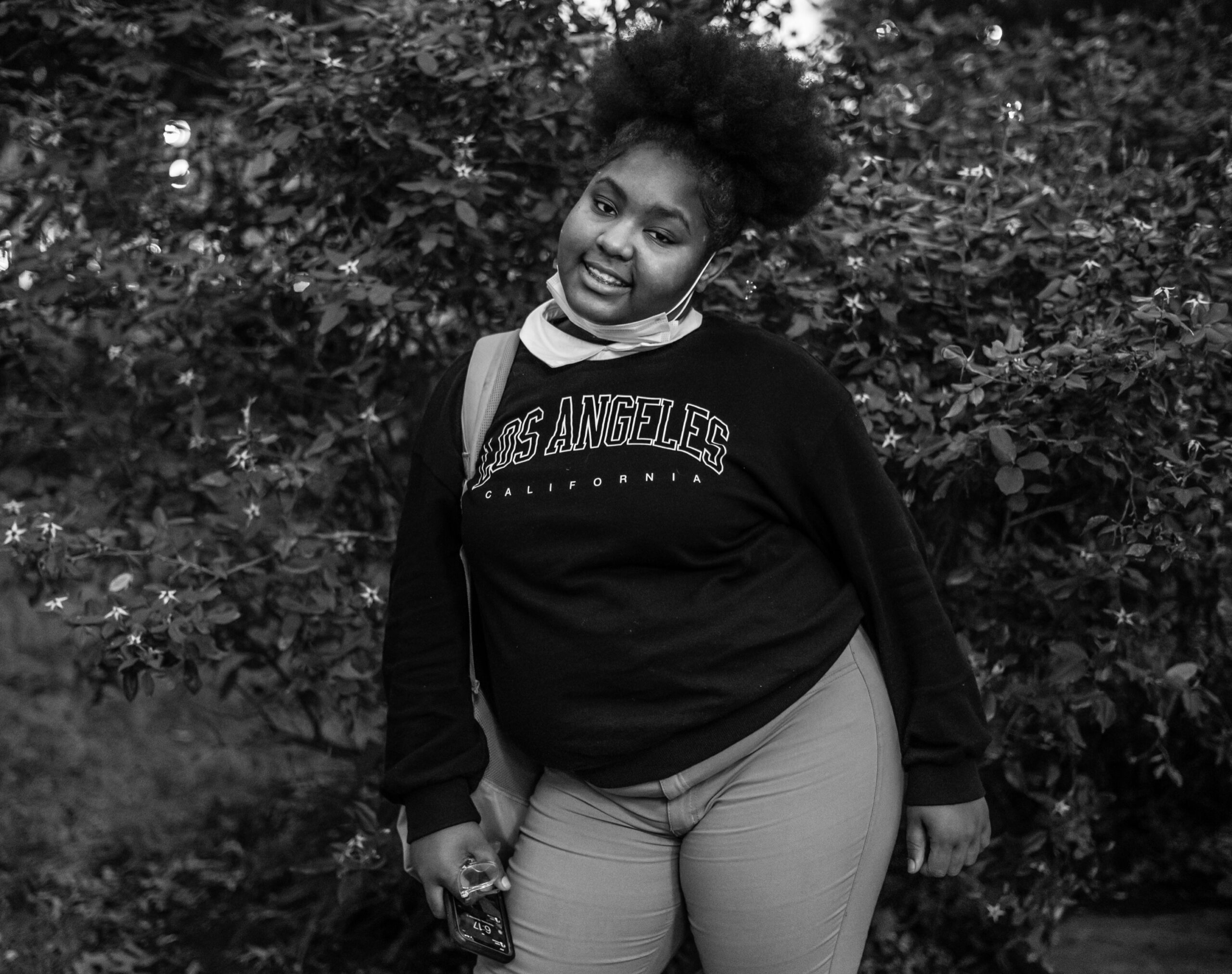
Malaysia McCallum, 13, Ward 8 student
In-person learning has been good, everyone has been keeping their face mask on, being safe. We had a few COVID-19 cases in my class already. My school doesn’t really socially distance for real, however we have hand sanitizer and have been wiping everything down. The work has been good, they’ve been catching us up on what we’ve missed since the pandemic began. The changes I suggest is that my school space us out and separate us in the cafeteria.
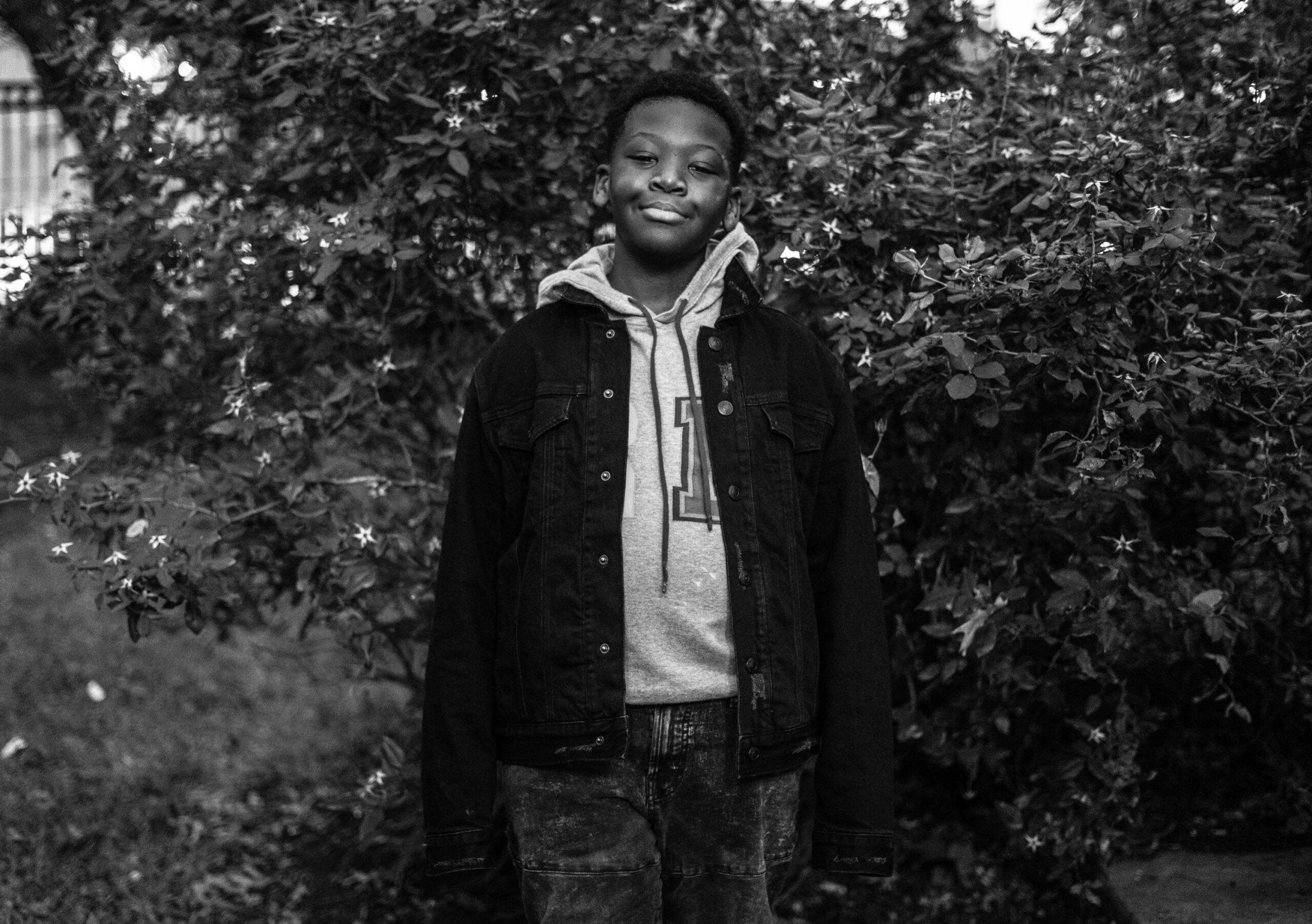
Melvin Knight Jr., 8, Ward 8 student
I loved learning at home. I like in-person learning because I can color, go to art, P.E. and Spanish class.
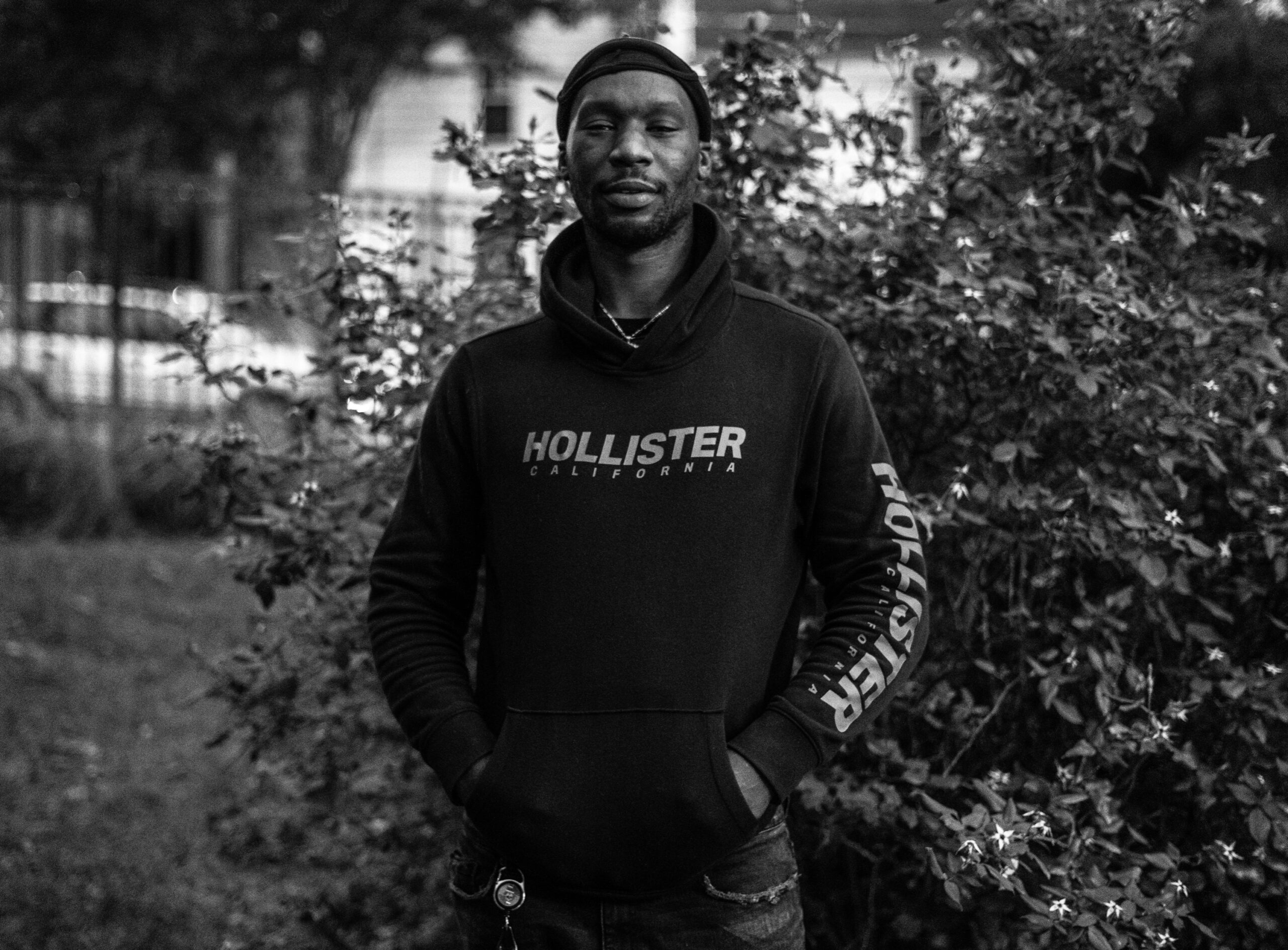
Melvin Knight Sr., Ward 8 parent
I’m a father of two. In-person learning for the most part has been helpful. Virtually teachers were trying to do their best, make sure the kids are up to par with their education. The downside of that is I was stuck at home with them, not able to work. I had no babysitter. Now I’m able to work because they’re back doing in-person learning. I’m able to have a stable schedule and be able to take care of my family.
I couldn’t wait for the kids to go back to school so that I could take care of my business. But I also feel that they rushed the kids back into school, they’re getting sick. My daughter tells me all the time how it’s no social distancing at her school. My kids are taking too many COVID-19 tests. They need to set up a way kids are properly separated, things will be much smoother. It’s difficult for parents to have to stop work to take their kids to get tested. We make it work.
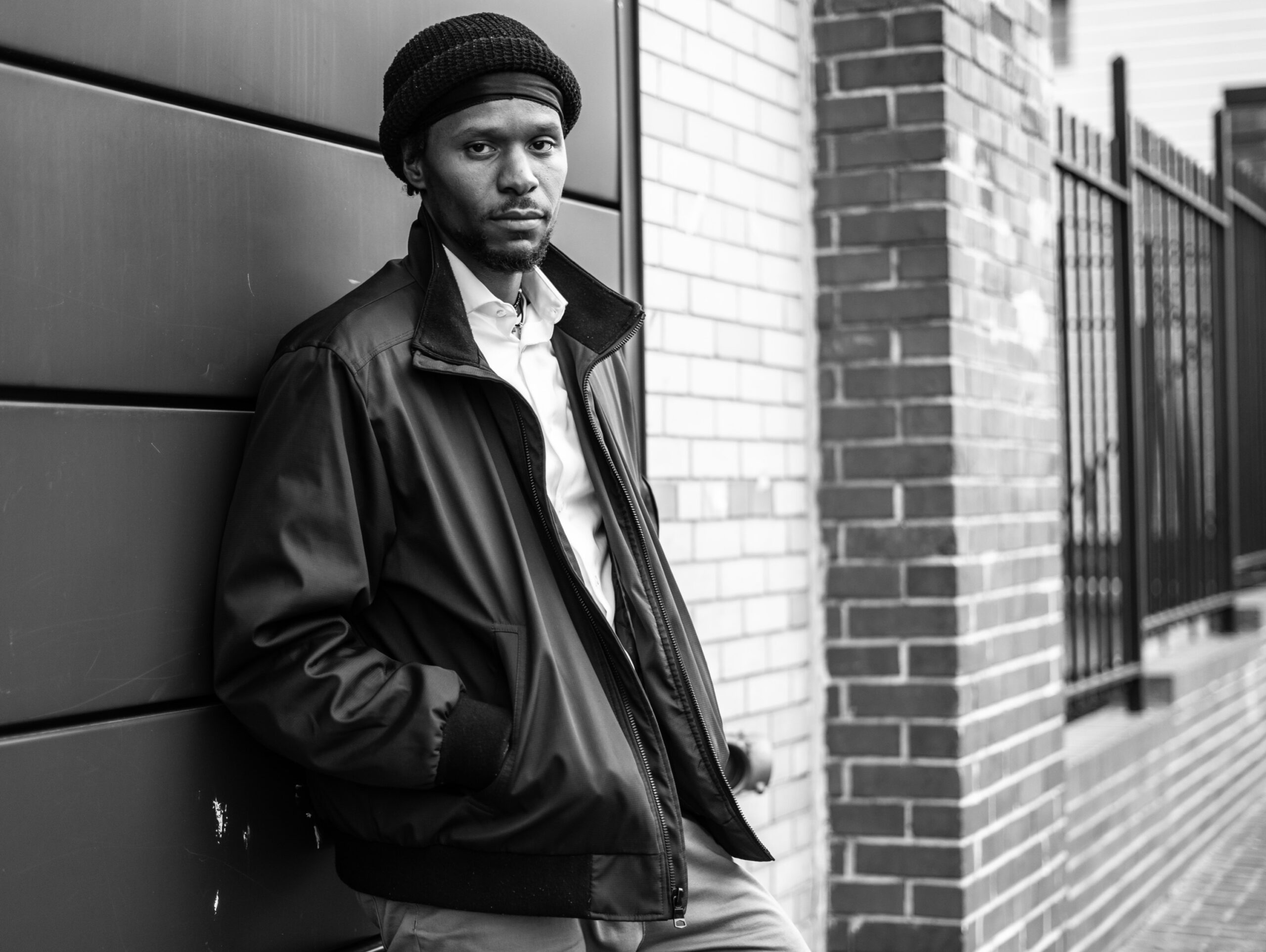
Anthony Berry, Ward 8 educator
I teach math and English language arts. I’m an in-school substitute. Teaching in-person during these times has been trying. It’s been one of the most unrealistic experiences I’ve seen in my entire life. Seeing how they’re treating vaccinated teachers versus unvaccinated teachers. Myself, I am one of the people who is affected by being an unvaccinated teacher. As of November 1, you have to be vaccinated or you have to hit the curb. I’m one of those people who wasn’t granted a religious exemption. It’s affected me because this is my livelihood and now I have to figure out other avenues to make money.
This has definitely hurt my heart because I’m not here for the adults, I’m here for the kids. I’ve chosen to stay on this side because I love the Southside and I love how these children are very authentic when it comes to their approach to school. They’ll tell you exactly who they are, what they want, and what they don’t want.
I’ve been a person in their lives. It’s now crushing. I feel as though in-person learning is needed, however I feel that a lot of the measures that the [city government] is taking are affecting students, parents, and teachers. I don’t feel that leadership thought it through. I don’t feel they brought enough teachers, parents students to the table to figure out different measures that they can take. I just feel like we either have to comply or die at this point. I really don’t like it.