Colleen Grablick
Montgomery County residents can now submit the results of their at-home rapid antigen tests to an online portal.
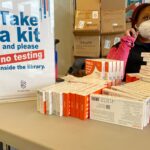
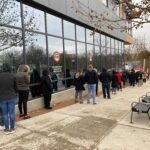
On Monday, the county began distributing at-home rapid tests at 19 public libraries across the county, a practice D.C. and Virginia introduced shortly before the holidays. The portal website instructs people to report both positive and negative results of antigen tests to the county. Inconclusive results do not need to be reported.
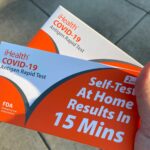
Health and Human Services Public Health Emergency Preparedness Manager Sean O’Donnell announced the creation of the portal during a county council meeting Tuesday morning. The county has received 588,000 iHealth test kits, and ordered more than 2 million additional kits. On the first day of distribution at public libraries on Monday, the county gave out 93,645 kits.
O’Donnell said the county has distributed 20,000 Binax now kits, and the county is receiving a weekly allotment of between 2,500 and 5,000 at-home tests from the state health department. These are primarily being given to at-risk groups like those living in congregate settings, and hombeound residents.
Montgomery County Public Schools also started distributing at-home rapid tests to students this week — a part of the system’s broader change to COVID-19 guidelines after 11 schools closed amid outbreaks last week. Families should not report students’ at-home rapid test results to the portal launched Tuesday. Instead, the county has a Google form for MCPS students and staff.
D.C. also asks residents to submit the results of at-home tests to an online portal. Last week, the District announced that 6,728 self-reported positive cases (like those people receive from the at-home rapid tests) from Oct. 15 to Jan. 7 had not been added into the city’s daily coronavirus case reports. Going forward, DC Health says in addition to the daily case count, the city will also publish “probable case” data collected from self-reported antigen or PCR at-home tests.