Elliot C. Williams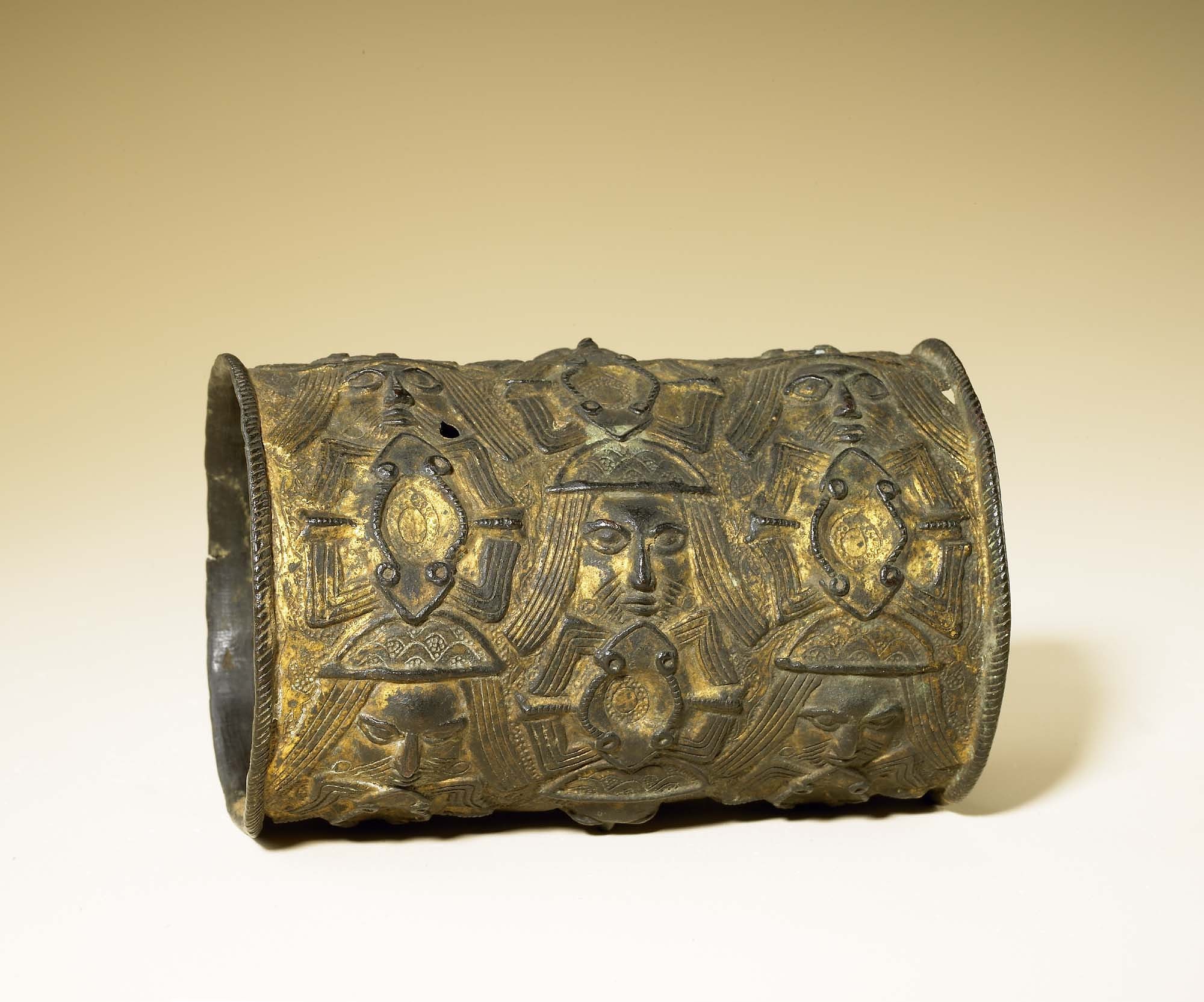
The Smithsonian Institution has made an agreement to return its full collection of Benin Kingdom Court Style artifacts to Nigeria, their original location before the 1897 British raid on Benin City. The Washington Post first reported the news of the transfer.
The deal, which the Smithsonian and the Nigeria’s National Commission for Museums and Monuments (NCMM) are expected to make official this spring, marks a significant shift in how the world’s largest cultural institution — and museums across the world — operate. The Smithsonian will transfer ownership of approximately 29 works, many of which were on display at the National Museum of African Art.
Smithsonian and Nigerian museum officials and curators — as well as museum leaders across the field — see this move not as a step backward but an advancement in how cultural institutions present and protect world history, according to the Post. The Smithsonian has pledged to fund educational programs for youth in Nigeria.
“This exhibition will be from the perspective of Nigeria and how we want them to be displayed,” Abba Isa Tijani, director general of Nigeria’s NCMM, told the Post. “What is more important than being in control of how your heritage, your artifacts, are displayed?”
Technically, this isn’t the first transfer of Smithsonian items to a homeland or people. The Smithsonian’s National Museum of the American Indian and National Museum of Natural History have repatriated thousands of artifacts and human remains to tribes since the late 1980s under the National Museum of the American Indian Act.
The question of returning Benin Bronzes has been debated for some time. Britain’s 1897 raid on the Kingdom of Benin has been called a “punitive expedition” and a retaliation for the killing of British officer James Phillips. Soldiers effectively ended the kingdom during their raid, burning the palace, killing an unknown number of people, and confiscating the palace’s artworks and artifacts. There are an estimated 3,000 pieces scattered around the world, and most have made their way to numerous institutions — including the Walt Disney Company, which gifted its collection to the NMAfA in 2007. Other looted artworks that ended up at the museum were donations from the wealthy Hirshhorn and Tishman families.
Most of the items themselves aren’t actually made of bronze; but the thousands of items spread across the globe include carved elephant tusks, ivory leopard statues, wooden heads, and hundreds of brass plaques that belonged to Benin’s royal palace, according to the New York Times. Germany said it would repatriate its collection of the artifacts in 2020.
Last year, the African Art Museum’s director, Ngaire Blankenberg, committed to removing the stolen artworks from the Smithsonian’s displays, 11 days into her new role.
“I took them down because I think it does a huge amount of harm to have them on show,” she told Smithsonian Magazine at the time. “For African people to see that, it’s like a slap in the face. So, while we’re busy trying to [repatriate these items], I intend to minimize the harm.”
The transfer hasn’t been received warmly by everyone. Last year, Benin’s ruler, Oba Ewuare II, expressed his disapproval and opposed the effort to create a museum for the artifacts upon their return. At the time, the Nigerian non-profit Legacy Restoration Trust was created to negotiate between the three entities that might have claim to the bronzes — the Royal Court of Benin (under the Oba), Nigeria’s federal government, and the Nigerian state of Edo, where some of the original Benin Kingdom would have been located.
A spokesperson told DCist/WAMU the transfer is part of the Smithsonian’s new ethical returns policy that “is more attentive to communities” around the world.
Details are still being etched out between Nigerian and Smithsonian officials, but the two parties are referring to it as the start of a new relationship — much like the sharing of knowledge between Native tribes and the Smithsonian that began after the repatriation efforts of the 1990s.