Margaret Barthel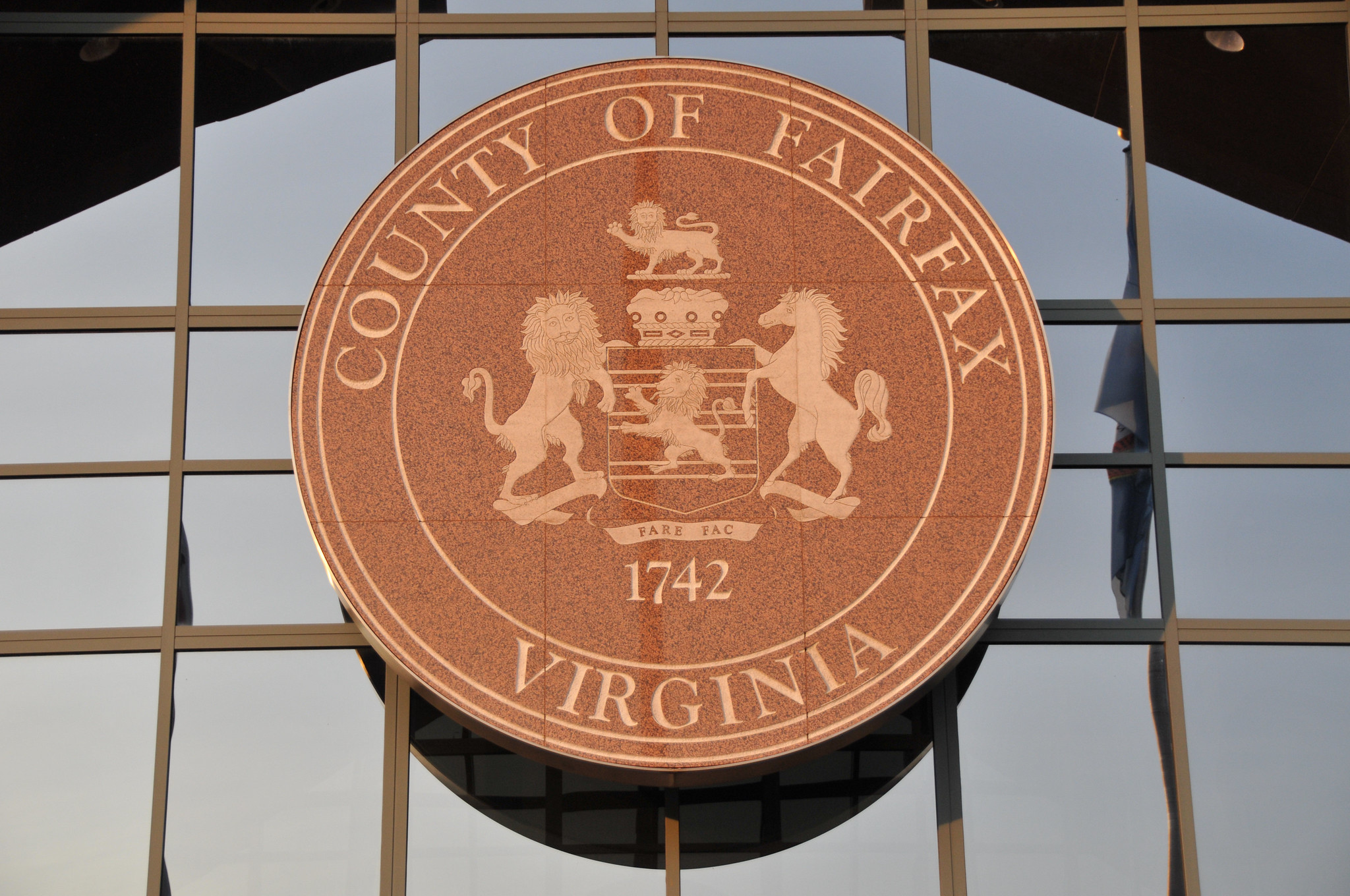
The Fairfax Board of Supervisors should consider renaming two of the county’s magisterial districts, according to a citizen group’s report commissioned by the body.
The Fairfax Redistricting Advisory Committee suggested the county should rename Lee District and Sully District due to the current names’ ties to the Confederacy and to slavery. The committee is comprised of a group of residents from around the county originally tasked with making recommendations for how to re-draw voting maps to line up with the county’s growth spurt documented in the 2020 Census.
“The names we give to our homes and communities should celebrate the best accomplishments and individuals linked to county history,” committee chairman Paul Berry wrote in a letter to the supervisors included with the report.
The committee’s work was guided by the One Fairfax policy, the broad equity agenda adopted by the Board of Supervisors in 2020. Members also referenced public input, historical records, demographic information, census data, and what Berry called the “‘living history’ of today’s residents” in drafting the recommendations.
Members of the committee evaluated five of the nine existing magisterial district names — Lee, Mason, Mount Vernon, Springfield, Sully — according to a series of key questions, including whether the names were offensive to the community, had a connection to “the Confederate past,” had ties with Virginia’s history of racism and slavery, or were geographically confusing.
In the case of the Lee District, the committee did not find proof of a clear historic link to Confederate General Robert E. Lee or his family, but ultimately concluded the name should be changed.
“Consideration should be given to a name change given the context of all the Confederate names that are in use within Fairfax County and the significance of the Lee name to our area,” the committee found. “Whether the Lee name attributed to Lee District is or is not Robert E. Lee is immaterial if the Board of Supervisors is to change names associated with the Confederacy but leaves in place a name which will cause confusion because of ambiguity.”
The report notes the prevalence of naming things after Confederate leaders formed an important part of creating the so-called Lost Cause narrative — which seeks to deny the importance of slavery as the cause of the war — years after the war, during the era of Jim Crow segregation.
“The intent of the commemoration of names and properties associated with the Confederacy is to carry forward a dark part of our community’s history by mythologizing the Confederate historical narrative,” the report says.
Supervisor Rodney Lusk, who currently represents Lee District and is the sole Black member of the Board of Supervisors, has been leading community conversations surrounding the name change for more than a year. He first advocated for considering a name change in June 2020, the wake of the murder of George Floyd and concurrent to when the Board of Supervisors approved a wide-ranging study evaluating possible racist origins of place names across the county.
“The perception is that this district is in fact named after Robert E. Lee, a view that is reinforced by other similarly-named public amenities across Lee District,” Lusk said at the time. “I believe the time has come to have a similar conversation and a path forward to understanding what it would entail to potentially change the name of the Lee District.”
A different Lee, Richard Bland Lee, Northern Virginia’s first member of Congress, owned the Sully Plantation in Chantilly. Four generations of Black people were enslaved there. The report calls the Sully Plantation’s history “repugnant” and says the place “was the location of commercial activity and profit from the kidnapping, human trafficking, and abuse of over one hundred lives.” Based on that history, the committee recommended changing Sully District’s name.
But it did not do the same with Mount Vernon District, named after George Washington’s Mount Vernon estate — where Black people were also enslaved. The group drew a distinction between Confederate leaders and the country’s Founding Fathers, and also said “Mount Vernon” has also come to mean one of the magisterial district’s most well-known landmarks and tourist attractions, one that has worked to contextualize the stories of the Black people who were enslaved there.
It took a similar approach to Mason District, named after George Mason, another Founding Father and the author of Virginia’s precursor to the Bill of Rights and likely the principal author of the national document. Mason enslaved 90 people at Gunston Hall, his plantation.
“Because the names ‘Mount Vernon’ and ‘Mason’ act as important opportunities to highlight early founding contributions that positively impact our nation today, and as opportunities to elevate the pursuit of restorative justice and reflective education, the subcommittee distinguishes these names from others under consideration,” the report concluded.
The committee voted unanimously not to recommend renaming Mason or Mount Vernon Districts.
There was dissent over the name of the Springfield District, however. The committee evaluated it over its geographic relevance — as boundaries have been re-drawn over the years, the district has come to include just 8% of Springfield, Va. itself, though many community amenities in the district are now named “Springfield” — and also its potential ties to slavery.
Ultimately, the committee recommended, in a 12-5 vote, that the Springfield name not be changed.
Some historical research points to the name coming from Springfield Plantation, which was named in 1851 and where people were likely enslaved until the end of the Civil War; other research suggests it arises from an actual water spring in the Potomac watershed, as well as “Springfield,” the first Fairfax County seat of government in 1742.
The committee was not tasked with proposing new name options.
“We offer no advice or comment for how the renaming process should be undertaken, other than we believe it should be resident‐driven and directly involve the communities impacted,” Berry wrote in his cover letter.
The recommendation to change the names of Lee and Sully Districts is the first time a proposal to change the name of a magisterial district has been put forth in Fairfax County in decades. It’s part of a larger county push to identify and consider renaming more than 150 places with names connected to slavery and the Confederacy, including Lee Highway and Lee-Jackson Highway.
Figuring out the next steps following the report’s recommendations will now be up to the Board of Supervisors.