Amanda Michelle Gomez
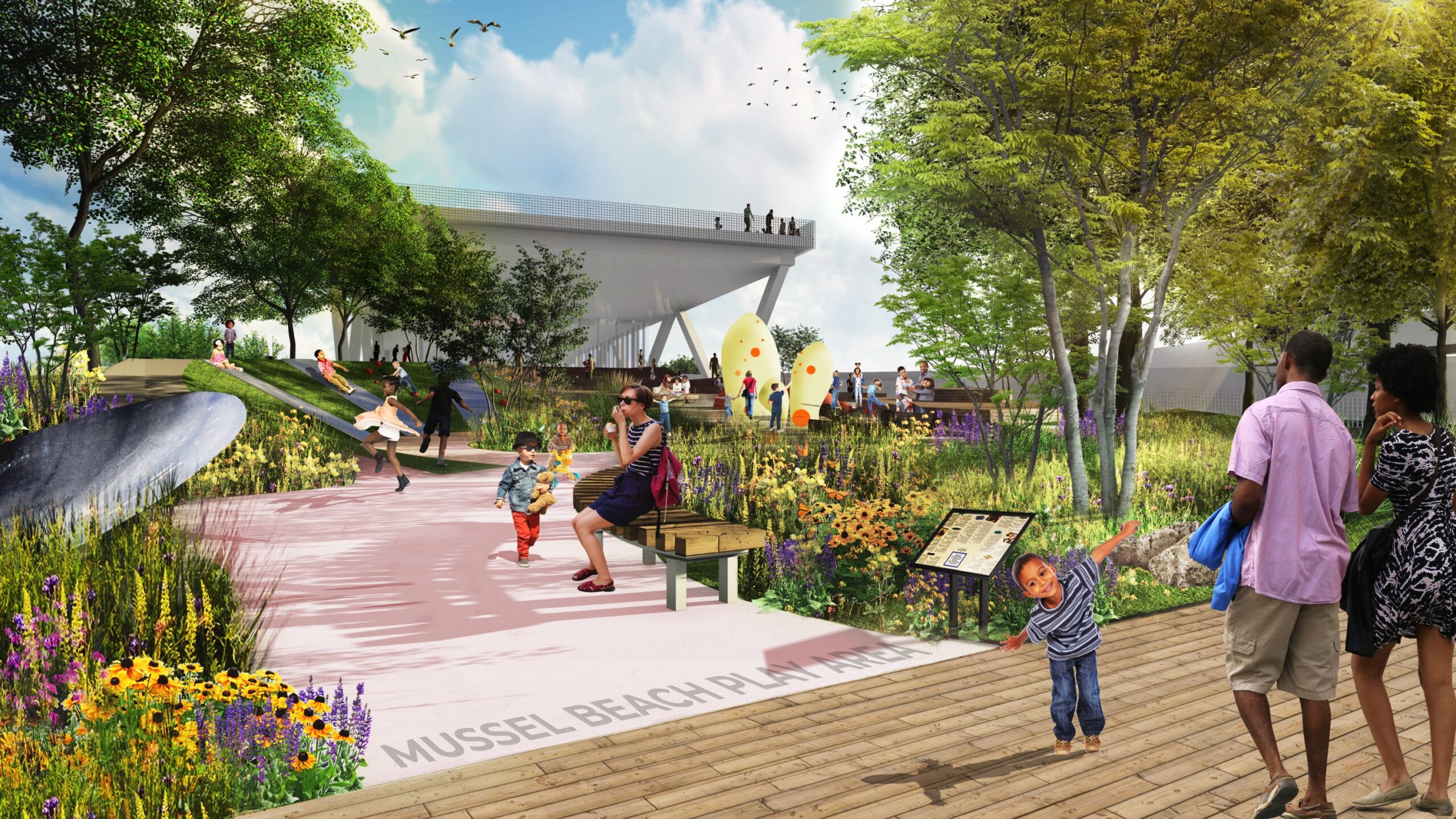
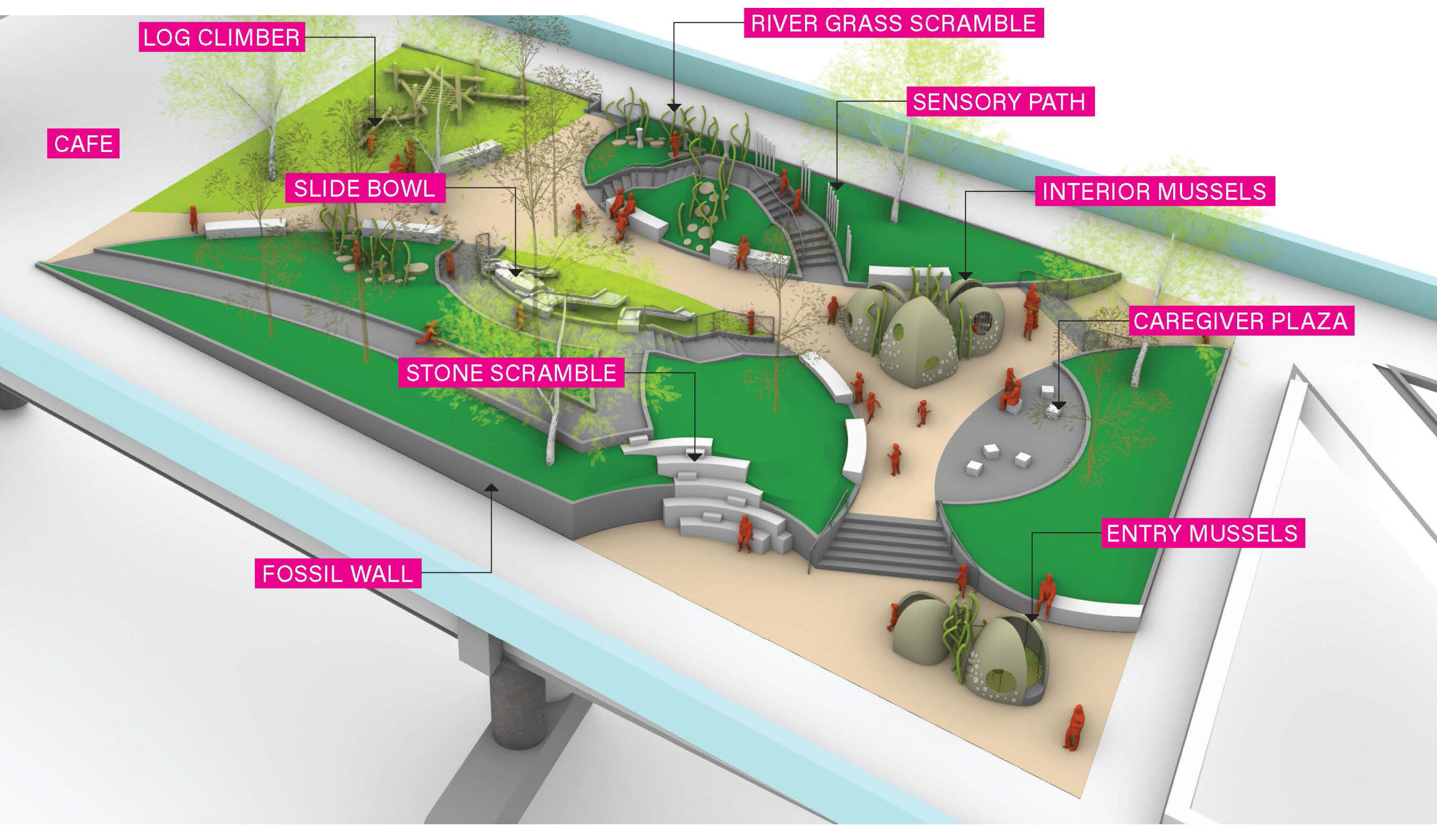
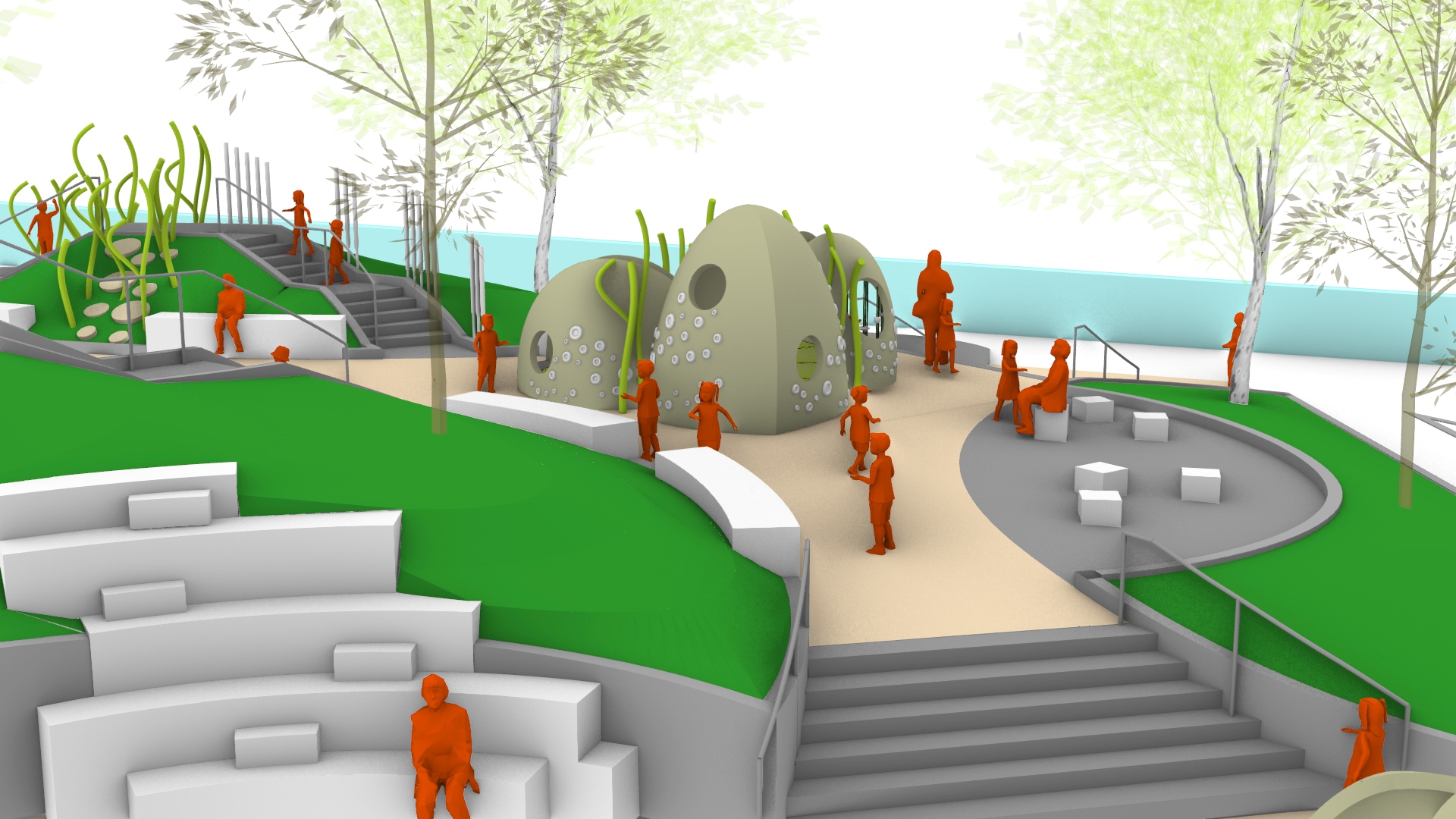

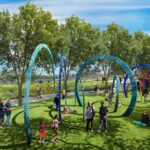
D.C.’s highly-anticipated elevated park pays tribute to our freshwater friends who may make the Anacostia River swimmable again… mussels! The forthcoming 11th Street Bridge Park will feature a “mussel beach” playground, where residents can enjoy the outdoors alongside shell replicas.
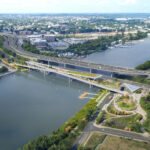
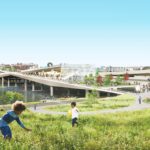
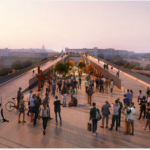
The 11th Street Bridge Park is a years-long, multi-million, public-private project to develop an out-of-use bridge into community space. The elevated park, a first for D.C., is slated to open by early 2025 and will rise above the Anacostia River. The new park, a partnership between D.C.’s Department of Transportation and the Ward 8 non-profit Building Bridges Across the River, opted to center mussels because of the work the Anacostia Watershed Society is doing to improve the water quality of the river that the park hovers over.
The Anacostia Watershed Society has been propagating freshwater mussels into the river — over 9,000 of them, as of 2019. According to the nonprofit, one adult freshwater mussel can filter anywhere between 10 to 20 gallons of water a day, removing pollutants and improving the aquatic ecosystem. The park’s playground will be next to an environmental education center, rounding out visitors’ educational experience.
Landscape architects OLIN and play consultants from Studio Ludo are behind the “mussel beach” playground.
“Celebrating the mussel restoration program we felt was a meaningful way to teach children about river ecology and its connection to community health, while encouraging the next generation of river stewards for the Anacostia,” says Hallie Boyce, a partner OLIN, in a statement.
“It’s an honor to bring to life this thoughtful space for learning and play that ties in elements key to the history and future of the Anacostia River,” says Meghan Talarowski, Founder and Executive Director of Studio Ludo, in a statement. “The play area will encourage children and their caregivers to connect with the Anacostia River and residents of both sides of the river.”
The 11th Street Bridge Park, which began design in 2014, bridges wards 6 and 8, where the average household income can differ vastly (Ward 6’s is $173,452, while Ward 8’s is $68,871). Some people feared that the elevated park would not serve longtime residents, but lead to displacement. There’s precedent for this — New York’s High Line Park influenced home values in neighboring areas. But several corporations and philanthropists pledged funds supporting efforts to prevent displacement, including $3 million for a community land trust.
Previously:
Can The 11th Street Bridge Park Work For Both Sides Of The River?
D.C.’s First Elevated Public Park Just Got A $5 Million Donation
Photos: This Is What The 11th Street Bridge Park Will Look Like