 Ryan Benk
 Tyrone Turner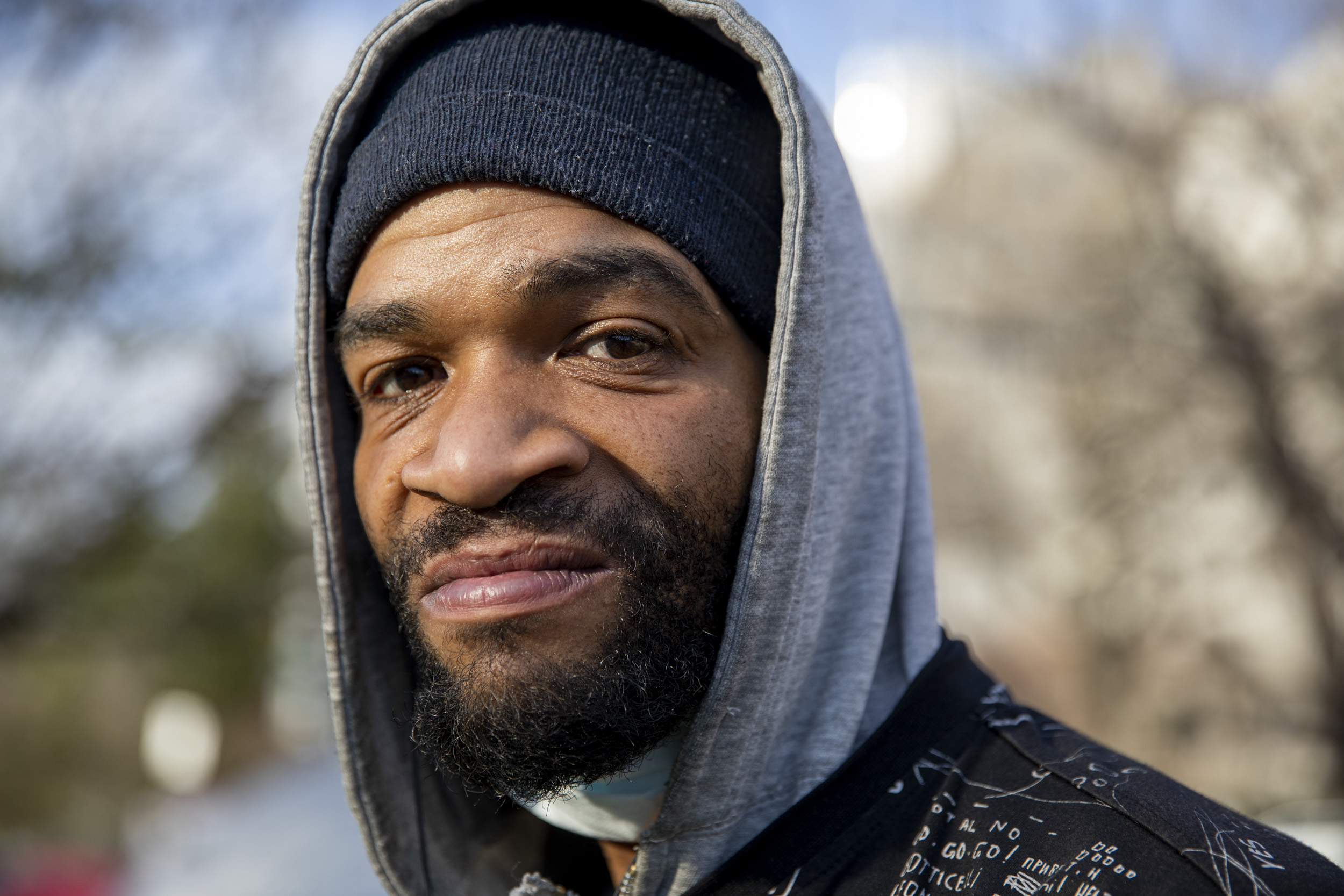
Last month, when a man began a series of five shootings over nine days, targeting unhoused people in both D.C. and New York, the broader public responded with shock or anger.
Still, a week after the alleged shooter was arrested and charged with murder, members of the District’s unhoused community felt neither.
Yes, they grieve those they lost, but they also feel numb.
Numb because, unfortunately, violence against them isn’t something new.
Unhoused and formerly unhoused people, most of them associated with our news partner Street Sense Media, voice their perspectives.
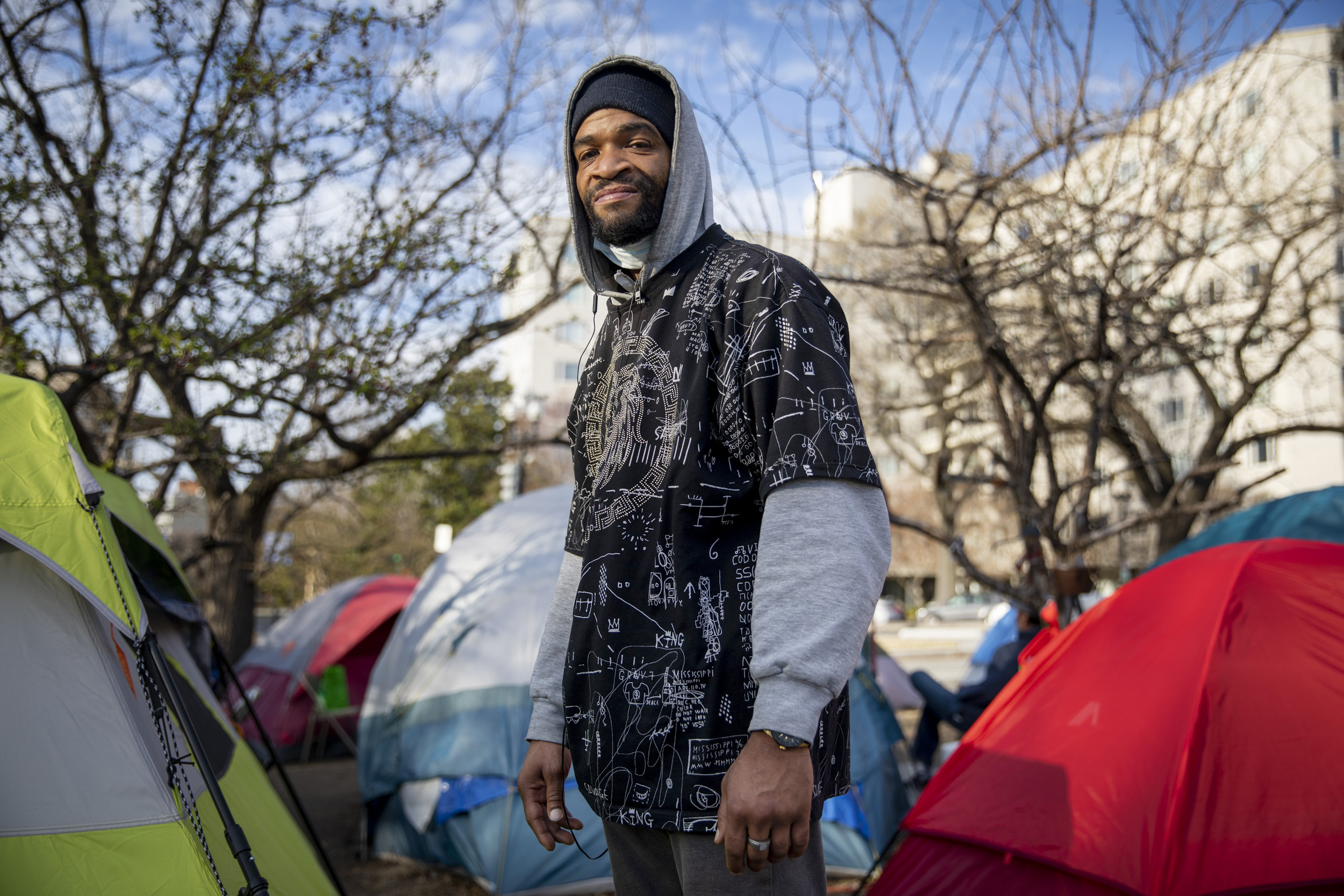
“I’ve been living on the streets in Washington for about like…almost three years now.”
“It’s been reported deaths out here that I’ve seen that ain’t even made the news. Like, literally, I’ve seen with my own eyes and I’m looking at the news to try to see if it made news, and then they never made news. So it was not a surprise to us.”
As a contributor for Street Sense Media, he’s written extensively about the intersections of violence and public policy.
“This is what we go through. The police, the government, they don’t give a damn about us. They look at us as if we’re the problem.”
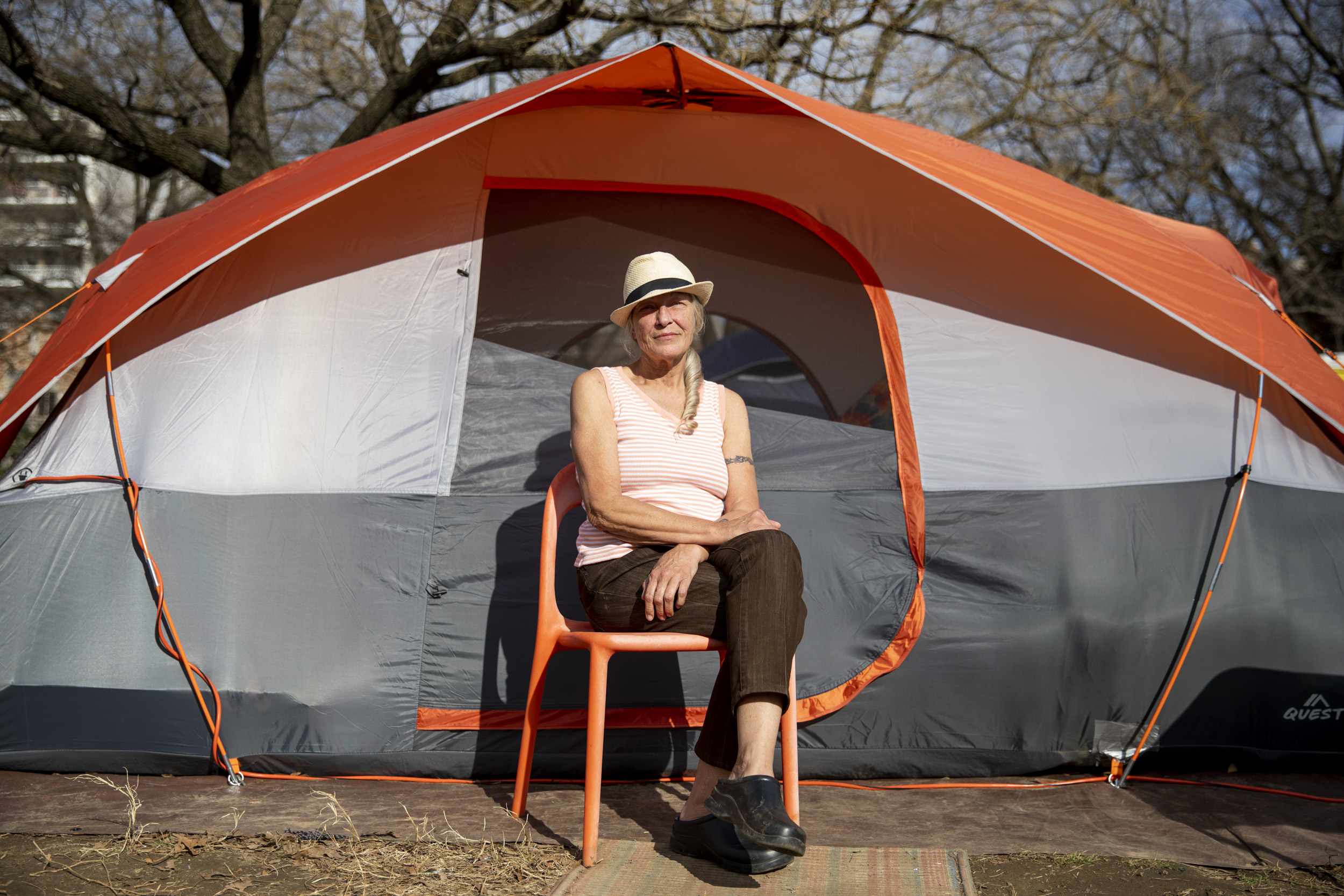
Sharon Brown is originally from Michigan and came to D.C. last year to attend the rally preceding the Jan. 6 insurrection. She’s lived on the city’s streets ever since.
In that time, she says she has personally witnessed violence at her encampment.
“We have dealt with many of the, you know, violent outrages.”
But she says her faith has kept her safe.
“I have no fear. No weapon formed against me shall prosper. I know who I am in Christ Jesus.”
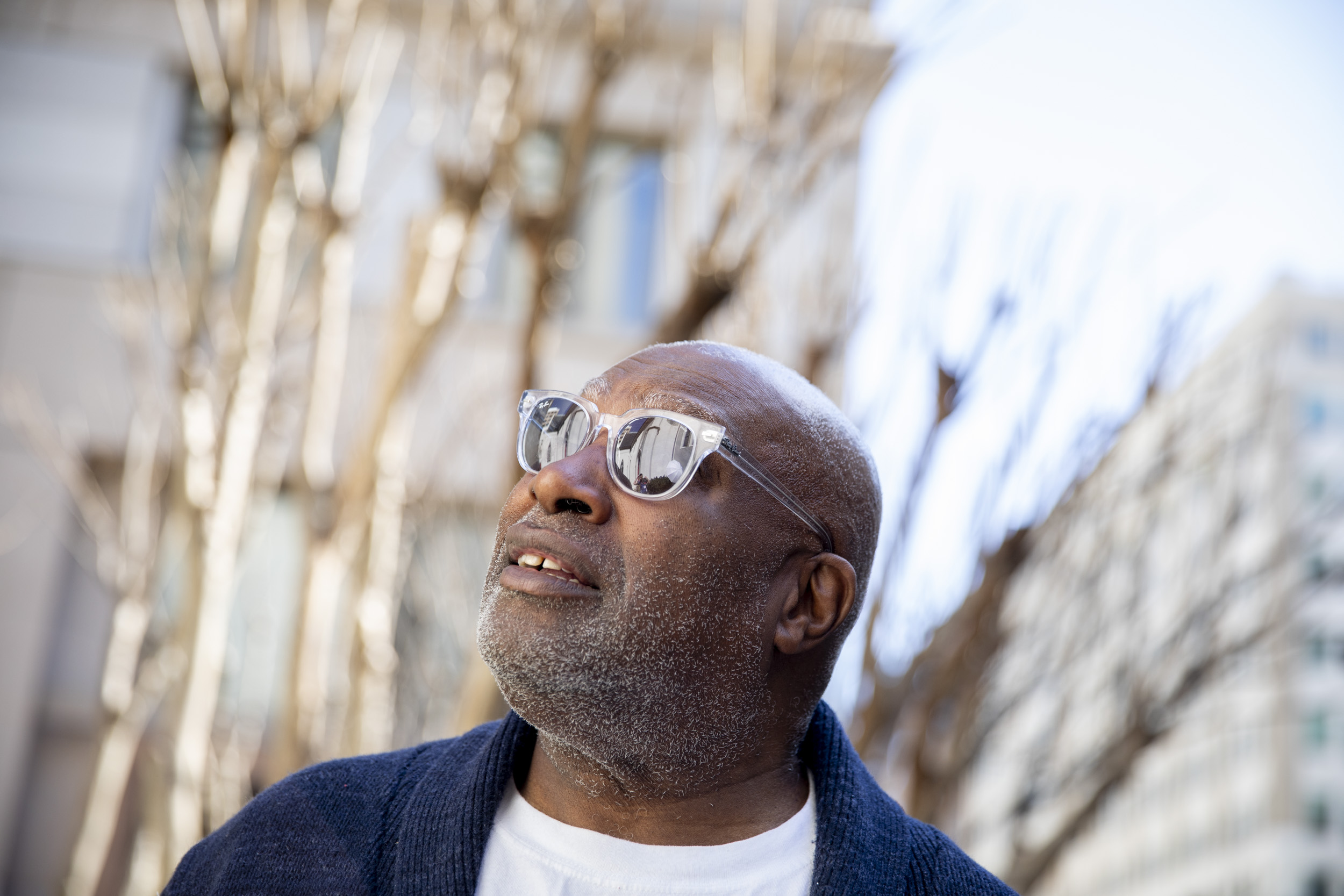
Wendell Williams experienced homelessness for many years. He says he still helps sell the Street Sense paper to remember all that he overcame.
The kind of adversity he tries to help others overcome today.
“I got like twenty-one on my caseload and I work the street exclusively. I work with people unhoused exclusively. I was the only case manager on the street seeing clients face to face during the whole pandemic.”
Williams says almost all of his clients have experienced violence. They think about violence all the time – how to protect themselves from it, how to mitigate or prevent it.
But incidents like the shootings earlier this month?
“I find it amazing that now it’s news.”
He mentions that this isn’t even the first incident of serialized violence against unhoused people nationally. The National Coalition for the Homeless counted 83 violent hate crimes against unhoused people in 2018 and 2019 in which 35 victims lost their lives.
Williams and people like him say they’re trying their best.
But he adds facetiously, until services are expanded and housing is more readily provided, “This is another day in paradise.”
And then explains further, “I’d like for everybody to pull out the old Phil Collins song and not groove to the music, but listen to the words of “Another Day In Paradise.” For them [people experiencing homelessness], it’s just another day. That violence that they hear raining on certain communities does not change what they have to do, what they have to look forward to and the issues they’re going to have to overcome during that day.”
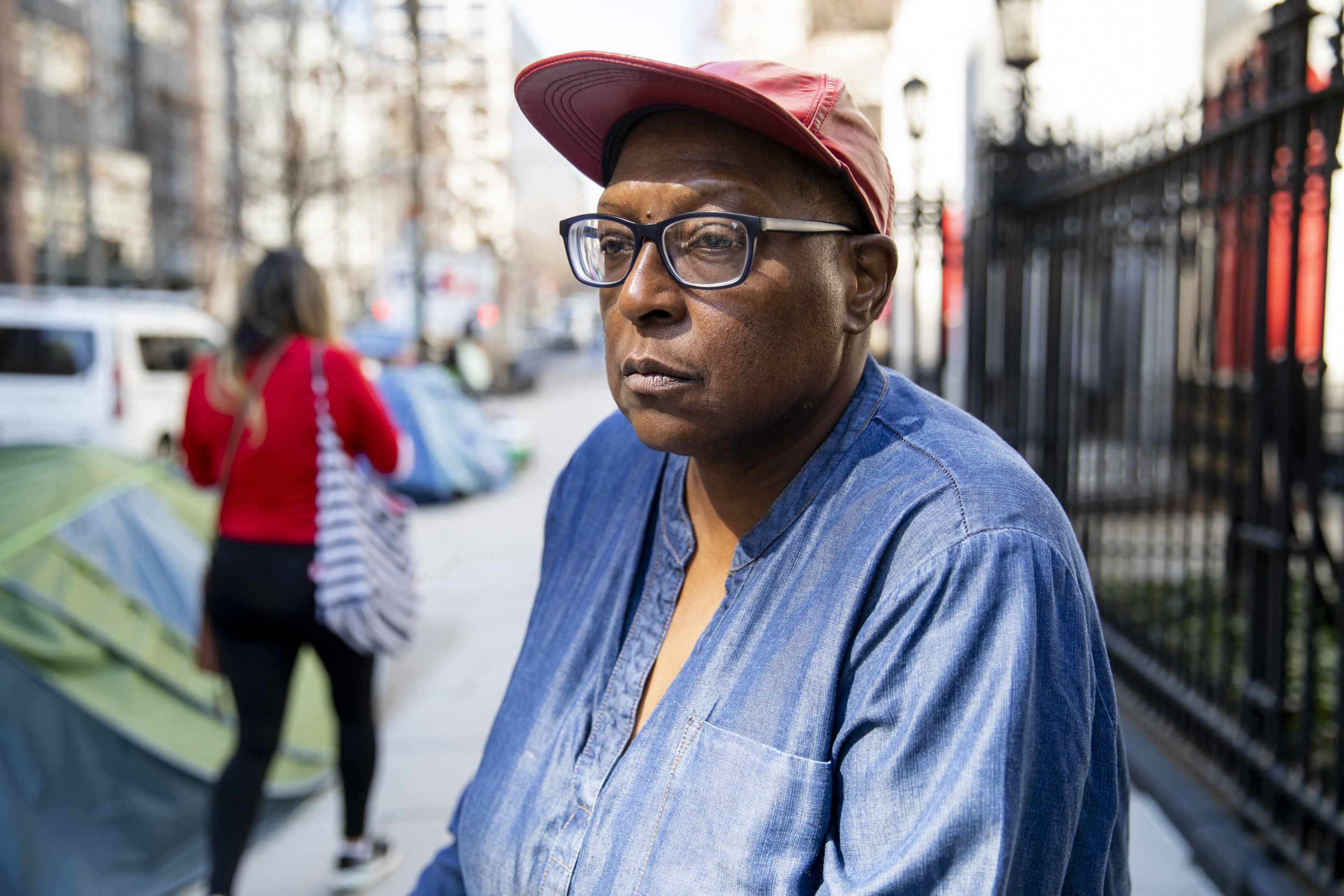
“I’m known as the homeless diva.”
Queenie Featherstone says she’s luckily never experienced violence before and because she has a car and a job, most people don’t even assume she’s unhoused.
Reflecting on what she did hear about the shootings of unhoused people recently, she says, “My heart is grieved … you have to think and realize, yes, they became homeless for whatever reason. You may not know their family. They may not have I.D. on them … If they are dead because of some senseless killing, who will be able to get in contact with the victim’s family? So it grieves my heart.”
At least 124 people died in D.C. without housing last year, due to a variety of causes.
“And then also for the gentleman that did the killing. Again on the news, it did show a cousin. So someone found this killer’s cousin and the cousin stated that he suffered mental illness. Well, the question is [that] they suffered mental illness. How was he able to get a gun?
That stress, coupled with the constant threat of violence, weighs on a person.
“I’ve been waiting now for two months, as the social worker says, ‘we have your case next, we have your case next.’ This has been January, February, and now we’re in March,” Featherstone says. “They keep telling me to wait, wait, wait, wait, wait, wait, wait. OK, I twiddle my thumbs. I wait. But it does bring about, you know, pressure.”

“I am a lifelong D.C. resident. I am someone who experienced homelessness three times in the District of Columbia — in the 80s and 90s and last time was 2008.”
Robert Warren says in his experience, the constraints of the shelter system push a lot of people to live in encampments.
“There’s always people who will try to prey on them and specifically women.”
But Warren also believes that as vulnerable as people can be in encampments, breaking them up without providing immediate housing only multiplies the danger.
“I know there was a comment in New York. I think it was made that if they were doing the homeless sweeps and cleaning out these encampments, then those people wouldn’t have been killed. And you know, you can look at it like if we were actually housing people … they wouldn’t have been killed.”
In the weeks leading up to the shootings, advocates for the unhoused community warned encampment evictions would lead to greater vulnerability.
Warren says that, plus fear mongering on cable news, creates a toxic cocktail of violence.

For Michele Rochon, identity theft and domestic violence preceded her time experiencing homelessness and housings insecurity.
“I would say that some of my issues or challenges actually … followed me into my homeless state,” she says. “Because of an identity theft issue, I was terminated wrongfully 13 times starting April 14 of 2013 … I was wrongfully terminated from nine schools almost back-to-back. And then after that, I lost several more jobs.”
“So, some of my domestic violence issues actually followed me into homelessness … the stalking, the harassment, the bullying. I was already going through that when I had my own place and when I had an actual income, a stable income. And so I would not attribute violence in my situation. I have not quote-unquote really been outdoors. Once I could no longer keep my apartment, I actually did a hotel … for a while and then eventually I did Airbnb. So, I didn’t really end up in a shelter immediately. So I haven’t really dealt with violence, but I am dealing with identity theft and that has precluded me from being housed,” she says.
Rochon’s perspective on how to help unhoused people comes from her own experience and having worked in shelters with people in need.
“Once you are deemed homeless and in a facility, or if you come through a facility — and I say that based on my background having worked in a shelter — you engage people during your case management session with them and you offer a holistic approach to housing.
“I want to deal with your whole psyche as one of the psychologists would talk about. And so dealing with the whole psyche means not only I’m going to help you become viable and sustainable again, but I’m going to address any issues that may be precluding you from moving forward or from maintaining your place.”