Margaret Barthel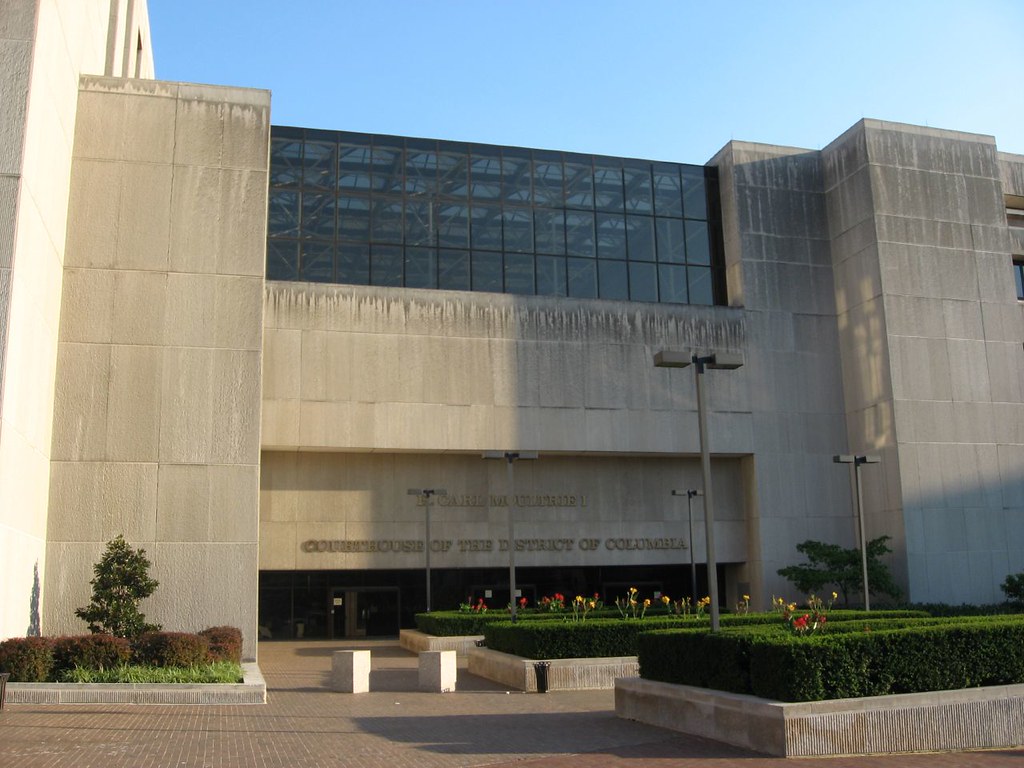
A grand jury at D.C. Superior Court handed down an indictment yesterday for Gerald Brevard III, the D.C. resident alleged to have attacked three unhoused men in D.C. and two others in New York City in early March. One victim was shot, stabbed, and ultimately killed. Another was seriously injured.
The U.S. Attorney’s office said Brevard, 31, is facing 17 charges for the three attacks in the District. They include first-degree murder while armed, assault with intent to kill while armed, aggravated assault while armed, mayhem while armed, plus various firearm-related offenses, including unlawful possession of a firearm.
The indictment also suggests that Brevard’s alleged actions were a hate crime “based on the actual or perceived homelessness” of his victims.
The indictment outlines the three violent attacks in D.C. only. On March 3, he assaulted an unhoused man with a firearm with the intent to kill him, officials allege. On March 8, the indictment continues, he seriously injured a second victim, again in an attack with a firearm. Finally, on March 9, Brevard allegedly shot and stabbed Morgan Holmes, 54, whose body authorities discovered when they responded to a tent fire near Union Market.
Court records show that Brevard has a prior history of arrests, including some assaults, throughout the D.C. region.
Brevard’s indictment comes after a whirlwind joint investigation into the crimes by D.C. police, the New York City Police Department, and the federal Bureau of Alcohol, Tobacco, Firearms and Explosives. The investigation linked the attacks in both cities based on ballistics analysis and an image captured by an ATM machine in Union Station. Brevard was taken into custody on March 15, and charged with first degree murder shortly afterwards.
A federal indictment means prosecutors have presented the details of their investigation to a grand jury, which found it likely that Brevard committed the crimes. It is not a conviction.
The attacks in the spring showcased the violence and lack of personal safety felt by many unhoused people in the District. Some advocates pointed out that D.C. Mayor Muriel Bowser and her counterpart, New York City Mayor Eric Adams, were vocal in their support for the police investigation into the attacks, but overall have a complicated relationship to addressing homelessness in their respective communities.
In D.C., Bowser has overseen the closing of homeless encampments, a move some believe pushes unhoused people into even greater instability and danger. Overall, homelessness has increased since the beginning of the pandemic, which some say has led to increased violence towards the unhoused community nationally.
“This is what we go through. The police, the government, they don’t give a damn about us. They look at us as if we’re the problem,” said Donté Turner, a Street Sense contributor and D.C. resident who is unhoused, when asked earlier this year for his reaction to the spring attacks.
“I find it amazing that now it’s news,” said Wendell Williams, a case worker for unhoused people who previously experienced homelessness himself.
Previously:
Police In D.C. And NYC Seeking Gunman Linked To Attacks On People Experiencing Homelessness
Police Detain Man Believed To Be Linked To Attacks On Unhoused People In D.C., New York
D.C. Man Charged With Murder, Assault For Alleged Attacks On Unhoused People
‘Just Another Day’: Perspectives Of Unhoused People On The Recent Shootings In D.C. And New York