 Jenny Gathright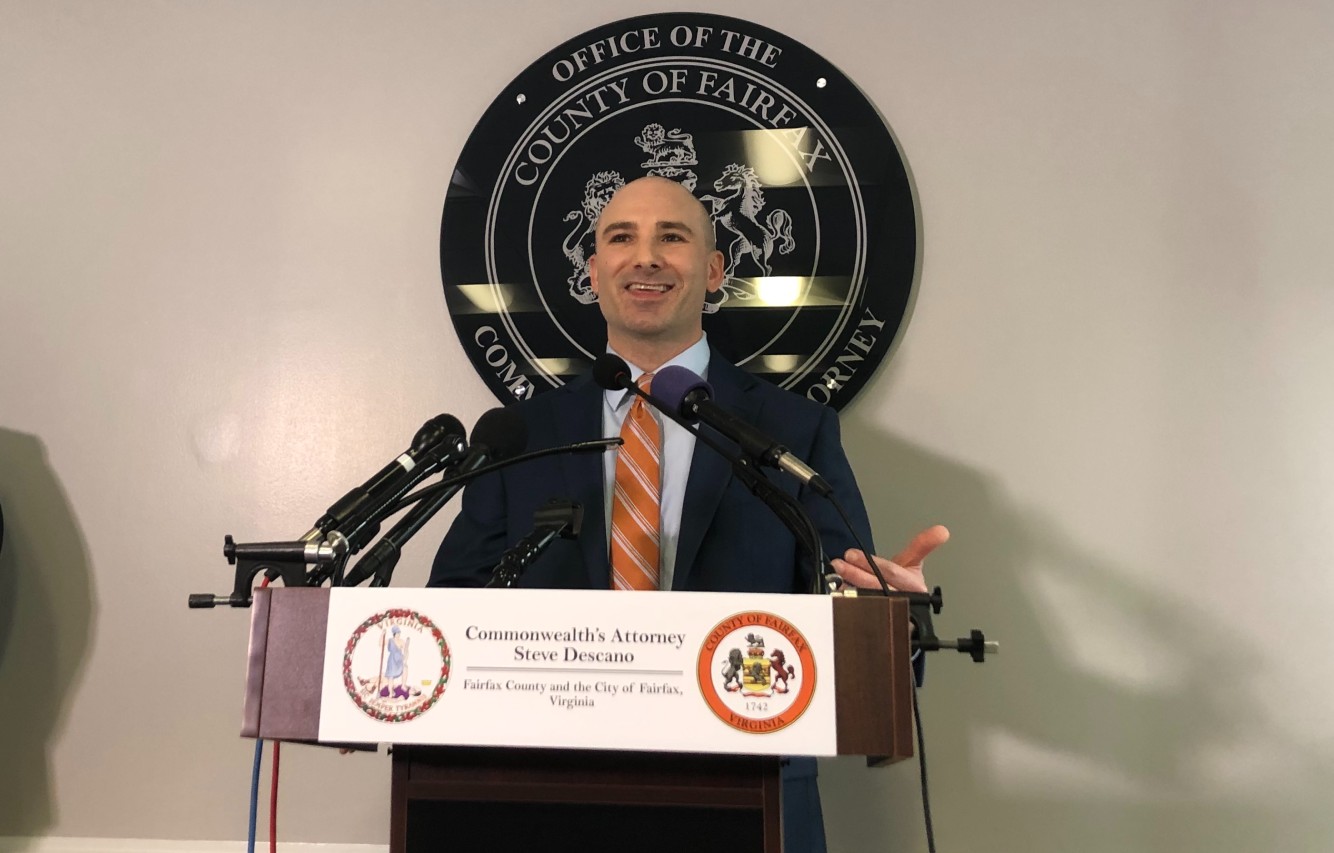
Fairfax County’s top prosecutor has launched a new diversion program that aims to provide people accused of nonviolent crimes with programs and services instead of a criminal record.
Under the program, called Taking Root, Fairfax prosecutors and defense attorneys can jointly recommend to judges that certain people accused of crimes be assigned to intensive programming instead of being prosecuted. If a judge agrees to the diversion process, the person will be assigned a plan for services and treatment and start participating in regular check-ins with a case manager. And ultimately, if they complete that individualized program, the charge will not appear on their criminal record.
The new program expands on existing diversion programs in Fairfax that have narrower eligibility requirements. Those programs aim to direct people with mental illness, co-occurring substance use disorders, developmental disabilities, and low-level offenses out of jail and into treatment programs instead.
The new program’s only “red lines” in terms of eligibility have to do with excluding people accused of violent crimes, according to Fairfax Commonwealth’s Attorney Steve Descano: People accused of sexual crimes, domestic violence, and all other crimes categorized as violent will not be able to participate in diversion.
“Never before has our justice system embarked on something so ambitious, aimed at interrupting the cycle of crime and providing an off-ramp from incarceration where an individual gets individualized services,” said Descano at a press conference Wednesday.
Descano said the goal of the program is to “allow accountability for any crimes that may have been committed, while at the same time addressing the root causes of crime.”
And, Descano added, if a person does not successfully adhere to their assigned program, “then the case will be treated as a traditional case and it will go through the normal justice system process.”
The county will collaborate with the Virginia-based nonprofit restorative justice group Opportunities, Alternatives & Resources (OAR) to implement the program. (Restorative justice approaches focus on finding a resolution to harm that does not depend on criminal prosecution).
“This program will allow individuals to realize their potential for the long term,” said Lula Kelly, who manages OAR’s diversion programs. “We also want to look at giving people resources to help them realize and recognize what they’ve done and how they can change those things and change the trajectory of their lives.”
The Commonwealth’s Attorney’s Office and OAR are aiming to include 35 people in the program to start. Six people are already participating, according to Kelly and Descano. They said they are working to directly address the reasons why people committed the crime they were charged with in the first place. For example, they said, one of the current participants was initially accused of petty larceny and was struggling with employment issues, along with mental health and substance abuse issues. That person’s plan has placed them in services that address those specific needs, according to Descano.
The programs could include a variety of services, like help with access to therapy, housing, education, employment, and addiction treatment as well as requirements like ‘theft intervention education.’
“We help somebody find a job so they don’t have to steal,” said Descano. “We help them with their mental health and their drug issues so they don’t need to self-medicate and find themselves having lost that job.”
The new program is funded by a grant from the Vera Institute for Justice, an advocacy group that works with local governments across the country to fund pilot programs aimed at reducing incarceration or curbing its harms. The funding from Vera will last about a year, according to Descano’s office, and it will fund a new case manager position as well as an effort to collect data on how the program is working.
In the past, Descano has expressed concern that his office has not gotten enough resources from the state for its diversion programs, because the formula for funding prosecutors’ offices in Virginia does not take into account all of the resources required for them. Instead, Virginia funds prosecutor’s offices based on how many people are convicted in court. Descano’s office, along with advocates for criminal justice reform, have said that the state funding formula therefore incentivizes more convictions and more incarceration, instead of rewarding efforts to divert people from the criminal justice system and provide them with services. In response to these concerns, the state launched a study of the funding issue.
The announcement of the new diversion program comes as Descano has faced repeated criticism from members of Virginia Gov. Glenn Youngkin’s administration, including the state’s new attorney general Jason Miyares, for being too lenient on people accused of crimes. Youngkin and Miyares claimed during last year’s campaign that crime in Virginia was “skyrocketing” and Democrats and progressives were to blame. And since they’ve entered office, they’ve expressed strong opposition to Descano’s reform-minded approach.
On Wednesday, Descano said his reform efforts would not be deterred by this line of criticism. Descano said that overall, crime in Fairfax County was down by more than 9% in 2021 compared to 2020 — and that his efforts to change the approach to prosecuting crimes are made with crime victims in mind, too.
“We hear from victims time and time again, [and] what they really want is they don’t want to be victimized over and over. And they recognize that when somebody goes to jail, what happens is they come back out and they come back out to the same neighborhood that they were originally in, and a lot of times they come out for the worse,” said Descano. “But because I talk about reform, there are some people who want to use that word for a political narrative to try to build controversy and somehow argue that we’re making the community less safe, when in fact we’re making it more safe.”