Jacob Fenston
Montgomery County has joined its neighbors in deploying a tool that helps catch trash before it makes it into the Anacostia River.
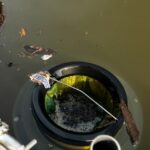
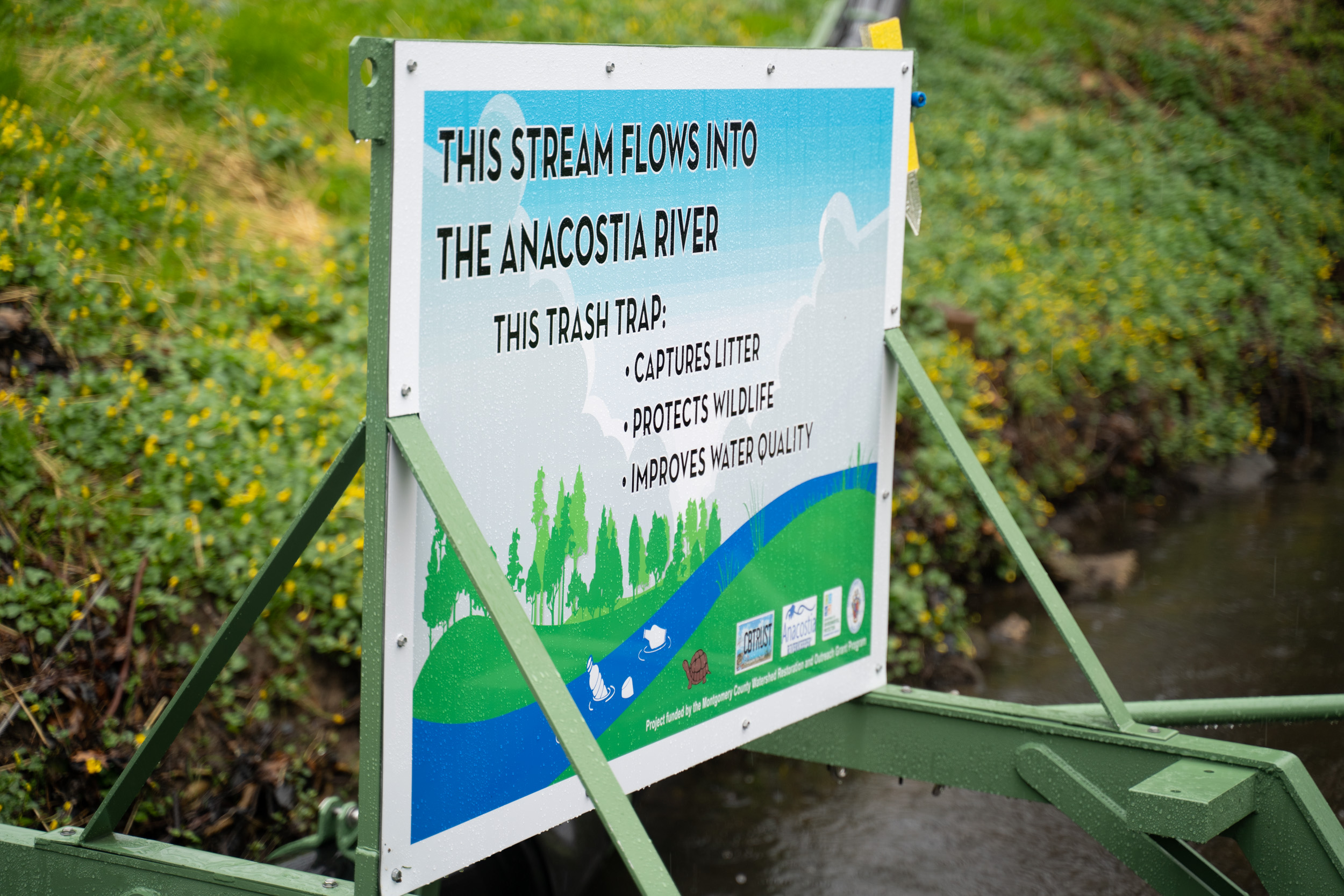
The county recently installed a new trash trap, a floating cage that captures debris as it flows through creeks, on a creek in Silver Spring. The trap is the eighth in the Anacostia Watershed — a small, highly urbanized watershed that gets more than its fair share of litter — and the first in Montgomery County. The others are in Prince George’s County and D.C.
The new trap in the Four Corners area of Silver Spring is on the Lockridge Drive Tributary, right before it empties into the Northwest Branch of the Anacostia River.
“It’s a great spot for it to be,” said Jordyn Muse, a crew leader with the Montgomery County Conservation Corps, a county green job training initiative which is tasked with maintaining the trash trap. “It’s at the end of a neighborhood, so all the water and all the storm drains that flow through the entire neighborhood, they end here.”
The Montgomery County Department of Environmental Quality provided the $200,000 grant that paid for the trap, including installation and two years of maintenance.
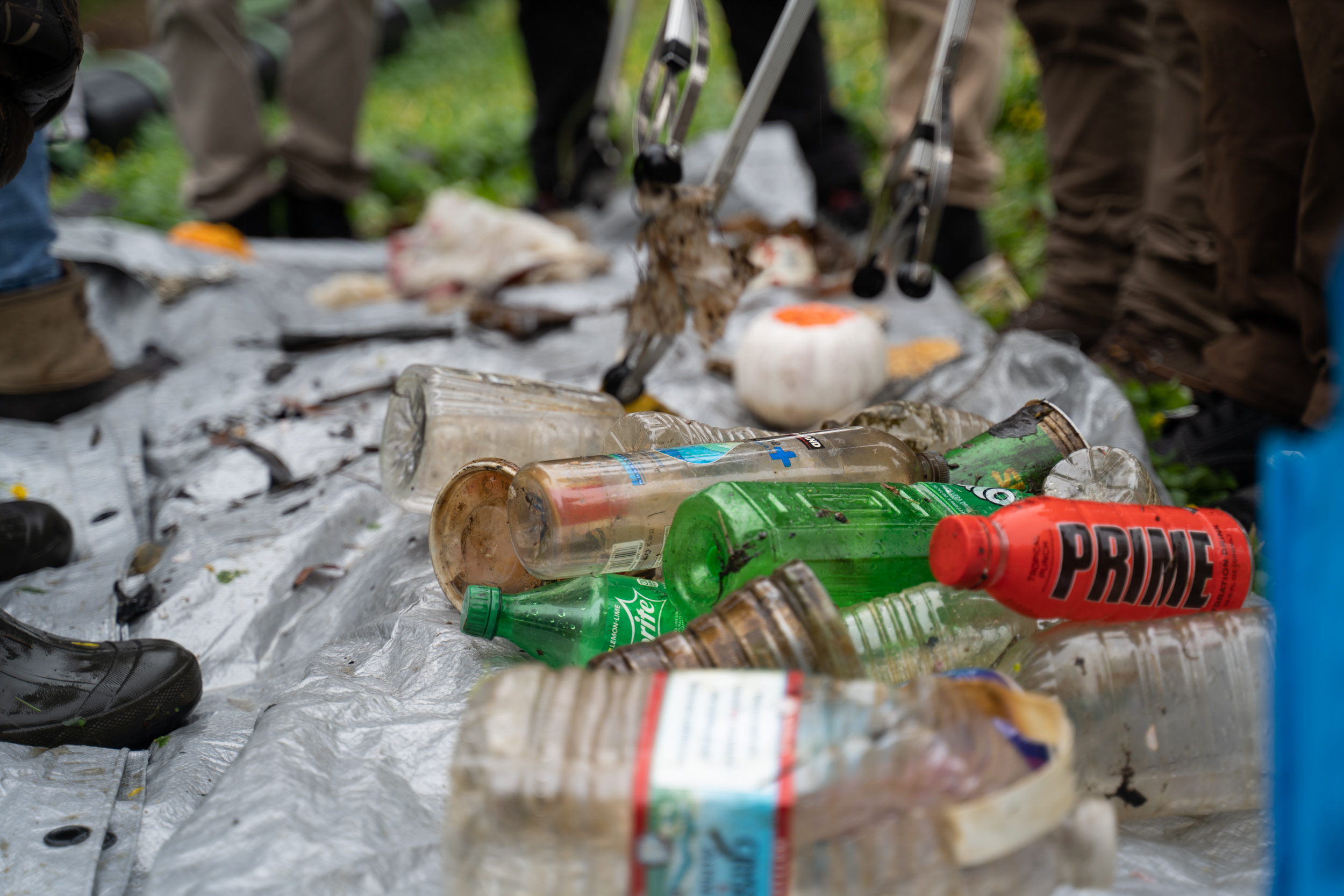
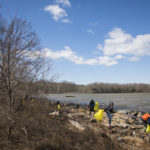
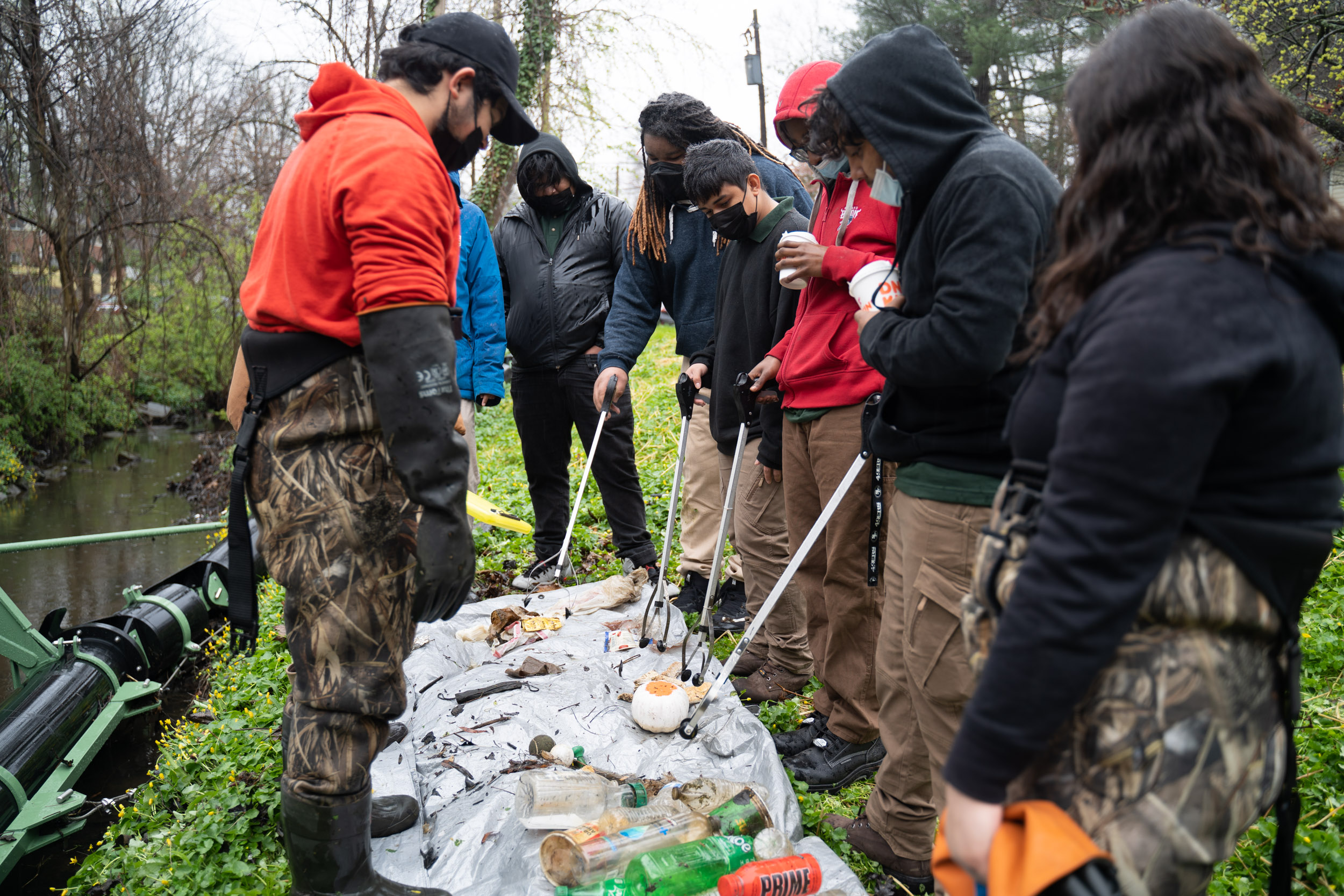
Muse and a crew cleaned out the trap on a recent cool, rainy morning, collecting a couple dozen plastic bottles, a plastic Halloween pumpkin, Christmas decorations, a tennis ball, a pack of condoms and various other items.
“It’s definitely it’s messy work, but it’s definitely necessary,” said Muse.
The Anacostia River has long had a trash problem. In fact, it’s one of only a handful of rivers in the country officially deemed to be impaired by trash by the U.S. Environmental Protection Agency, which has put the river on a “trash diet.”
But most of the trash that ends up in the river comes from land; every time it rains, it’s washed off roads and sidewalks and into storm drains and creeks.
“We are catching more and more of the trash, and we’re starting to learn more and more about that trash and where it’s coming from and what kinds of materials make it up,” said Anacostia Riverkeeper Trey Sherard. “Over half — 60% — of the weight of all of the trash floating on the Anacostia River is just plastic bottles.”
County Executive Marc Elrich, who helped unveil the trash trap recently, said the county continues its efforts to prevent litter — for example, levying a 5-cent tax on disposable shopping bags — but trash is still making its way into the waterways.
“It’s a lot easier catching it here than is catching in the Potomac River, catching it in the Chesapeake Bay,” said Elrich. “Everything we do upstream of our major waterways is absolutely, absolutely critically important.”