 Jordan Pascale
Metro says riders are returning at higher rates than they anticipated.
Ridership has already surprised their conservatively-estimated projection of 28 million rides by nearly 40% through the first three quarters of the fiscal year, the transit agency said Monday.
Bus ridership has returned to about 60% of pre-pandemic levels, with about 290,000 rides per day on recent weekdays. Rail ridership is at about 37% of pre-pandemic numbers, with 230,000 rides on recent weekdays. Parking garage use has tripled in recent months, too.
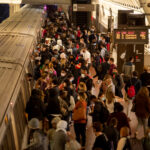
The numbers bode well for the region’s economic recovery as tourism rebounds and more workers return to the office, but it is less welcome news for train and bus riders who are experiencing more crowded vehicles. Riders cited a noticeable uptick in crowding during peak periods once May started. And as ridership is rising, Metro continues to wrestle with train shortages as 60% of its fleet, the 7000-series trains, remained sidelined.
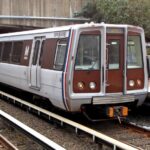
Trains are running every 10 minutes on the Red Line, every 15 minutes on the Yellow and Green Lines, and every 20 minutes on the Blue, Orange, and Silver Lines. Later this month, more 6000-series trains are set to return, and eventually, some 7000-series trains will return over the next few months. But the only service improvements will be an eventual 15-minute headway on the Blue, Orange, and Silver lines.
Additional trains will be used to replace trains that have malfunctioned while in service and be used to address crowding in problem areas.

It’s also at a time when coronavirus is still present in our region. Alexandria, Fairfax, and Arlington County are at medium levels of spread, according to CDC data. The Northeastern U.S., including New York and New England, is experiencing medium to high levels of community spread. Some jurisdictions, including the District, have scaled back public testing and reporting of new cases.
Riders have had to make more calculated decisions about taking transit after Metro dropped its mask mandate last month after a judge overturned the federal masking rules for transportation. On rides last week, it appeared about 70% of riders still wearing masks.
Metro attributes the rise in ridership to higher gas prices; the return of large-scale events like marathons and 10ks, sports, and concerts; and tourist events like cherry blossom season. There’s also a good chance that more employers returning to work had something to do with it: SmartBenefit users reached a pandemic peak of 66,000 riders recently, tripling since January. SmartBenefits is a transit benefit offered by employers and likely correlates well with the return of work commutes.
Metro Board Chair Paul Smedberg welcomed the ridership numbers.
“While the Board’s budget assumed conservative ridership forecasts in the interest of fiscal responsibility, we are delighted that people are returning to the system more often than expected,” Smedberg said in a statement. The transit agency faces a $300 million budget gap starting next year when federal coronavirus relief funds run out. Metro says higher ridership revenue and associated advertising revenue increases could help shrink that gap.
Metro spokesperson Kristie Swink Benson said as ridership continues to increase, they’re monitoring crowding and “sending extra trains to those locations, when possible, to alleviate any discomfort for our customers.”
“Fresh air is circulated throughout train cars every three minutes and while masks are no longer required, many customers are still choosing to wear masks during their trips,” she wrote in a statement. ”We encourage customers to use WMATA.com’s Next Train app for crowding information.”
While Metro General Manager Paul Wiedefeld said he expects to see ridership levels continue to rise this summer, train service is not expected to significantly improve in the next few months.
WMATA’s ridership recovery has been slower than in other major cities including New York and San Francisco.
Metro has previously said it doesn’t expect a return to a pre-pandemic level of ridership, (626,000 rail rides on an average weekday and 350,000 bus rides on an average weekday) until 2024.