Margaret Barthel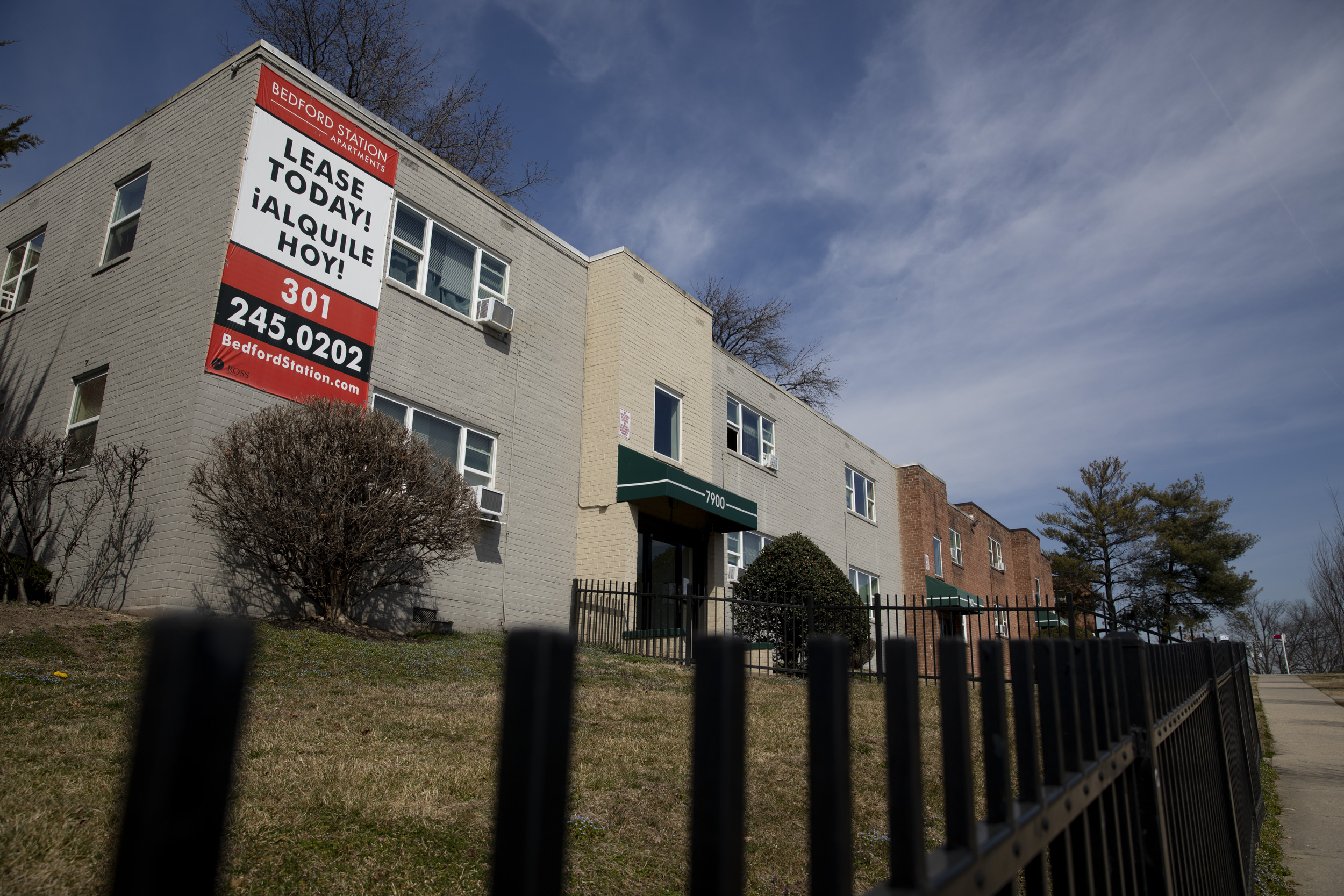
A cap on rent increases Montgomery County put in place during the pandemic expired on Sunday. Different versions of the protection against big rent hikes have been in place since April 2020, the first few weeks of the region’s coronavirus lockdown.
From Feb. 4 to May 15, landlords had only been able to increase rents by 0.4%. Before that, rent increases had been capped at 1.4%. In November, the County Council stepped in to extend the cap,, which had been set to expire 90 days after Maryland ended its health emergency.
To maintain the protection, the Council passed a law — the Extended Limitations Against Rent Increases and Late Fees Act of 2021 — that temporarily required landlords to adhere to the county’s voluntary rent guideline in setting rent increases. The guideline is a percentage increase that is calculated based on the D.C. region’s consumer price index, a federal measure of change in price for different goods and services over time. The law also prevented landlords from charging late fees for unpaid rent.
The guideline was 1.4% in 2021. In February, County Executive Marc Elrich set the 2022 voluntary rent guideline at 0.4% — but with the law expiring, compliance with the guideline is no longer required.
Landlords in Montgomery County now have to give tenants 90 days of notice before a rent increase, and they can only bump up the rent once a year, according to the county’s Department of Housing and Community Affairs.
At-large councilmember Will Jawando sponsored the November legislation to extend the rent increase cap. At the time, he said the move would particularly help Black and Latinx communities, and “the many low-income families, senior citizens living on a fixed income and people with disabilities who have been deeply impacted by the pandemic and continue to need rental support.”
Some officials and advocates have expressed concerns that the end of the cap and fee protections could result in a steep rise in rent costs.
“Unlike most areas across the country, MoCo residents have been able to avoid sky-rocketing rent increases,” tweeted state senator Jheannelle Wilkins (D-District 20). “I fear for what’s next as this limit lifts.”
The county’s application portal for tenants who need temporary help paying rent due to pandemic-related income losses reopened this week. The Rent Relief Program distributes federal pandemic eviction prevention money locally — up to $12,000 in aid for eligible households to pay unpaid rent or as much as three months’ future rent. Households below 30% of area median income may qualify for even more support. Montgomery County has given away almost $70 million so far.
The county’s weekly report on its emergency assistance distribution efforts is one window into which renters in Montgomery County are still struggling with the effects of the ongoing public health crisis. For the week of May 11, 60% of rent relief recipient households made 30% or below of area median income, 52% were Black, and 32% were Hispanic.
Similar pandemic supports are winding down elsewhere in the region. Virginia and D.C. have both closed down their rental relief programs to new applicants, having given out nearly all of the federal aid available.