Elliot C. Williams
Howard University has acquired 252 photographs by Gordon Parks, the prolific photographer known for his work documenting Black America — including Black residents in D.C. Parks is considered one of the most groundbreaking American photographers of the 20th century, studied and emulated by everyone from college photography students to Kendrick Lamar.

The expansive collection — among the most comprehensive of Parks’ work to date — was gifted and sold by The Gordon Parks Foundation, an organization that works to preserve Parks’ legacy through exhibitions and research. The collection, which includes some of his earliest works, will live on campus at the Moorland-Spingarn Research Center.
In the early 1940s, Parks worked in the photography division of the Farm Security Administration and, later, the Office of War Information, in D.C.
“As a photographer working in segregated Washington, D.C., in 1942, Parks established his first connections with Howard, which then embodied many of the values that his work came to represent,” said Peter Kunhardt, The Gordon Parks Foundation’s executive director, in a press release. “For him, that was a learning experience, which makes Howard a fitting place to keep his art alive.”
The university says it will organize Parks’ photos into 15 study sets and build exhibits and curricula around his work. The collection spans five decades and features the late photographer’s earliest work from the 1940s.
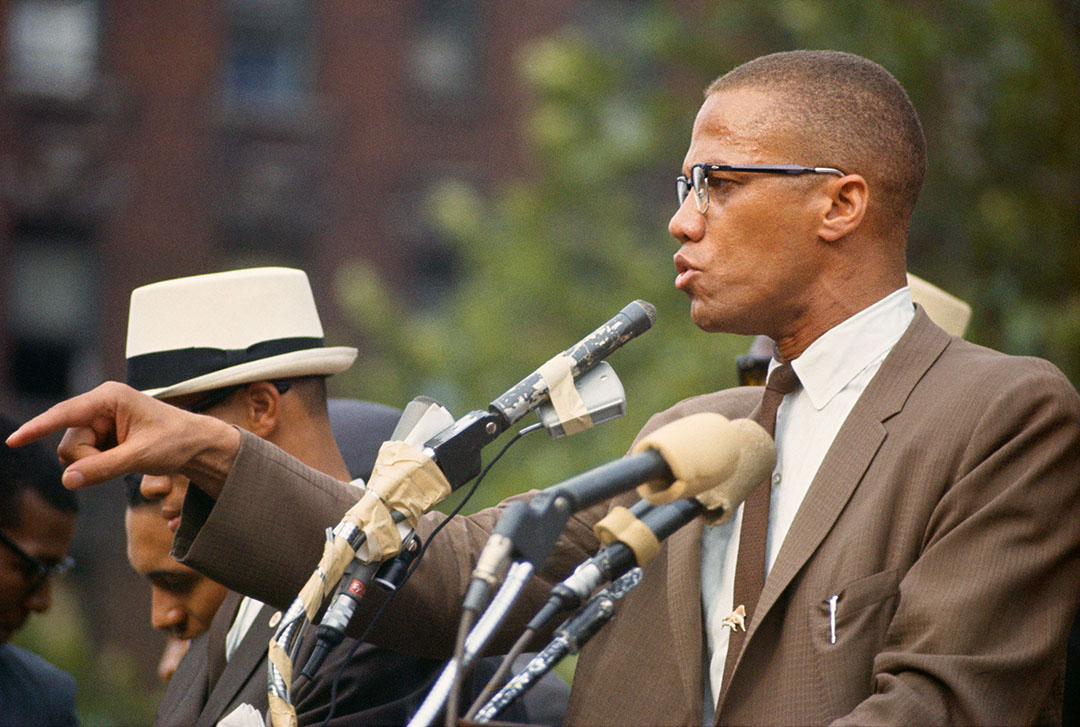
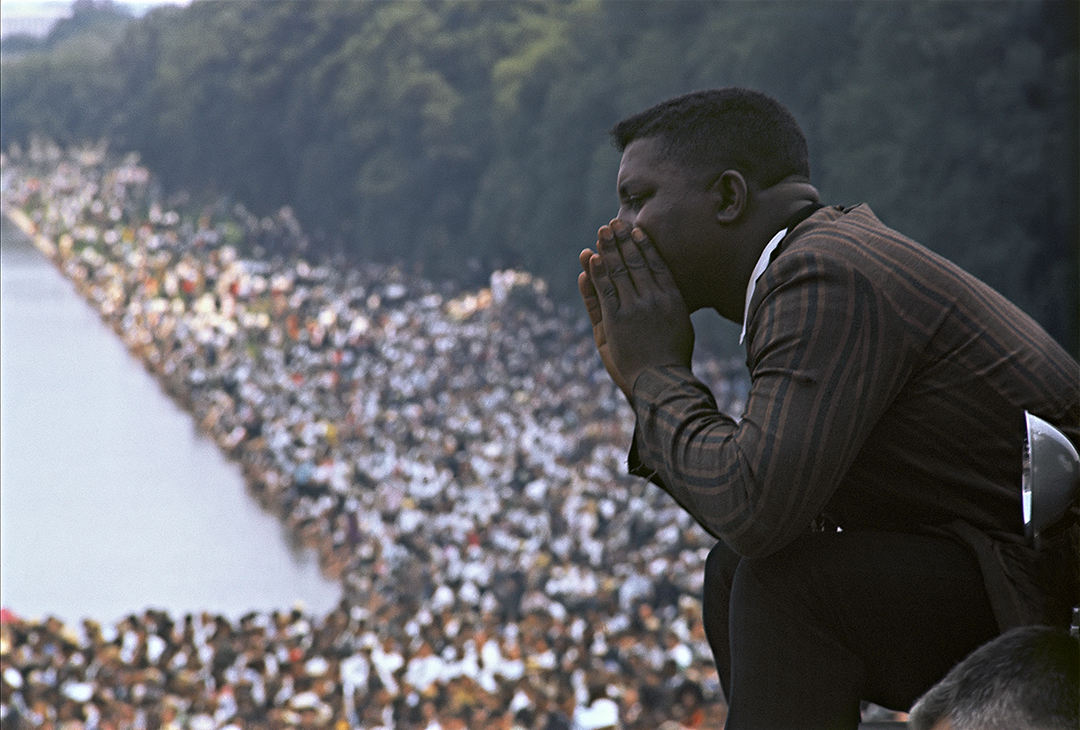
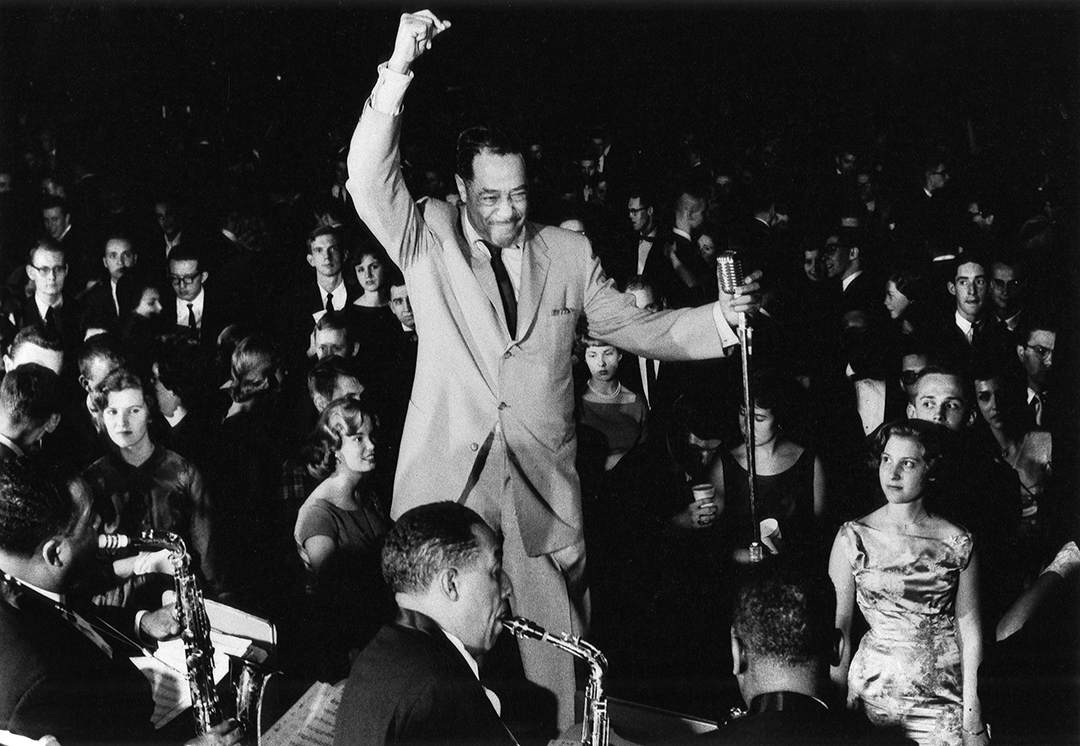
Parks, born in Kansas, captured images of prisoners, civil rights icons, and everyday people living in the Jim Crow South — all with the same purpose of showing each subject’s core humanity and furthering “the common search for a better life and a better world,” as he was known to say.
His creativity expanded far beyond still photos. In 1969, he became the first Black person to direct a major motion picture when he released The Learning Tree, a film based on his own semi-autobiographical novel about growing up in Kansas. Parks followed the film with his 1971 box-office hit Shaft, which set the stage for countless Black action films (as well as the controversial “Blaxploitation” genre) to come. He was a film producer and composer, an author and a poet according to the foundation’s website. He continued his creative output until his death from liver cancer in 2006.
He became a staff photographer for LIFE magazine in 1948, capturing fashion shows and gang wars. Parks called a camera his weapon “against poverty, and discrimination, and the intolerance I had suffered as a Black man in America.”
“Mr. Parks was a trailblazer whose documentation of the lived experiences of African Americans, especially during the civil rights period, inspired empathy, encouraged cultural and political criticism, and sparked activism among those who viewed his work,” said Wayne Frederick, Howard’s president. “Having a collection of his timeless photographs in the Moorland-Spingarn Research Center will allow Howard University faculty, students, and visiting scholars to draw on his work and build upon his legacy of truth telling and representation through the arts.”
The Gordon Parks Foundation will celebrate the acquisition and partnership with Howard at its annual awards dinner and auction in New York on Thursday.
Correction: This story has been updated to reflect the nature of the Parks collection acquired by Howard. While the collection is comparable in size to some others, it is among the most comprehensive portfolios of the artist’s work, as it includes several of Parks’ earliest photographs.