 Jordan Pascale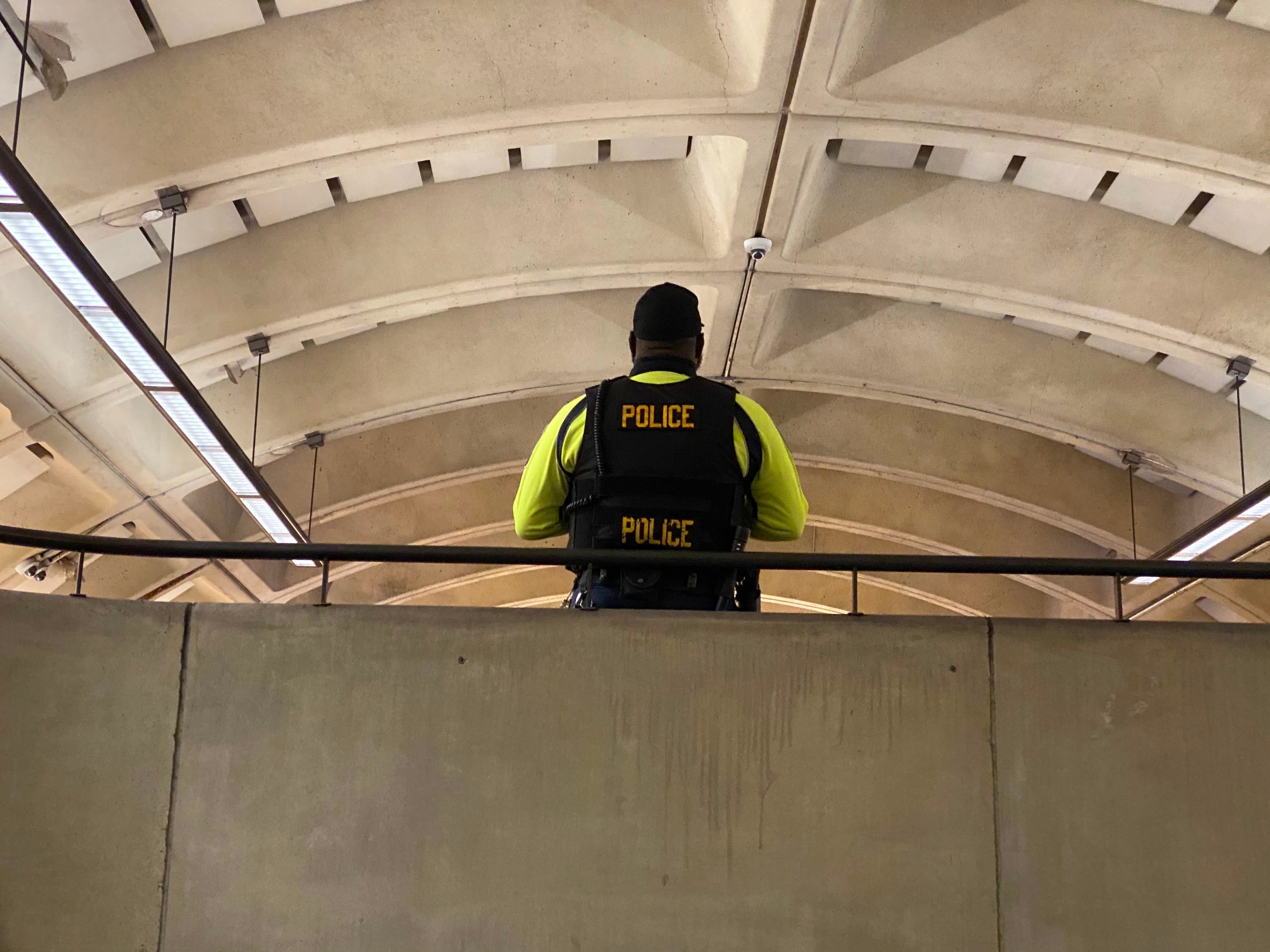
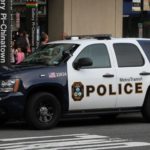
Transit Police officers that monitor Metro stations and buses will wear body-worn cameras starting next year, the agency said Tuesday.
The Department of Justice gave the Metro Transit Police Department a $905,000 grant for the cameras last year, but now is moving forward with the program. The grant is part of a larger $27 million program for law enforcement agencies.
“Our focus remains on safety, transparency, and building community partnerships,” Transit Police Chief Michael Anzallo said in a statement. “I believe implementing this new program is another positive step in the right direction for the department.”
The cameras “create an additional layer of transparency for sworn officers who protect Metro customers and employees,” the department says.
The DOJ is reviewing MTPD’s draft policies and procedures for the camera program. MTPD says it will reach out to the public to talk more about the program prior to the rollout.
D.C.’s police force adopted body cameras in 2015, but use among large agencies isn’t universal. NBC4 found last year that 12 of the 20 largest law enforcement agencies in the region use body-worn cameras.
Body cameras are implemented to increase transparency and provide evidence of a law enforcement interaction. Bystanders have recorded video of several interactions with MTPD in recent years: A 2019 video shows officers tasing a man who was trying to talk to officers who had detained juveniles; officers in 2020 handcuffed a 13-year-old; another officer pinned a woman to the sidewalk with a taser in her back in 2018; and in 2016, an officer kicked a woman’s leg out from under her to get her to sit down.
D.C. Police have been using body-worn cameras since 2015. A 2017 trial of about 2,200 officers found that the cameras’ presence led to no statistical difference on use-of-force incidents or complaints from civilians. In 2019, at a D.C. Council hearing on body cameras, Mike Tobin, the head of the independent Office of Police Complaints said the cameras had not led to “dramatic changes in police conduct.” Other critics at the time noted that the bulk of the body camera footage isn’t made public, and often audited or used for training, and the consequences for officers who don’t turn them in are weak.
MTPD, which is under WMATA leadership, has an authorized strength of 468 sworn police officers and 140 security special police.