 Olga Imbaquingo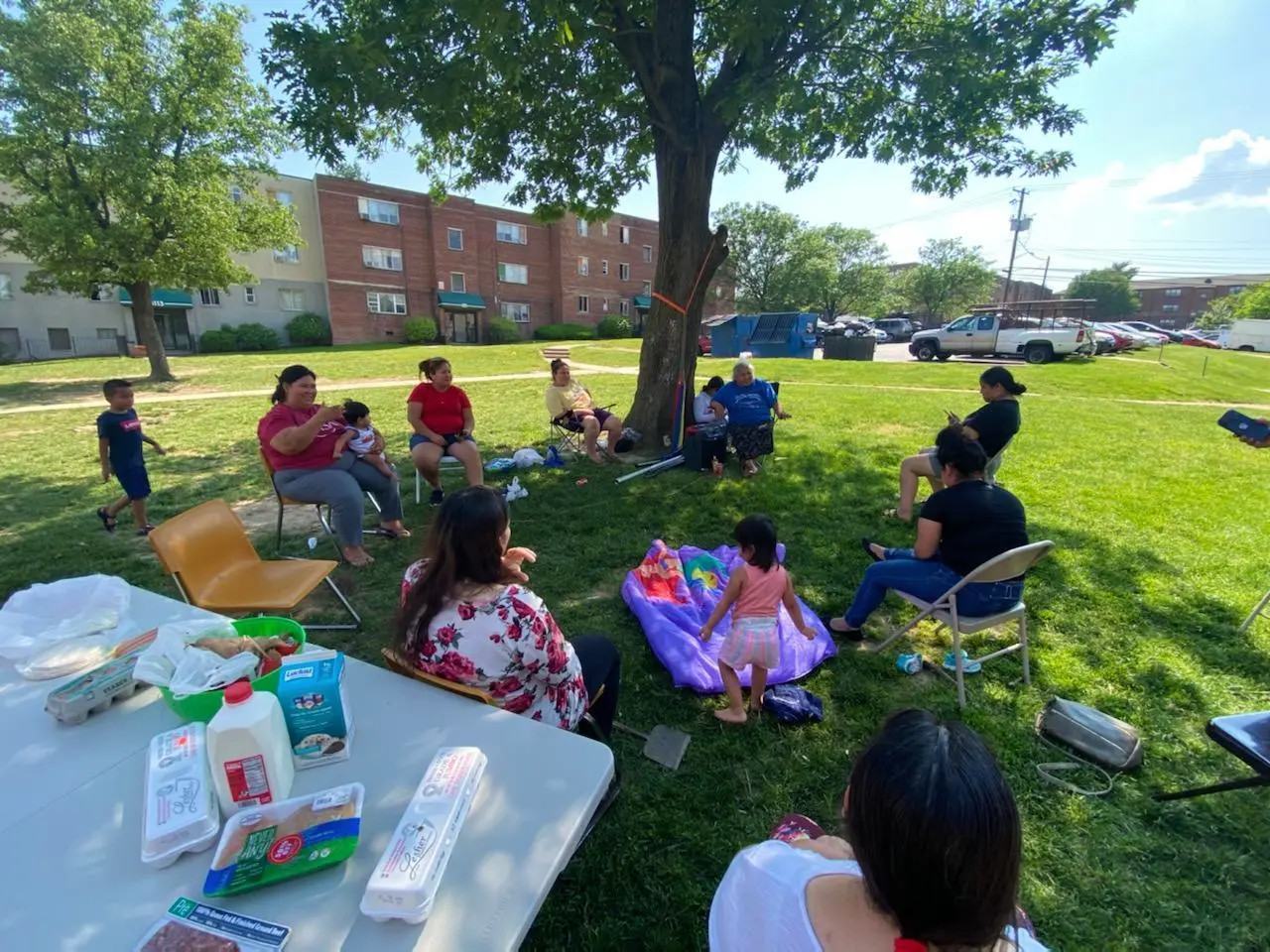
This story was produced by El Tiempo Latino. La puedes leer en español aquí.
Summer is never welcome in the home of Digna Ramirez. Power outages, a lack of air conditioning, spoiled food in the refrigerator, and breathing complications resulting from the oppressive heat make for an inevitable ritual of discomfort and helplessness.
At the Bedford Station and Victoria Station apartments in Langley Park, Maryland, where Ramirez has lived for three decades, it’s the same thing every year: as soon as there’s a heat wave, the electrical system fails. This happened in May, when the families of both buildings had to go out in the middle of the night to “get some fresh air,” said Ramírez, who regretted throwing away food that spoiled while the fridge was out, including “the little tray of expensive meat.”
Lidia Rivas, community activist at CASA Maryland, received a call at 8 p.m. on Friday, May 20.
“They told me that they had been without power for more than an hour. When I arrived the families were already out in the street because the heat was unbearable inside,” Rivas said. “Hours passed and service was not restored, while babies in diapers cried because they were exhausted.”

The next day, some families with children took refuge in the nearest McDonald’s restaurant, others stayed and waited in nearby green spaces. “This problem doesn’t go away, and despite the claims nobody provides a solution,” Rivas said.
A similar situation was experienced that weekend at the Cheverly Station complex. While temperatures over 90 degrees were predicted for that weekend, WUSA9 reported that Ross Management sent tenants a letter warning that the central air may not be activated until May 30. A Prince George’s County law passed in 2020 requires landlords to keep temperatures at no more than 80 degrees from June 1 through Sept. 20.
The three-day heat wave hit Friday, May 20. Residents suffered until technicians came to get the air conditioner working that Sunday, according to Jorge Benitez, CASA Maryland’s community campaign leader.
An old problem
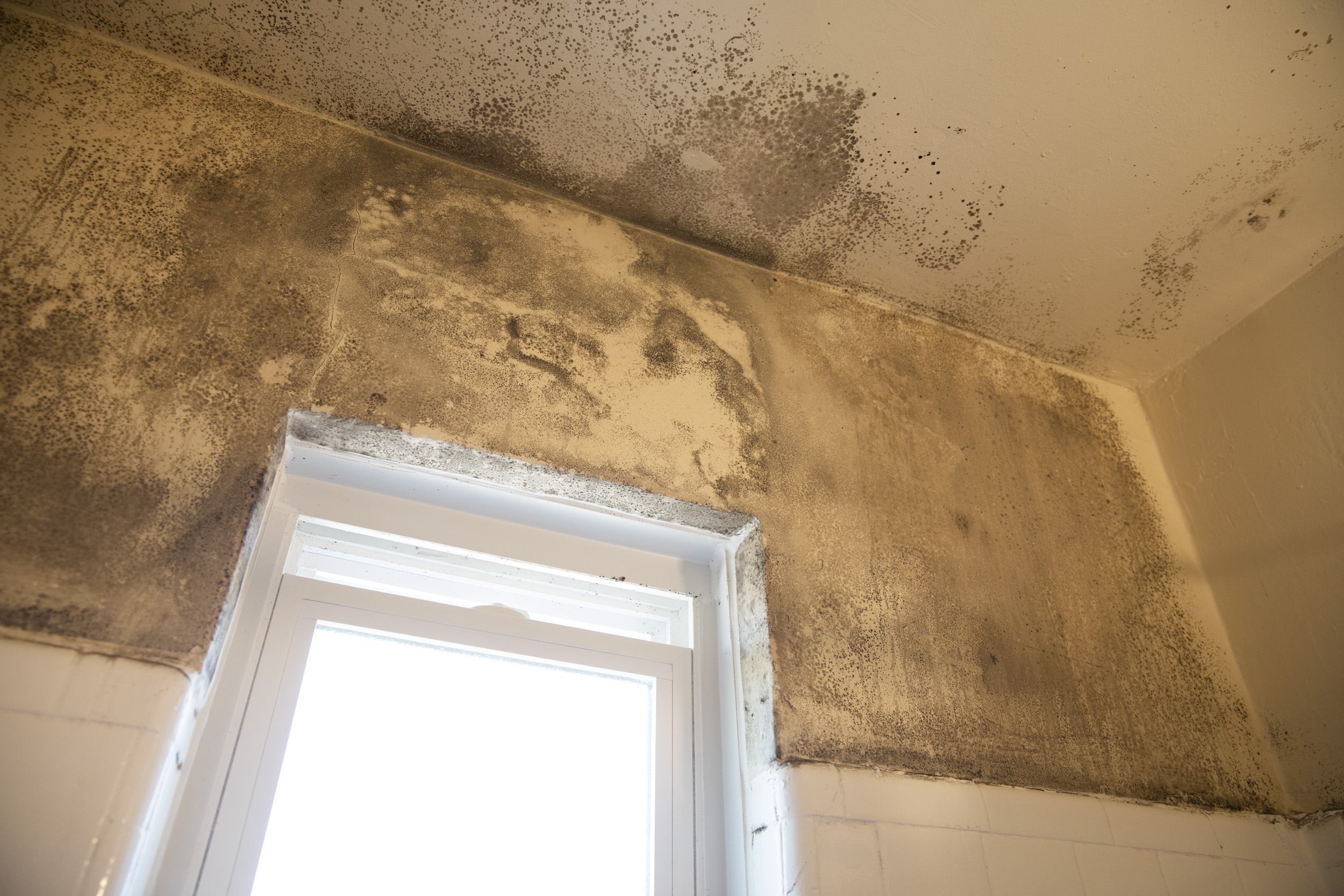
El Tiempo Latino (and DCist/WAMU) has been reporting for years on the precarious conditions in which tenants, mostly vulnerable Latino families, live at the Bedford Station and Victoria Station apartments. In addition to the lack of air conditioning in the summer and heating in the winter, El Tiempo reported infestations of rodents, cockroaches and bedbugs at the apartments in 2012. They have also reported on mold covered walls and leaks.
“None of that has changed. The difference is that maybe 14 years ago they were trying to fix it faster, but for the last five years we have been abandoned,” Ramírez said.
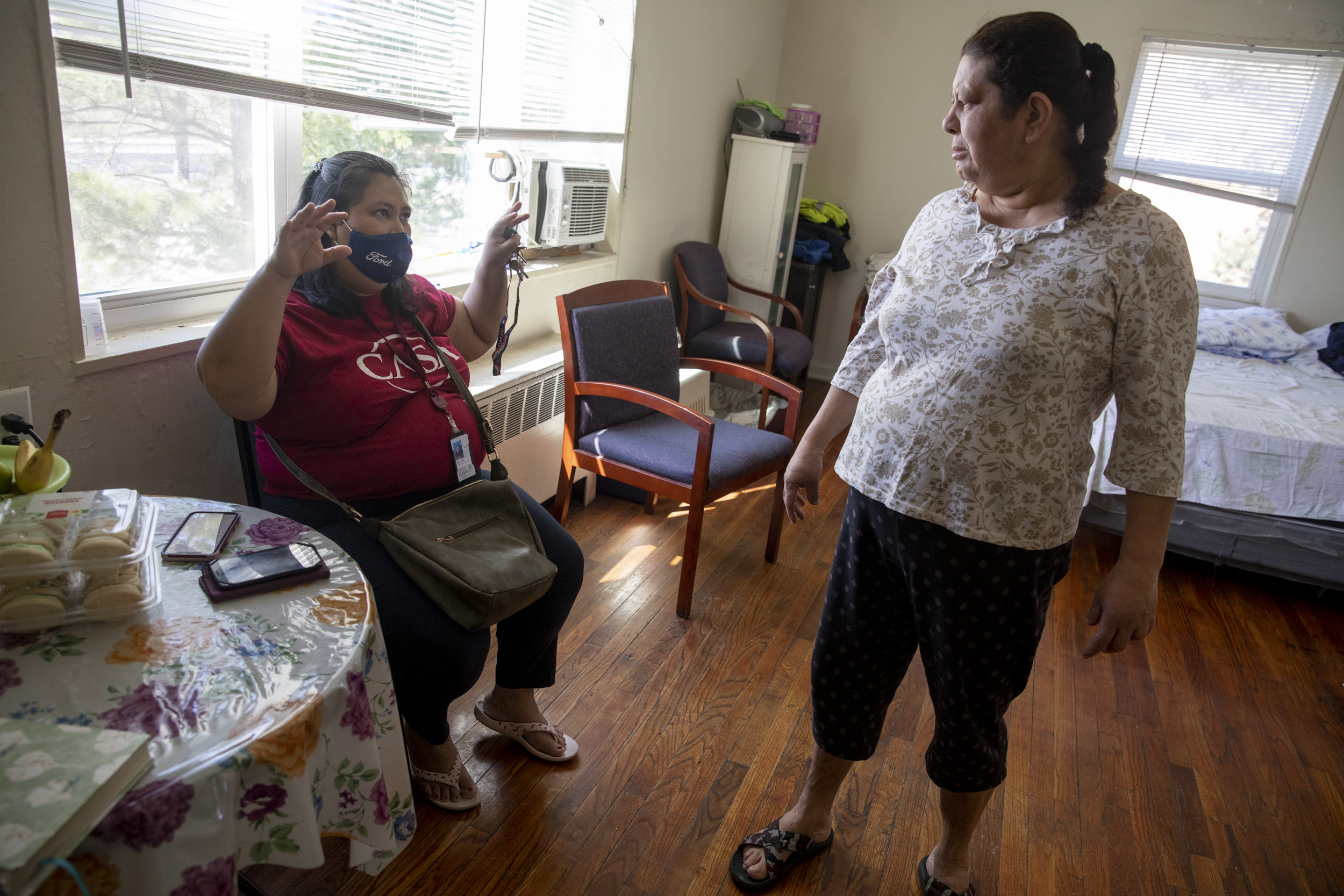
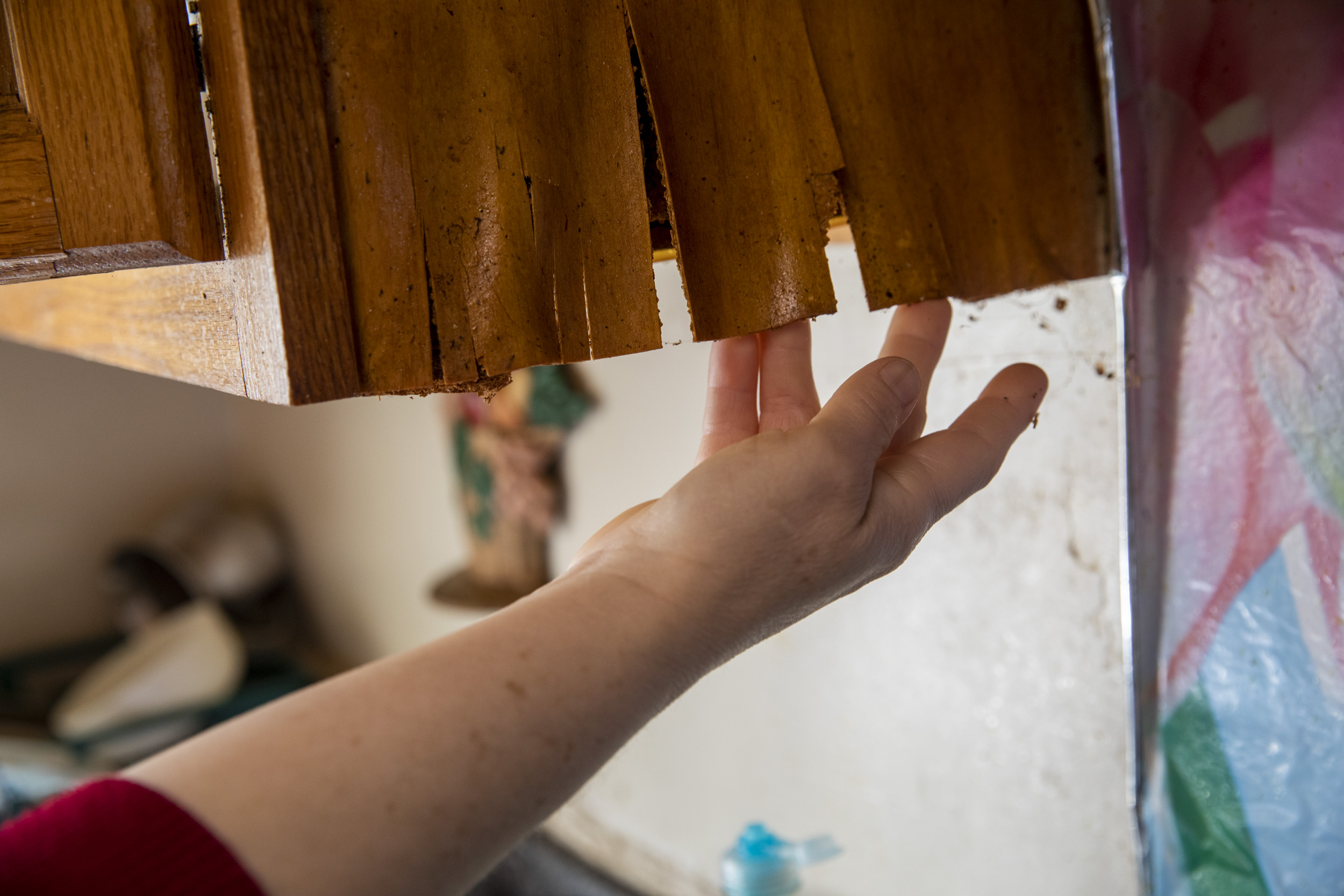
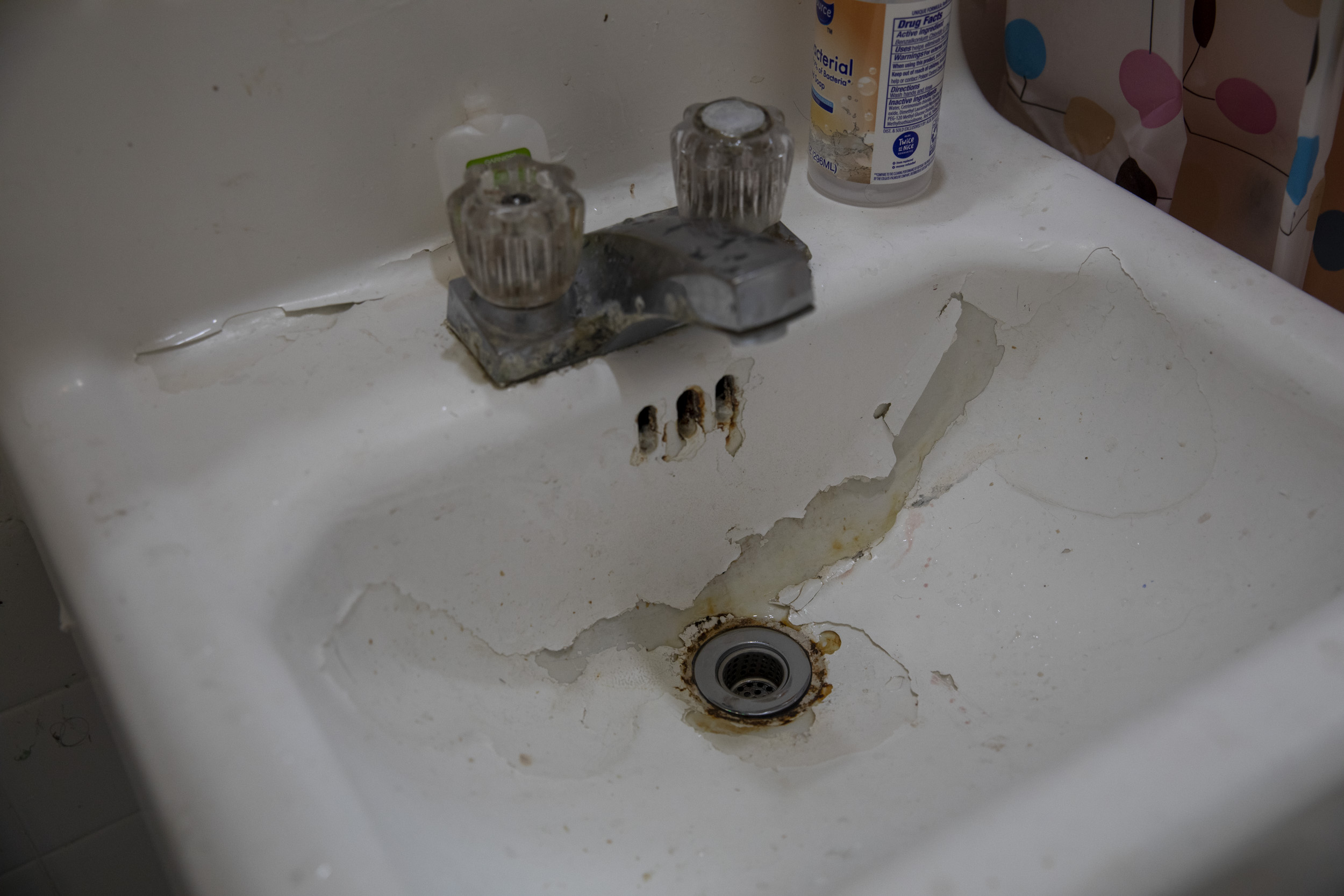
The people who live there are from Honduras, Guatemala, Mexico, and the Dominican Republic, according to Siomara Rodriguez. “I’ve been living here for more than 10 years and the bathroom is broken and no matter how many times I have called, no one comes to fix it,” she said.
In the latest blackout, the street was her and her son’s only solace. “It was sad to see the little babies suffocating. The sick, the elderly and all of us suffer a lot,” Rodriguez added.
The food was spoiled
The blackout reached the attention of Prince George’s County Council Member Deni Tavares that Saturday. “I looked for a technician, he found the problem, fixed it, and the tenants were able to return to their apartments,” Tavares said. “These homes are the most problematic in the county; in addition to the lack of repairs and maintenance, there have also been tenants who have caused considerable damage to the electrical system. Two years ago someone ‘rigged’ the wiring at Christmas and the system exploded, they were without electricity for 15 days.”

In this last outage, power was restored shortly after 4 p.m. Karen Agustín’s old refrigerator failed to keep their milk and chicken cold enough to withstand the heat. “What usually happens is that the power goes out, but the fridge light stays on,” he said. “But this time everything went out. In these times of shortages, it is a great loss to have the milk and meat go bad. I held out for several hours inside, but my son started sweating profusely, so I had no choice but to go out.”
Agustín laments that since he moved in four years ago, the only things on time are the monthly rent payment, and the lack of both air conditioning in the summer and heating in the winter. “One window is damaged, the cold comes in and my son is here alone with the flu. The school has already called me to complain that he is missing a lot of days sick.”
The tenants, with the help of Casa Maryland, filed a lawsuit against the management of the Bedford Station and Victoria Station units, which is still pending without progress.
A reason for optimism
There is a glimmer of hope. These buildings are in the process of being sold, the new owners live in the area and may better understand the reality this community lives in.
That is the councilwoman’s hope. “As part of the negotiations, we are working to ensure that the right to affordable rent is maintained, including these homes that are close to the purple line,” Tavares said. “We are optimistic to know that the owner is local and there will be an office in which to request repairs.”
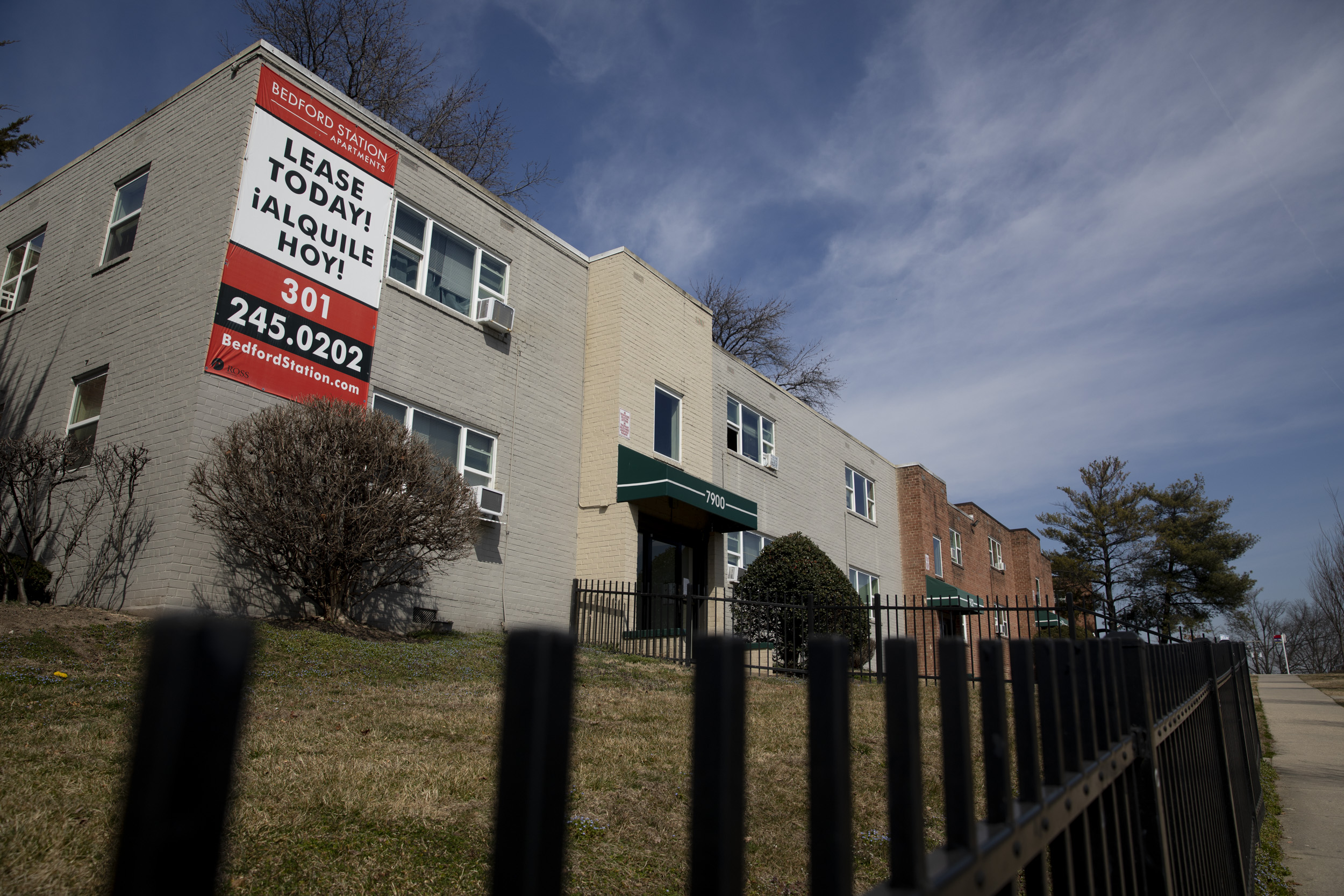
The change of leadership and the sale negotiation will come into effect in the coming months. “I hope to see more favorable conditions in those housing units, but meanwhile I remind the tenants that there is a shelter not far from there to spend the worst days of heat,” Tavares continued.
Benitez, the CASA community campaign leader, also harbors some hope that the change of ownership will bring new solutions to old problems. However, for him it would be best if the housing was run by the tenants. He also said authorities should understand there is a mixed community of immigrants who remain silent and suffer, who do not speak English and do not know how to access services – including people with Temporary Protected Status (TPS), Deferred Action for Childhood Arrivals (DACA) recipients, and their children.
The bill-of-sale letters tenants have received is another reason for uncertainty.
“I know that the air quality is not good for my lungs and that without cool temperatures, I feel like my life is draining away,” said Ramirez, the Bedford and Victoria Station tenant who described the need to get fresh air when the electricity went out. “But if I do the math, there is nowhere to go because everything is so expensive. If the new owner asks us to vacate, I don’t know where we will go. Those of us who are poor are afraid that we will not find anywhere else.”