Amanda Michelle Gomez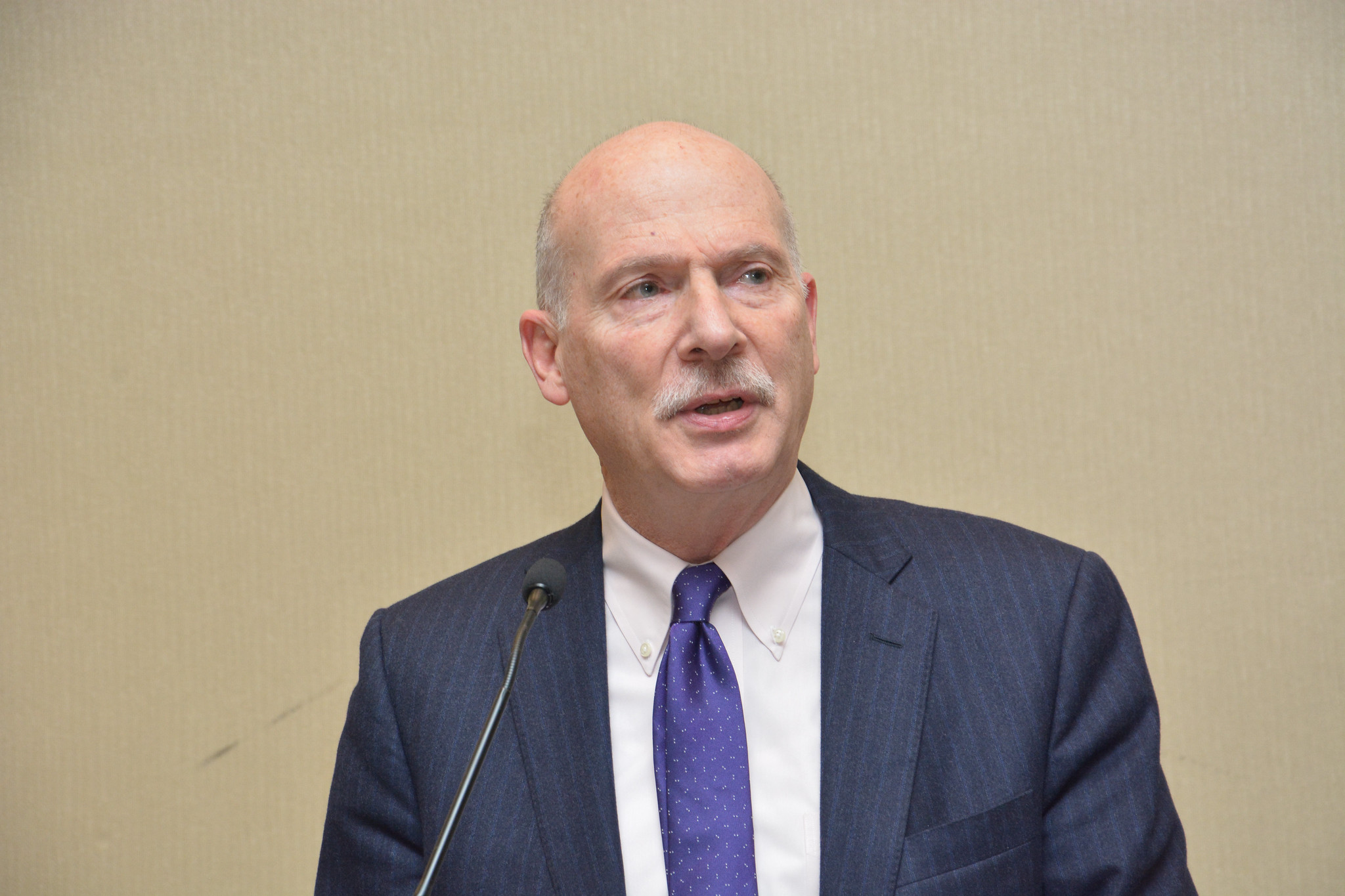
D.C. Council Chairman Phil Mendelson is trying to reform a short-term housing subsidy program that people experiencing homelessness and their advocates have long criticized for failing to provide participants enough support to secure stable housing.
Mendelson and seven of his colleagues introduced legislation last week that would make the temporary rental subsidy more generous, as well as link the program’s participants to permanent housing. The move comes after over 50 organizations and experts called on the Council to reform the city’s rapid rehousing program. According to Amber Harding of The Washington Legal Clinic for the Homeless (a group calling for the overhaul) only 3% of families in rapid rehousing can afford rent without further assistance once their subsidy expires.
“Cutting DC residents from rental assistance for hitting a time limit when they cannot afford market rent on their own is unfair, unjust, and will lead to increased evictions and homelessness – disproportionately harming Black residents and other communities of color,” says an open letter to the Council on behalf of dozens of organizations and experts dated April 7. The letter not only called for reform, but to increase permanent affordable housing vouchers.
The rapid rehousing program moves individuals or families experiencing homelessness from a shelter to apartments, covering a portion of their rent for roughly one year, with an opportunity for extension. The goal is to provide participants some stability as they address issues like employment or health care, so they can be in a position to pay their rent in full by the time their subsidy is terminated.
While some government officials have defended the program for immediately lifting people out of shelters, others have noted its shortcomings — namely, it does not keep many people out of homeless shelters or housing instability permanently. According to a City Paper analysis of the 2019 Point-In-Time count, 42 percent of families who left the District’s homeless services system, but later required assistance once again, had used rapid rehousing subsidies.
“The goal with our homeless services is that we either get people placed into subsidized housing or we get them back on their feet. But not that we perpetuate a cycle of homelessness. And rapid rehousing, basically as it’s been used, is part of the cycle,” Mendelson tells DCist/WAMU.
His bill would reform the rapid rehousing program for individuals and families in several ways:
- Ensure people pay no more than 30% of their income toward rent, as opposed to the 40 to 60% they sometimes pay now.
- Make case management an optional, not mandatory service.
- Require Mayor Muriel Bowser’s administration to determine if participants are eligible for longer-term housing, including the Permanent Supportive Housing program or Targeted Affordable Housing, within the first six months of enrollment.
- Prioritize participants for Targeted Affordable Housing, which provides people with a permanent subsidy and case management. Participants who are enrolled the longest in rapid rehousing and thus have their subsidy near ending would be prioritized first.
Right now D.C. government does not systematically refer rapid rehousing participants to permanent housing programs, even if they may be eligible. A bridge between the temporary subsidies and permanent vouchers has long been a recommendation by local experts, according to Harding. She says that is how rapid rehousing works in other jurisdictions with high rents. That’s in part why she’s confident about the bill’s results.
“I do think it will reduce shelter re-entries,” says Harding via email. “I also think it will significantly reduce the number of families who get evicted because their subsidy ended prematurely, the number of families (primarily Black families—97% of families in rapid re-housing are Black) who get displaced completely from DC when their subsidy ends because they cannot afford rent in DC without a subsidy, and the number of families who return to abusers or sleep in unsafe settings rather than go back to shelter (or who get denied shelter when they try).”
The Bowser administration has relied on rapid rehousing in order to meet the mayor’s goal of ending homelessness by 2025. The number of people participating in rapid rehousing has increased since Bowser took office. In February 2016, over 1,080 families had rapid rehousing subsidies and currently, 3,400 families do.
Mendelson says he and his staff worked with the DC Interagency Council on Homelessness and other nonprofits that support people experiencing homelessness to write the bill. Meanwhile, the mayor’s team did not respond to a request for comment on the bill.
Calls to reform rapid rehousing took shape after the Department of Human Services lifted the pandemic-related pause on termination notices and told the Council an estimated 913 families would be notified of their subsidy ending by September. The vast majority of those families would not be able to afford rent without rapid rehousing.
Mendelson tried to reform rapid rehousing during the last budget cycle but ultimately was unable to in part due to the associated costs. The chief financial officer said reform could cost more than $100 million — a figure the chairman disagrees with, saying “that’s just an effort to thwart what we are doing.” His office says roughly 350 of the 913 families that received termination notices would be protected by Targeted Affordable Housing vouchers funded in the fiscal year 2023 budget.
Mendelson expects a hearing on the bill by the end of the year.
This post has been updated to include comment from Chairman Mendelson.