 Olga Imbaquingo
This story was produced by El Tiempo Latino. La puedes leer en español aquí.
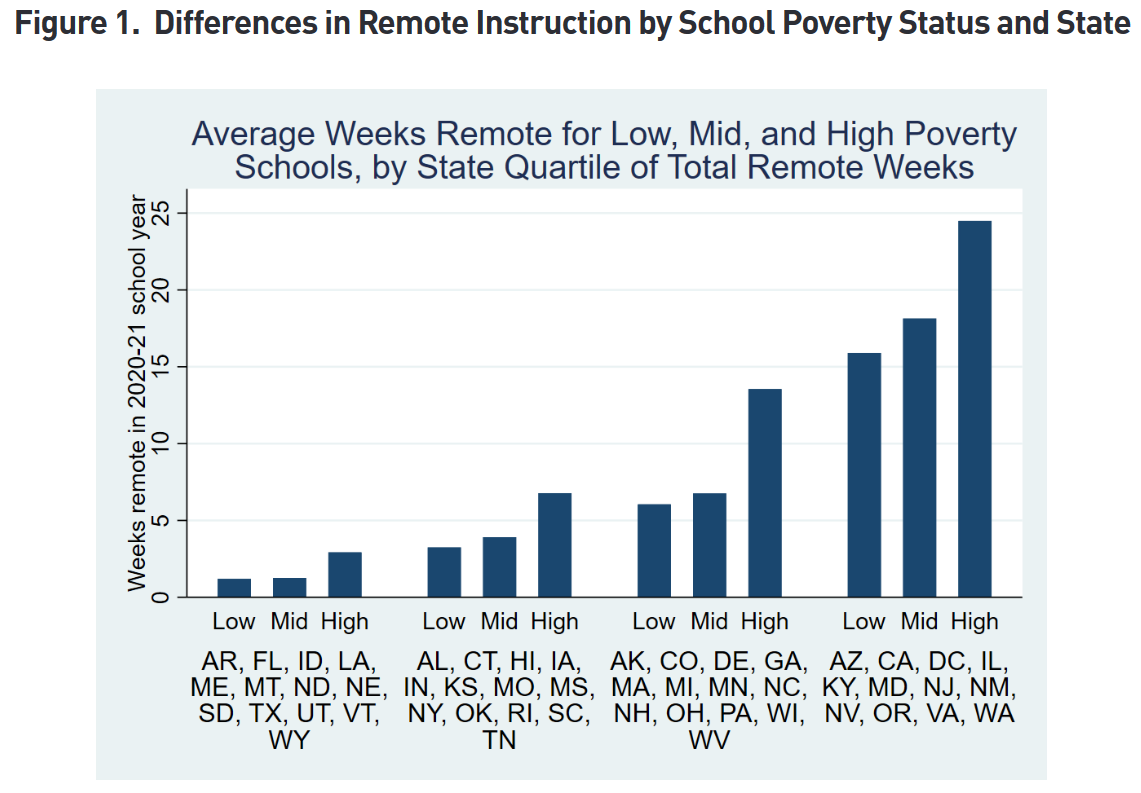
The achievement gap widened during the pandemic between economically advantaged students and those who are not, according to a recent national study. In Fairfax County, Virginia, the academic backlog became more evident than ever with the complete return of children to the classroom last fall. Students are lagging behind in math, language arts, English, and social skills.
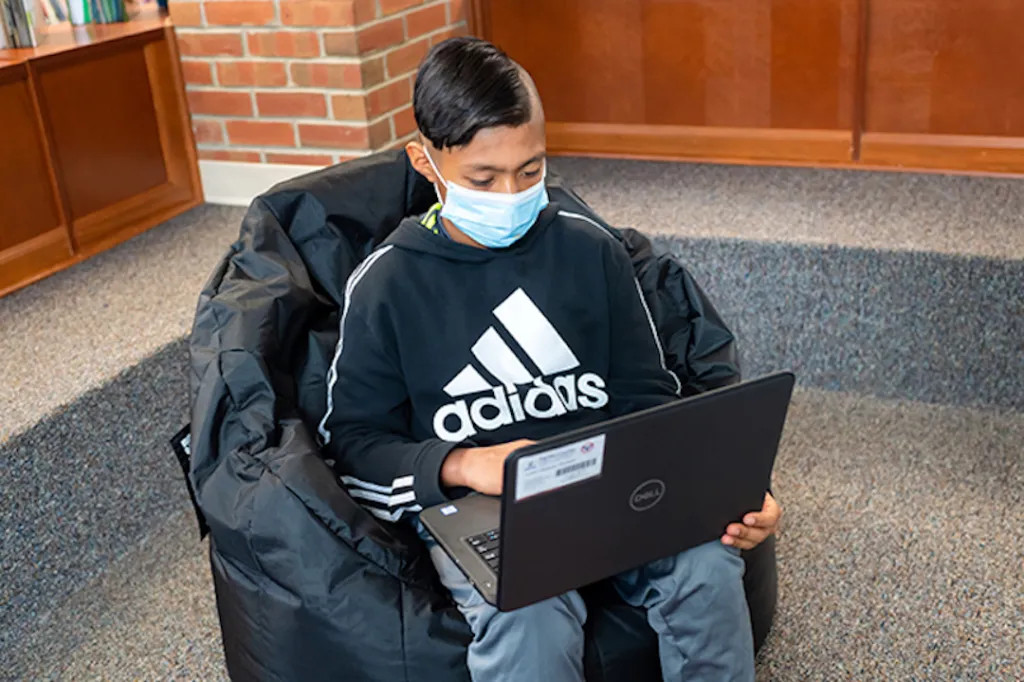
The solution? Since April, an online tutoring service has been made available to more than 180,000 students, 25% of whom are Latino. All Fairfax County Public Schools students can connect with a tutor in real time, 24/7, through FCPS’s “Schoology” site. The online portal ultimately connects them to personnel from Tutor.com.
“This platform does not replace face-to-face education nor does it replace a teacher in the classroom, but it is an additional tool because we understand well that the academic performance of many children has regressed,” Scott Brabrand, superintendent of Fairfax County Public Schools, told El Tiempo Latino.
The platform is available in different languages to facilitate communication with parents, but classes are only given in English.
“We are talking about an unquestionable reality, our children, especially those who speak another language, need more help to improve their grades,” Brabrand said. “This delay, in part, is due to the pandemic.”
Free unlimited online tutoring for FCPS students is funded through at least the end of the 2023-24 school year, according to FFXnow.
Student results
Julio Suárez’s 8-year-old daughter, Génesis, has taken advantage of the free tutoring and is now doing very well in math. Her teacher at Mount Eagle Elementary School told Suárez his little girl’s progress is remarkable.
“I like to see that my daughter doesn’t want to miss her tutoring appointment,” said Suárez, who has scheduled the appointments so that Génesis can always work with the same tutor. “She is very good at teaching her math and science. It’s been a satisfactory program for me.”
For security reasons, students and instructors do not see each other’s faces, but they do speak to each other and if they prefer, the entire class will be transcribed. Invisibility, in part, is for the security of minors. But Brabrand says students are also more confident about asking questions and expressing their academic needs if no one sees their faces.”
“The tutoring is so good and available all the time that I have already recommended it to the parents at the church where we go,” Suárez said.
Françoise Casablanca, the assistant principal at Groveton Elementary School, is similarly trying to spread the word. More than 55% of her school’s students are Hispanic and low-income.
Casablanca is personally familiar with the cost of tutoring: her two children have struggled with math and reading. “Together with my husband, we have managed to pay tutors who charge between $50 and $70 per hour, but with the pandemic it has been more difficult to get these professionals,” she said.
But many parents of the children at Casablanca’s school simply cannot cover those costs. So she sees this free program as a great opportunity.
Harvard’s projections
Harvard University’s Center for Education Policy Research projects that students living in the United States who fail to catch up academically will collectively miss out on about $2 trillion over their lifetime. Liz Pérez does not want that future for her 7-year-old daughter Abigail, who is already behind from the start. During the pandemic she turned five and had to wait until she was six to enter first grade.
A text message and email from Groveton Elementary alerted her to the program. Pérez went to the school to learn how to log onto the platform and has been connecting in Spanish ever since. She has had to wait between five minutes and half an hour for a tutor to become available and tells each instructor that her child needs reinforcement in English and reading.
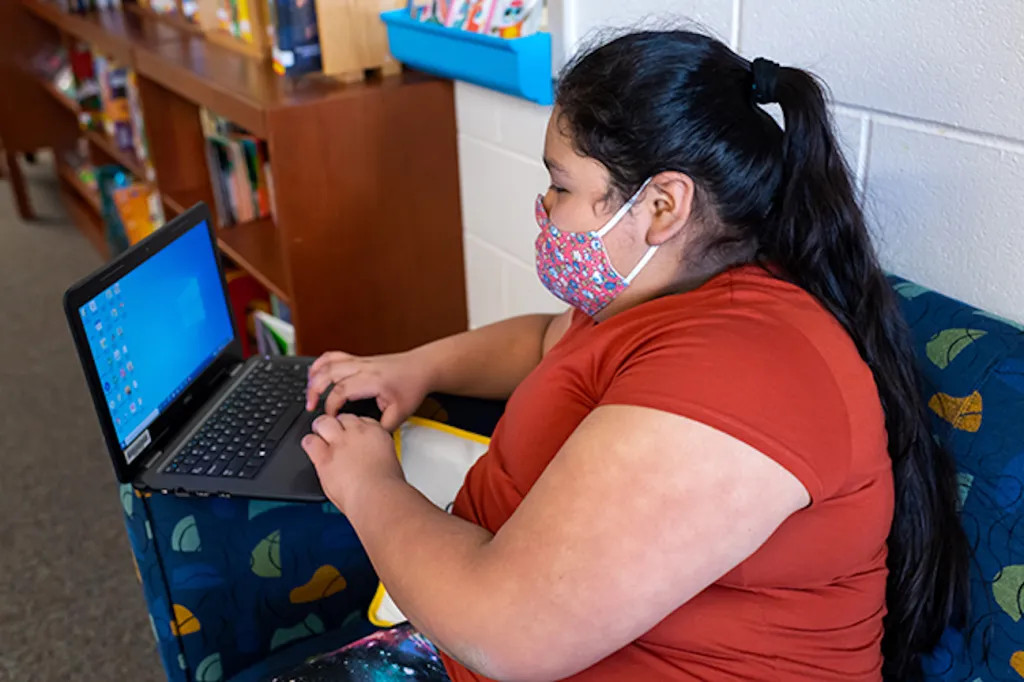
“I don’t find the program complicated,” she told El Tiempo Latino. “The problem is that there are children who find it hard to sit down and concentrate, and I include myself in that group of parents, because at home there are siblings and other distractions.”
Pérez recommends that other Fairfax County parents ask for the password and set up a schedule with one or more tutors. “It’s a great help for those of us who can’t afford private tutors or a car to take them to educational workshops.”
Brabrand, the superintendent, says there is another group of skills children and young people have to relearn: to smile, socialize, and overcome their fear. “The pandemic kept many of our students in a bubble and robbed them of the opportunity to interact socially and talk to each other in person,” he said. “This is like doing exercise, you have to pick up the pace to improve learning.”