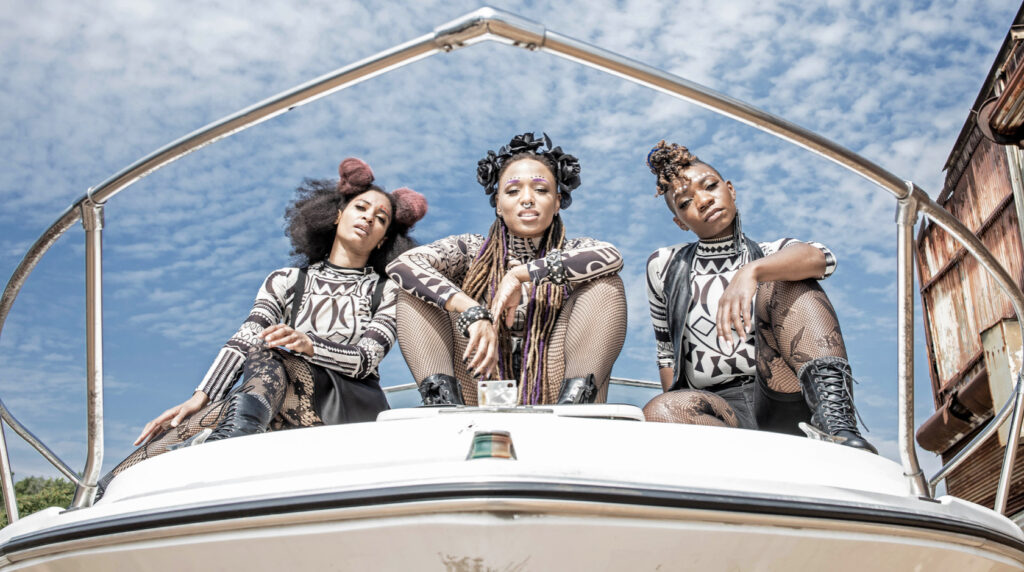
The African Diaspora International Film Festival rolls back into the District this weekend, two years after the COVID-19 pandemic forced organizers to take it online.
From August 5-7, the film festival will come to life at the George Washington University Student Center, with 16 documentaries and fiction films from as many countries.
“It’s unknown — it’s like starting all over again,” festival co-founder Diarah N’daw-Spech said of returning to an in-person event. “We are excited to be able to connect with people, but we don’t know if people will be willing to come out, so there’s a big question mark.”
For people who still feeling skittish about sitting in a movie theater with strangers, the festival continues virtually with the streaming of eight films. The online portion of the series runs from August 5-9.
N’daw-Spech who is Afro French and her Afro Cuban husband, Reinaldo Spech, founded the African diaspora film festival to counter stereotypes about Black people by showcasing their richness, diversity and human experience on the silver screen.
The 15th annual festival is for anyone who loves good films, enjoys compelling stories, wants to be entertained and learn about the world. The 16 countries represented are: Brazil, Bulgaria, Canada, Cuba, Dominican Republic, France, Haiti, Madagascar, Mali, Morocco, New Zealand, Serbia, Senegal, Tunisia, Uganda and the United States.
Film in this year’s installment have a few things in common. All of them highlight people of African descent and other people of color in front of the camera. And of them offer strong social commentaries about the human condition.
“They bring a reflection on a certain state of what’s going on in any given society,” N’daw-Spech said. “It’s not just telling a story, it’s also taking a critical look at what’s going on in the story.”
Regular screenings cost $12, but students and seniors will pay $10. Opening and closing night events are $15. The all-access pass costs $120. Masks are required for all screenings, regardless of vaccination status.
So which films to choose? We pressed N’daw-Spech highlighted a few standouts:
What you should see if you want to see the latest from an arthouse director:
That would be As far as I can walk (2021) which earned the top prize at the Karlovy Vary International Film Festival, as well as dozens of awards elsewhere. The movie is about a young couple from Ghana who flee to Serbia in search of a better life. While he adjusts to life there, learns the language and becomes a successful soccer player, she opts to leave the country and try her luck elsewhere, leaving him to decide whether to continue his success or chase after her. “It’s extremely well-made and for someone who knows cinema, they would really appreciate that film,” N’daw-Spech says.
If you’re into woman-centered films:
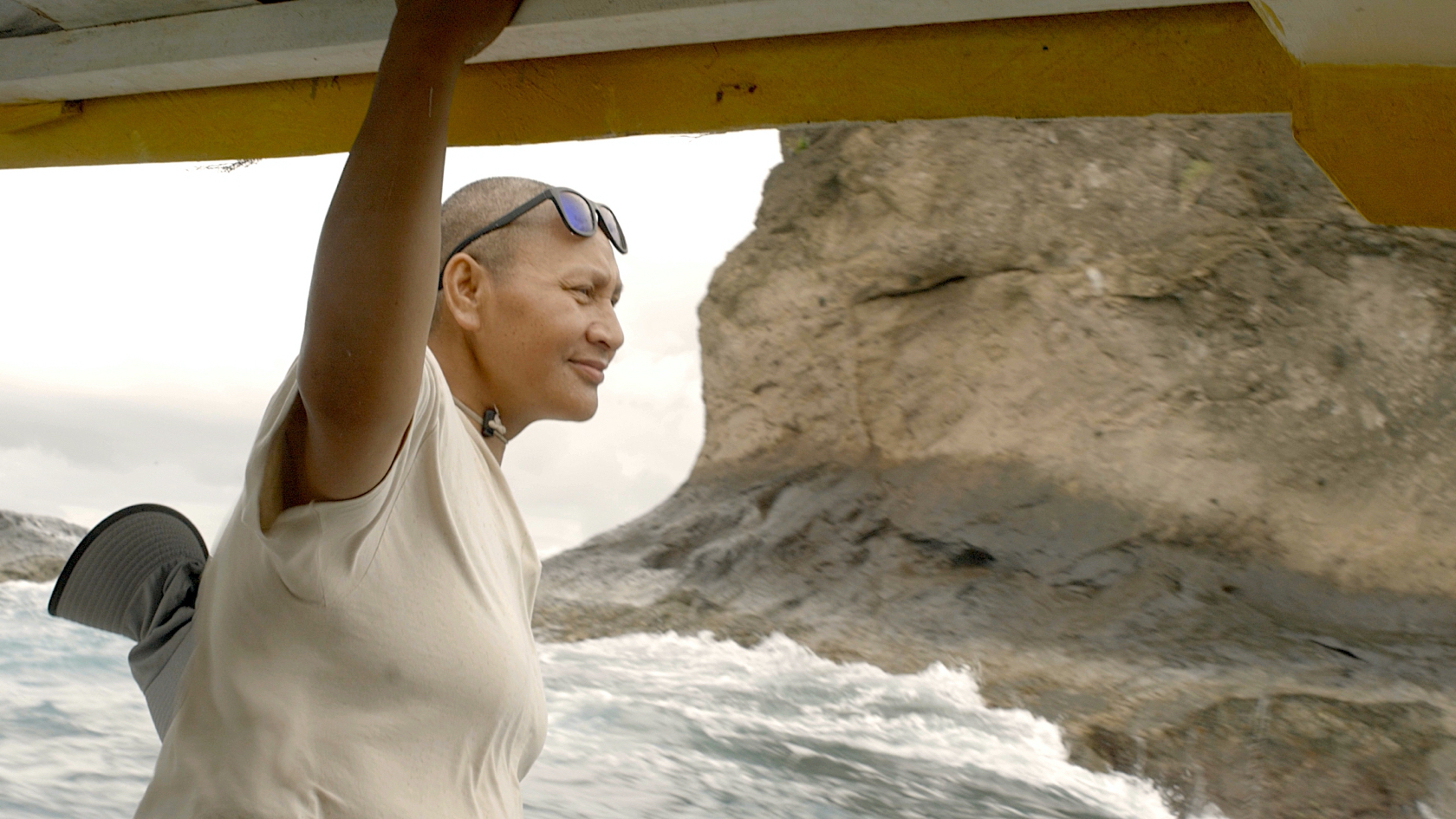
Loimata, The Sweetest Tears (2020) is the lone film in the group that doesn’t cover the Black experience. This documentary instead follows the Samoan/Kiwi Siope family as they head back to Samoa to handle a source of family trauma and find closure. Loimata is Samoan for tears. And there are a lot of them in the film.
Get Out Alive (2021) is an autobiographical musical about depression from Nikki Lynette, an artist and activist. In it, the multi-talented performer raises awareness about depression in Black women and how to survive it. “She uses her whole life as a platform to expose her own art,” N’daw-Spech says.
Me Little Me (2022) is a narrative about a young Black woman with an eating disorder. The film follows her day-to-day as she tries to manage the disorder and balance a normal life. “It’s a very interesting film because … it was the first time I saw a film that spoke on that topic,” N’daw-Spech says. “It’s nice to see our stories come from many different angles.”
If you can only see one movie…
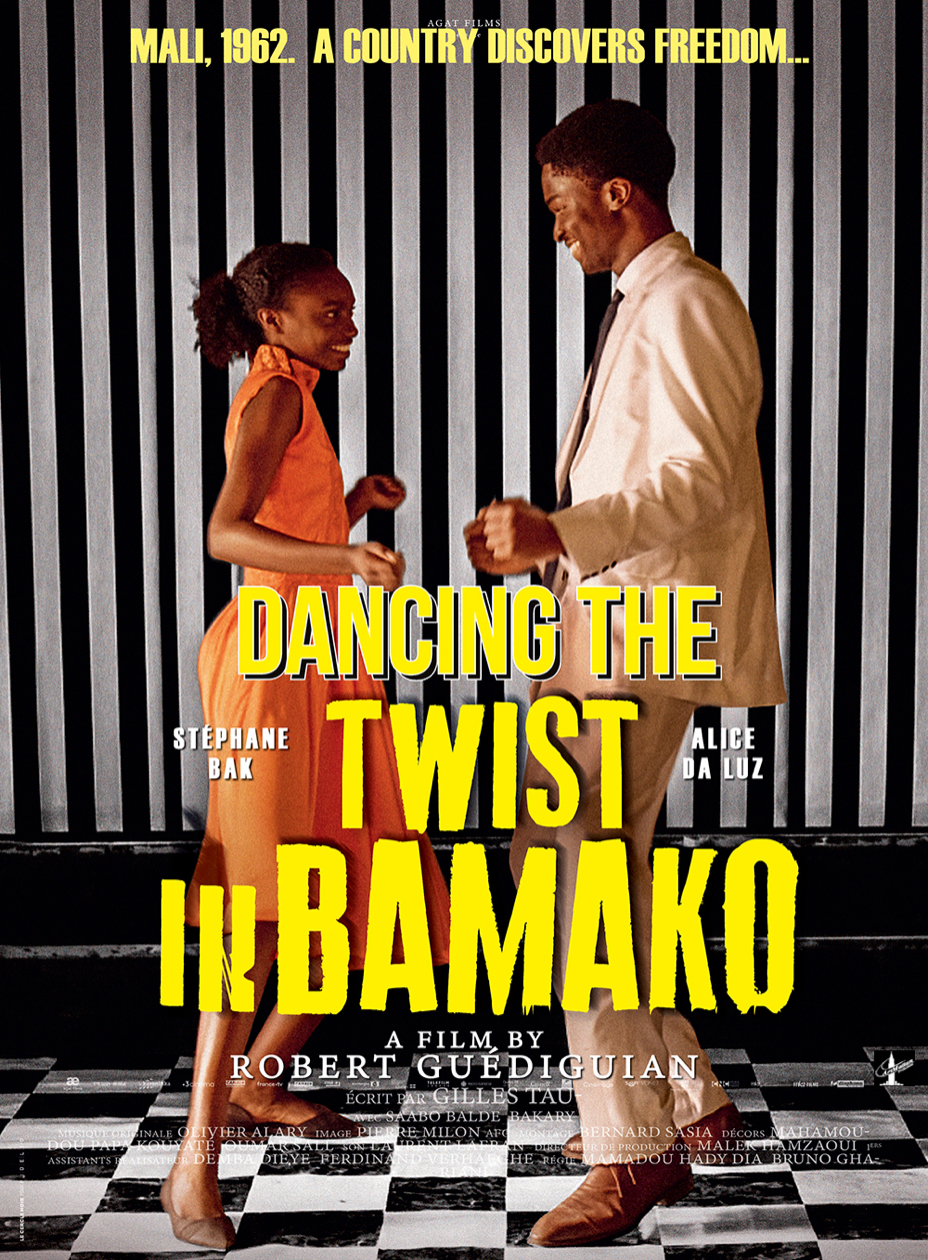
Make it Dancing the Twist in Bamako (2021), because it has everything, N’daw-Spech says. Set in 1962 in Mali soon after the country earns its independence from France, it follows a woman stuck in an arranged marriage who falls in love with a socialist. This happens as rock and roll music from the West wafts into Mali’s capital city for the first time and encourages the youth learn the twist.
“It has a great storyline it’s very entertaining, it has lots of great music and it’s also opens up a world on a time and a place that we know nothing about,” N’daw-Spech says. “So it does everything that you want for a film to do.”