Martin Austermuhle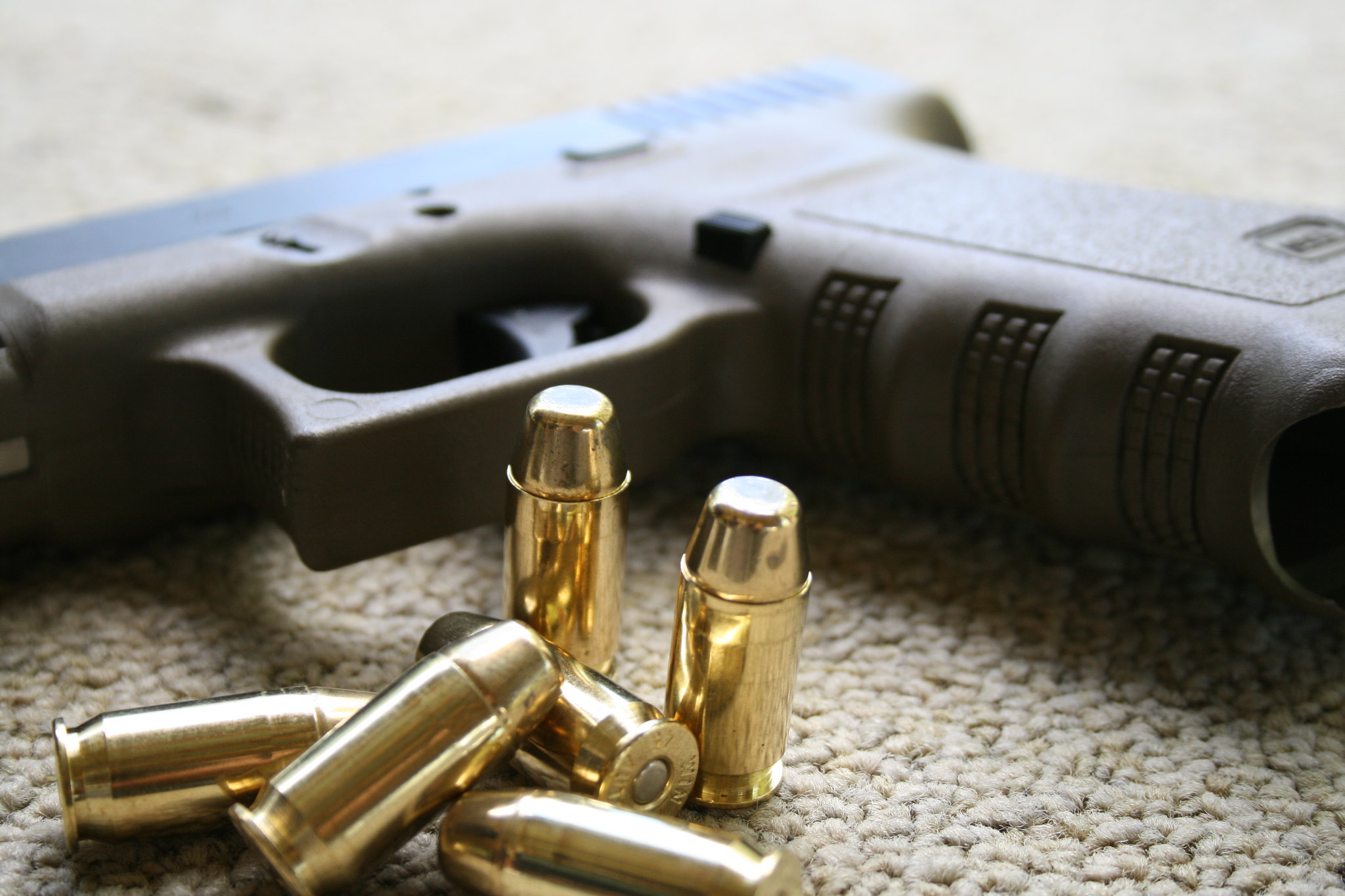
A manufacturer of untraceable “ghost guns” has been ordered to pay D.C. $4 million as part of a legal settlement that will also prohibit it from selling any guns to city residents in the future.
The settlement announced Wednesday stems from a lawsuit filed by D.C. Attorney General Karl Racine against Polymer80 in June 2020, where he accused the Nevada-based company of illegally selling do-it-yourself kits for handguns and AR-15s without serial numbers to D.C. residents. Those types of guns, which police say are untraceable, are commonly known as ghost guns. According to Racine, Polymer80 sold 19 gun kits to D.C. residents in violation of city law.
“This judgment against Polymer80 is a major victory for D.C. residents and for public safety, and it will help slow the flow of deadly untraceable ghost guns into our community,” said Racine in a statement.
The win for D.C. comes as more cities and states are taking action against manufacturers of gun parts that can be assembled into fully functioning firearms.
In April, the U.S. Department of Justice unveiled new rules restricting the sale of ghost guns by requiring that buyers be subjected to a background check. As of June 1, the sale of ghost guns has been fully banned in Maryland, and that same day Baltimore announced its own lawsuit against Polymer80, accusing the company of selling guns to “those who want to evade law enforcement or who cannot obtain a gun from a Federal Firearms Licensee, including underage buyers, buyers with criminal convictions and gun traffickers.”
According to the Metropolitan Police Department, of the 1,828 illegal guns that have been recovered so far in 2022, 344 were “privately made firearms,” or ghost guns. In all of 2021, 439 ghost guns were recovered, a dramatic increase from the three that were seized in 2017.
Last year gun-rights activists sued D.C. over what they said was the city’s overbroad definition of a ghost gun, which prompted the D.C. Council to pass emergency legislation making the law’s language more exact and specific.
Polymer80, which did not immediately respond to a request for comment on Thursday, argued in the lawsuit with D.C. that the kits it sold did not constitute actual firearms, and were thus legal. It also said Racine offered little evidence that its products were marketed to or purchased by D.C. residents. Attorneys for the company decried the lawsuit’s reference to ghost guns, calling them “headline grabbing and gratuitously explosive,” and called the city’s arguments “highly flawed.”
Associate Judge Ebony M. Scott disagreed, siding with Racine and ordering the company to pay $4 million and to cease selling any parts of kits to D.C. residents.
Earlier this year NBC News delved into Polymer80, one of the nation’s largest producers of gun kits.