Héctor Alejandro Arzate
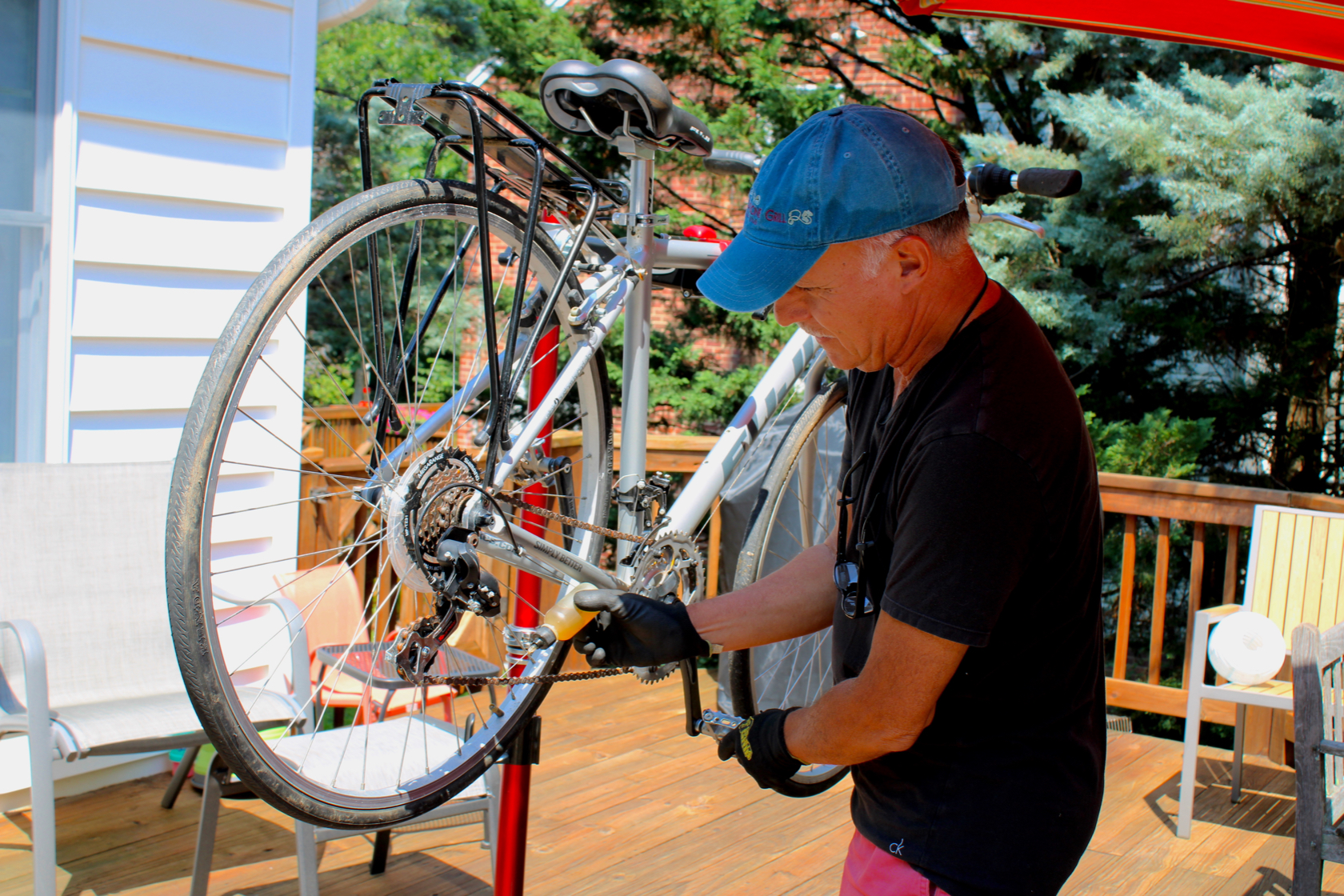
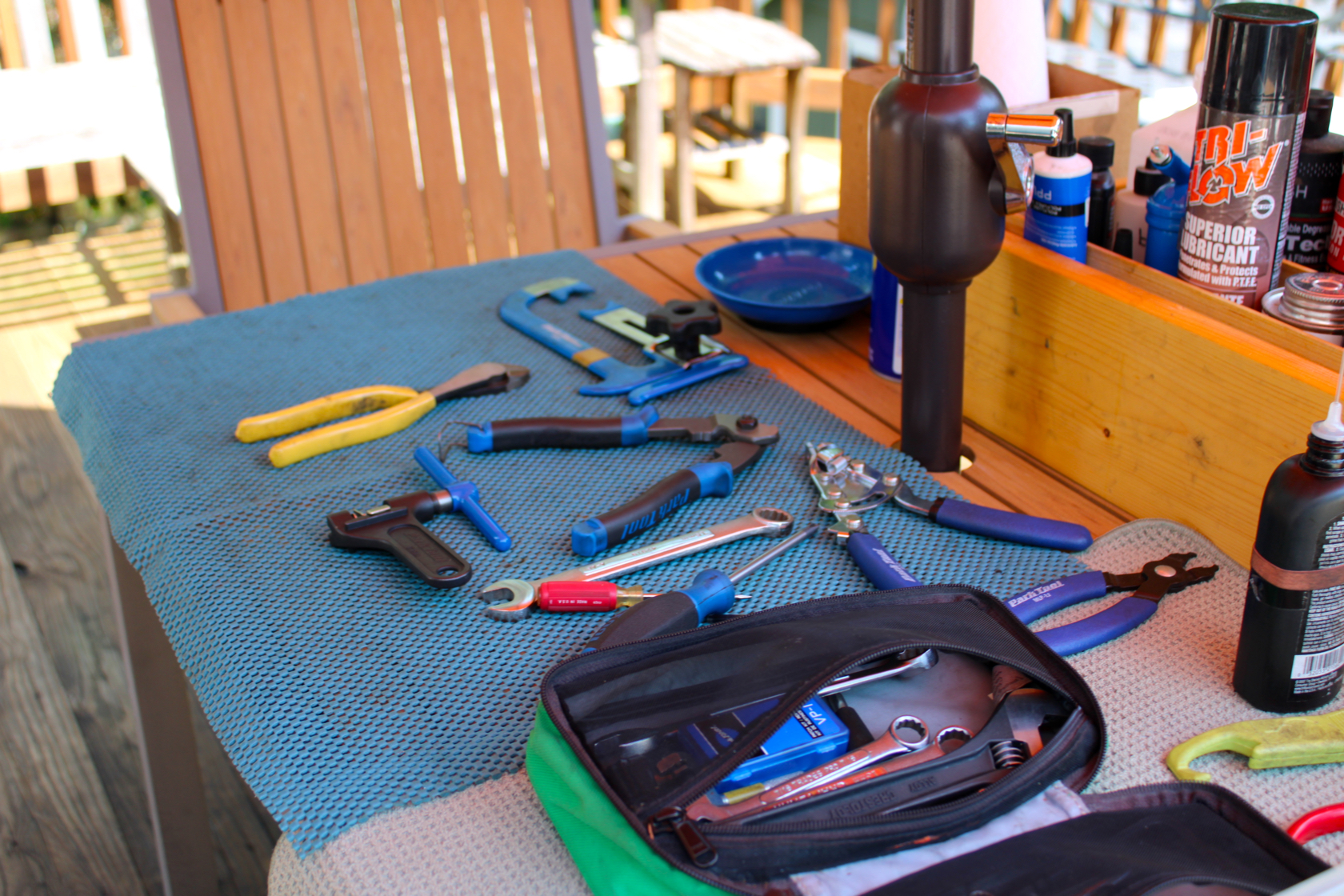
Manuel Vera is standing on the backyard deck of his Silver Spring home. There’s a bicycle with a rusty chain on a rack, standing at his eye level. Behind him is a picnic table with tools intricately laid out as if he was going to perform surgery.
At 72 years-old, he’s picked up a retirement hobby: fixing bikes so that he can donate them to community members – including Afghans that have recently arrived to the area.
“I think these folks deserve every opportunity they can get,” says Vera, who used to work as a program manager for Pepco.
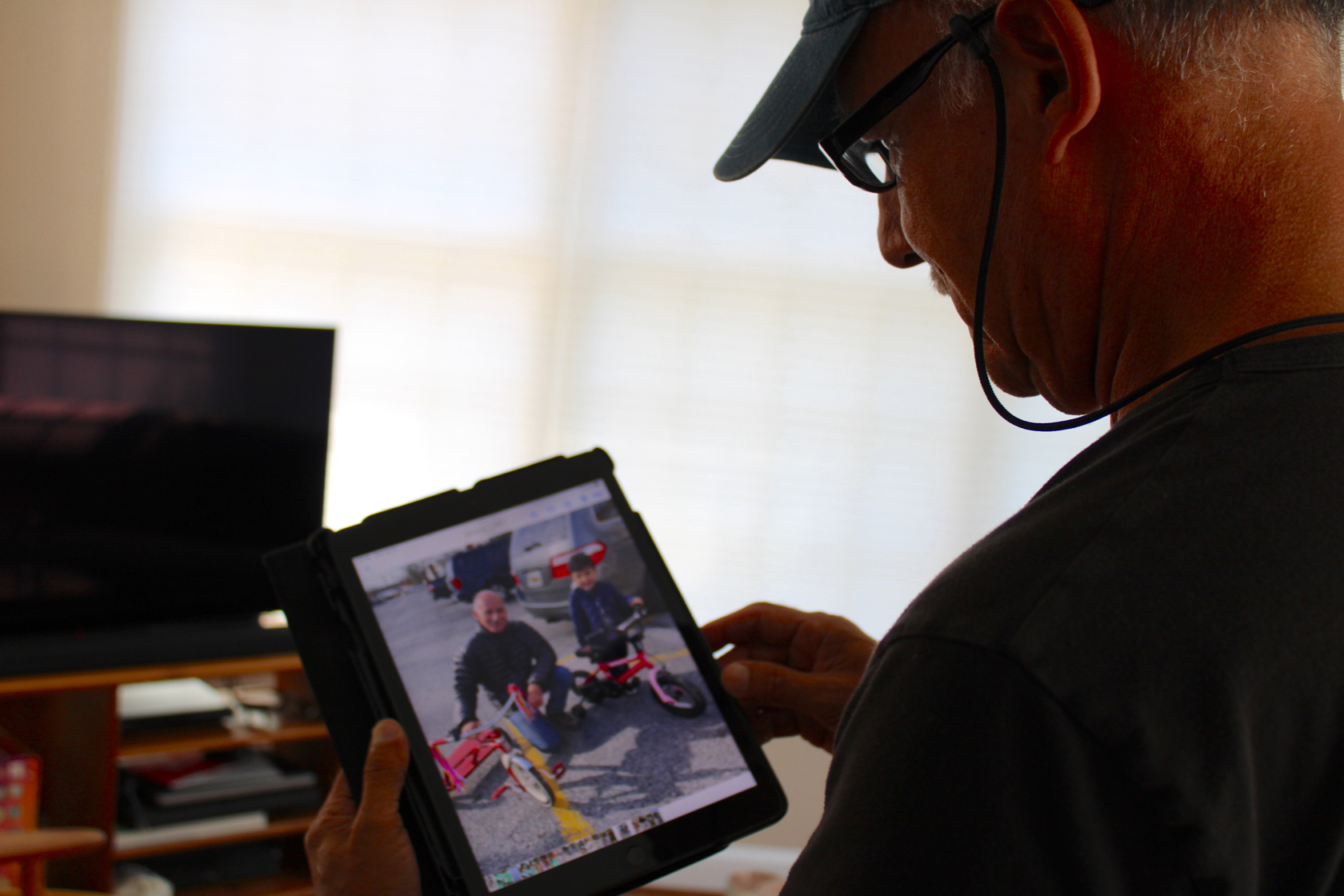
When the pandemic began, Vera says he was inspired during the lockdown to repair bicycles for families in his neighborhood at first. But when the Taliban seized control of Kabul last August, he took on the task of fixing bikes for incoming Afghan children and their parents. Since then, he’s given away nearly 300 bicycles with about 40 of them going to families from Afghanistan.
“I just want to be the bike dude,” says Vera. “I just want to be able to give them something that makes them happy right now. Something that they can use, gives them joy, and then go on to the next thing.”
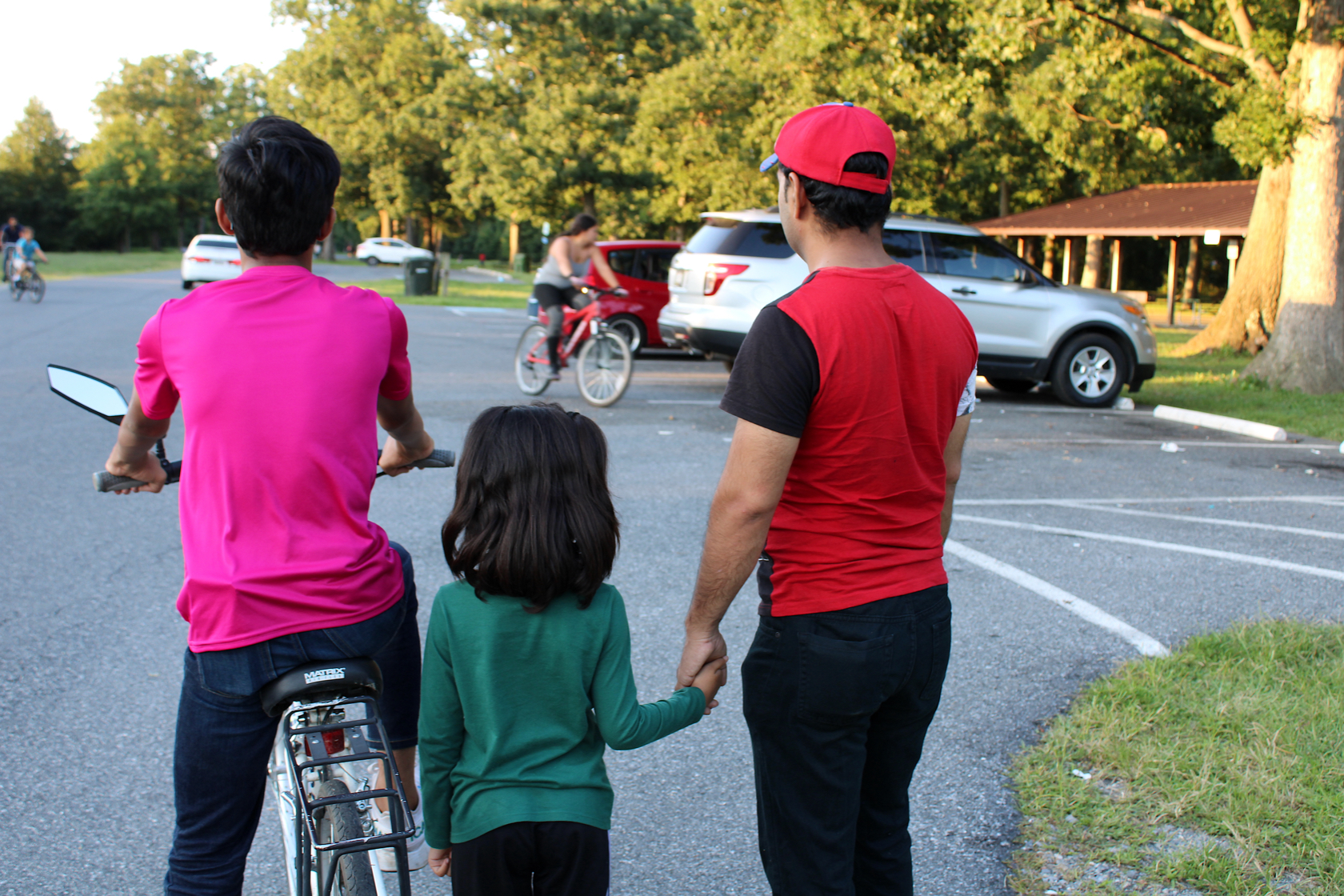
Last December, Vera gifted four bicycles to 14 year-old Wahidullah Sahel and three of his siblings. To help them take ownership of the bike, Vera says he also gifted them helmets, locks, and other accessories. Despite not knowing how to ride a bike, Wahidullah says he spent hours learning in his Riverdale apartment’s parking lot – sometimes falling over and scraping his knees and elbows.
Now, he says he likes to hang out at the nearby Tanglewood Park with his friends: other Afghan children who arrived last year. He says they go on bike rides almost every day, sometimes for hours at a time.
“I like when I’m riding [a] bike,” says Wahidullah, an eighth grader. “When I’m going to somewhere, like [a] store, anywhere for fun.”
The bikes have been a gift not just for him and his siblings but also Wahidullah’s father, Asadullah Sahel. He says adjusting to life in Maryland has been difficult but Vera’s gifts have made it easier for the family.
“My kids are having fun with the [bikes],” says Sahel, who works as a part-time Dari and Pashto interpreter for a resettlement agency.
As a humanitarian parolee, Sahel says his family has dealt with a lot of uncertainty while they apply for a Special Immigrant Visa and hedges their bets on Congress passing the Afghan Adjustment Act. He says the bikes have given his family something to look forward to while they deal with the financial and legal constraints of living in the U.S.
“For three or four months that I was unemployed… I was riding bikes, playing with the kids over here,” says Sahel. “I was loving to spend time with my kids.”
Like Wahidullah, Vera also left his home country for the United States when he was about 14 years-old. He was born in Peru but unlike the families who left Afghanistan due to turmoil, he says his family came for economic opportunity. It’s an experience that motivates him to help Afghans in his own unique way while resettlement agencies help with housing, job opportunities, and other necessities.
“We were not running from economic calamity or civil war or unrest or famine,” says Vera. “Folks can only do so much. So if I can bring them a bike, then that’s fine.”
Although Vera fixes and donates the bikes free of charge, he says he can’t do it alone. He largely relies on community members for bikes and cash donations to keep it going. He’s even inspired his neighbors to amplify his project through an email listserv and at the local farmer’s market.
Sandra Marquardt, the co-chair for the Forest Estates Community Association, says community members donated about 30 bikes earlier this month. She says they’re happy to help Vera in his endeavors.
“The fact that anyone can get a free bike. I mean, it doesn’t get much better than that,” says Marquardt.
Marquardt says she’s mindful of the labor it takes to keep this project going but doesn’t want Vera to get overwhelmed with donations. She says the farmer’s market will host another bike donation on September 25 to give him more time to work on them.
“As long as some people are willing to give me bikes and [I’m] able to support this without too much out-of-pocket costs, I’m going to keep doing it,” says Vera.
Vera keeps a spreadsheet to track the costs of repairs for parts like chains, tires, and inner tubes. So far, he’s spent almost $2,400 of his own money but he’s received a little over $3,000 in donations. While the project is not without its costs, he says it’s worth it for families like the Sahels.
“They’ve got other things to take care of before they can buy a bike. And then suddenly you present them with this free bike and it’s like night and day,” says Vera. “A father picking up a bike for their kids, and the kids don’t know about it, he’s going to be a hero when he gets home with a new bike, even though it’s used and looks a little bit old.”
For Sahel, people like Vera give him hope that Afghan families are welcome in the U.S. and can enjoy a peaceful life – one that allows their children to do something as simple as ride a bike.
“Manuel is a good person,” says Sahel. “He is helping the community, especially the Afghan people.”