Héctor Alejandro Arzate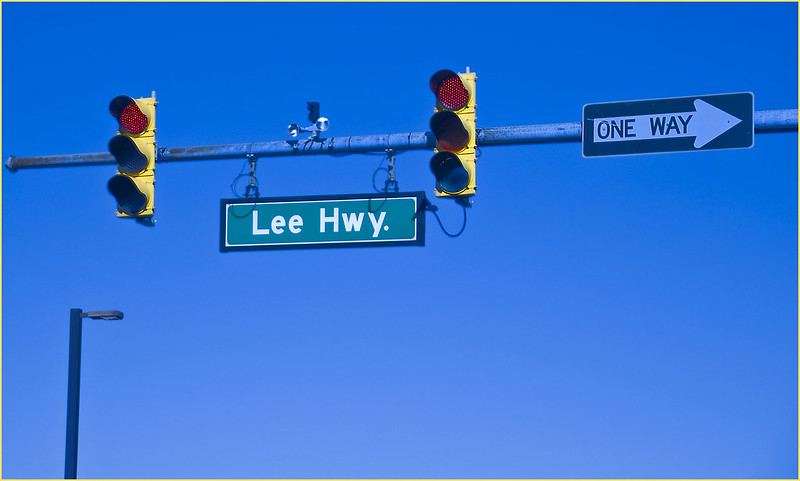
The Fairfax County Board of Supervisors voted to rename Lee Highway and Lee-Jackson Memorial Highway – which take their name from Confederate generals Robert E. Lee and Stonewall Jackson – to Route 29 and Route 50, respectively.
The resolution passed on Tuesday in a nine to one vote, with Republican supervisor Pat Herrity as the sole holdout. The decision comes after a year-long review process that saw a community task force assembled along with a public “unscientific” survey that received more than 30,000 responses.
According to a report from late 2021, the task force recommended a name change, despite the county’s public engagement process finding that 58% of respondents did not want to change the name of the two highways.
Alternative names at the time included “Cardinal Highway” and “Langston Highway,” which takes its name from John Mercer Langston, the first Black person elected to Congress from Virginia. In 2021, the neighboring Arlington County Board of Supervisors voted unanimously to rename its portion of Lee Highway after Langston.
The board’s resolution to rename the highways needs to be approved by the Commonwealth Transportation Board before it becomes official. Meanwhile, county staff estimate that more than 230 signs will need to be replaced and that the name change will cost nearly $3 million – including a $1.5 million program to provide financial assistance for impacted businesses and residential units along the highways.
The decision by Fairfax follows a growing movement throughout the region to remove images and signage dedicated to Lee and the Confederacy. In 2020, the county chose to rename Robert E. Lee High School after the late Congressman John Lewis. In 2021, Arlington County unveiled a new county logo after announcing that it would remove its depiction of Lee’s home. This week, an independent commission advised Congress that it should remove a Confederate memorial inside of Arlington National Cemetery.
Updated to include additional mention of other changes to Confederate names and monuments in the region.