Dee Dwyer
 Margaret Barthel
Schools are back in session, and they look and feel even more normal than last year. For the most part, the obvious signs of the pandemic — masking, testing, quarantine rules, even temperature checks at the door — are gone.
But the long-term effects of the pandemic are still very much impacting teachers, students, and their families. Some early standardized test results show that DCPS students have fallen behind — and the problem is even more acute for students of color or whose families are low-income. Those students and their families bore the brunt of the impact of COVID-19 in the first place.
D.C. education officials say they’re working hard to close the gap, devoting $1 billion of federal pandemic relief money to support students with high-dose tutoring, new approaches to literacy training, and more.
But, in D.C. and across the region, educators say that the return to schools from the pandemic is throwing one fact into stark relief: making academic progress is impossible without also addressing students’ social and emotional needs — and recognizing the mental health challenges that educators face, too.
“We’re back in school, we’re all in-person, so now we have to deal with the gaps,” says Michael Carswell, an eighth grade English teacher at Statesman Prep in Ward 8.
For Carswell, doing that work requires helping students — and, for that matter, himself — learn to be more centered, to regulate strong emotions. He leads students in mindfulness exercises. He is learning to deeply breathe in stressful situations while he’s driving.
“Just having those tools in your belt to center, just to come to a place of peace, even just within yourself, or make a space for that in your home or make that a part of your daily routine — I know it’s helped me. I know it helps the kids,” he says.
Some of the youngest learners are facing the biggest social and emotional challenges, with the pandemic having severely restricted their opportunities to learn to communicate with other people.
“Like you say, ‘stop crying,’” says Justice Harris, an early childhood mental health consultant at AppleTree Early Learning Center. “But did you give them a different way to cope with their emotions? Did you teach them how to take a deep breath, how to ask for a walk, how to ask for water?”
For this Voices of Wards 7 and 8, DCist spoke with educators about how they’re tackling students’ social and emotional challenges in school this year. Here’s what they had to say. Responses have been edited for length and clarity.
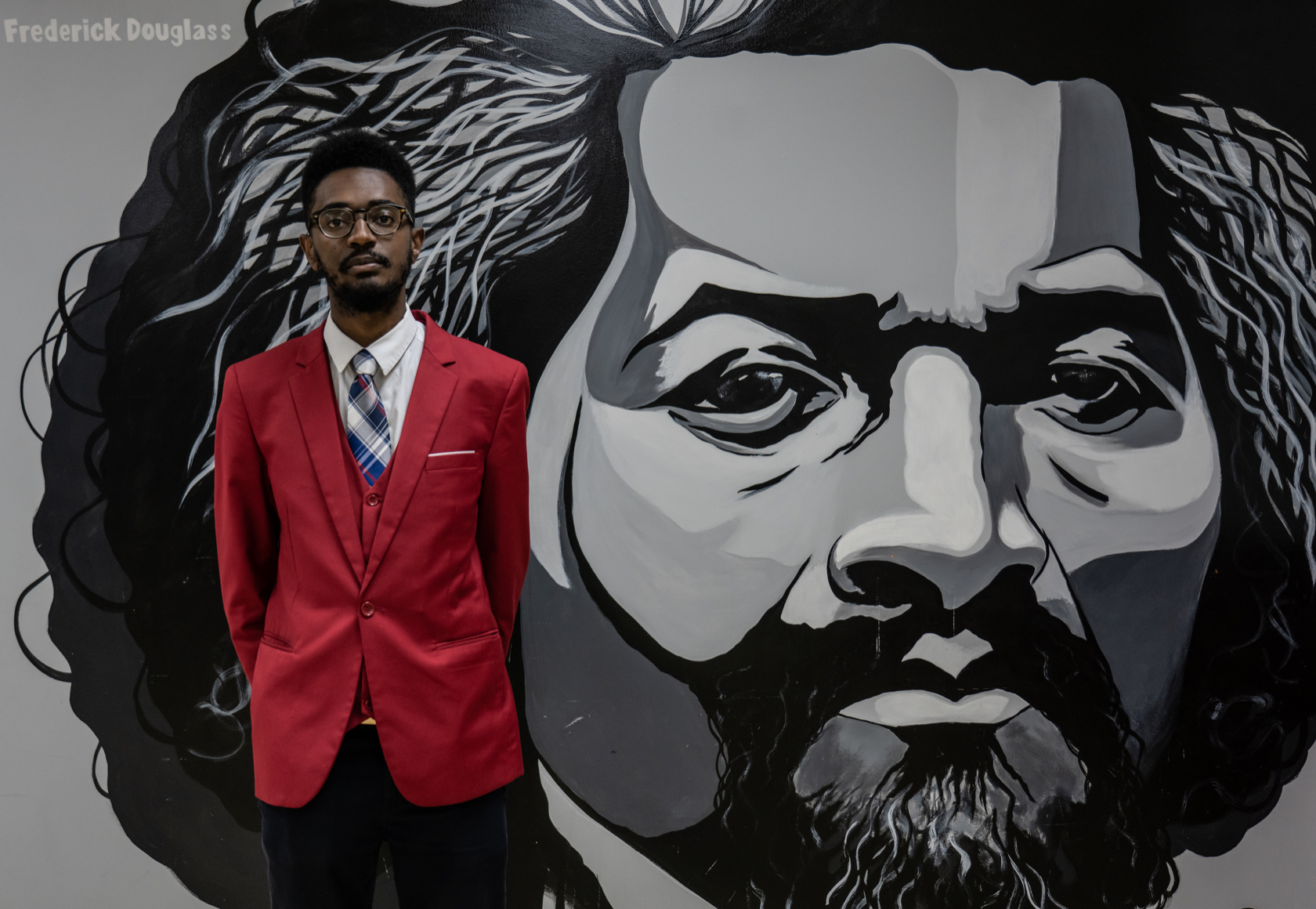
Lamar Bethea – Development Associate, Statesman College Preparatory Academy For Boys (Ward 8)
So for us, we have a lot of focus on comprehensive well-being for the staff and our students, and there’s a lot of different approaches. We believe that the people most in need of direct therapeutic support within the school are the teachers. They have their own life experiences and likely their own unprocessed trauma. They are indirectly or directly impacted by the trauma of our students. So even though everyone is taking a lot of hits, teachers are taking significantly more hits. If a teacher is able to have therapeutic services and emotionally regulate themselves, those effects are multiplied in the classroom setting, in the classroom space – because a happy, joyful teacher makes a happy, joyful classroom.
Our students also receive direct therapeutic support in different ways, depending on their circumstances, depending on their specific needs. There are licensed clinicians that work at the school that see students on a one-to-one basis or group sessions. For a lot of schools, they may have one or two school counselors that serve 200, 300 plus students – and a highly effective therapist or clinician can only serve somewhere between 8 and 12 people at their highest capacity for a whole host of reasons. So we make a lot of cuts to ensure that our students receive the best direct therapy options. And even if they are unable to see a therapist one-on-one themselves, they will still benefit from the fact that our teachers are receiving direct therapy in their one-on-one or their group session.
There’s also just the social stigma of being in therapy because, especially for people in the black community, you don’t want anyone to think anything’s wrong with you. So a lot of the work that we do in connecting our families to the services that they require is relying on the relationships that we’ve established, getting a lot of the onboarding, the paperwork portions out of the way, the Medicaid out of the way. So that way the parents can really see the impact. The goal that we’re trying to achieve for everyone, students, staff and stakeholders is emotional well-being, comprehensive well-being. Because while the grades do matter, the reading and the writing and the math, they do matter. It is impossible to get anywhere close to academic achievement or academic growth if there is so much unprocessed trauma. And that is especially true since everything that everyone feels has been exacerbated by the pandemic. So we do help our families get the resources that they need and find the fits that best suit them.
The solution to this is not one size fits all. It is not a magic bullet. And it is very aspirational. Having aspirations is more than fine if you are actively working towards them. Comprehensive well-being is essential to humanity. If a teacher is having difficulty or if any adult in an educational space is having problems with emotional regulation, all of us are – because of the pandemic, because we’re humans, because we experience stress. If they’re having issues emotionally regulating, that shows up in their work. For a CEO, that impacts their team. For a teacher, that impacts their students. For anyone that works with kids, they will see how you process your trauma and they will match. They will follow the model. If they see consistently strong figures, not people who are perfect, but people who know how to regulate when things go bad, they will pick up on those habits… and then they can learn math, they can learn reading, history, and science.
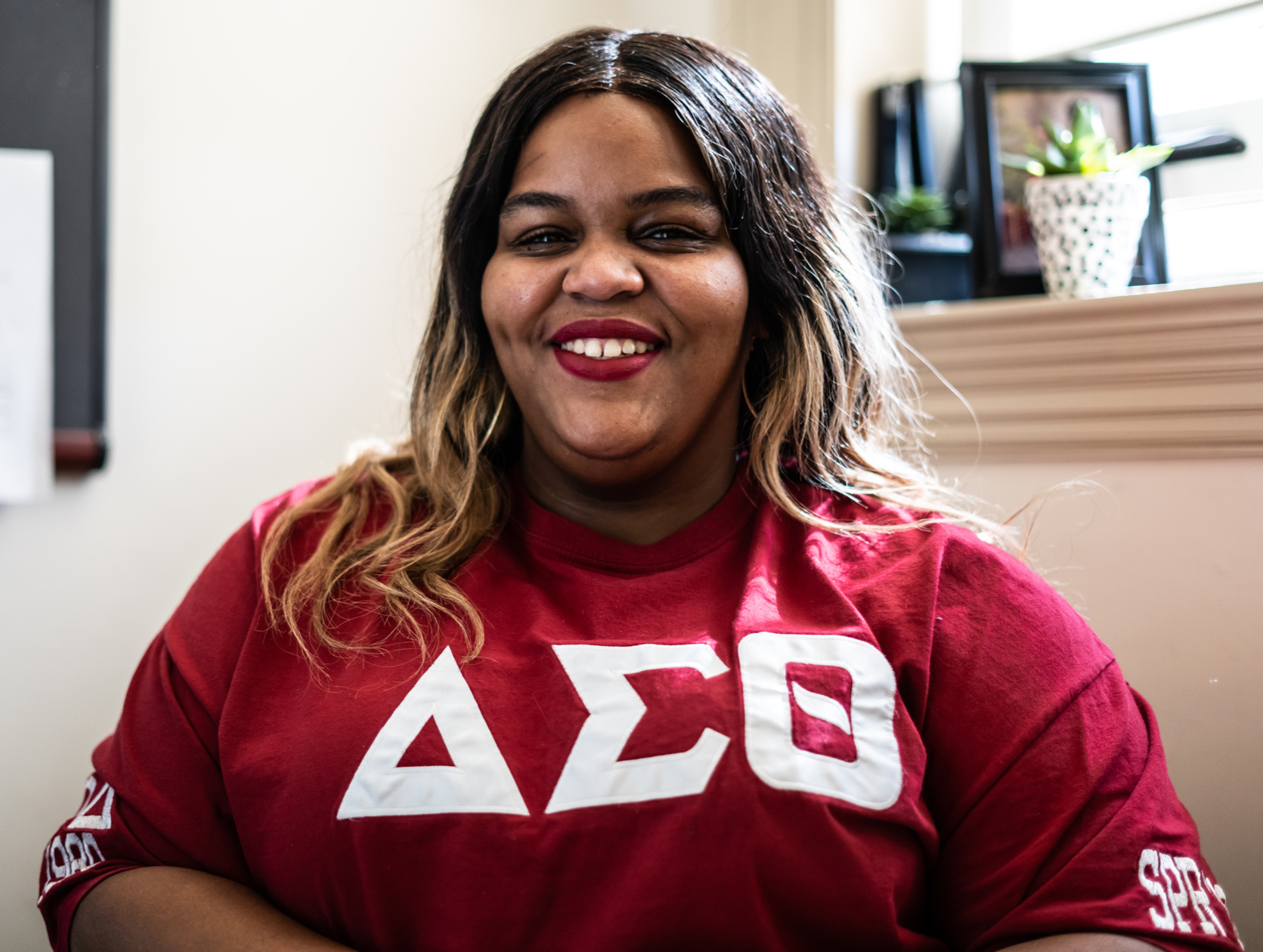
Yolanda Hayden – School Counselor, Thurgood Marshall Academy Public Charter School (Ward 8)
I think that mental health issues should be at the forefront. You cannot show up as your best self and focus on your academics or like, the day to day of what school is if you’re not mentally there. If you’re not taking care of yourself mentally and emotionally, that impacts your everyday functioning. So I always encourage educators to check in with your students, build relationships with your students, so that when something is off – like you’re in the classroom with them more than anybody else – when something is off, when something is wrong, like take those times to like, ‘Hey, you know. what’s going on? You’re usually, you know, presenting this way and today you seem a little down. Do you need to talk to somebody? Do you need to talk to me?’
I always remind people that there are a whole bunch of tools and workshops and things, but I always remind people to go inward. How would you want to be treated? Like how do you, you know, take account of your mental health, and then try to project that into your classrooms and with your students. And also, you know, what can I do to learn more about social emotional learning? We have so many resources. I’m always willing to help host the workshop or [be] in the classroom because educators are human beings too, and they don’t always know. It doesn’t mean that they don’t want to, you know, serve or be cognizant of what’s going on, but you don’t know what you don’t know. So [I] just encourage people to listen up, you know, research, get educated, connect with the wellness team at your school or even the special education team because they focus on mental and emotional wellness as well.
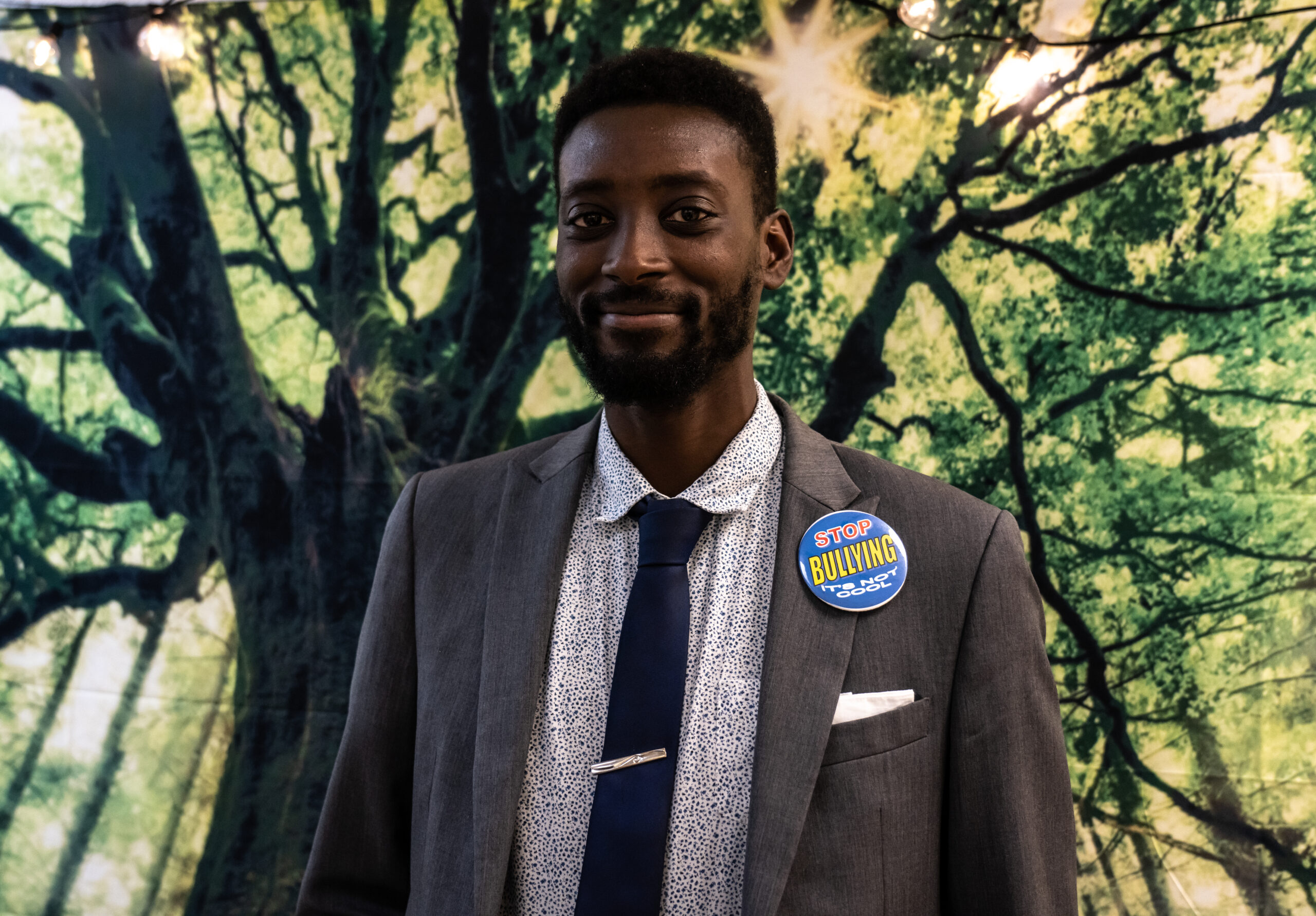
Michael Carswell, 8th Grade Teacher, Statesman College Preparatory Academy For Boys (Ward 8)
How are you all addressing mental health within the school system?
We are using it in really every aspect of what we do. There’s, like, at the beginning of our class, there’s a period of mindfulness, and, you know, they stop and breathe – come in and begin to say an affirmation. That, I think helps kind of, you know, when they come in in the in the morning, kind of melt away things that happen at home. Then from recess, you know, they just take a second to decompress, breathe, let go of whatever happened during then. And then, at the end of the day, [to] kind of reset and get ready, to finish out strong and then go home. So it’s super helpful even if we do it, like we as the teachers – like we have periods of mindfulness in the morning. We always begin with breathing.

How are you as educators being supported?
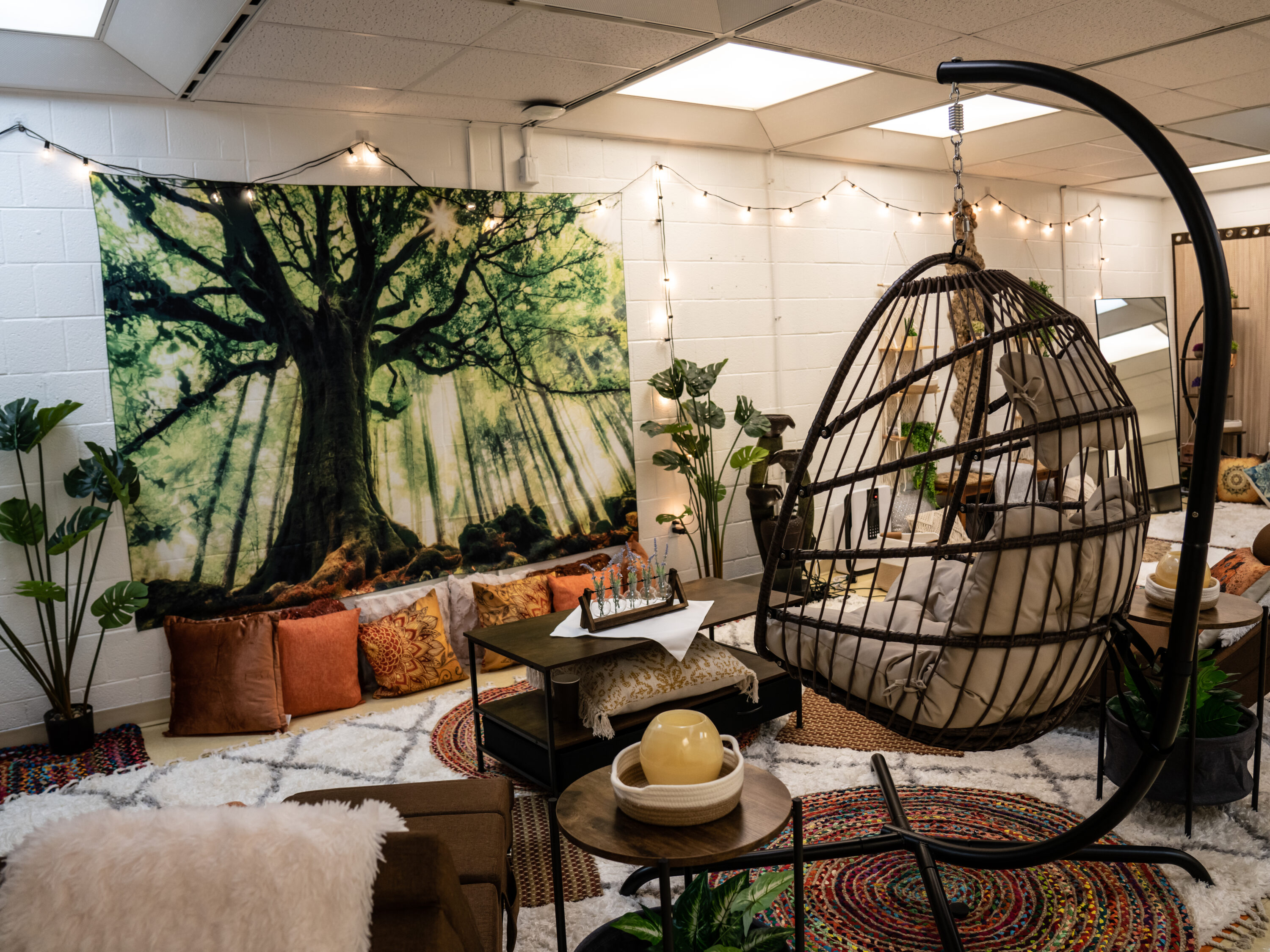
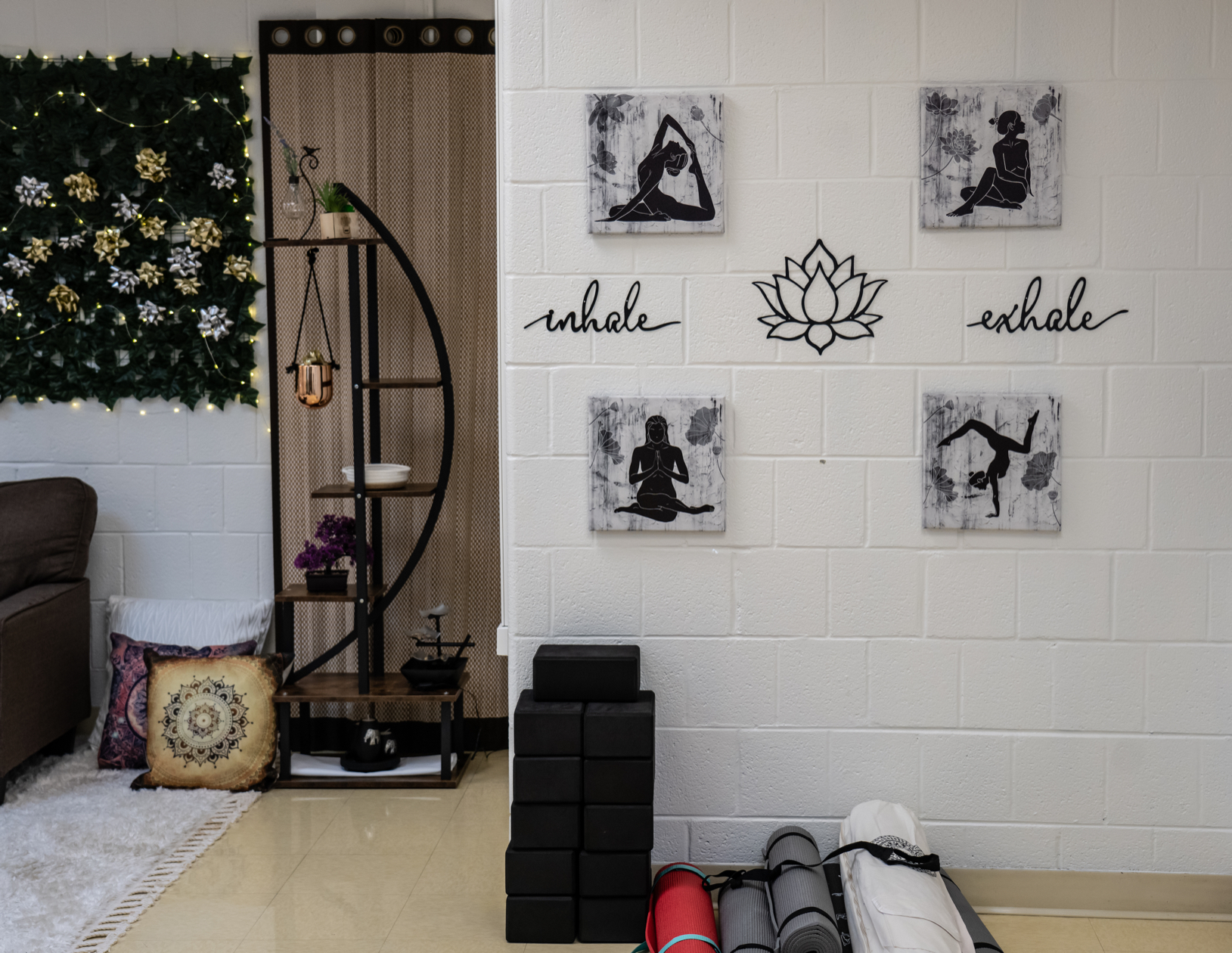
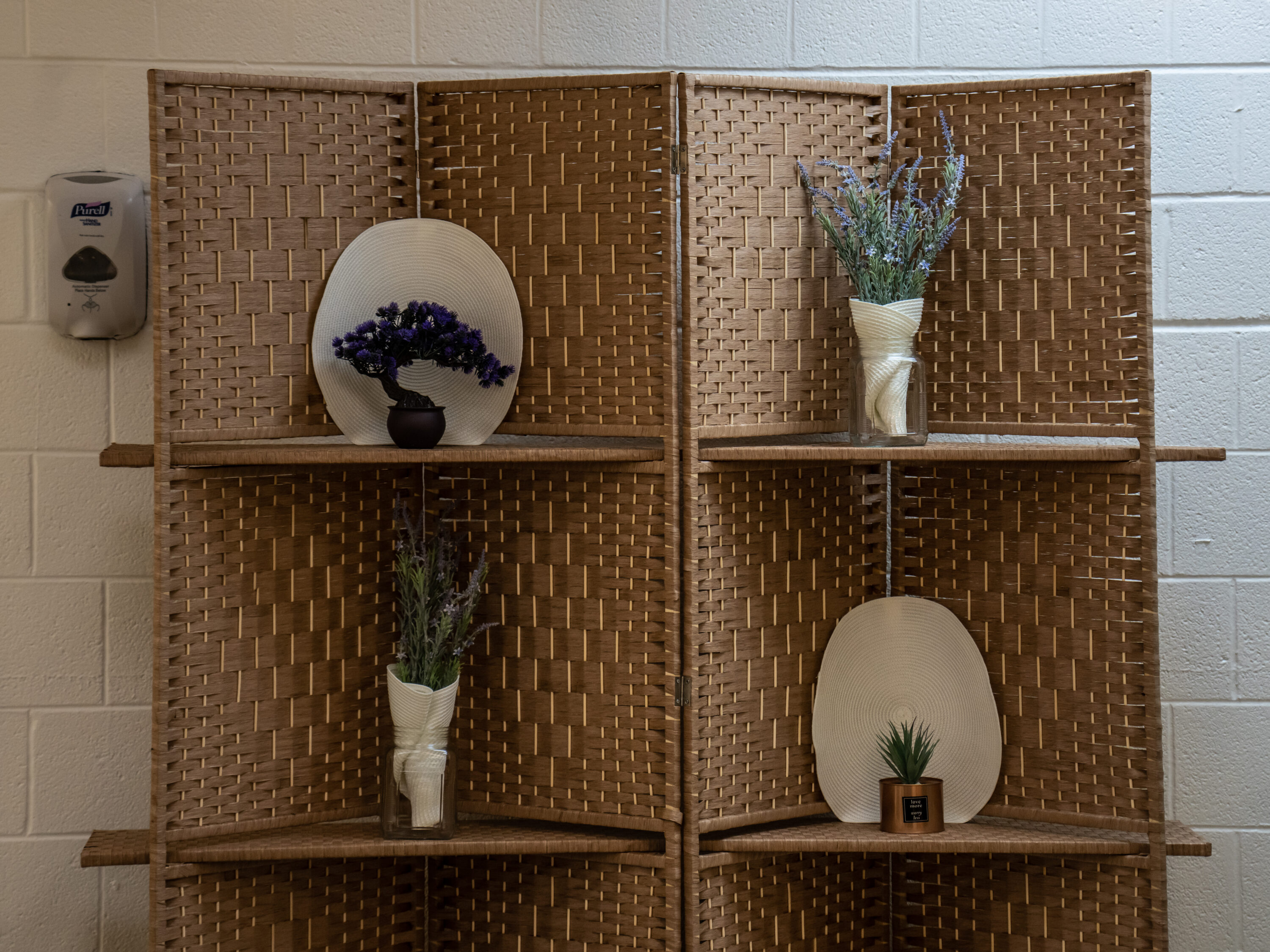
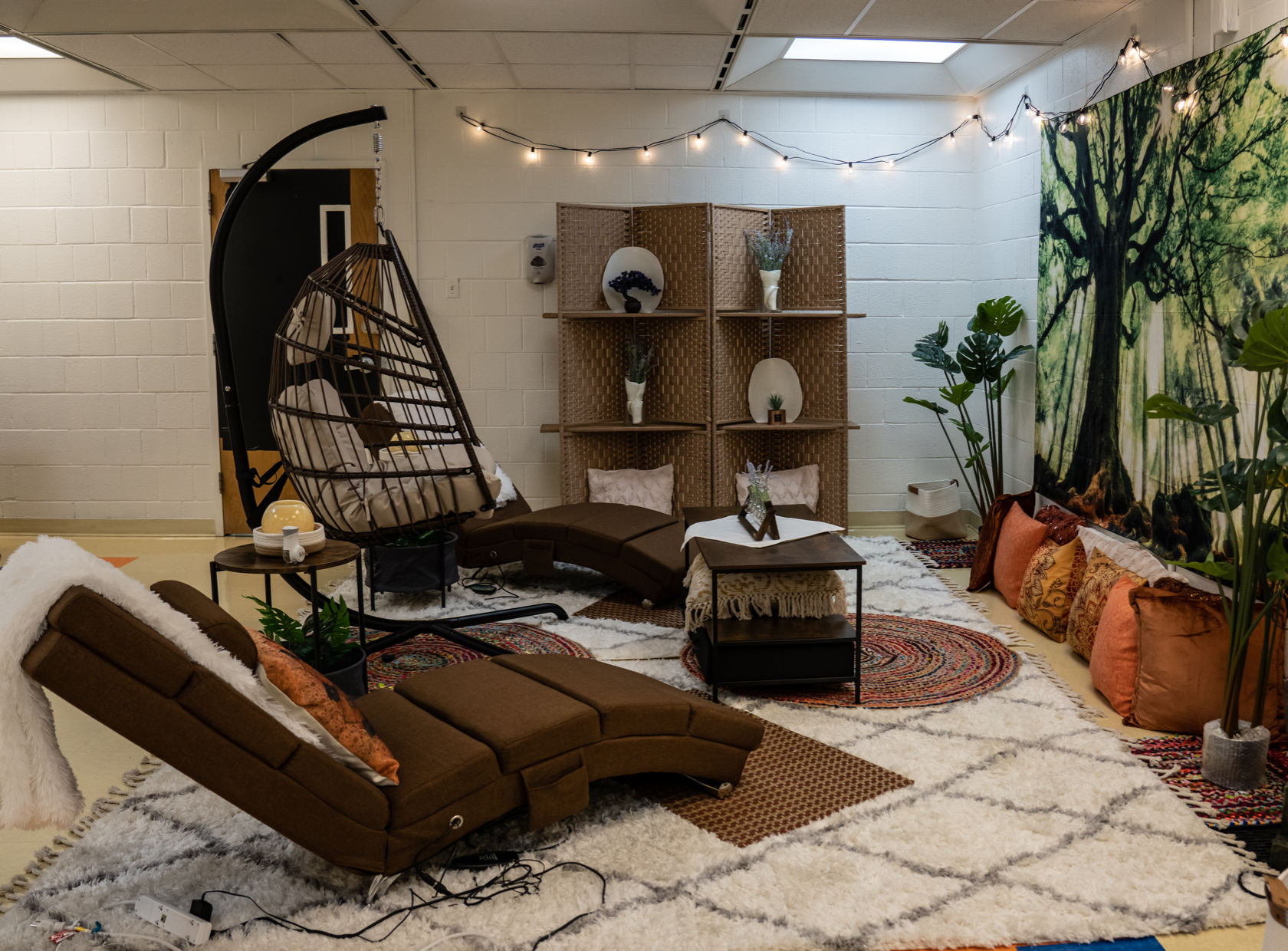
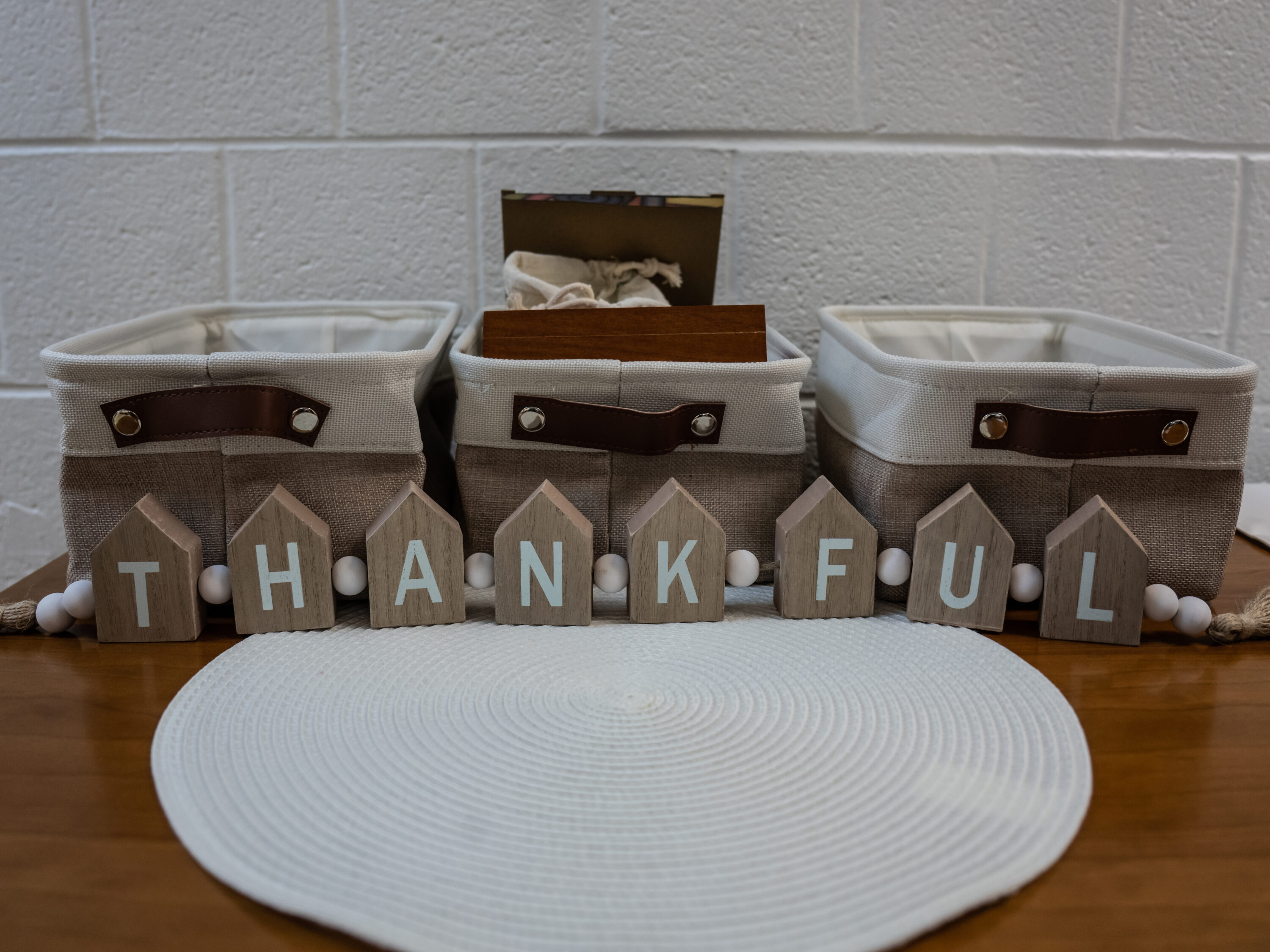
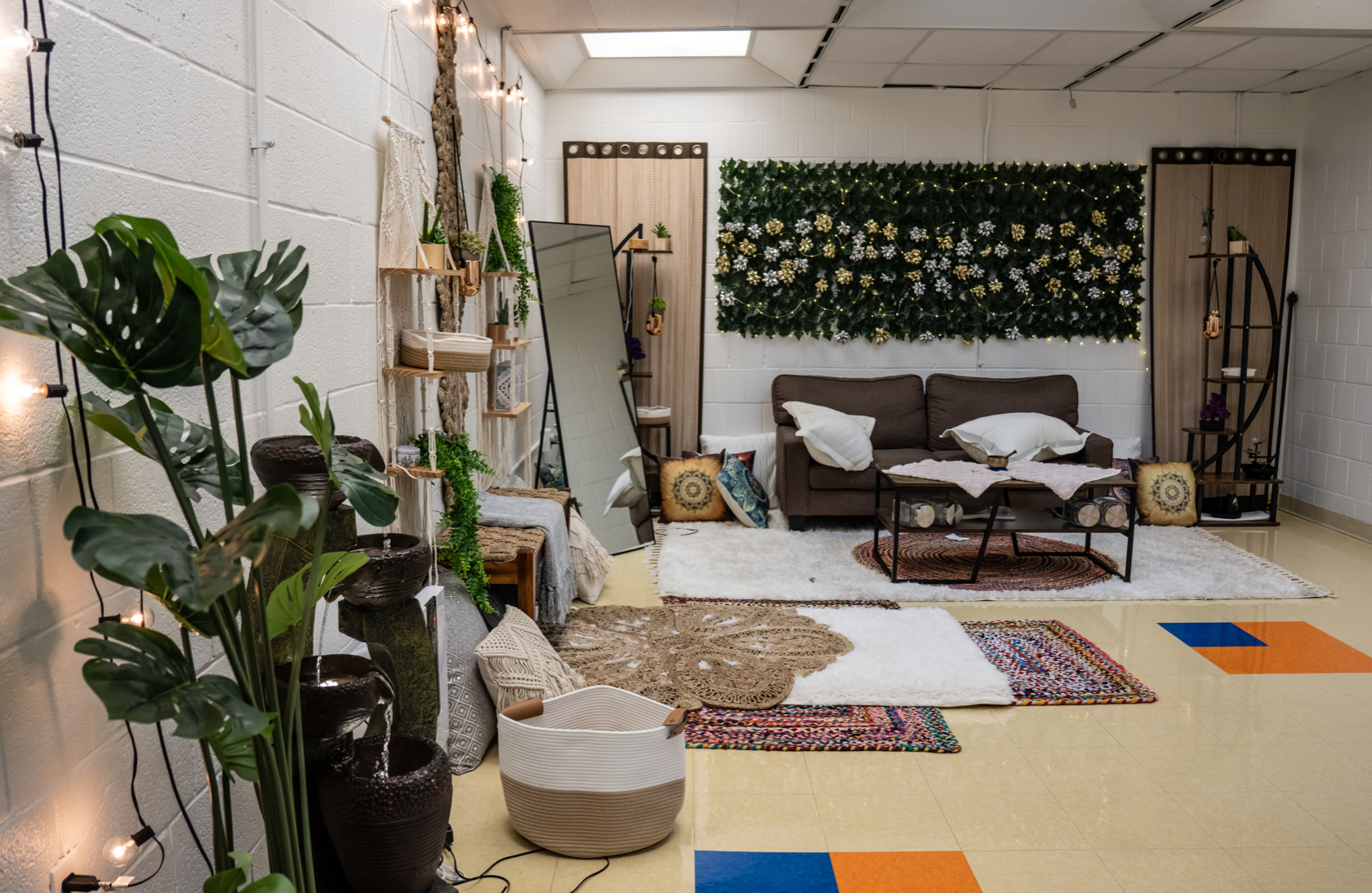
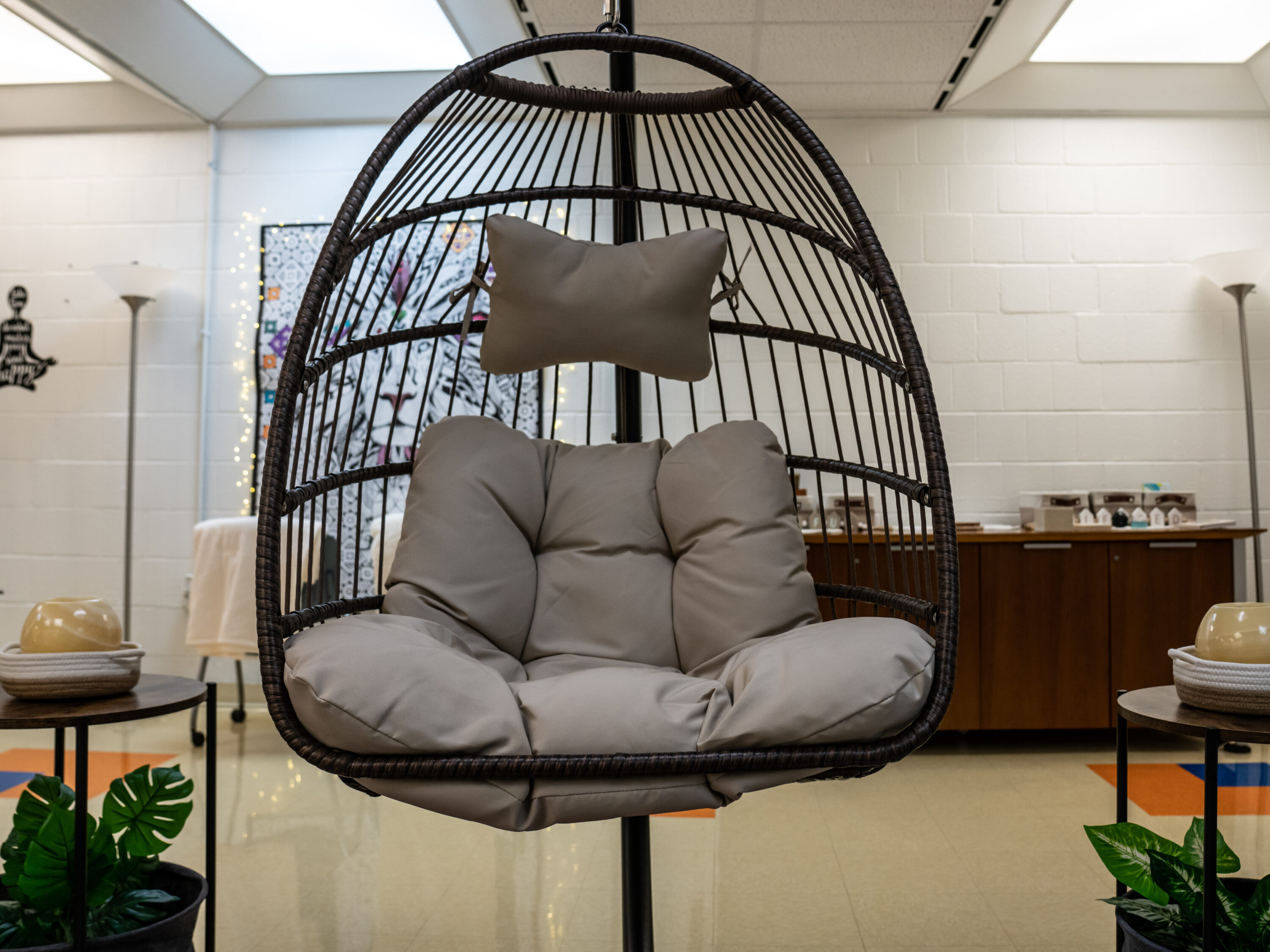
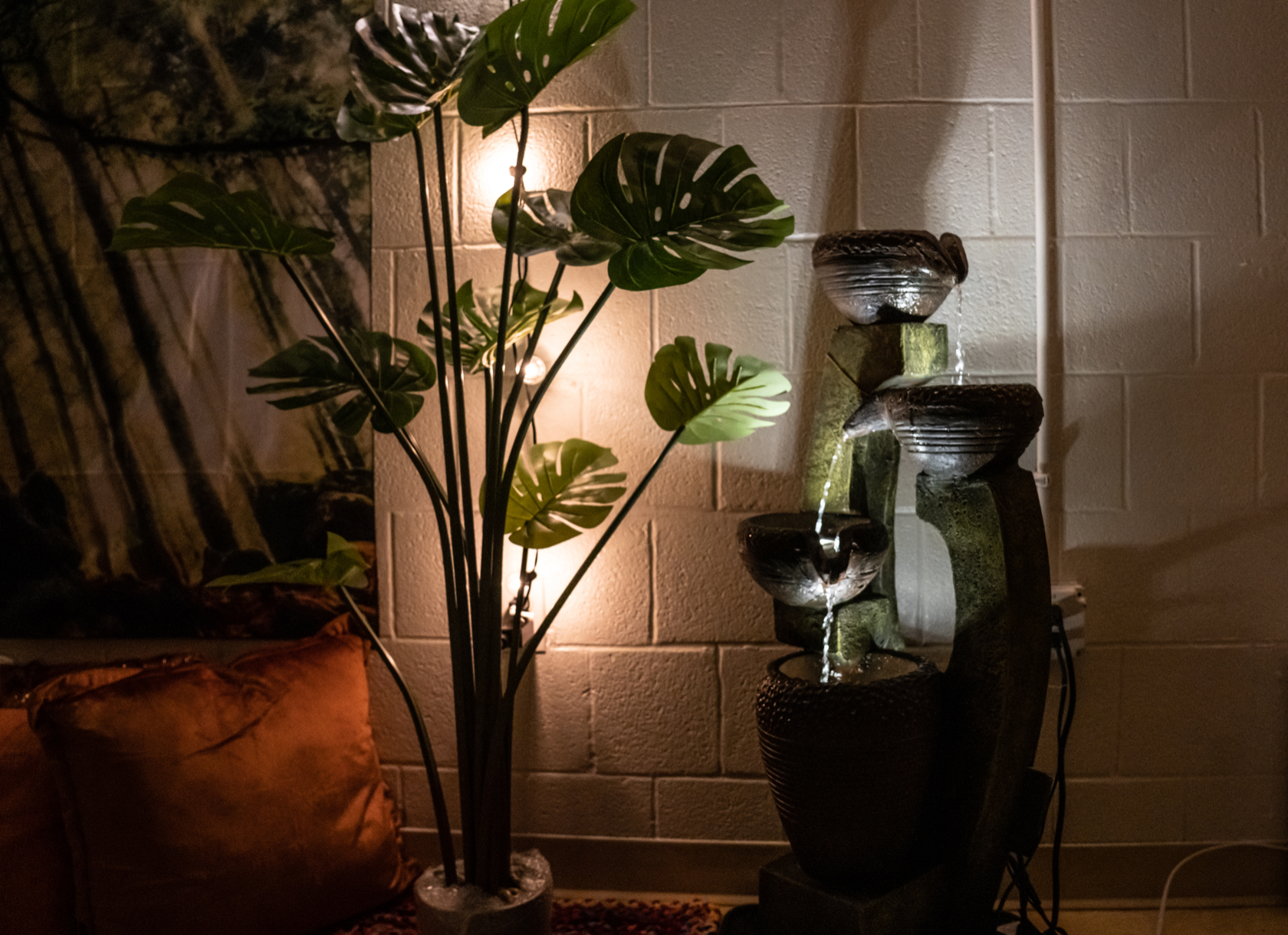
I’ve worked at other schools and I’ve never been supported like I am here. I keep coming back to this room (a Zen Room) because it’s a testament to this – [it’s] simply for us. No kids are allowed in here, you know, it’s only for adults. When we have to take in a lot, we can let it go so we can still teach, that’s really important. There are therapists at school free of charge for both the kids [and teachers]. We can be whole, we can be well so that we can do our best job in teaching the kids.
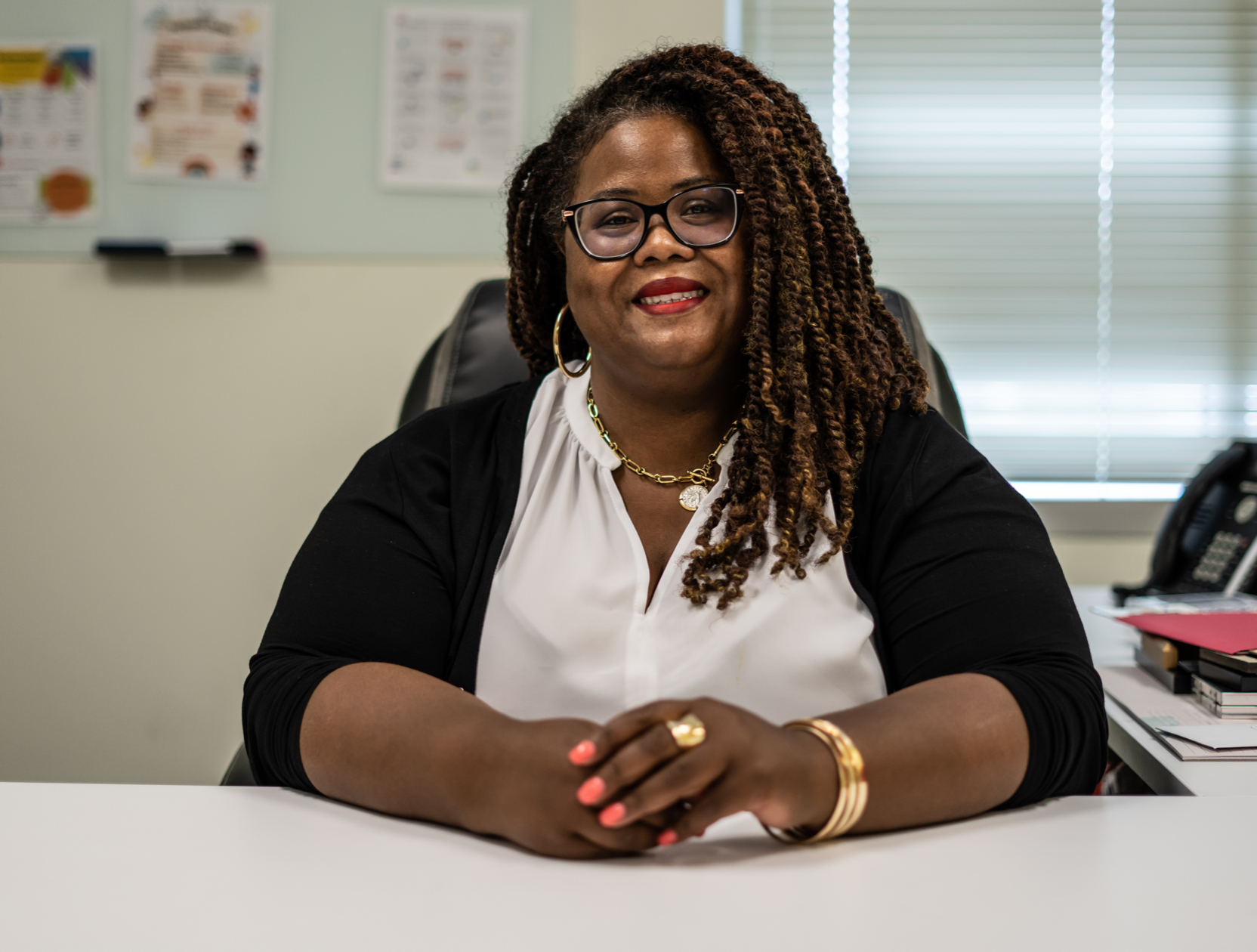
Tara Young – Principal, Apple Tree Schools (Ward 8)
Mental Health for us is really important. We have developed a social-emotional curriculum where we really focus on the whole child and really look at social emotional learning. One of our big things that we’re pushing this year at my campus is restorative justice, where we are really looking at relationship building and problem solving, and not just for the students, but I’m also doing it with the staff.
We may do a restorative circle in our staff meetings. So I want to model what I want the teachers to do in the classroom. So when they do their morning meetings in the classroom, they can also do a restorative circle with the students. So that’s our big learning piece that we’re doing this school year. But our teachers are also trained in trauma-informed classrooms where they are really looking at how to recognize trauma and what strategies that they can use in the classrooms and how that will impact students and what they do on a day-to-day basis.
I think it’s important to build relationships with our families first. That’s number one. I want to make sure that our teachers are including families in the decision making. So we want to have conversations about what’s happening in the school, what we see happening with their child. We’re a team, right? We’re a team, so we’re going to come to the table together. Tell me what strategies you’re using at home. Let’s come up with a plan for students to cope with whatever is going on in the classroom so that everybody is on the same page. And I think that that helps. What I do realize is that all parents want the best for their for their child. They may not always advocate for it in the right way or the best way, I’ll say. But if they know that we are all on the same side and the same team usually goes really well.
On teachers: You can’t pour from an empty cup. So we really are trying to make sure that they are taking care of themselves, that their voices are being heard, that they have resources available to them. We started last year with their wellness days built into our calendar. This year, they have certain days earmarked where they get to leave campus half a day and take care of their own needs.
If I could even have a wellness room for parents, staff, myself, you know, just built into the building, like if we could just have space, if we could have a consultant here every day… Our mental health consultant is only here one day a week, you know, but if we could have someone full time in the building, that would be perfect. That would be my wish.
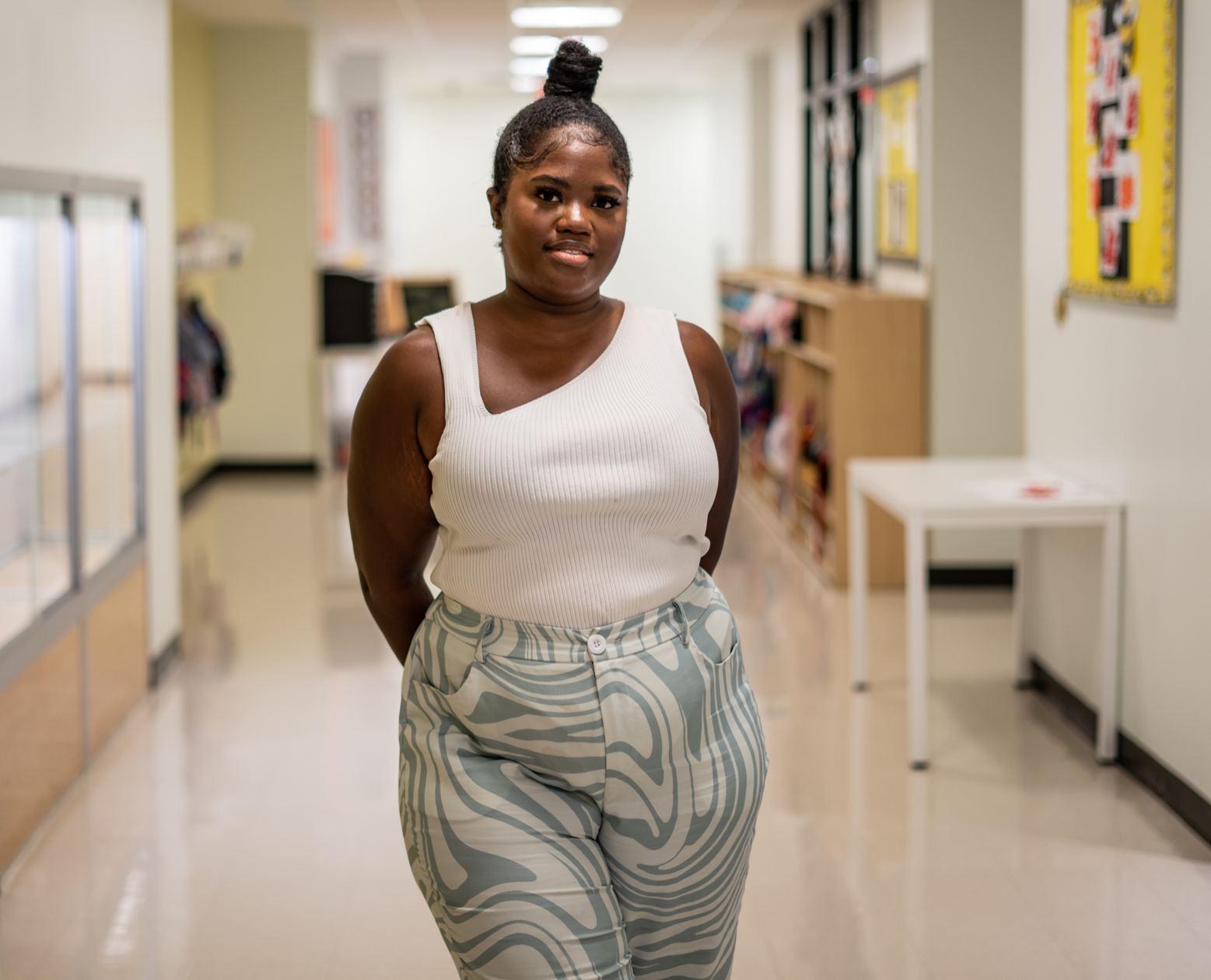
Justice Harris – Early Childhood Development Consultant – Apple Tree Schools (Ward 8)
So I’ve been in education since 2016. I started off as a teaching assistant in a charter school in Northeast, and then I was kind of pushed into the lead teacher role. And in those roles I noticed the need for more social-emotional learning and just more support. When it came to student behaviors and emotions, they didn’t have the knowledge or they didn’t have the coping skills to handle their emotions in a healthy way, to be focused on learning. And I didn’t have the skills as a teacher to support them in that. I’m like, ‘Hey, I really want to go back to school and learn more about how I can support students in that capacity.’ I went back to school and became a school social worker during the time I was an intern at Appletree, from there I was like, ‘I love it.’ I transitioned into a full time social worker with Appletree, now I’m an early childhood mental consultant here.
I have restorative circles. It’s a safe space for teachers. They get to come in and say however they feel as a team. It’s a space for us to listen, but also to speak our minds freely. [I do] teacher check ins with the principals at the schools, asking them, ‘How are you doing?’ Like actually sitting down, giving them a space to release because they come in with so much – like they come in with whatever they’re going through at home. They come in to students who have things that they have going on at home, and bring that into the classroom. So they just need a space to release, whether that’s about professional things or personal things. So I support them in that way.
At Appletree, we we have a push for social emotional learning. We are encouraging teachers to really include that in their components when they’re doing small groups. But in my [dream] school, I think that I would just solely focus on social, emotional and behavioral learning because I think it is the foundation for everyone to be successful in school. If you can interact with peers appropriately, you’re doing a great job. If you can focus during learning time, that’s amazing, and it’ll have a decrease on the behaviors we see later in life and hopefully create adults that can communicate well, and work well with others, and express their needs and wants, and cope with their emotions in a healthy way. So yeah, that would be my dream school.
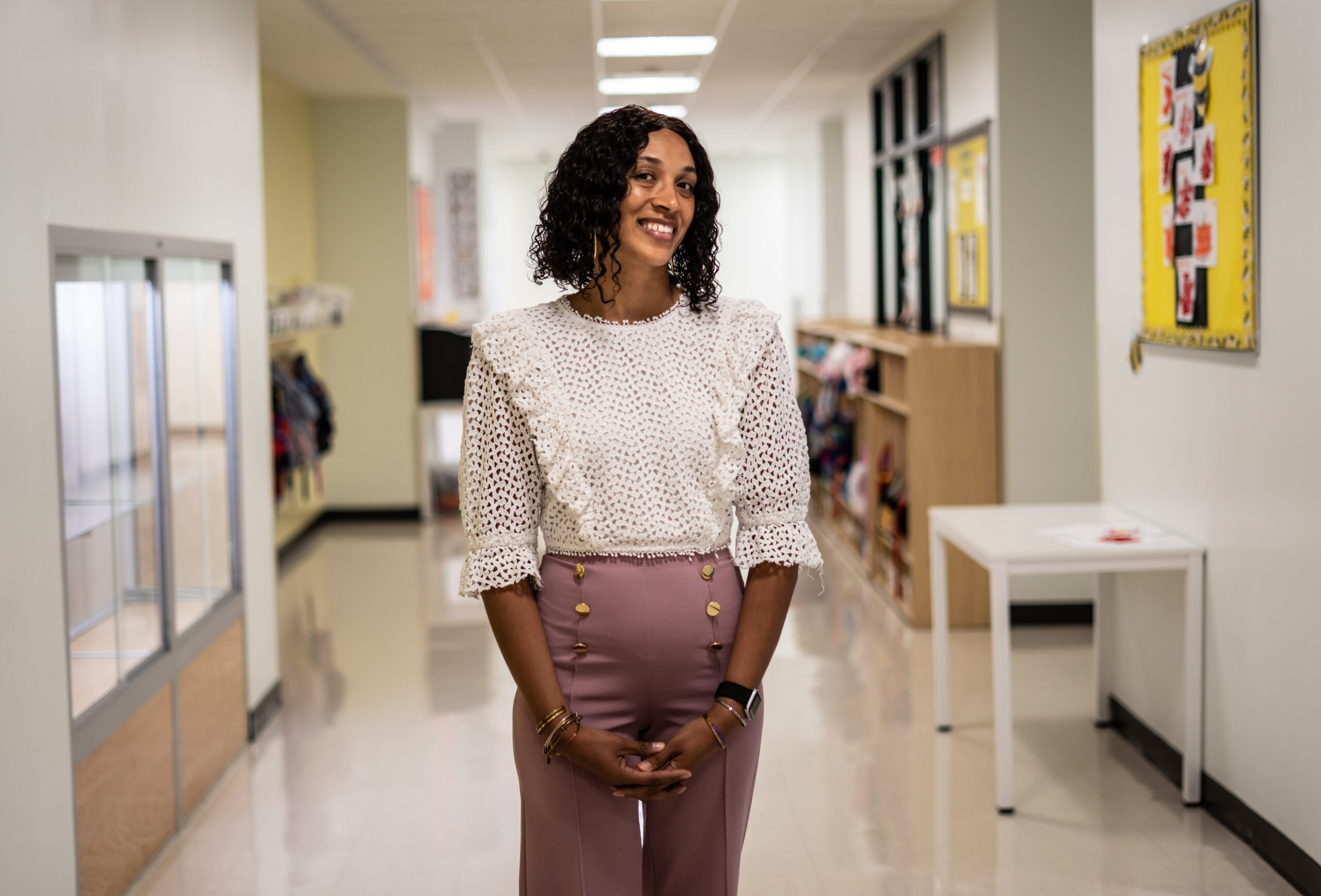
Renita Jackson – Lead Teacher, Apple Tree Schools (Ward 8)
So in the classroom and especially since I’m with children that are very young, it takes a lot of patience. It’s more so that we take on their lead, we just don’t let them know. But we take on their lead, because we have to start where they are. You know, I have an agenda. I plan lessons. But if it’s not working, if it’s not going the way that I planned it, because somebody is having trouble settling down…someone comes in late…they’re, you know, hungry – then we have to address those needs that those students have. So in my classroom, I try to make it a student centered classroom where I follow the lead of my students and I look to see what their interests are, what their needs are, so that I can fulfill those to get to what they need to carry them on.
Apple Tree, they have given us wellness days that we can take. They gave us three days that we could take. We also have what we call our wellness Wednesdays where we have a half day, we come in work and we can use the other half to do whatever it is that we need to do.
One of the benefits that Apple Tree has given us is for us to seek outside help if we need to see a therapist. We do have a lot of resources. I think it’s just letting people know that they can get that help and that they’re here, and encouraging them to take advantage of the resources that we have within our community. Because there is a lot that we have here in Ward 8, it’s just I don’t think some people really know or understand.
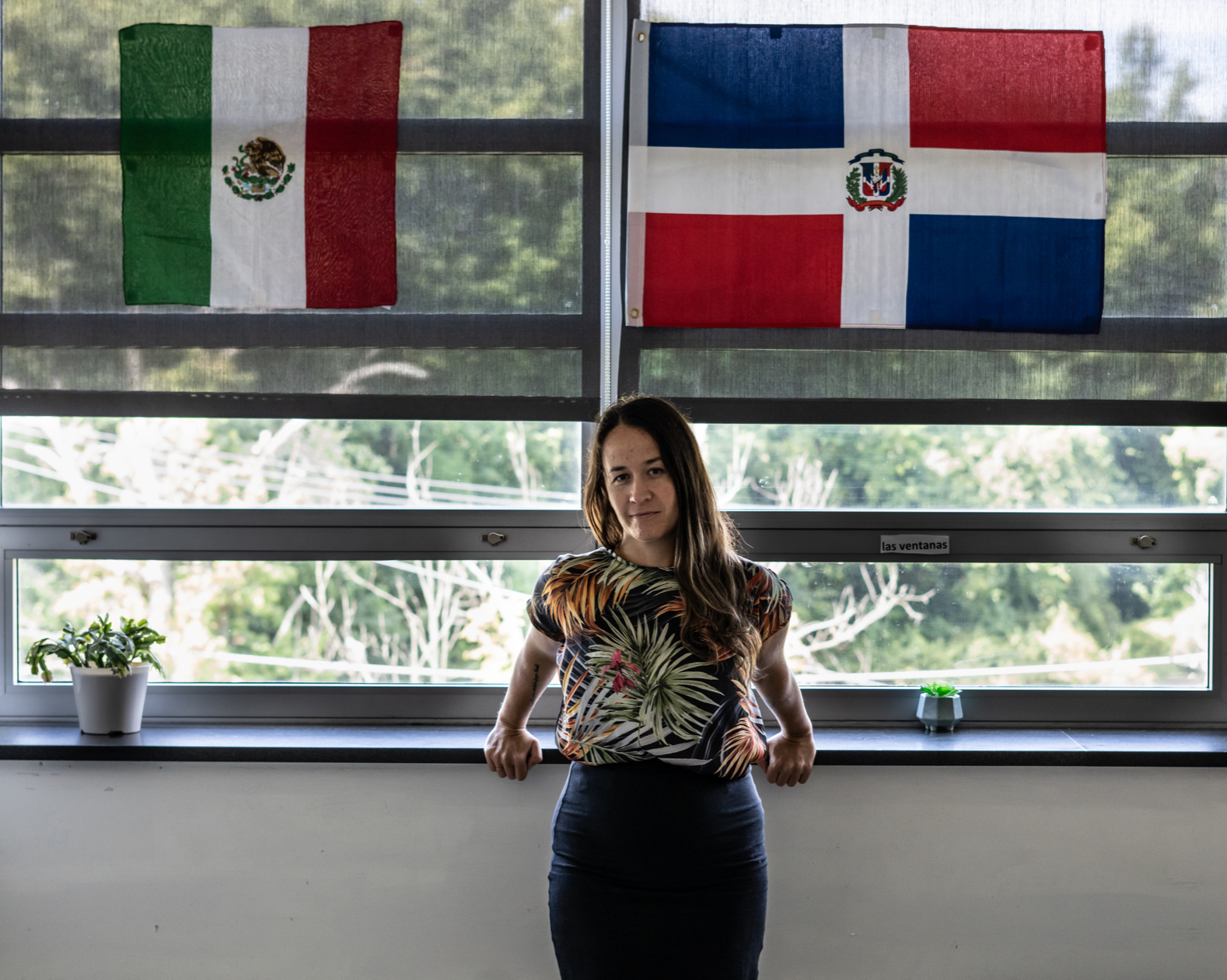
Morgan Shaner, Spanish Teacher – Plummer Elementary
You can’t teach somebody if they’re in a place where they’re not ready to receive it mentally. You have to honor that first. So in D.C. lately there’s been a big push for school social-emotional learning, and they’ve had us incorporate resources into the classroom. So back there, we all have to have a calm down corner and the kids can, like, draw. Like, they have reflection. Kind of get themselves back to a calm space before they join the class. And I just feel like personally it’s essential, especially now…with COVID and the pandemic, there’s a huge disparity, right? So a lot of the kids they were nurtured, they were home, they were stimulated.
But some of them didn’t have that stimulation. You know, it depends on the circumstances. And it was hard for everybody. And so with that, you know, they were kind of on their own, in their own company a lot. And I know I get a little discombobulated when I’m by myself all the time. So for them, when they came back, it was a lot of adjusting, a lot of learning how to socialize with other people again. Sharing adult attention again. Adapt, to like, the rules of school again. So last year there was a lot of mental health stuff in class. I had to build a lot of it in because they just needed it.
I never forced them to open up or anything. Like, I feel like that would probably give them anxiety as opposed to, you know, alleviating it. But they really love having a platform to talk about how they feel. So I have a couple of spots in the room where they can. I have a message board back there where they can write positive messages to their friends, or like, loving stuff. I have a suggestion box where they can also write private messages to me, like, if they don’t want to say something in front of the class. And then I also do a check in for how everybody’s feeling, in Spanish, at the beginning of every class.
Everybody says I care about the kids a lot, and I do. Like I feel like it’s way more important. I like Spanish, but I don’t care ultimately if they learn Spanish from me. But I care that they feel loved and appreciated and seen – like that’s my biggest thing, because you never know. Like when I was a kid, I went through abuse myself, at home by a family member. My grades were slipping at that point because it just didn’t feel important to me. Like I didn’t care about math at all because my brain just didn’t have the capacity to think about it. And I think, like, I wanted someone to be there for me more.
I would just love to be able to take field trips more, do guest speakers without having to hustle as much and to coordinate as much, and figure out how to make it work. If it could just be like a program that would be fed in, like we could partner with an agency like mentorships. We used to do a lot of that, like mentoring through the community or through different clubs where we’d have like male mentor groups, [and] female ones. The mentoring thing I think would be amazing. That’s something I would really like, because I think a lot of the kids have experienced a lot of loss, which affects their mental health in various ways. And I mean, they really lost a piece of their childhood fun with the pandemic just being stuck.
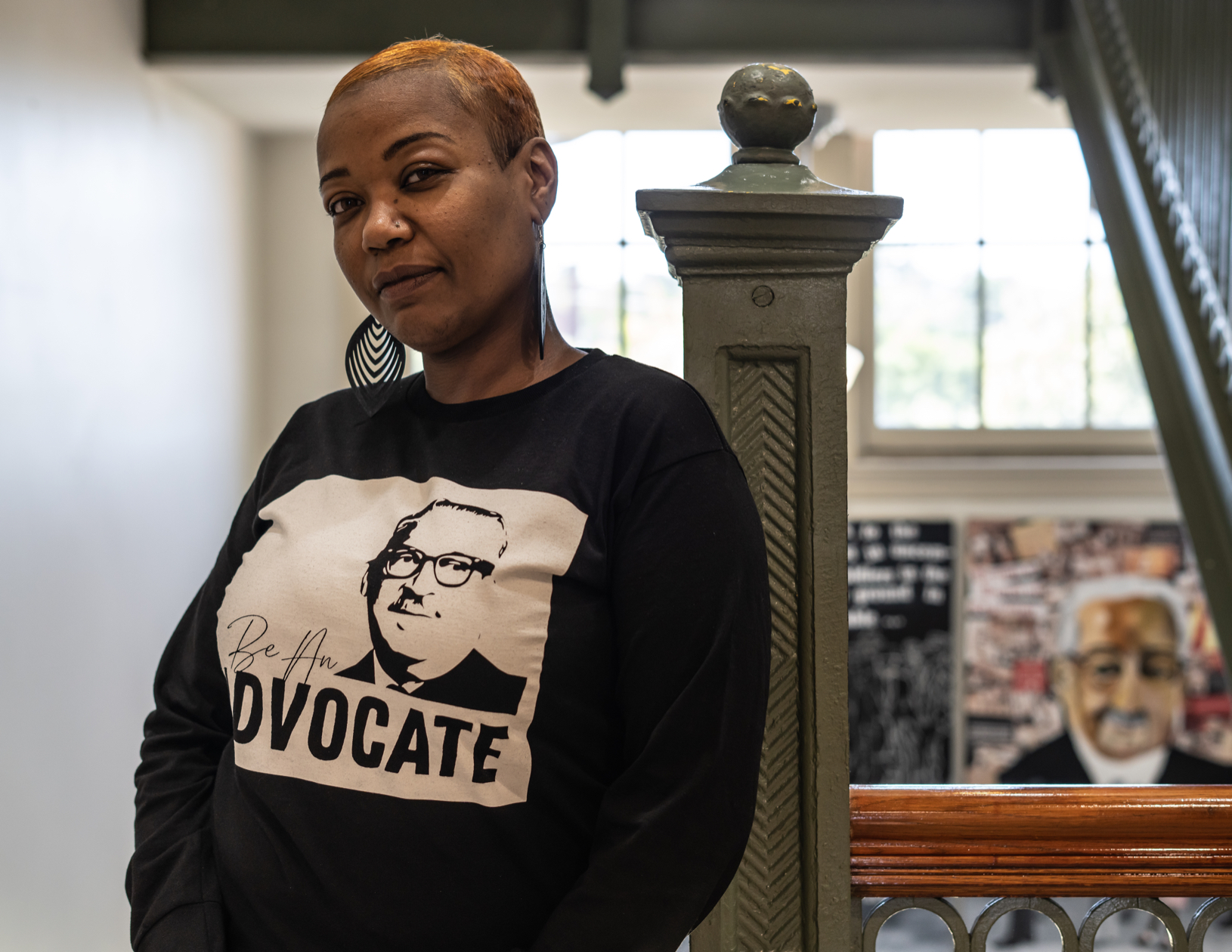
I’m a young lady that was born in Ward 8, so I was that young lady who had to come to school to eat lunch or come in to school to get a uniform. I had a dirty uniform. So I see that. I started an all girl group called Happy Black Girl. And this group is for the young ladies who need a place to be, who need direction. You know, I don’t get the captain of the volleyball team or the captain of the cheerleading squad. I get those girls that need help, you know. We meet once a week, every Thursday. We do a lot of activities. We feed the homeless.
We have girl nights. We just make their self-esteem more… better, you know? And I’ve been doing that for the last ten years. And I have girls who graduated from college getting their masters, coming back and saying how HBG meant to them, how HBG got them through high school. The parents, they’re like my sisters, you know, like everybody, I know. It takes a village. And they let me in.
How should teachers be supported?
Well, I think teachers could be more supported by just listening. You know, if they say [they need] something [for a] lesson, cater to their needs because they are the ones that’s really with these kids.
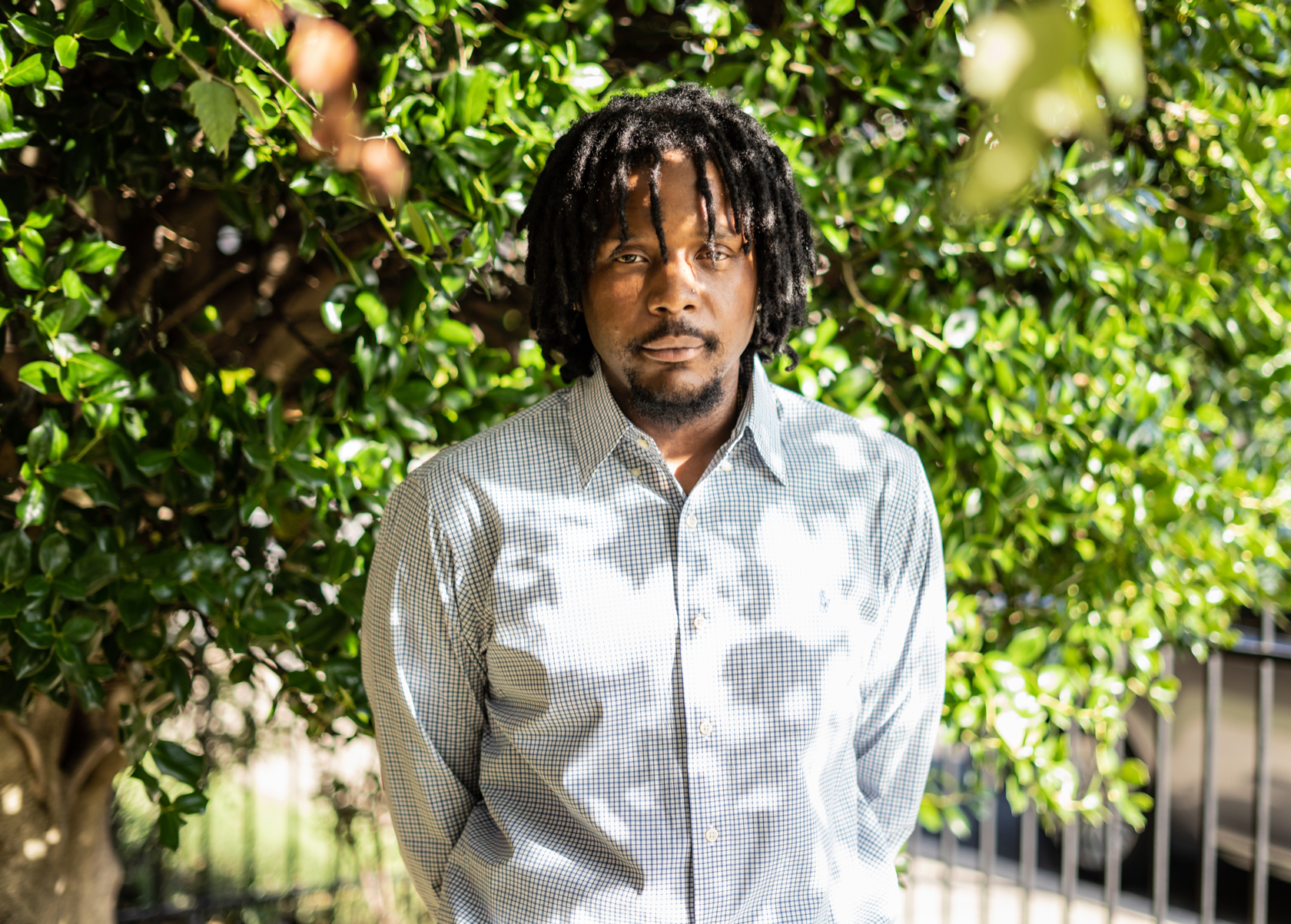
Carlton Holiday Jr. – Ward 8 Educator
I’m a teacher, and I’ve been teaching in Washington, D.C. for the past ten years, primarily early childhood education, mainly kindergarten and first grade.
We prioritize wellness, like we check in with kids all the time in my class, but I wish that there was more of, like, a tier two or three level within the school that was an extension beyond just the four corridors of the classroom and whatever magic the teacher has. They want us to implement things in our morning. Like, ‘How are you feeling? Draw a picture of how you feel today, without judgment. You could draw you’re tired. You could tell you’re hungry, you wanted to stay home.’ But sometimes I wish that there was more of a focus on kids who aren’t really doing well.
Mental health wellness for kids looks like a lot of things because, for one, they’re coming in with their own baggage that a teacher may not even know or be aware of. And I feel like there’s so many kids who like, slip through the cracks. You are oblivious to like the status of their mental health. And I also feel like coming back from COVID, I never, I never really saw the impact of the ratio in the classroom. But coming back from COVID, so many kids – I had so many – I want to say need habits that they didn’t have pre-COVID. And I feel like the ratio or the class size numbers contributed to me not being able to reach as many kids on a deeper level than where I wish I could have.
I’m new with kids who had bad sleep patterns coming back from post-COVID, no families are coming into the school building and no families are coming in the classrooms. You don’t have that personal check point to talk to a family when they cross the threshold in the classroom, and say, ‘Oh, yeah, your kid had a great day yesterday,’ or ‘Work on this at home,’ or ‘Talk to your child at home about pushing,’ or ‘Being patient when they have to wait.’
How can you be supported?
As educators, you don’t even think of yourself. I feel like the class sizes, the ratios are kind of bad. No teacher should be alone in a classroom with 25-26 kids. One, it’s unsafe. It’s a liability to the adult because at any given time something that can happen in the child’s word is going to supersede the adult. I always feel like an adult [needs] to have another adult to kind of like verify, vouch for them, hold each other accountable.
There’s so many things that I feel like that can be done to just improve the wellness of the teachers, of the people who are doing those ten hour shifts in the classroom. I also think that teachers, we need to feel, we need to make ourselves more appreciated.