Héctor Alejandro Arzate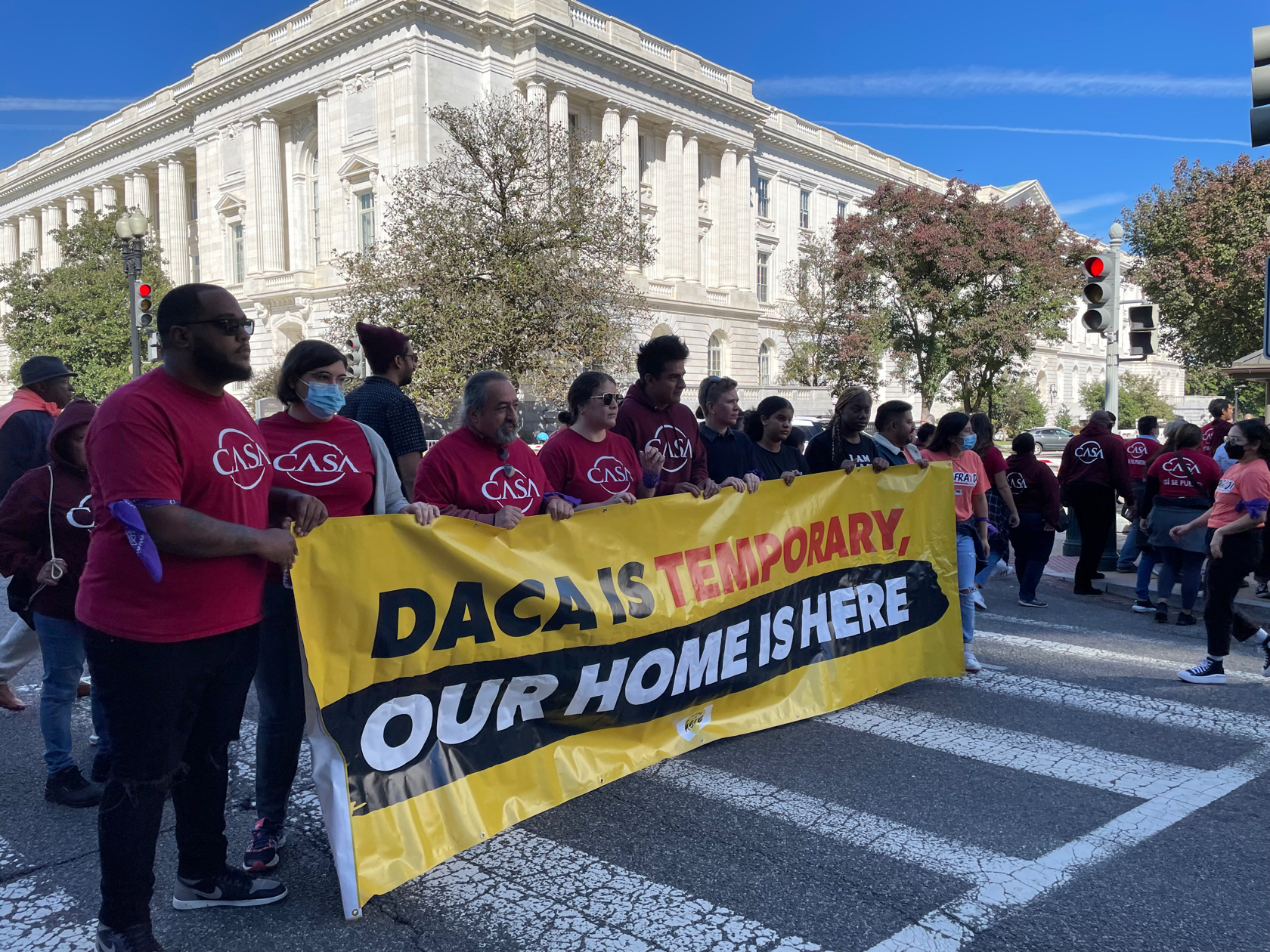
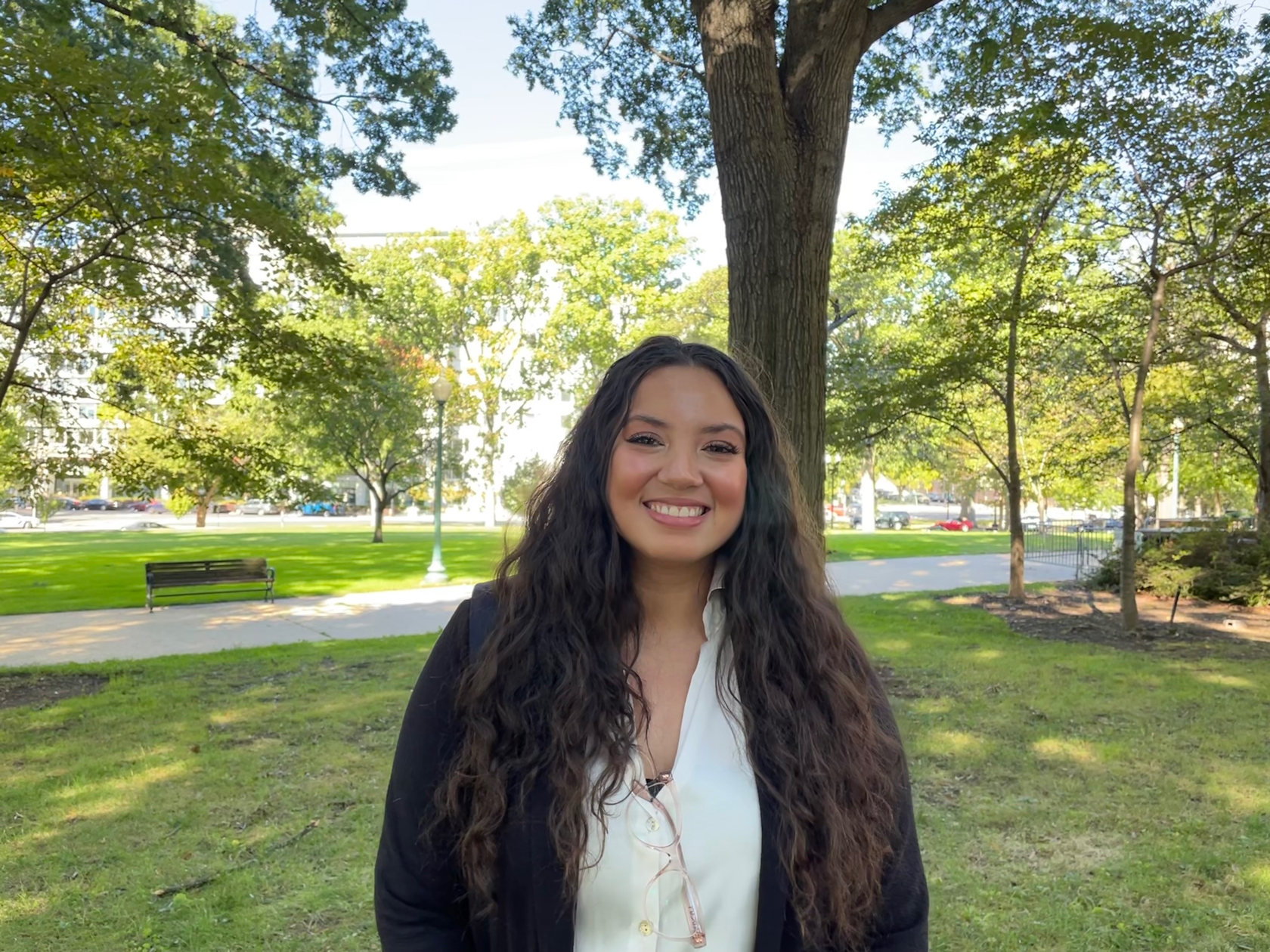
Like other DACA recipients, Ashley Trejo’s status has allowed her to pursue a future without a fear of being deported. She was born in Honduras but grew up in Hyattsville. She says she enrolled in DACA when she was about 15 years-old.
“I didn’t have as many struggles as like, maybe someone that got their DACA later or just doesn’t have papers,” says Trejo, who’s currently a senior in college studying biology with plans to pursue medical school.
However, this week a federal appeals court ruling put Trejo’s future, and that of many others in jeopardy by stating that DACA – the Deferred Action for Childhood Arrivals – is illegal, however current recipients will be allowed to renew their status.
The decision comes after years of cancellations and reinstatements of the program, which was first announced by the Obama administration in 2012. Roughly 600,000 young immigrants have been protected from deportation, and received other benefits, in the years since the program was introduced.
While Trejo is glad the program hasn’t been struck down altogether, she says it’s frustrating to both live with uncertainty and see others being left out from DACA.
“It’s unreal that we’re in this limbo again,” says Trejo. “It’s heartbreaking, to say the least.”
With new uncertainty over their future in the United States, nearly 100 advocates and local community members took to Capitol Hill Thursday to demand that Congress permanently pass DACA into law. The demonstration was organized by United We Dream and CASA – an immigrant advocacy group based in Maryland.
According to the Washington Post, 13 people were arrested for blocking traffic outside the Hart Senate Office Building.
“This decision again shows that legislators must protect DACA holders and other immigrants facing dire uncertainty,” said CASA Executive Director Gustavo Torres in a statement.
“With DACA, hundreds of thousands have graduated college, launched careers, and started families. Citizenship offers the only truly permanent relief that will end these constant battles in the courts and provide DACA recipients with the certainty they deserve. This fight has never been about DACA. It has and will always come down to citizenship, and the protection that comes with it.”
The new ruling has also left people like Michelle Lainez disheartened. She says she applied for DACA in 2021 but was too late for it to be processed after a previous ruling that no new applications would be accepted. Since then, she’s been hopeful for a decision that would help her immigration status.
“It’s like my life and my goals and my dreams are on pause,” says Lainez, who was born in El Salvador. “Everyone else keeps going forward and I’m still stuck.”
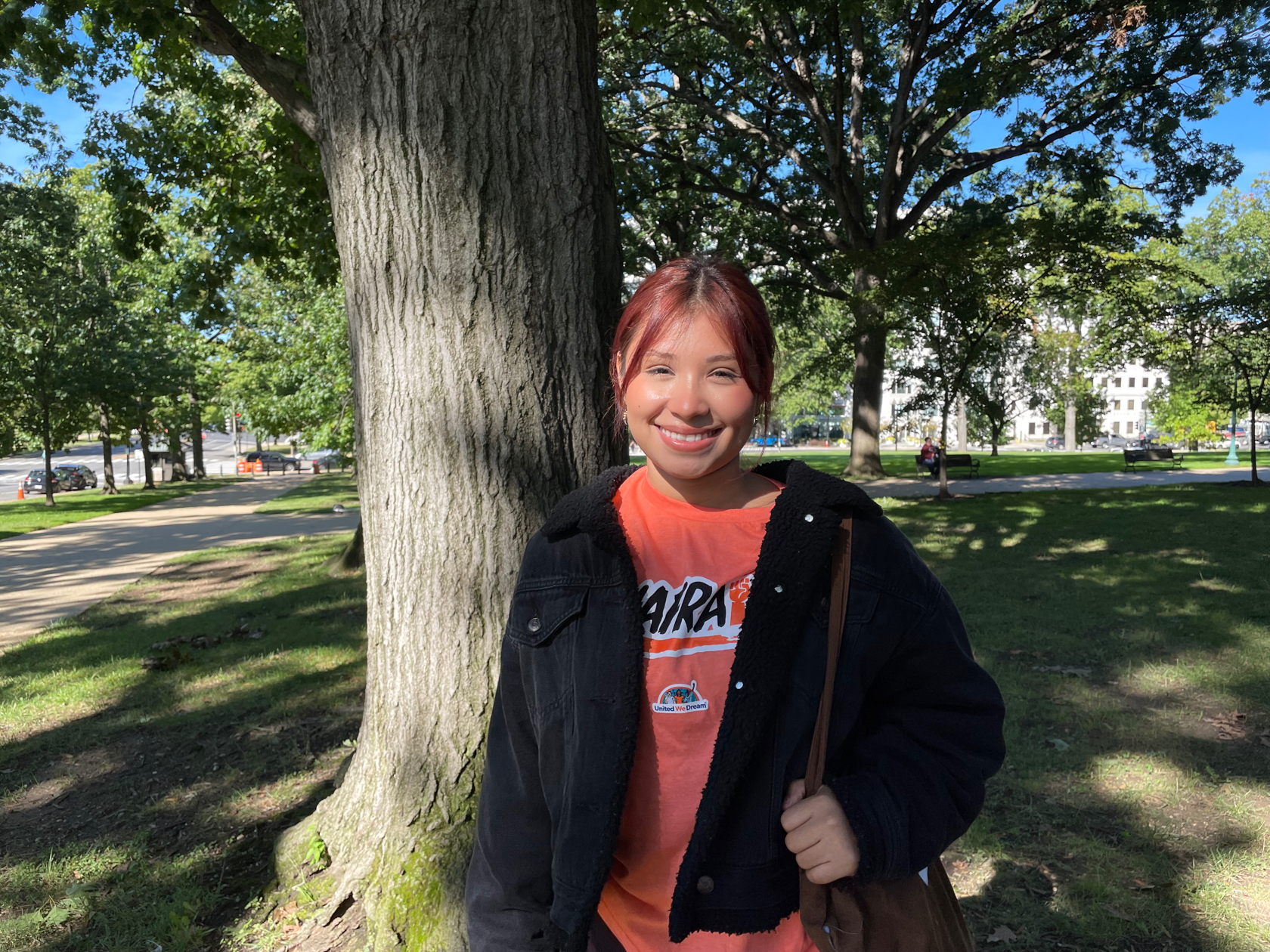
Like others who want to apply for DACA, Lainez says she was young – only three years-old – when she came to the United States. Although she doesn’t remember much about that period of time, Lainez says she made the journey with her mother, who was pregnant with her younger sister, along with her uncle.
“My mom tells me stories about like all the dangerous stuff she saw and like, she experienced,” says Lainez, who grew up in Gaithersburg. “It’s scary to think that’s how I came here.”
Lainez is a rising junior at a university in D.C. She says she’s majoring in criminal justice and hopes to pursue a law degree after graduating. She even has a scholarship for undocumented students.
Despite making plans for her future, she says it’s hard to feel like things will get better.
“DACA is just going around from court to court and nothing is being done,” says Lainez. “We understand change doesn’t happen overnight but it’s been years.